
Best Coconut Oil for Skin and Face: 9 Options for Every Skin Concern
Shopping for coconut oil can feel overwhelming with hundreds of options lining store shelves. Not all coconut oils are created equal, especially when you're looking for one that's gentle and effective for skincare routines. Whether you're seeking a budget-friendly option or a premium organic variety, this comprehensive guide breaks down the top 9 coconut oils that people consistently choose for their skin care routines.
From understanding quality indicators to comparing key features across different price points, we'll help you navigate the coconut oil landscape with confidence. Let's dive into what makes certain coconut oils stand out for facial and body care applications.
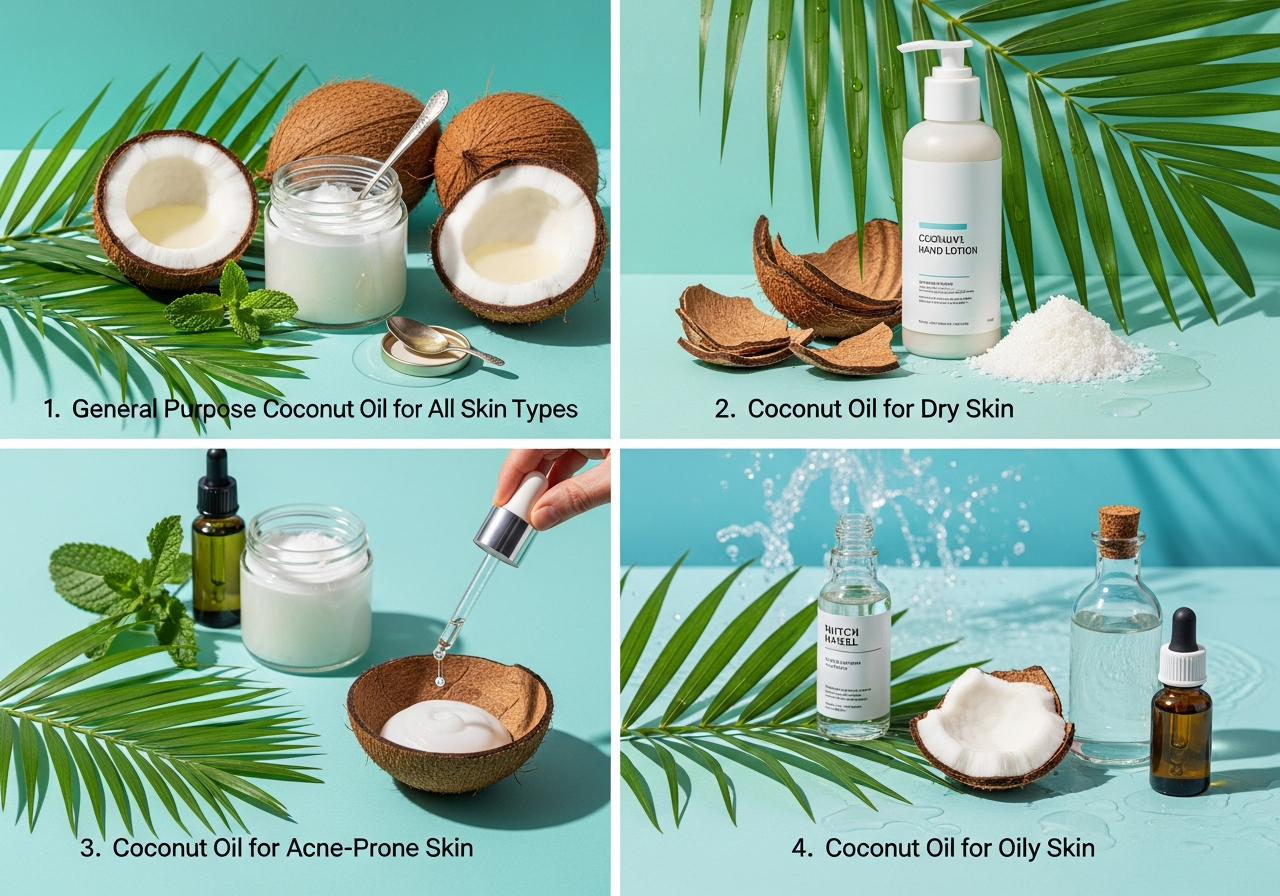
What Makes Coconut Oil Good for Skincare?
Before exploring specific products, it's helpful to understand why coconut oil has become such a popular choice for skincare enthusiasts. Coconut oil contains naturally occurring fatty acids, including lauric acid, which makes up approximately 45-50% of its composition. These fatty acids may help support the skin's natural barrier function.
People often choose coconut oil for skincare because it:
- Has a naturally solid consistency at room temperature that melts upon contact with skin
- Contains no added fragrances or synthetic ingredients when unrefined
- Has a long shelf life compared to many other natural oils
- Can be used on both face and body
- Is generally well-tolerated by many skin types
When shopping for coconut oil for facial care, quality and purity become even more important since facial skin tends to be more sensitive than body skin.
Essential Quality Indicators to Look For
Virgin vs. Refined: Understanding the Difference
Virgin (Unrefined) Coconut Oil is extracted from fresh coconut meat without chemical processing. It retains its natural coconut scent and contains more of the naturally occurring compounds. Virgin coconut oil typically appears white when solid and clear when liquid.
Refined Coconut Oil undergoes processing to remove impurities and odor. While this creates a neutral-scented product, the refining process may reduce some of the naturally occurring beneficial compounds. Refined coconut oil is often preferred by those who don't enjoy coconut's natural scent.
Organic Certification
Organic certification ensures the coconuts were grown without synthetic pesticides, herbicides, or fertilizers. For skincare applications, many people prefer organic options to minimize exposure to potential chemical residues.
Processing Methods
Cold-Pressed: Extracted without high heat, which may help preserve more of the oil's natural characteristics.
Expeller-Pressed: Uses mechanical pressure and some heat during extraction.
Centrifuge Extraction: A newer method that separates oil from coconut milk using high-speed spinning.
Key Features to Compare When Shopping
Packaging Considerations
Glass jars offer the best protection against light and temperature fluctuations, though they're more expensive to ship. Plastic containers are more affordable but may not provide the same level of protection for long-term storage.
Size and Value
Coconut oil is available in sizes ranging from 4-ounce sample jars to 32-ounce bulk containers. Calculate the cost per ounce to compare true value, but remember that coconut oil has a shelf life of 2-3 years when stored properly.
Source and Origin
Many high-quality coconut oils come from specific regions known for coconut production, such as the Philippines, Sri Lanka, or Pacific Island nations. Some brands provide detailed information about their sourcing and farming practices.
Top 9 Coconut Oil Options for Skincare
Premium Tier ($15-25 per 16 oz)
1. Nutiva Organic Virgin Coconut Oil
Key Features:
- USDA Organic certified
- Cold-pressed virgin oil
- Available in glass jars
- Fair Trade certified
- Mild coconut scent
Best For: Those seeking premium organic certification with ethical sourcing practices.
User Feedback: People consistently praise its smooth texture and mild scent. Many report it absorbs well without leaving a greasy residue.
2. Garden of Life Raw Extra Virgin Coconut Oil
Key Features:
- Raw, unrefined processing
- USDA Organic and Non-GMO Project Verified
- Cold-pressed extraction
- Glass jar packaging
- Rich coconut aroma
Best For: Users who want minimal processing and maximum retention of natural characteristics.
User Feedback: Highly rated for its creamy consistency and natural coconut fragrance. Some users note it has a stronger scent than other brands.
Mid-Range Tier ($8-15 per 16 oz)
3. Spectrum Organic Coconut Oil
Key Features:
- Available in both refined and unrefined versions
- USDA Organic certified
- Expeller-pressed
- Wide retail availability
- Recyclable packaging
Best For: Those who want organic quality with the choice between refined (no coconut scent) and unrefined options.
User Feedback: Users appreciate having both refined and unrefined options from the same trusted brand. The refined version is particularly popular for those with sensitive skin who prefer fragrance-free products.
4. Carrington Farms Organic Extra Virgin Coconut Oil
Key Features:
- Cold-pressed virgin oil
- USDA Organic and Non-GMO
- Available in multiple sizes
- Affordable organic option
- Plastic jar packaging
Best For: Budget-conscious buyers seeking organic certification without premium pricing.
User Feedback: Praised for offering organic quality at an accessible price point. Users report good absorption and effectiveness for both face and body care.
5. Viva Naturals Organic Extra Virgin Coconut Oil
Key Features:
- Single-origin from Philippines
- Cold-pressed within 10 hours of harvest
- USDA Organic certified
- Glass jar options available
- Fresh, mild coconut scent
Best For: Those interested in single-origin sourcing with rapid processing for freshness.
User Feedback: Users frequently mention its fresh scent and smooth texture. Many appreciate the detailed information about sourcing and processing.
Budget-Friendly Tier ($5-8 per 16 oz)
6. LouAna Pure Coconut Oil
Key Features:
- Refined for neutral taste and odor
- Wide grocery store availability
- Affordable pricing
- Consistent quality
- Multiple size options
Best For: First-time coconut oil users or those on a tight budget who prefer no coconut scent.
User Feedback: Users value its affordability and neutral scent. While not organic, many find it effective for basic skincare needs.
7. 365 by Whole Foods Market Organic Coconut Oil
Key Features:
- Store brand organic option
- Available refined and unrefined
- Competitive pricing
- USDA Organic certified
- Simple, clean packaging
Best For: Whole Foods shoppers seeking reliable organic quality at store-brand pricing.
User Feedback: Customers appreciate the quality-to-price ratio and the option to choose between refined and unrefined versions.
Specialty Options
8. Sports Research Organic Fractionated Coconut Oil
Key Features:
- Liquid at room temperature
- Longer shelf life
- No coconut scent
- Non-comedogenic properties
- Pump bottle packaging
Best For: Those who prefer liquid oil consistency or live in very warm climates.
User Feedback: Users love the convenience of liquid consistency and the pump packaging. Popular for mixing with other skincare ingredients.
Learn more about fractionated coconut oil and its unique properties.
9. Dr. Bronner's Organic White Kernel Fresh Coconut Oil
Key Features:
- Whole kernel fresh-pressed
- USDA Organic and Fair Trade certified
- Ethical sourcing practices
- Glass jar packaging
- Rich, natural coconut aroma
Best For: Ethically-minded consumers who prioritize fair trade and sustainable sourcing.
User Feedback: Highly rated for quality and company values. Users report excellent skin feel and absorption.
Red Flags: What to Avoid
Questionable Processing Methods
Avoid coconut oils that have been:
- Bleached or deodorized with harsh chemicals
- Processed with hexane or other chemical solvents
- Hydrogenated (creates trans fats)
Misleading Marketing Claims
Be wary of products making exaggerated claims about health benefits or using medical terminology. Quality coconut oil should be marketed based on its processing methods, source, and purity rather than unsubstantiated health claims.
Packaging Issues
Avoid coconut oil in:
- Clear containers exposed to light
- Damaged or dented packages
- Containers without proper seals
- Packages without clear labeling about processing methods
Price Red Flags
While price shouldn't be the only factor, be cautious of:
- Prices significantly below market average (may indicate quality issues)
- Excessive markup without clear quality justification
- Hidden fees or subscription requirements
Special Considerations for Sensitive Skin
If you have sensitive skin, consider these factors:
Refined vs. Virgin for Sensitivity
Some people with sensitive skin find refined coconut oil gentler since it has fewer naturally occurring compounds that might cause reactions. However, others prefer virgin coconut oil for its minimal processing.
Patch Testing
Always perform a patch test before using any new coconut oil extensively. Apply a small amount to your inner wrist or behind your ear and wait 24-48 hours to check for any adverse reactions.
Start Small
Begin with smaller jar sizes until you determine how your skin responds to different brands and processing methods.
Where to Buy Coconut Oil
Online Retailers
Advantages:
- Wider selection of brands and sizes
- Customer reviews and ratings
- Competitive pricing
- Convenient delivery
- Easy price comparison
Considerations:
- Shipping costs may affect total price
- Temperature sensitivity during shipping
- Can't examine product before purchase
Health Food Stores
Advantages:
- Knowledgeable staff
- Ability to examine products
- Often carry premium and specialty brands
- Support local businesses
Grocery Stores
Advantages:
- Convenient shopping
- Immediate availability
- No shipping costs
- Can combine with other shopping
Considerations:
- Limited selection
- May not carry premium brands
- Potentially higher prices
Storage and Shelf Life Tips
Optimal Storage Conditions
To maximize your coconut oil's quality and shelf life:
- Store in a cool, dry place away from direct sunlight
- Keep the container tightly sealed when not in use
- Use clean, dry utensils when removing oil from the jar
- Avoid storing in bathroom cabinets where humidity fluctuates
Understanding Texture Changes
Coconut oil naturally solidifies below 76°F (24°C) and liquefies above this temperature. These changes don't indicate quality issues and are completely normal. Some people prefer to store their coconut oil in slightly warm areas to maintain liquid consistency for easier application.
Signs It's Time to Replace
Replace your coconut oil if you notice:
- Rancid or off odors
- Yellow discoloration (should be white when solid, clear when liquid)
- Mold or unusual growths
- Separation or unusual texture changes
Making Your Final Decision
Choosing the best coconut oil for your skin comes down to balancing your priorities: budget, organic certification, processing methods, scent preferences, and packaging. Consider starting with a mid-range option that offers organic certification and minimal processing, then adjust based on your experience.
Remember that what works best for one person may not work identically for another. Skin type, climate, personal preferences, and individual sensitivities all play roles in determining which coconut oil becomes your go-to choice.
Quick Decision Framework
If budget is your primary concern: LouAna Pure or 365 by Whole Foods Market
If you want premium organic quality: Nutiva or Garden of Life
If you prefer no coconut scent: Any refined option or Sports Research Fractionated
If you have sensitive skin: Start with refined options and patch test carefully
If you value ethical sourcing: Dr. Bronner's or Fair Trade certified options
Whichever coconut oil you choose, remember to introduce it gradually into your skincare routine and always discontinue use if you experience any irritation. With the right coconut oil and proper application, many people find it becomes a versatile and valuable addition to their daily skin care regimen.