
Coconut Oil and Baking Soda Toothpaste: Dentist's Take on the Trend
Open any natural living forum and you'll find someone swearing by their homemade coconut oil baking soda toothpaste. The photos are convincing. The testimonials are enthusiastic. But what do dental professionals actually think? And is the DIY toothpaste coconut oil trend grounded in anything real, or is it mostly Instagram folklore?
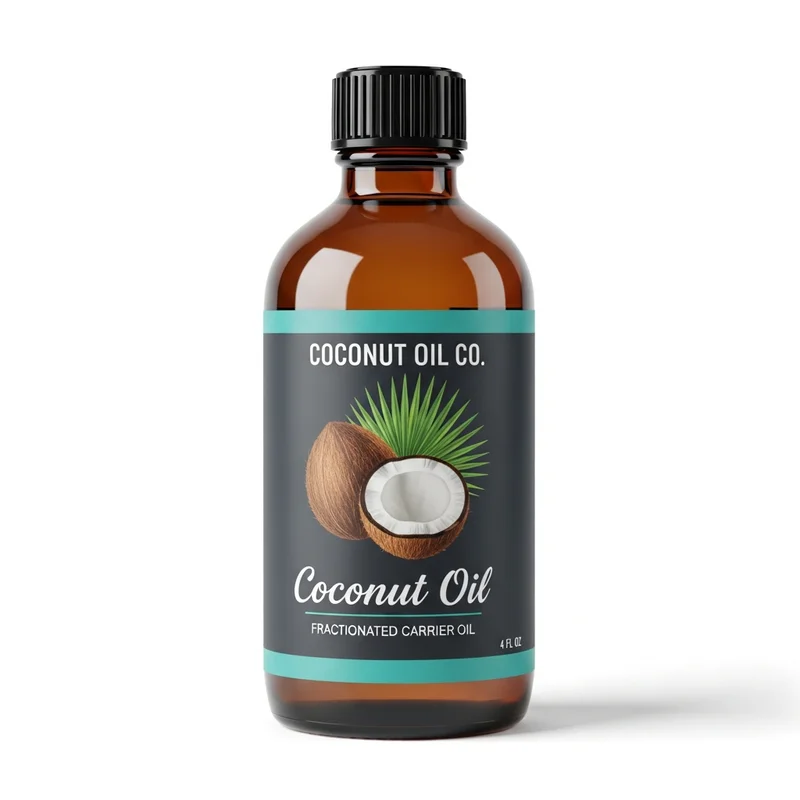 Fractionated Coconut Oil
Our own Fractionated Coconut Oil, in sizes from 0.5 oz to bulk. From $8.99.
Shop Now →
Fractionated Coconut Oil
Our own Fractionated Coconut Oil, in sizes from 0.5 oz to bulk. From $8.99.
Shop Now →
This deep dive breaks down the ingredients, looks at what some research suggests, and gives you a clear-eyed view of both the appeal and the limits of this popular paste. If you're curious about coconut oil teeth whitening paste as part of your oral care routine, this is where to start.
Why People Are Skipping Store-Bought Toothpaste
The interest in homemade oral care isn't random. Many conventional toothpastes contain ingredients that a growing number of consumers want to avoid: artificial sweeteners, synthetic foaming agents like sodium lauryl sulfate, and added fluoride (which remains a point of debate for some households, even though it is widely endorsed by dental organizations).
For people moving toward cleaner ingredient lists, coconut oil and baking soda are deeply familiar. Both are kitchen staples. Both have long histories of use in personal care. That familiarity creates trust, and that trust drives the trend.
It's worth noting upfront: no homemade paste has received FDA approval as a dental product. Consulting your dentist before switching your oral care routine is genuinely important, not just a legal formality.
What Is Baking Soda Doing in Your Toothpaste?
Baking soda (sodium bicarbonate) is not new to oral care. It has been used in commercial toothpastes for decades. Here's why it earns its place.
Mild Abrasiveness
Baking soda is a mild abrasive. It has a Relative Dentin Abrasivity (RDA) score well below the threshold considered safe by most dental guidelines. In practical terms, that means it can help buff away surface stains from coffee, tea, and red wine without the aggressive scrubbing action that harder abrasives produce. Some research suggests that baking soda-based pastes may support surface stain removal over time, which is likely where the coconut oil teeth whitening paste reputation comes from.
pH Balancing
Baking soda is alkaline. The mouth becomes acidic after eating, and that acid environment is associated with enamel softening. Baking soda may help neutralize some of that acidity. Dental researchers have noted this property in various studies, though they're careful to frame it as a supportive factor rather than a solution to any specific condition.
A Note on What Baking Soda Cannot Do
Baking soda does not contain fluoride. Many dentists consider fluoride essential for enamel support, particularly for people at higher risk for dental concerns. If you use a DIY paste as your only oral care product, you may want to have a direct conversation with your dentist about whether your enamel is getting the support it needs.
What Is Coconut Oil Doing in Toothpaste?
Coconut oil brings a different set of properties to the mix. Its primary active component is lauric acid, a medium-chain fatty acid that makes up roughly 50% of virgin coconut oil's composition.
Oil Pulling Roots
Coconut oil's connection to oral care largely comes through the practice of oil pulling with coconut oil, an Ayurvedic ritual that involves swishing oil around the mouth for several minutes. Anecdotal evidence from oil pulling practitioners describes fresher breath and a cleaner-feeling mouth. Some preliminary research has looked at oil pulling, though most dental professionals note that the studies are small and not yet definitive enough to make firm conclusions.
Using coconut oil in a paste rather than swishing it is a different application. The contact time is shorter. Whether that changes the outcome is not well-studied.
Texture and Feel
From a purely sensory standpoint, coconut oil gives the paste a smooth, creamy consistency. It also has a pleasant, mild flavor that many people prefer to the sharp taste of straight baking soda. That palatability factor matters more than it might seem. A product people enjoy using is a product they actually use consistently.
No Lathering
One thing coconut oil does not do: foam. Many people find this unsettling at first, because decades of toothpaste use have trained us to associate foam with clean. The foam in conventional toothpaste comes from detergent-style ingredients. Some people actually prefer the no-foam experience once they adjust. Others never quite shake the feeling that something is missing.
How to Make DIY Toothpaste with Coconut Oil: A Basic Recipe
If you've decided to experiment, here is a straightforward starting point. This is not a replacement for professional dental products. Use it as a supplemental exploration, and check with your dentist first.
Simple Coconut Oil and Baking Soda Paste
- 2 tablespoons virgin coconut oil (softened or melted)
- 2 tablespoons baking soda
- 10 to 15 drops food-grade peppermint essential oil (optional, for flavor)
- 1 teaspoon xylitol granules (optional, for mild sweetness)
- Combine the softened coconut oil and baking soda in a small glass jar.
- Stir thoroughly until the mixture is smooth and lump-free.
- Add peppermint oil if using, and stir again.
- Store at room temperature in a sealed jar. In warmer climates, the paste may liquefy slightly. This is normal and does not affect the ingredients.
- Use a clean spoon or toothpick to scoop a small amount onto your toothbrush. Never dip the brush directly into the jar.
Safety note: Baking soda is mild, but daily use at high concentrations over extended periods may be more abrasive than some dental professionals recommend. Many dentists suggest alternating this paste with your regular fluoride toothpaste rather than replacing it entirely. Always consult your dental provider about what works for your specific oral health situation.
The Whitening Question: Honest Expectations
Let's spend a moment on the coconut oil teeth whitening paste claim, because it's probably the most searched aspect of this trend.
Baking soda can help with surface stains. That part is reasonably well-supported by research into sodium bicarbonate's abrasive properties. If your teeth look dull because of coffee or tea residue on the enamel surface, a baking soda-based paste may support some brightening over time.
What it cannot do is change the intrinsic color of your teeth. Intrinsic discoloration comes from within the tooth structure itself. Addressing that requires peroxide-based products at concentrations only available through professional or commercially approved whitening systems.
Coconut oil's specific contribution to whitening is much less clear. Some proponents argue that lauric acid plays a role, but the direct research on coconut oil as a whitening agent in paste form is thin. It's more honest to say that coconut oil is a functional carrier that makes the baking soda easier to apply and more pleasant to use, rather than an active whitening agent on its own.
For a broader look at this topic, the coconut oil for teeth overview covers the full picture of how people use this ingredient in oral care routines.
What Dental Professionals Actually Say
Dentists are not uniformly opposed to natural oral care, but they do raise consistent concerns worth knowing about.
The Fluoride Gap
This is the most frequently cited issue. Fluoride has decades of research behind its role in supporting enamel. A DIY coconut oil baking soda toothpaste contains none. For adults with healthy teeth and low risk factors, some dentists are comfortable with patients experimenting with natural pastes as long as they maintain other fluoride exposure (through fluoridated water, for instance) and keep up with regular dental checkups. For others, the calculus is different. Only your dentist knows your specific situation.
Abrasion Over Time
Baking soda's RDA score is low, but technique matters. Brushing too hard with any paste can wear enamel. The texture of a homemade paste may also vary batch to batch, which means the abrasiveness isn't controlled the way it is in a regulated commercial product.
No Regulatory Testing
Commercial toothpastes with ADA approval have gone through standardized testing. Your homemade paste has not. That's not a reason to panic, but it is worth factoring into your expectations.
Comparing Key Ingredients: A Quick Reference
| Ingredient | Role in the Paste | What Some Research Suggests | What It Does Not Do |
|---|---|---|---|
| Baking Soda | Mild abrasive, pH adjuster | May support surface stain removal; may help neutralize acidity | Does not provide fluoride; does not whiten intrinsic discoloration |
| Coconut Oil | Base, carrier, flavor | Lauric acid studied in oil pulling context; anecdotal reports of fresher breath | Not a confirmed whitening agent; not a substitute for fluoride |
| Peppermint Essential Oil | Flavor, scent | Traditionally used for freshening breath in oral care | Not a replacement for active oral care ingredients |
| Xylitol | Sweetener | Some research suggests xylitol may support a balanced oral environment | Not a substitute for brushing or flossing |
How This Fits Into a Broader Oral Care Routine
The most balanced approach most dental professionals describe is an additive one rather than a replacement strategy. Some people use a DIY coconut oil baking soda toothpaste in the morning and a fluoride toothpaste at night. Others incorporate oil pulling with coconut oil as a separate morning ritual before brushing with a conventional paste.
If you're interested in expanding your coconut oil routine beyond oral care, there's a lot of ground to cover. Coconut oil has a long history of use in skin and hair care, and many of the same qualities that make it appealing for oral rituals, its rich fatty acid profile, its texture, its mild scent, show up across personal care applications. The coconut oil for skin guide is a good next read if you want to see how the ingredient behaves in other contexts.
And if sourcing quality oil matters to you (it should), understanding what separates virgin vs refined coconut oil is foundational. For oral care applications, most people and most practitioners who discuss this topic lean toward virgin, cold-pressed coconut oil because of its minimal processing and retained lauric acid content.
Who Should Be Cautious
A few groups should have a specific conversation with their dentist before experimenting with DIY oral care:
- People with existing enamel concerns or sensitivity
- Those wearing braces, retainers, or other dental appliances
- Children, who may need age-specific fluoride recommendations
- Anyone currently under a dentist's active care plan
- People with coconut or tree nut sensitivities
None of this is meant to discourage curiosity. It's meant to make sure that curiosity is informed.
The Bottom Line on the Trend
Coconut oil baking soda toothpaste occupies an interesting middle ground. The ingredients are not random choices. Both have documented properties that make them plausible in an oral care context. Baking soda has the stronger research foundation specifically for surface stain removal. Coconut oil brings texture, palatability, and a connection to traditional oil-based oral rituals.
But plausible is not the same as proven, and a DIY paste is not the same as a regulated product. The people who seem to get the most out of this approach use it as a complement to conventional care, not a replacement for it. They keep their dental appointments. They stay informed about fluoride. And they don't assume that natural automatically means better for every situation.
If you make a batch and enjoy the experience, that's genuinely worthwhile. Oral care rituals you look forward to are ones you actually maintain. Just go in with realistic expectations, and keep your dentist in the loop.