Coconut Oil and Tea Tree Oil: The Ultimate Guide to Uses, Benefits, and DIY Recipes
When it comes to natural ingredients that have stood the test of time, few combinations are as versatile and beloved as coconut oil and tea tree oil. This dynamic duo brings together coconut oil's nourishing properties with tea tree oil's distinctive characteristics, creating blends that people have been using for generations in skincare, hair care, and household applications.
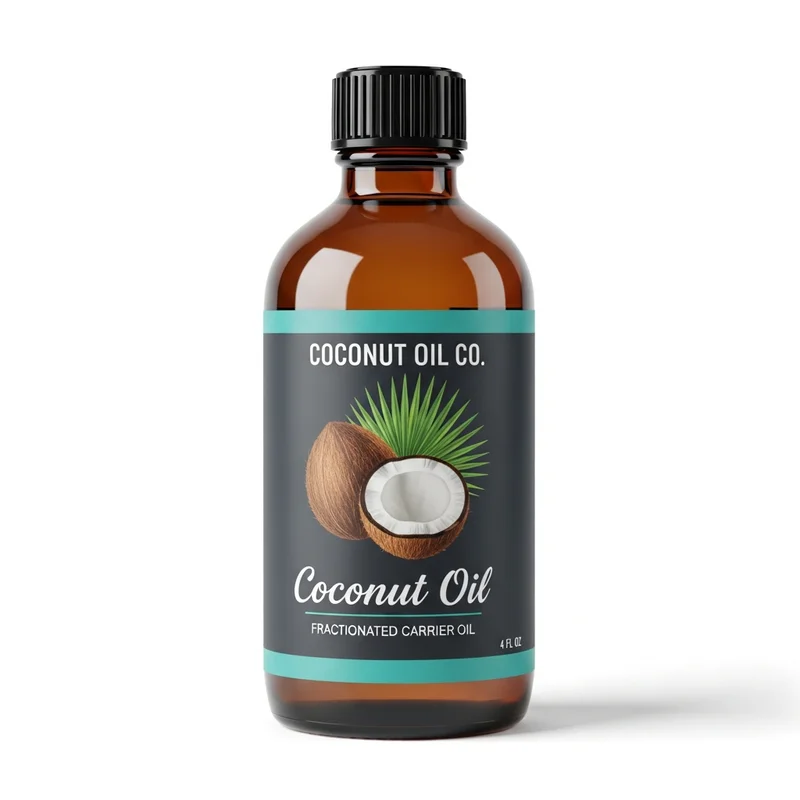 Fractionated Coconut Oil
Our own Fractionated Coconut Oil, in sizes from 0.5 oz to bulk. From $8.99.
Shop Now →
Fractionated Coconut Oil
Our own Fractionated Coconut Oil, in sizes from 0.5 oz to bulk. From $8.99.
Shop Now →
Whether you're new to natural DIY recipes or a seasoned enthusiast looking to expand your repertoire, this comprehensive guide will walk you through everything you need to know about combining these two popular oils safely and effectively.
🌟 Key Takeaways
- Coconut oil serves as an excellent carrier oil for diluting tea tree oil safely
- Always dilute tea tree oil properly - typically 1-2% concentration for topical use
- This combination may support various skincare and hair care routines
- Both oils have rich histories in traditional wellness practices
- Proper storage and safety precautions are essential for DIY blends
- Always perform patch tests before using new formulations
Table of Contents
- Understanding These Two Powerhouse Oils
- Why Combine Coconut Oil and Tea Tree Oil?
- Essential Safety Guidelines and Dilution Ratios
- Skincare Applications and Benefits
- Hair Care Uses and Techniques
- DIY Recipes and Formulations
- Household and Cleaning Applications
- Storage Tips and Best Practices
Understanding These Two Powerhouse Oils
Coconut Oil: The Perfect Carrier
Coconut oil has earned its reputation as one of nature's most versatile ingredients. Extracted from mature coconut meat, this stable oil contains a unique composition of fatty acids, including lauric acid, caprylic acid, and capric acid. Its solid state at room temperature (below 76°F) and smooth melting properties make it an ideal base for DIY formulations.
What makes coconut oil particularly valuable in blending is its role as a carrier oil. It helps dilute more potent essential oils while providing its own beneficial properties to skin and hair. The oil's natural stability also means that coconut oil tea tree blends tend to have good shelf life when stored properly.
Tea Tree Oil: A Concentrated Essential Oil
Tea tree oil, extracted from the leaves of Melaleuca alternifolia, is a potent essential oil with a distinctive medicinal aroma. Native to Australia, this oil has been traditionally used by Aboriginal communities for centuries. The oil contains various compounds, with terpinen-4-ol being one of its primary constituents.
Unlike coconut oil, tea tree oil is highly concentrated and should never be used undiluted on the skin. This is where the magic of combining tea tree in coconut oil becomes apparent - the coconut oil provides the necessary dilution while creating a user-friendly blend.
Why Combine Coconut Oil and Tea Tree Oil?
Complementary Properties
The combination of coconut oil and tea tree oil creates a synergistic blend where each ingredient enhances the other's strengths. Coconut oil's moisturizing properties help balance tea tree oil's potentially drying effects, while tea tree oil adds its own distinctive characteristics to coconut oil's natural benefits.
Enhanced Usability
Tea tree oil's potency requires careful dilution for safe topical use. Coconut oil provides the perfect medium for this dilution, creating blends that are easier to apply and gentler on the skin. The resulting coconut oil tea tree blend maintains the benefits of both oils while being more user-friendly than tea tree oil alone.
Traditional Applications
Both oils have rich histories in traditional wellness practices. Indigenous Australian communities have long used tea tree oil, while coconut oil has been a staple in tropical regions worldwide. Combining these traditional ingredients creates formulations that honor both healing traditions.
Essential Safety Guidelines and Dilution Ratios
⚠️ Important Safety Information
Always perform a patch test before using any new blend. Apply a small amount to your inner wrist or behind your ear and wait 24 hours to check for any adverse reactions.
Proper Dilution Ratios
When creating coconut oil and tea tree oil blends, proper dilution is crucial for safety and effectiveness. Here are recommended dilution ratios:
| Application | Tea Tree Oil Percentage | Ratio (Tea Tree : Coconut Oil) |
|---|---|---|
| General skincare | 1-2% | 1-2 drops per teaspoon |
| Hair and scalp | 2-3% | 2-3 drops per teaspoon |
| Spot treatment | 5% | 5 drops per teaspoon |
Safety Precautions
- Never use tea tree oil undiluted - always mix with a carrier oil like coconut oil
- Avoid contact with eyes and mucous membranes
- Discontinue use if irritation occurs
- Keep away from children and pets
- Consult with a qualified healthcare provider before use if you're pregnant, nursing, or have sensitive skin
- Some people may be allergic to either coconut oil or tea tree oil
Skincare Applications and Benefits
Daily Skincare Routine Integration
Many people incorporate coconut oil and tea tree oil blends into their daily skincare routines. The combination may help support healthy-looking skin while providing moisturizing benefits. Some research suggests that both oils have properties that people have traditionally valued for skincare applications.
Spot Treatment Applications
For targeted use, higher concentrations of tea tree oil in coconut oil (up to 5%) are sometimes used as spot treatments. The coconut oil helps deliver the tea tree oil while providing its own moisturizing properties to prevent excessive drying.
Body Care Uses
Lower concentration blends (1-2%) work well for larger body applications. The coconut oil provides excellent moisturization while the tea tree oil adds its distinctive properties. This combination is particularly popular for areas prone to moisture and friction.
Hair Care Uses and Techniques
Scalp Care Applications
The combination of coconut oil and tea tree oil has been traditionally used for scalp care. Coconut oil's ability to penetrate hair shafts, combined with tea tree oil's distinctive properties, creates blends that many people find beneficial for maintaining healthy-looking hair and scalp.
Pre-Shampoo Treatments
Many users apply coconut oil tea tree blends as pre-shampoo treatments, leaving them on for 15-30 minutes before washing. This allows the coconut oil to nourish the hair while the tea tree oil provides its traditional benefits to the scalp.
Hair Styling and Finishing
Very light applications of properly diluted blends can be used as natural hair finishing products. The coconut oil provides shine and moisture control, while the tea tree oil may help maintain scalp comfort throughout the day.
DIY Recipes and Formulations
Basic Coconut Oil Tea Tree Blend
Ingredients:
- 2 tablespoons organic coconut oil (solid or melted)
- 6-8 drops tea tree oil
Instructions:
- If using solid coconut oil, gently warm to soften (not melt completely)
- Add tea tree oil drops and mix thoroughly
- Allow to cool and solidify if desired
- Store in a clean, airtight container
- Use within 3-6 months
Gentle Daily Moisturizer
Ingredients:
- 1/4 cup coconut oil
- 4-5 drops tea tree oil
- Optional: 2-3 drops lavender oil for scent
Instructions:
- Whip coconut oil until light and fluffy (if desired texture)
- Gradually add essential oils while mixing
- Transfer to a clean jar
- Apply small amounts as needed
Scalp Treatment Blend
Ingredients:
- 3 tablespoons coconut oil
- 8-10 drops tea tree oil
- 5 drops rosemary oil (optional)
Instructions:
- Warm coconut oil slightly for easy mixing
- Add essential oils and blend well
- Apply to scalp using fingertips
- Leave for 15-30 minutes before shampooing
- Use 1-2 times per week
Multi-Purpose Balm
Ingredients:
- 1/2 cup coconut oil
- 2 tablespoons beeswax (for firmer consistency)
- 10-12 drops tea tree oil
Instructions:
- Melt coconut oil and beeswax together using double boiler method
- Remove from heat and let cool slightly
- Add tea tree oil and stir quickly
- Pour into small containers
- Allow to solidify completely before use
Household and Cleaning Applications
Natural Surface Cleaner
While not as common as other cleaning ingredients, some people use coconut oil and tea tree oil combinations for certain household applications. The tea tree oil's natural properties, combined with coconut oil's ability to condition surfaces, can create multipurpose cleaning blends.
Leather and Wood Care
Small amounts of coconut oil tea tree blends can be used to condition leather goods and wooden surfaces. The coconut oil nourishes the material while the tea tree oil may help maintain freshness. Always test on an inconspicuous area first.
Laundry Applications
Some users add small amounts of coconut oil tea tree blends to their laundry routine. A few drops mixed with regular detergent may help maintain fabric freshness, though this should be used sparingly to avoid oil buildup.
Storage Tips and Best Practices
Proper Storage Conditions
To maintain the quality and safety of your coconut oil and tea tree oil blends:
- Use dark glass containers to protect from light degradation
- Store in cool, dry places away from direct sunlight
- Keep containers tightly sealed to prevent oxidation
- Label with creation date and ingredients
- Use within 3-6 months for optimal quality
Signs of Spoilage
Monitor your blends for these signs that indicate it's time to discard:
- Rancid or off odors
- Changes in color or texture
- Separation that doesn't remix
- Any signs of mold or contamination
Maximizing Shelf Life
To extend the life of your coconut oil tea tree blends:
- Use clean utensils when dispensing
- Avoid introducing water into containers
- Consider making smaller batches more frequently
- Store extra coconut oil properly to maintain quality for future blends
Final Thoughts on Coconut Oil and Tea Tree Oil Combinations
The combination of coconut oil and tea tree oil represents a perfect marriage of traditional wisdom and practical application. By understanding proper dilution ratios, safety guidelines, and application methods, you can safely explore the many ways these two oils work together.
Whether you're interested in creating simple daily moisturizers, specialized scalp treatments, or multipurpose household blends, the key to success lies in starting with quality ingredients, following proper safety protocols, and experimenting gradually to find what works best for your specific needs.
Remember that individual responses to natural ingredients can vary significantly. What works wonderfully for one person may not be suitable for another. Always prioritize safety, perform patch tests, and consult with qualified healthcare providers when you have questions about incorporating new ingredients into your routine.
As you embark on your journey with coconut oil and tea tree oil combinations, start small, stay consistent with your safety practices, and enjoy discovering the versatility of this time-tested pairing. With proper knowledge and careful application, these natural ingredients can become valuable additions to your DIY arsenal.