
Coconut Oil for Chafing Prevention: Runner's and Athlete's Guide
Ask any marathoner about their worst mile and odds are it wasn't about pace. It was about the raw, stinging patch of skin that showed up somewhere around mile eighteen. Chafing is one of the most common complaints among runners, cyclists, and anyone who logs serious hours in motion, and coconut oil has become a go-to option in a lot of athletes' pre-race routines. This guide covers why coconut oil chafing prevention has caught on, where and how to apply it, a simple DIY anti-chafe balm you can mix at home, and the precautions worth knowing before you rely on it for race day.
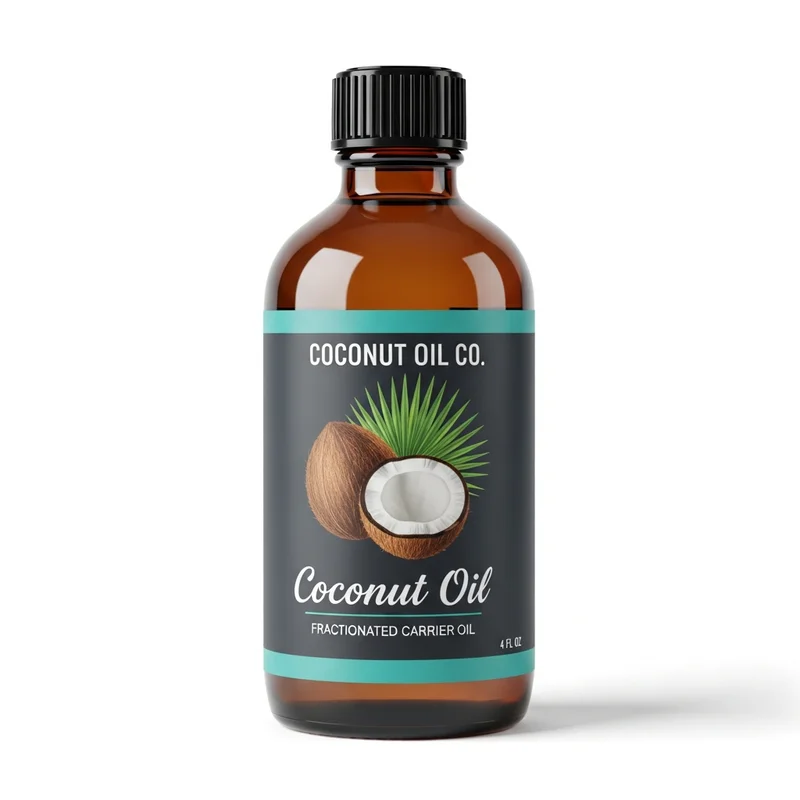
Fractionated Coconut Oil
Our own Fractionated Coconut Oil, in sizes from 0.5 oz to bulk.
From $8.99
Shop Now →Why Athletes Reach for Coconut Oil
Coconut oil is solid at room temperature and melts on contact with skin, which is part of why it's popular as a natural chafing solution. Once it warms up, it spreads into a thin, slick film that sits between skin and fabric (or skin and skin) and reduces the direct friction that leads to raw patches. Its fatty acid profile, heavy in lauric and capric acid, gives it a texture that's rich without feeling greasy for long, and many athletes report it absorbs faster than thicker petroleum-based balms.
Some research suggests coconut oil may support skin barrier function and help skin retain moisture, which matters here because dry, friction-prone skin tends to break down faster during repetitive motion. That said, this is a lubrication and moisture-barrier story, not a medical one. Coconut oil is not a substitute for proper gear fit, moisture-wicking fabric, or a checkup with a healthcare provider if you're dealing with persistent skin irritation.
How Chafing Happens (and Why Lubrication Matters)
Chafing shows up wherever skin repeatedly rubs against skin or fabric over a long period. Add sweat and salt into the mix and the friction gets worse, because damp skin has more surface tension and drag than dry skin. Over an hour, two hours, or a full marathon, that repetitive rubbing wears down the outer layer of skin until it turns red, tender, and sometimes broken.
A thin oil layer changes the physics of that rubbing. Instead of skin dragging directly against skin or fabric, the two surfaces glide past each other. That's the entire mechanism behind coconut oil anti-chafe use: less direct contact, less heat, less irritation by the finish line.
Where Runners Commonly Apply It
- Inner thighs, the single most common chafing spot for runners of every body type
- Underarms, especially where sleeve seams or sports bra straps rub
- Chest and nipples, a notorious pain point on long runs, particularly for men in looser shirts
- Sports bra lines and bra band edges
- Waistbands where shorts or belts sit against skin
- Toes and feet where socks or shoe seams create pressure points
How to Apply Coconut Oil Before a Run or Workout
- Start with clean, dry skin. Applying oil over sweat or lotion residue reduces how well it adheres.
- Warm a small amount between your fingers until it melts to a liquid, then smooth it directly onto friction-prone areas.
- Use a light, even layer. More isn't better here. A thick coating can soak into clothing and leave it feeling damp.
- Reapply for long efforts. On runs over 90 minutes, carry a small travel tin or a coconut-oil-based balm stick to touch up at aid stations.
- Let it set for a minute before pulling on shorts or a sports bra, so the fabric doesn't wipe it straight off.
DIY Coconut Oil Anti-Chafe Balm Recipe
A lot of athletes prefer a firmer balm over straight oil because it stays put in a gym bag and doesn't liquefy in a hot car. Here's a simple version you can make at home.
Ingredients: 1/4 cup coconut oil, 2 tablespoons beeswax pellets, 1 tablespoon shea butter, optional: 5 to 8 drops of a skin-safe essential oil such as lavender for scent.
Method: Combine the coconut oil, beeswax, and shea butter in a heatproof jar and melt using a double boiler over low heat, stirring until fully combined. Remove from heat, stir in essential oil if using, and pour into small tins. Let cool completely before capping.
Safety notes for DIY balms: If you add essential oils, keep the total concentration under 1 percent of the finished balm (roughly 5 to 8 drops per 1/4 cup of base oils) to avoid skin sensitivity. Always do a patch test on your inner forearm 24 hours before applying a new blend to larger areas of skin, especially the chest or inner thighs, and stop use immediately if you notice redness, itching, or a rash. People with nut allergies should note that coconut is technically a drupe, not a tree nut, but should still check with an allergist if they have known sensitivities. Anyone with existing skin conditions should check with a healthcare provider before adding a new balm to their routine.
Coconut Oil vs Other Anti-Chafe Products
| Product Type | Texture | Best For | Considerations |
|---|---|---|---|
| Coconut Oil | Light, melts on contact | Short to mid-distance runs, everyday use | Can stain light-colored fabric if overapplied |
| Petroleum-Based Balm | Thick, very slick | Ultra-long distances, heavy sweat | Greasy feel, harder to wash off skin |
| Talc or Body Powder | Dry, absorbs moisture | Humid climates, powder-preferring athletes | Some talc products carry separate health questions worth researching |
| Specialty Anti-Chafe Sticks | Solid, glides on | Race-day convenience, travel | Often pricier per use, ingredient lists vary widely |
Precautions and Who Should Be Cautious
Coconut oil is generally well tolerated on skin, but it isn't the right choice for everyone. Keep these points in mind:
- Patch test first. Apply a small amount to your inner forearm and wait 24 hours before using it on larger areas.
- Avoid broken or irritated skin. If a chafed area is already raw or open, check with a healthcare provider rather than applying any oil-based product.
- Watch for fabric buildup. Repeated use on the same gear can leave oily residue that affects how moisture-wicking fabric performs. Wash gear separately with a degreasing detergent as needed.
- Mind shower floors. Coconut oil residue can make tile or gym shower floors slippery. Rinse thoroughly after workouts.
- Consult a healthcare provider if you have a history of skin sensitivity, are pregnant, or are considering regular use over large areas of skin.
Tips for Long Runs and Hot Weather
Heat and humidity change how any lubricant performs. In warm weather, coconut oil melts almost instantly, which makes application easy but also means it can wear off faster under heavy sweat. Runners tackling long distances in hot conditions often carry a small tin or balm stick specifically for reapplication around the halfway point. Pairing coconut oil with moisture-wicking fabric, rather than cotton, also cuts down on how much friction builds up in the first place. Cotton holds sweat against skin, which increases drag exactly where you're trying to reduce it.
Some runners layer their approach: a firmer balm at the start line for staying power, then a quick reapplication of straight coconut oil at an aid station when things start to feel tight. People report this two-step method holds up better over four-plus hour efforts than a single application of anything.
Frequently Asked Questions
Is coconut oil safe to use every day before workouts?
Many athletes use it regularly without issue, but daily use on the same skin area is worth monitoring. If you notice ongoing irritation, scale back frequency or check with a healthcare provider.
Will coconut oil stain my running clothes?
Light staining is possible, especially on white or pale synthetic fabric, if you apply more than a thin layer. Using a modest amount and letting it absorb for a minute before dressing helps minimize this.
Can I use coconut oil for chafing on sensitive areas like nipples or underarms?
Many runners do, and it's one of the more commonly reported uses. Still, patch test first, since skin sensitivity varies by area and by person.
How does coconut oil compare to commercial anti-chafe sticks?
Commercial sticks are formulated for staying power and convenience during a race, while coconut oil is a simpler, single-ingredient natural chafing solution that many athletes already keep in their kitchen. Some combine both, using a stick for race day and coconut oil for daily training.
What should I do if chafing already happened?
Clean the area gently, let it air out, and avoid tight clothing over it until it looks fully settled. If the skin is broken, bleeding, or shows signs of worsening irritation, a healthcare provider is the right resource, not a home application of any oil or balm.