Coconut Oil for Dry Elbows and Knees: Quick Softening Routine
Elbows and knees take a beating. They bend thousands of times a day, press against hard surfaces, and get far less attention in a skincare routine than the face or hands. The result? Patches of rough, flaky skin that can feel almost sandpaper-like by the end of winter. Coconut oil dry elbows and knees routines have become a go-to for people who want a straightforward, affordable way to bring some softness back to those neglected spots.
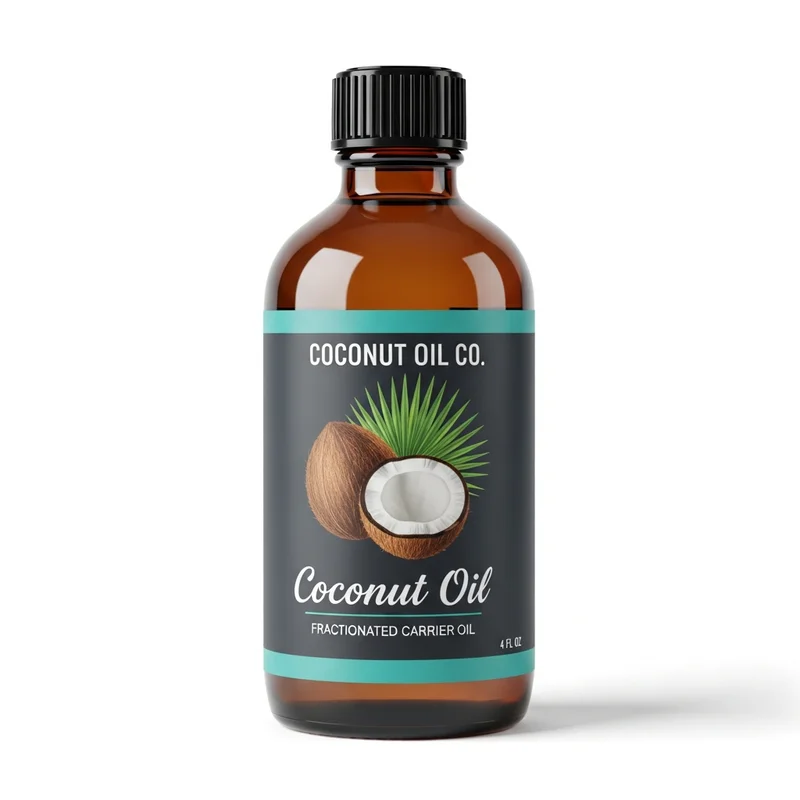 Fractionated Coconut Oil
Our own Fractionated Coconut Oil, in sizes from 0.5 oz to bulk. From $8.99.
Shop Now →
Fractionated Coconut Oil
Our own Fractionated Coconut Oil, in sizes from 0.5 oz to bulk. From $8.99.
Shop Now →
This guide walks through exactly why these areas get so dry, what makes coconut oil a useful moisturizer for them, and how to build a simple daily or weekly routine that actually works.
Why Elbows and Knees Get So Dry
The skin over joints is structurally different from skin on flatter parts of the body. It needs extra flexibility, so it tends to be thicker. That thickness, combined with a relative shortage of oil-producing sebaceous glands in those areas, means moisture escapes more easily and is replaced more slowly.
A few other factors stack up against these spots:
- Friction: Leaning on desks, kneeling on floors, and rubbing against clothing all wear down the outer skin layer over time.
- Gravity: Moisturizers applied nearby tend to migrate away from the elbow and knee rather than pooling there.
- Neglect: Most people lotion their legs in broad strokes and skip the focused attention a rough knee patch actually needs.
- Seasonal changes: Cold air outside and heated air indoors both pull moisture out of skin rapidly.
None of these factors are permanent problems. Consistent moisture application can make a visible difference within a week or two for most people.
What Makes Coconut Oil Useful as a Body Moisturizer
Coconut oil is composed largely of medium-chain fatty acids, with lauric acid making up roughly 50% of its fat content. These fatty acids are relatively small molecules, which means they may penetrate the outer layers of skin more readily than some heavier oils with larger molecular structures.
Some research suggests that coconut oil may help reduce water loss from the skin's surface, a property known as occlusion. When applied to dry patches, it can form a light barrier that slows moisture evaporation while the skin's own repair processes work underneath.
As a coconut oil body moisturizer, it also has a few practical advantages:
- It is solid at room temperature but melts instantly on contact with skin, making it easy to apply in a controlled way.
- It absorbs reasonably well without leaving a heavy, greasy residue when used in small amounts.
- It has a mild, pleasant scent that many people find appealing without being overpowering.
- Virgin and cold-pressed versions contain naturally occurring polyphenols and vitamin E, which may support skin's surface condition over time.
It is worth noting that coconut oil works best for dry, rough skin patches. People with acne-prone skin should use it cautiously on the face, but for elbows and knees, clogged pores are rarely a concern.
Choosing the Right Coconut Oil for Skin Use
Not all coconut oil is the same. The label matters when you are applying something directly to your skin.
Virgin or Extra-Virgin Coconut Oil
This is cold-pressed from fresh coconut meat without high heat or chemical processing. It retains more of its natural compounds and carries that characteristic mild coconut scent. For skin use, this is generally the preferred option.
Refined Coconut Oil
Refined versions are processed at higher temperatures and may go through deodorizing or bleaching steps. They are more shelf-stable and nearly odorless. Some people prefer them for skin use precisely because they have no scent, but some of the naturally occurring compounds are reduced during processing.
Fractionated Coconut Oil
This is liquid at all temperatures because the long-chain fatty acids have been removed, leaving primarily caprylic and capric acid. It absorbs quickly, has an indefinite shelf life, and is a popular carrier oil for blending. It works well for quick applications but lacks the full fatty acid profile of virgin coconut oil.
For a coconut oil rough knees and elbows routine, virgin coconut oil is the most commonly recommended starting point. If the scent is an issue, a refined or fractionated version is a reasonable alternative.
The Basic Daily Softening Routine
This routine takes about two minutes and fits easily into a post-shower or bedtime wind-down habit.
What You Need
- Virgin or refined coconut oil (a pea-sized amount per joint is enough)
- Clean, slightly damp skin
- Optional: a soft dry cloth or old pair of socks or long pants if applying before bed
Step-by-Step
- Start with clean, damp skin. The best time to apply coconut oil is right after a shower or bath, while skin still has some surface moisture. Pat dry with a towel but leave skin slightly damp rather than bone dry. Moisture helps the oil lock in hydration rather than just sitting on the surface.
- Scoop a small amount of coconut oil. Use a clean finger or spatula to scoop roughly a pea-sized portion for each elbow or knee. A little goes further than you might expect.
- Warm it between your palms. Rub the oil between your hands for a few seconds until it melts into a thin liquid. This makes application smoother and more even.
- Apply with circular massage motions. Work the oil into the rough patch using small, firm circles. Spend about 30 seconds per spot. This helps the oil work into the skin's surface layers rather than just coating the top.
- Let it absorb. Give the area three to five minutes before pulling on clothes. For an overnight approach, apply right before bed and cover with light cotton pajamas or socks to protect your sheets and let the oil work undisturbed.
Consistency matters more than quantity. A thin layer applied every day will generally produce better results than a heavy application once a week.
The Weekly Deep Softening Ritual
Once a week, it is worth spending a few extra minutes on a more focused routine. This works especially well during colder months when roughness tends to be more pronounced.
Exfoliate First
Dry, flaky skin has a layer of dead cells sitting on top that can actually block moisture from reaching the skin below. A gentle scrub before applying coconut oil makes the moisturizing step noticeably more effective.
A simple DIY scrub uses ingredients you likely already have at home:
- 2 tablespoons of coconut oil
- 2 tablespoons of granulated sugar or fine sea salt
- Optional: a few drops of lemon juice for brightness
Mix together and apply to damp elbows and knees with gentle circular motions for about a minute. Rinse thoroughly. Safety note: Do not use this scrub on broken, irritated, or sunburned skin. If you have any known sensitivities to coconut oil or citrus, leave out the lemon juice and do a patch test on a small area before the first use. If redness or irritation develops, discontinue use and consult a qualified healthcare provider.
Follow with a Generous Oil Application
After exfoliating and rinsing, while skin is still warm and slightly damp, apply a slightly more generous layer of coconut oil. For this weekly session, use about twice the amount you would in your daily routine. Massage in slowly and let it absorb for at least ten minutes before dressing.
Optional Wrap Technique
For very rough patches, some people find the wrap approach useful. After applying the oil generously, wrap the elbow or knee loosely with a piece of plastic wrap or an old cotton cloth for 15 to 20 minutes. The warmth created helps the oil absorb more deeply. Remove the wrap, wipe off any excess oil, and go about your evening.
Combining Coconut Oil with Other Moisturizing Ingredients
Coconut oil pairs well with a few other common skin-supporting ingredients if you want to build a more targeted routine.
| Ingredient | Why It Pairs Well | How to Combine |
|---|---|---|
| Shea butter | Rich in fatty acids; may support the skin's outer layer alongside coconut oil | Mix equal parts, melt gently together, apply to joints |
| Aloe vera gel | Lightweight and hydrating; some research suggests it may help skin retain moisture | Apply aloe first, let it absorb, then seal with a thin layer of coconut oil |
| Vitamin E oil | An antioxidant that may support skin surface condition over time | Add two to three drops per tablespoon of coconut oil and mix well |
| Oat extract or colloidal oatmeal | May help calm the sensation of dry, uncomfortable skin | Use an oat-based lotion as a base layer, then apply coconut oil on top |
Patch test reminder: Any time you introduce a new combination of ingredients, test on a small patch of skin on your inner arm and wait 24 hours before applying to larger areas. Discontinue if any irritation appears.
Tips for Getting Better Results
Apply Right After Bathing
This is probably the single most impactful timing adjustment you can make. Skin that is still slightly damp from a shower absorbs oil-based moisturizers more effectively than skin that has fully dried out. Make it the last step in your post-shower routine before getting dressed.
Stay Hydrated
Topical moisturizers work from the outside in, but skin moisture is also supported from the inside. Drinking enough water throughout the day is a simple supporting habit that costs nothing.
Protect from Repeated Friction
If you regularly kneel or lean on hard surfaces, even small changes like a kneeling pad or a padded elbow rest can reduce how quickly roughness returns after softening.
Be Consistent for at Least Two Weeks
People who report the best results with coconut oil rough knees and elbows routines tend to stick with daily application for at least 10 to 14 days before judging effectiveness. Skin cell turnover takes time, and one application will not produce lasting change.
A Note on When to Seek Professional Guidance
For most people, dry elbows and knees are simply a moisture and friction issue that responds well to consistent moisturizing. However, if you notice significant cracking, persistent discomfort, unusual changes in skin texture or color, or if a patch does not respond to moisturizing over several weeks, it is a good idea to consult a qualified healthcare provider or dermatologist. They can assess whether something else may be contributing and recommend a more targeted approach.
Coconut oil is a supportive tool in a skincare routine, not a substitute for professional guidance when something unusual is going on with your skin.
Building This into a Routine That Sticks
The most effective skincare habit is one you actually maintain. For coconut oil dry elbows and knees care, the simplest approach is to keep a small jar in your bathroom right next to your other post-shower products. Visual cues matter. If you have to go searching for the oil, the habit is harder to sustain.
A once-daily application after your evening shower, combined with a weekly scrub and deeper moisture session, gives your skin regular input without requiring a complicated multi-step process. Soft elbows and knees are genuinely achievable with a few minutes of attention each day and the right ingredients on hand.