
Coconut Oil for Hemorrhoids: Gentle Relief Application Guide
If you've landed here, you're probably looking for a gentler approach to an uncomfortable situation. Coconut oil has become one of the most talked-about natural options for people dealing with the discomfort of swollen, irritated tissue in a very sensitive area. This guide walks through what coconut oil actually is, what the research observes, how people apply it, and the safety considerations you should know before trying it.
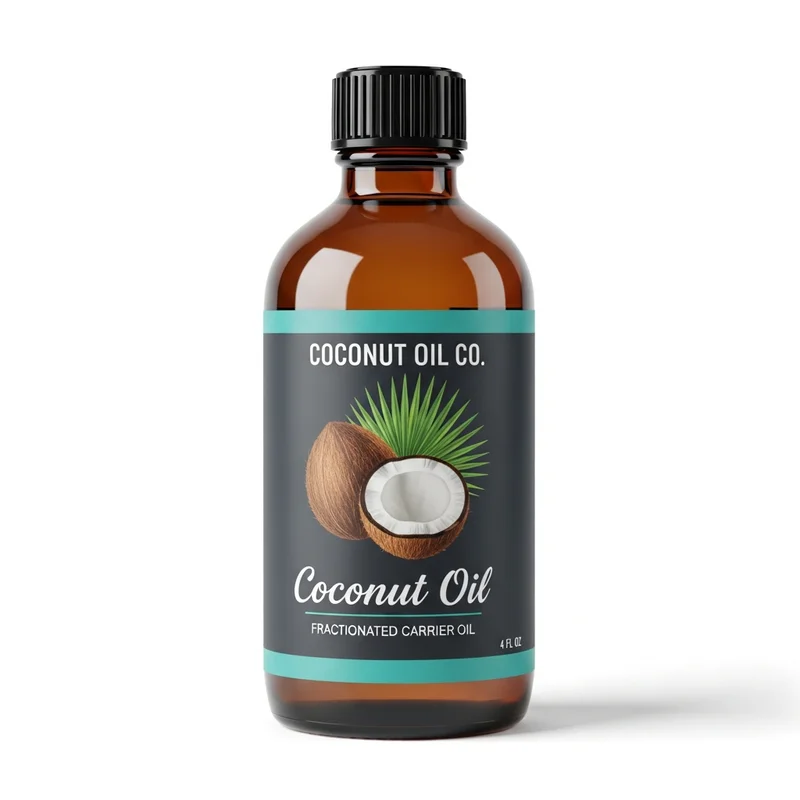 Fractionated Coconut Oil
Our own Fractionated Coconut Oil, in sizes from 0.5 oz to bulk. From $8.99.
Shop Now →
Fractionated Coconut Oil
Our own Fractionated Coconut Oil, in sizes from 0.5 oz to bulk. From $8.99.
Shop Now →
A quick note before we dive in: this article is for informational purposes only. Always consult a qualified healthcare provider before starting any new approach, especially for a condition that may require professional evaluation.
What Is Coconut Oil, and Why Are People Reaching for It?
Coconut oil is a plant-based fat extracted from the flesh of mature coconuts. It's rich in medium-chain fatty acids, particularly lauric acid, caprylic acid, and capric acid. These fatty acids give coconut oil a distinctive composition that sets it apart from most other oils.
At room temperature, coconut oil is solid and white. It melts quickly on contact with skin, which makes it easy to apply to sensitive areas without the mess associated with many commercial creams. It also has a mild, neutral scent in its refined form, or a light tropical note when unrefined.
People reach for coconut oil for piles and similar discomforts largely because of its texture, accessibility, and the growing body of informal reports from users who say it made their experience more manageable. It's inexpensive, widely available, and free from the synthetic additives found in many over-the-counter preparations.
For a broader look at what makes this oil so versatile across skin applications, explore our guide on coconut oil for skin.
What Does the Research Actually Say?
It's important to be honest here: direct clinical research specifically on coconut oil hemorrhoids use is limited. Most of what exists comes from studies on coconut oil's general properties as a topical application.
Some research suggests that coconut oil may support skin barrier function and moisture retention. A 2019 study published in the Journal of Traditional and Complementary Medicine observed that virgin coconut oil applied to skin showed positive outcomes related to hydration and surface condition. Researchers noted that the high lauric acid content appeared to interact favorably with skin proteins.
Other studies have explored the fatty acid profile of coconut oil in the context of skin comfort. Some findings suggest these medium-chain fatty acids may help promote a sense of soothed, less irritated skin, though researchers are careful to note that more targeted studies are needed.
What this means practically: coconut oil may offer a gentle, moisturizing effect on the delicate tissue in affected areas. People report that regular application seems to reduce the rough, dry sensation that often accompanies external swelling. That said, this is not a substitute for professional care, and results vary widely between individuals.
Types of Coconut Oil: Which One Should You Use?
Not all coconut oils are the same, and the type you choose matters for topical use.
Virgin (Unrefined) Coconut Oil
Extracted without high heat or chemical processing, virgin coconut oil retains the full spectrum of its naturally occurring compounds. Many people prefer this for skin applications because it hasn't been stripped of any of its original components. It has a mild coconut scent and is typically white or very slightly off-white when solid.
Refined Coconut Oil
Refined coconut oil goes through processing to remove impurities and neutralize the scent. It has a higher smoke point, which matters for cooking but less so for topical use. Some people with sensitive skin or scent sensitivities prefer refined oil for this purpose.
Fractionated Coconut Oil
Fractionated coconut oil stays liquid at room temperature because the long-chain fatty acids have been removed. It has a thinner consistency and a longer shelf life. Some people find it easier to apply in liquid form, though others prefer the melting, cushioning feel of solid coconut oil.
For most topical applications in sensitive areas, virgin coconut oil is generally the first recommendation among natural wellness communities, largely because it undergoes minimal processing. See our full breakdown in this virgin vs. refined coconut oil comparison.
How People Apply Coconut Oil for Piles: Step-by-Step
The following represents commonly reported application practices. This is not medical advice. If you have open wounds, significant bleeding, or are uncertain about what you're dealing with, please see a healthcare provider first.
What You'll Need
- High-quality virgin or refined coconut oil
- Clean cotton pads or soft, unscented wipes
- Clean hands (washed thoroughly with soap)
- A small, dedicated container if you prefer not to dip into your main jar
Step 1: Clean the Area Gently
Rinse the area with lukewarm water. Pat dry with a soft cloth or tissue. Avoid any rubbing or harsh wiping, which can aggravate already sensitized tissue. Some people find that a brief sitz bath (sitting in a shallow warm bath for 10 to 15 minutes) before applying coconut oil adds additional comfort.
Step 2: Take a Small Amount of Coconut Oil
Use clean fingers or a cotton pad to scoop a pea-sized to half-teaspoon amount of coconut oil. Less is usually enough to start. You can always apply a little more.
Step 3: Apply with Light Pressure
Gently apply coconut oil to the external affected area using your fingertip or a cotton pad. Use a light, dabbing motion rather than rubbing. The oil will melt almost immediately on contact with skin.
Some people also ask about internal application. This is a more sensitive topic. A small number of individuals report using coconut oil internally with a clean cotton swab, but this approach carries additional considerations around hygiene and is best discussed with a healthcare provider before attempting.
Step 4: Allow It to Absorb
Coconut oil absorbs relatively quickly. You don't need to wipe it away. Many people apply it before sleep or after bathing as part of their daily routine.
Step 5: Repeat as Part of a Daily Routine
Most people who report positive experiences with natural coconut oil hemorrhoid approaches apply the oil two to three times per day, particularly after each bowel movement and before bed. Consistency appears to matter more than any single heavy application.
Combining Coconut Oil with Other Natural Ingredients
Some people choose to blend coconut oil with other plant-based ingredients for added comfort. Here are a few combinations that come up frequently in natural wellness communities.
Coconut Oil and Aloe Vera
Pure aloe vera gel is widely known for its soothing properties on irritated skin. Mixing equal parts melted coconut oil and fresh aloe gel creates a lighter, cooling blend that some people find particularly pleasant during warmer months or during flare-up periods.
Coconut Oil and Witch Hazel
Witch hazel is a plant-derived liquid with a long history of traditional use on sensitive skin. Applying a small amount of witch hazel to the area before patting on coconut oil is a layering approach some people prefer. Note that witch hazel can have a drying effect for some skin types, so observe how your skin responds.
Coconut Oil with a Drop of Lavender Essential Oil
Lavender essential oil is one of the gentler essential oils reported to support skin comfort. If adding any essential oil to a blend for this sensitive area, dilution is critical. Never apply undiluted essential oils to mucous membranes or broken skin. A safe dilution for sensitive areas is typically 0.5 to 1 percent, which works out to roughly 3 to 6 drops of essential oil per 30 ml (two tablespoons) of carrier oil. Patch test on the inner forearm first and wait 24 hours before applying to a more sensitive location.
For more on working with essential oils safely, see our guide on using coconut oil as a carrier oil.
Safety Considerations and Who Should Be Cautious
Coconut oil is generally considered well-tolerated for topical use, but there are important points to keep in mind.
| Consideration | What to Know |
|---|---|
| Coconut allergy | Anyone with a known tree nut or coconut allergy should avoid coconut oil entirely and consult a provider. |
| Latex sensitivity | Some individuals with latex sensitivity also react to coconut. Patch test and seek professional guidance. |
| Hygiene | Always use clean hands or fresh cotton pads. Never double-dip into the main jar with contaminated applicators. Use a small scooped-out portion in a separate dish. |
| Bleeding | If you notice significant or persistent bleeding, do not rely on coconut oil. See a healthcare provider promptly. |
| Pregnancy and nursing | External topical use of coconut oil on skin is generally considered low-risk, but consult a provider before using any new product during pregnancy. |
| Contraceptive compatibility | Oil-based products, including coconut oil, can degrade latex condoms and dental dams. Keep this in mind for any application in that general area. |
Supporting Your Routine Beyond Topical Application
Most wellness practitioners agree that topical comfort alone addresses only part of the picture. Many people also incorporate coconut oil into their diet as part of a broader approach to digestive comfort and regularity.
Some research suggests that dietary coconut oil may support gut motility and moisture in the digestive tract, which could contribute to more comfortable bowel movements. A common starting amount people report using is one to two tablespoons daily, added to smoothies, coffee, or used in cooking. Start with a smaller amount, such as half a teaspoon, and increase gradually, as larger amounts of coconut oil introduced too quickly can cause loose stools in some people.
Alongside any topical or dietary approach, staying well hydrated and consuming adequate fiber are widely recommended for supporting regular, comfortable digestion. These aren't flashy additions to a routine, but they tend to make a meaningful practical difference.
Explore how coconut oil fits into daily nutrition in our article on adding coconut oil to your diet.
Frequently Asked Questions
How quickly might I notice a difference with coconut oil?
People report a wide range of experiences. Some notice a sense of improved comfort within a few days of consistent use. Others find it takes one to two weeks before they notice any change. Results vary based on individual skin type, the severity of swelling, and how consistently the oil is applied.
Can I use coconut oil alongside over-the-counter products?
This is worth checking with a pharmacist or healthcare provider, as some over-the-counter preparations contain active ingredients that may interact with or be diluted by an oil base. In general, applying coconut oil at a different time of day from medicated products is a common approach people take.
Is there a best type of coconut oil for this use?
Virgin coconut oil is the most commonly recommended for topical skin applications due to minimal processing. However, refined coconut oil works well for those who prefer a neutral scent. Either should be food-grade quality for use near mucous membranes.
Should coconut oil replace seeing a doctor?
No. Coconut oil is a supportive addition to a comfort routine, not a substitute for professional evaluation. Certain symptoms require prompt medical attention, including significant bleeding, severe discomfort, or any lump that seems unusual or doesn't resolve. Please consult a qualified healthcare provider.
Choosing a Quality Coconut Oil
Not every jar on the shelf is equal. When selecting coconut oil for topical use in sensitive areas, look for the following:
- Organic certification: Reduces the likelihood of pesticide residues on the skin.
- Cold-pressed or expeller-pressed labeling: Indicates lower-heat extraction that preserves more of the oil's natural compounds.
- Minimal ingredients: The label should say only "coconut oil" with no added preservatives, fragrances, or fillers.
- Glass or BPA-free packaging: Better for storage integrity and reduces chemical migration from plastic.
- Clear color when melted: High-quality virgin coconut oil should appear clear to very pale yellow when fully melted, not murky or cloudy.
Our full purchasing guide covers these criteria in more detail: how to choose the right coconut oil.
Putting It All Together
Coconut oil has earned its place in many people's natural comfort routines, and the anecdotal support for its use in sensitive skin situations is substantial. The science on general skin moisturization and fatty acid composition is encouraging, even if targeted research on coconut oil hemorrhoid applications is still in early stages.
Used correctly, with clean application practices, appropriate expectations, and as a complement to professional guidance rather than a replacement for it, coconut oil can be a gentle and practical part of a broader self-care approach. Start slowly, observe how your body responds, and never hesitate to reach out to a healthcare provider if symptoms persist or worsen.