
Coconut Oil for Nosebleeds and Dry Nasal Passages: ENT Tips
If you've typed "coconut oil dry nose" into a search bar at 2 a.m. because your nostrils feel like sandpaper, you're not alone. Dry, cracked nasal tissue is one of those small discomforts that gets worse the more you notice it, and it often shows up right alongside the occasional nosebleed. Coconut oil has become a go-to household staple for dry skin, chapped lips, and cuticles, so it makes sense that people are reaching for the same jar to soothe their nose. Here's what's actually going on in your nasal passages, how people are using coconut oil as a nasal moisturizer, and what ENT clinicians tend to say about keeping that delicate tissue comfortable.
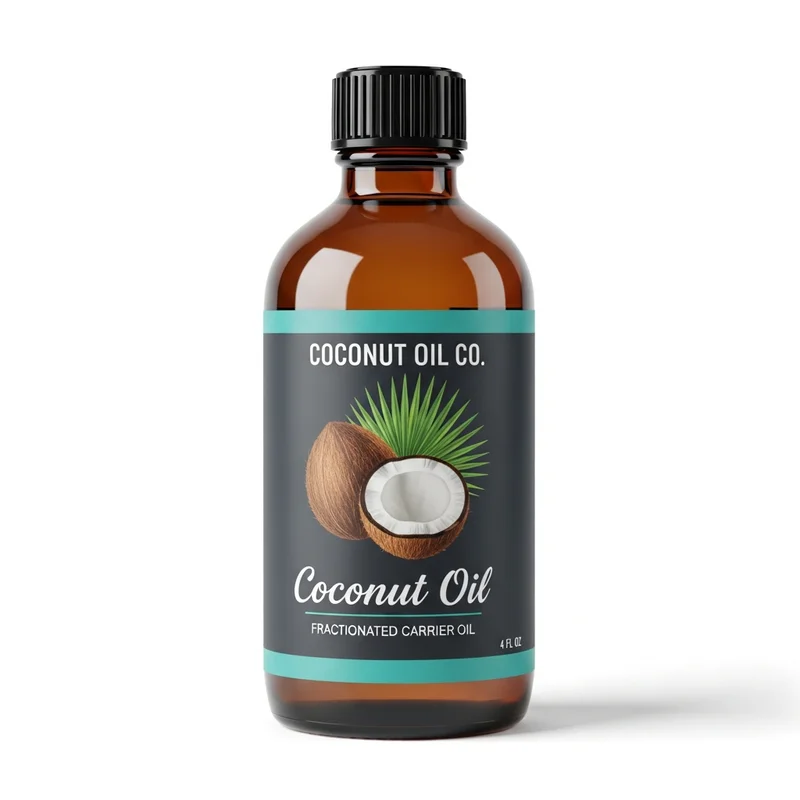
Fractionated Coconut Oil
Our own Fractionated Coconut Oil, in sizes from 0.5 oz to bulk.
From $8.99
Shop Now →Why Nasal Passages Get Dry in the First Place
The inside of your nose is lined with a thin, moist layer of tissue that depends on humidity and steady airflow to stay comfortable. When that balance gets disrupted, dryness follows, and sometimes so does light bleeding. A few common culprits:
- Indoor heating and air conditioning. Forced-air systems strip moisture out of indoor air, especially in winter months.
- Low humidity climates. High altitude and arid regions naturally have less moisture in the air to begin with.
- Frequent nose-blowing. Repeated friction from tissues can wear down the tissue lining faster than it can recover.
- Long flights. Airplane cabins run notoriously dry, which is why so many travelers land with a scratchy nose.
- Overuse of certain nasal sprays. Some over-the-counter sprays can leave nasal tissue drier with repeated use, particularly beyond the timeframe listed on the label.
Once the lining dries out, it becomes more fragile. Small blood vessels sitting close to the surface, particularly toward the front of the nose, can crack open with something as minor as a sneeze, a bit of pressure, or dry winter air. That's the mechanism behind a lot of everyday, low-drama nosebleeds.
Where Coconut Oil Fits as a Nasal Moisturizer
Coconut oil is an emollient, meaning it sits on the surface of skin and mucous membranes and helps slow moisture loss. That's the same property that makes it popular for dry elbows and windburned cheeks, and it's the reason people have started applying a small amount just inside the rim of the nostril. Some research on coconut oil's fatty acid profile, largely lauric acid, points to properties that make it a stable, shelf-friendly oil for topical use, though this research is early and mostly conducted outside of clinical nasal-care settings. Anecdotal evidence suggests a thin layer can help the area feel less tight and flaky, especially during dry, cold months.
It's worth being clear about what coconut oil is not. It is not a substitute for a nasal saline rinse, a humidifier, or a conversation with a healthcare provider if dryness or bleeding is frequent or severe. Think of it as one small tool in a broader nasal comfort routine, not a stand-alone fix.
Coconut Oil and Occasional Nosebleeds: What ENT Clinicians Often Suggest
Ear, nose, and throat specialists frequently point out that most everyday nosebleeds trace back to dry, irritated tissue rather than anything more serious. Because of that, keeping the nasal lining supple is a common piece of general advice, and some clinicians mention a light coating of a plain, unscented oil as one option among several, alongside saline gel, saline spray, or a humidifier running overnight. This is general nasal-comfort guidance, not a claim that coconut oil stops bleeding once it starts.
If a nosebleed does happen, the standard first step is to sit upright, lean slightly forward (not back), and pinch the soft part of the nose for a full ten to fifteen minutes without checking too early. If bleeding continues past twenty minutes, happens frequently, or follows a fall or injury to the face, that's a signal to check in with a doctor rather than rely on any home approach.
Nasal dryness and occasional light nosebleeds are common and often related to indoor air quality, but frequent or heavy nosebleeds deserve an evaluation from a qualified healthcare provider rather than a home routine alone.
How to Use Coconut Oil for Nasal Dryness at Home
If you want to try coconut oil as part of your nasal moisture routine, a little goes a long way. Here's a simple approach people commonly use:
- Wash your hands first. The inside of your nose is sensitive tissue, so cleanliness matters.
- Use a clean cotton swab. Dip it lightly into softened or liquid coconut oil, just enough to lightly coat the tip.
- Apply only to the visible rim of the nostril. Gently swipe the inside edge you can easily reach. There's no need to push the swab deep into the nasal cavity.
- Repeat once or twice a day. Many people find applying it before bed and again in the morning is enough during especially dry stretches.
- Watch how your body responds. If you notice increased irritation, sneezing, or discomfort, stop and rinse the area gently with water.
A little coconut oil placed carefully near the entrance of the nostril is different from packing oil deep into the nasal passage, which isn't necessary and can make it harder to breathe comfortably through your nose while it settles.
Choosing the Right Coconut Oil
Not all coconut oil behaves the same way once it's on your skin, and that matters for a use case this delicate.
| Type | Texture | Best for nasal use |
|---|---|---|
| Virgin coconut oil | Solid below 76°F, melts on contact with skin | Good option, warm a small amount between fingertips first |
| Fractionated coconut oil | Liquid at room temperature | Easiest to apply precisely with a swab or dropper |
| Refined coconut oil | Solid, neutral scent | Workable, but check the label for added fragrance |
Fractionated coconut oil tends to be the most practical pick for this specific purpose since it stays liquid and spreads thin without needing to be warmed first. Whichever type you choose, look for unscented, minimally processed oil with no added fragrance oils, since fragrance additives are more likely to irritate already-sensitive nasal tissue.
Safety Notes and When to Loop In a Doctor
A few precautions worth keeping in mind before adding coconut oil to your nasal routine:
- Patch test first. Apply a small amount to the skin just outside your nostril and wait 24 hours to check for irritation before applying it closer to the nasal opening.
- Skip it if the skin is broken. Wait until any active bleeding or cracked skin has settled before applying oil to the area.
- Use sparingly. A thin layer is plenty. Excess oil can drip or feel heavy.
- Check with a provider if you have a coconut sensitivity. Anyone with a known reaction to coconut-derived products should avoid nasal application altogether.
- Don't use it in place of medical guidance. If nosebleeds are frequent, heavy, or paired with other symptoms, a healthcare provider can look for an underlying cause that a home routine won't address.
Coconut oil is a low-cost, widely available option for a common seasonal annoyance, but it works best as a small part of a bigger nasal comfort picture that includes a humidifier, hydration, and gentle nose care habits.
Frequently Asked Questions
Does coconut oil stop a nosebleed once it starts?
No. Coconut oil is used as a moisturizer for dry nasal tissue between episodes, not as a way to stop active bleeding. For an active nosebleed, sit upright, lean forward, and pinch the soft part of the nose for ten to fifteen minutes.
Can I apply coconut oil inside my nose every day?
Many people use a small amount daily during dry seasons without issue, applying it only to the reachable rim of the nostril. If you notice ongoing irritation, scale back frequency or check with a healthcare provider.
Is coconut oil safe as a nasal moisturizer for kids?
Because children's nasal tissue is more sensitive and harder for them to describe discomfort accurately, it's best to check with their pediatrician before starting any home nasal routine, coconut oil included.
What's the difference between coconut oil and saline gel for nasal dryness?
Saline gel adds moisture directly and is specifically formulated for nasal tissue. Coconut oil works differently, forming a light barrier that may help slow moisture loss. Some people use both, applying saline first and a thin layer of oil afterward.
The Takeaway
Dry, irritated nasal passages and the occasional light nosebleed usually come down to environmental factors like indoor heat, low humidity, and dry air, not anything alarming on their own. Coconut oil, used sparingly as a nasal moisturizer along the visible rim of the nostril, is one option among several that people build into their seasonal comfort routine. Pair it with a humidifier and plenty of water, keep an eye on how your body responds, and reach out to a qualified healthcare provider if bleeding becomes frequent, heavy, or doesn't resolve with gentle pressure.