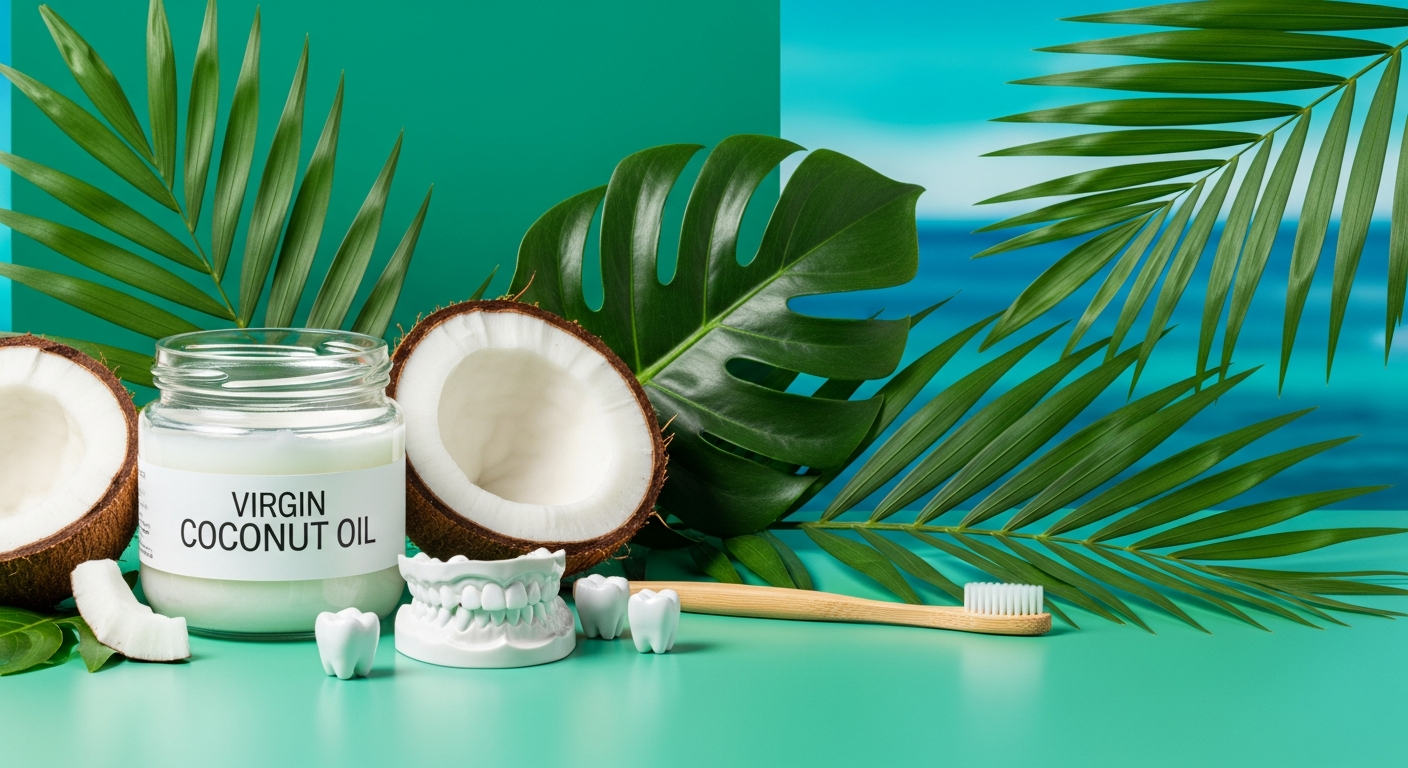
Coconut Oil for Teeth Whitening: Methods, Safety, and What Dentists Think
Key Takeaways
- Coconut oil may support oral hygiene through traditional practices like oil pulling
- Some research suggests coconut oil's antimicrobial properties could help maintain oral health
- Dentists generally view coconut oil as a supplementary practice, not a replacement for professional care
- Natural whitening approaches work differently than commercial products and may take longer to show results
- Always consult with a dental professional before making significant changes to your oral care routine
Table of Contents
- Understanding Coconut Oil Teeth Whitening
- The Science Behind Coconut Oil and Oral Care
- Oil Pulling: The Primary Method
- Other Coconut Oil Whitening Methods
- Safety Considerations and Potential Side Effects
- What Dental Professionals Actually Think
- Natural vs. Commercial Whitening: A Reality Check
- Best Practices for Implementation
Understanding Coconut Oil Teeth Whitening
The concept of using coconut oil for teeth whitening has gained significant attention in recent years, driven by the growing interest in natural oral care alternatives. This practice primarily centers around the ancient Ayurvedic technique called oil pulling, though several variations have emerged in modern wellness circles.
Fractionated Coconut Oil
Our own Fractionated Coconut Oil, in sizes from 0.5 oz to bulk.
From $8.99
Shop Now →Coconut oil teeth whitening doesn't work the same way as commercial whitening products. While conventional treatments often use peroxide-based compounds to bleach stains from tooth enamel, coconut oil may support oral health through different mechanisms that some people report as contributing to a brighter smile.
What Makes Coconut Oil Different
Coconut oil contains several compounds that distinguish it from other oils used in oral care:
- Lauric acid (approximately 50% of coconut oil's fatty acid content)
- Capric acid (around 7% of fatty acid content)
- Caprylic acid (roughly 8% of fatty acid content)
- Medium-chain triglycerides (MCTs) that may have antimicrobial properties
These naturally occurring compounds have been studied for their potential antimicrobial effects, though research specifically on teeth whitening remains limited.
Historical Context and Traditional Use
Oil pulling, known as "kavala" or "gundusha" in traditional Ayurvedic medicine, has been practiced for thousands of years. Historically, sesame oil was most commonly used, but coconut oil has become popular due to its pleasant taste and purported antimicrobial properties.
Traditional practitioners believed this practice helped maintain overall oral health, though it's important to note that historical use doesn't necessarily translate to scientifically proven effectiveness for teeth whitening specifically.
The Science Behind Coconut Oil and Oral Care
While research specifically on coconut oil teeth whitening is limited, several studies have examined coconut oil's potential effects on oral health markers.
Antimicrobial Properties Research
Some laboratory studies suggest that coconut oil, particularly its lauric acid content, may exhibit antimicrobial activity against certain bacteria commonly found in the mouth. A 2014 study published in the Journal of Contemporary Dental Practice observed that coconut oil showed antimicrobial activity against Streptococcus mutans, a bacteria associated with tooth decay.
However, it's crucial to understand that antimicrobial activity in a laboratory setting doesn't automatically translate to teeth whitening effects in real-world use.
Oil Pulling Research Findings
Several small-scale studies have examined oil pulling with various oils, including coconut oil:
| Study Year | Participants | Duration | Observed Effects | Limitations |
|---|---|---|---|---|
| 2017 | 60 participants | 30 days | Potential reduction in plaque formation | Small sample size, short duration |
| 2018 | 40 participants | 21 days | Some improvement in gum health markers | No control group, subjective measures |
| 2020 | 75 participants | 45 days | Reported improvements in oral hygiene scores | Self-reported outcomes, no standardized whitening measurement |
Note: These studies focused primarily on oral health markers rather than teeth whitening specifically.
The Whitening Mechanism Theory
Proponents of coconut oil for white teeth suggest several potential mechanisms:
- Plaque removal: The swishing action may help remove surface stains trapped in plaque
- Bacterial reduction: Fewer harmful bacteria might lead to less stain-causing buildup
- Oil lifting: The oil may help lift surface stains through mechanical action
- pH balance: Some suggest coconut oil might help maintain oral pH, though evidence is limited
It's important to emphasize that these are theoretical mechanisms, and more research is needed to establish any direct whitening effects.
Oil Pulling: The Primary Method

Oil pulling teeth whitening represents the most traditional and widely discussed method of using coconut oil for oral care. This practice involves swishing oil in your mouth for an extended period, typically 15-20 minutes.
Step-by-Step Oil Pulling Process
For those interested in trying coconut oil pulling, here's the traditional method:
- Choose your timing: Most practitioners prefer doing this on an empty stomach, typically first thing in the morning
- Measure the oil: Start with 1 teaspoon of organic, unrefined coconut oil
- Warm if needed: If the oil is solid, let it melt in your mouth for a few seconds
- Begin swishing: Gently move the oil around your mouth, pulling it through your teeth
- Continue for 15-20 minutes: Avoid swallowing the oil during this time
- Spit into trash: Never spit coconut oil into drains as it can solidify and cause clogs
- Rinse with warm water: Clean your mouth thoroughly
- Brush normally: Follow with your regular oral hygiene routine
Important Safety Notes for Oil Pulling
⚠️ Safety Warnings:
- Never swallow the oil during or after pulling - it may contain bacteria and toxins
- Start with shorter durations (5-10 minutes) and gradually increase
- If you experience jaw soreness, reduce the duration or take breaks
- Stop immediately if you experience any adverse reactions
- This practice should supplement, not replace, regular dental care
Variations in Oil Pulling Technique
Some practitioners have adapted the traditional method:
- Duration variations: Some start with 5 minutes and gradually work up to 20
- Oil blending: Mixing coconut oil with small amounts of essential oils (though this requires careful consideration of safety)
- Temperature preferences: Some prefer slightly warmed oil for easier swishing
- Frequency adjustments: Daily practice vs. several times per week
For more detailed guidance on proper technique, see our comprehensive guide on how to do oil pulling correctly.
Other Coconut Oil Whitening Methods
Beyond traditional oil pulling, several other methods using coconut oil have emerged in natural health communities. It's important to approach these alternatives with caution and understand their limitations.
Coconut Oil Toothpaste
Some people create homemade toothpaste using coconut oil as a base ingredient:
Basic Recipe:
- 2 tablespoons coconut oil (melted)
- 2 tablespoons baking soda
- 10-15 drops peppermint essential oil (optional)
⚠️ Important Considerations:
- Homemade toothpastes lack fluoride, which dentists generally recommend for cavity prevention
- Baking soda can be abrasive to tooth enamel if used too frequently
- Essential oils must be properly diluted and some can be irritating
- These mixtures haven't undergone safety or efficacy testing like commercial products
Coconut Oil and Turmeric Combinations
Some natural health enthusiasts combine coconut oil with turmeric for purported whitening effects:
Typical mixture:
- 1 teaspoon coconut oil
- 1/4 teaspoon turmeric powder
- Few drops of peppermint oil
Application method: Applied to teeth like a paste and left for 3-5 minutes before rinsing.
Important warnings:
- Turmeric can stain surfaces, clothing, and potentially teeth yellow
- No scientific evidence supports this combination for teeth whitening
- May cause temporary yellow staining that requires thorough removal
- Some people may be allergic to turmeric
Coconut Oil Mouth Rinse
A less intensive approach involves using diluted coconut oil as a mouth rinse:
Method:
- Melt 1 teaspoon coconut oil
- Mix with 1/4 cup warm water
- Add a pinch of sea salt (optional)
- Swish for 2-3 minutes
- Spit out and rinse with plain water
This method is gentler than traditional oil pulling but may be less effective according to anecdotal reports.
Safety Considerations and Potential Side Effects
While coconut oil is generally considered safe for most people, using it for natural teeth whitening does come with several important safety considerations.
Common Side Effects and Reactions
People who try coconut oil for oral care may experience:
Mild Side Effects:
- Jaw soreness: From extended swishing motions
- Nausea: Especially when first starting oil pulling
- Upset stomach: If oil is accidentally swallowed
- Increased thirst: Some report feeling dehydrated after oil pulling
More Serious Concerns:
- Lipoid pneumonia: Rare but serious condition if oil is aspirated into lungs
- Allergic reactions: Some people may be allergic to coconut oil
- Digestive issues: If significant amounts are swallowed regularly
Who Should Avoid Coconut Oil Oral Care
Certain individuals should exercise extra caution or avoid these practices entirely:
- Coconut allergies: Anyone with known coconut sensitivities
- Tree nut allergies: Though coconuts are technically fruits, some with tree nut allergies may react
- Children under 5: Risk of swallowing or aspiration
- Pregnancy/breastfeeding: Limited research on safety during these periods
- Swallowing difficulties: Those with dysphagia or similar conditions
- Active oral infections: Should be treated professionally first
Interaction with Dental Work
Consider these factors if you have dental work:
- Dental adhesives: Oil pulling might affect some temporary dental adhesives
- Recent procedures: Wait for soothing after extractions, implants, or oral surgery
- Orthodontics: May be more difficult to perform effectively with braces
- Temporary fillings: Could potentially affect temporary dental materials
Signs to Stop Immediately
Discontinue coconut oil oral practices if you experience:
- Persistent nausea or vomiting
- Severe jaw pain or TMJ symptoms
- Skin reactions around the mouth
- Respiratory difficulties
- Worsening of existing oral health problems
- Any signs of allergic reaction
Professional Consultation Recommended: Always consult with a qualified dental professional before starting any new oral care regimen, especially if you have existing dental conditions, take medications, or have concerns about oral health.
What Dental Professionals Actually Think

The dental community's perspective on coconut oil teeth whitening is nuanced, with opinions ranging from cautious interest to skeptical concern about unrealistic expectations.
Professional Organizations' Positions
Major dental organizations have generally taken measured positions:
- American Dental Association (ADA): Has not endorsed oil pulling, citing insufficient evidence
- Canadian Dental Association: Suggests more research is needed before recommending the practice
- British Dental Association: Emphasizes that oil pulling should not replace conventional oral hygiene
Common Dental Professional Perspectives
Supportive Views:
Some dentists who view the practice more favorably often note:
- "Oil pulling may help some patients maintain better oral hygiene habits"
- "If it encourages people to spend more time on oral care, that could be beneficial"
- "The mechanical action of swishing may help remove some surface debris"
- "As a supplementary practice alongside regular dental care, it's generally harmless for most people"
Skeptical Views:
Dentists with concerns typically point to:
- "There's no scientific evidence that oil pulling whitens teeth significantly"
- "Patients may delay necessary professional approach while trying natural methods"
- "The time spent oil pulling could be better used with proven oral hygiene practices"
- "Marketing often oversells the benefits compared to what research actually shows"
What Dentists Recommend Instead
Most dental professionals emphasize proven whitening and oral health approaches:
For Whitening:
- Professional treatments: In-office bleaching procedures
- Dentist-prescribed products: Professional-grade whitening trays or strips
- ADA-accepted products: Over-the-counter options with proven safety and efficacy
- Preventive care: Regular cleanings to remove surface stains
For General Oral Health:
- Fluoride toothpaste: Twice daily brushing
- Daily flossing: Removing plaque between teeth
- Antimicrobial mouthwash: ADA-accepted formulations
- Regular dental visits: Professional cleaning and examinations
Dental Professional Concerns
Key concerns expressed by dental professionals include:
- Delayed approach: Patients might postpone necessary dental care
- False expectations: Overstated whitening claims in popular media
- Incomplete oral care: Using oil pulling as a replacement rather than supplement
- Lack of standardization: No regulated dosing, duration, or quality standards
- Research gaps: Limited long-term safety and efficacy data
Finding Dental Professionals Open to Natural Approaches
If you're interested in incorporating coconut oil for oral health into your routine:
- Look for dentists who practice integrative or holistic dentistry
- Ask about their experience with patients using natural oral care methods
- Discuss your interest in natural approaches during consultations
- Ensure they support evidence-based practices alongside traditional treatments
Natural vs. Commercial Whitening: A Reality Check
Understanding the differences between natural teeth whitening methods like coconut oil and commercial whitening products helps set realistic expectations.
How Commercial Whitening Works
Professional and over-the-counter whitening products typically use:
- Hydrogen peroxide: Penetrates enamel to break down stains at the molecular level
- Carbamide peroxide: Breaks down into hydrogen peroxide and urea
- Controlled concentrations: Precisely formulated for safety and efficacy
- Regulated ingredients: FDA oversight for safety and labeling accuracy
Effectiveness Comparison
| Method | Speed of Results | Degree of Whitening | Duration of Effects | Cost Range |
|---|---|---|---|---|
| Professional In-Office | Immediate (1 session) | 3-8 shades lighter | 1-3 years | $300-$1,000 |
| Professional Take-Home | 1-2 weeks | 2-6 shades lighter | 6 months-2 years | $100-$400 |
| OTC Strips/Gels | 1-3 weeks | 1-4 shades lighter | 3-6 months | $20-$100 |
| Coconut Oil Methods | 4-8 weeks (if any) | Minimal visible change | Unknown | $5-$15 |
Note: Results vary significantly between individuals and depend on the type and severity of stains.
Types of Stains and Approach Response
Different staining responds differently to various treatments:
Surface Stains (Extrinsic):
- Causes: Coffee, tea, wine, tobacco, food
- Coconut oil response: May help with very light surface debris removal
- Commercial approach response: Usually responds well to most whitening methods
Deep Stains (Intrinsic):
- Causes: Aging, medication, trauma, genetics
- Coconut oil response: Unlikely to show noticeable improvement
- Commercial approach response: May require professional approach or cosmetic dentistry
Realistic Expectations for Natural Methods
For those considering coconut oil teeth whitening, realistic expectations include:
- Primary benefit: May support overall oral hygiene habits
- Whitening effect: Minimal visible change, if any
- Timeline: Any changes would likely take months of consistent use
- Best candidates: Those with minimal staining and good baseline oral health
- Supplementary role: Works best alongside, not instead of, proven methods
Best Practices for Implementation
For those who choose to explore coconut oil as part of their oral care routine, following best practices can help maximize potential benefits while minimizing risks.
Choosing Quality Coconut Oil
Not all coconut oils are created equal for oral use:
Recommended Characteristics:
- Organic certification: Reduces exposure to pesticides and chemicals
- Unrefined (virgin): Retains more of the naturally occurring compounds
- Cold-pressed: Preserves beneficial properties better than heat-processed oils
- Glass containers: Avoids potential plastic contamination
- Reputable brands: Choose companies with good quality control practices
What to Avoid:
- Refined coconut oil (may have fewer beneficial compounds)
- Products with added ingredients unless specifically intended for oral use
- Oils stored in damaged or compromised containers
- Products without clear sourcing information
Creating a Routine
If incorporating coconut oil into your oral care:
Weekly Schedule Example:
- Beginners: 3 times per week, 5-10 minutes
- Experienced users: Daily, 15-20 minutes
- Maintenance: 3-4 times per week, 15 minutes
Daily Routine Integration:
- Morning: Oil pulling (if chosen) before eating or drinking
- Regular brushing: With fluoride toothpaste after oil pulling
- Evening routine: Standard brushing and flossing
- Professional care: Regular dental cleanings and check-ups
Tracking and Evaluation
Monitor your experience objectively:
What to Track:
- Oral comfort: Any changes in gum sensitivity or mouth feel
- Hygiene markers: Plaque buildup, breath freshness
- Professional feedback: Dental hygienist and dentist observations
- Photos: Consistent lighting and angles for comparison
- Duration and frequency: How often and for how long you practice
Red Flags to Watch For:
- Worsening of gum health
- Increased tooth sensitivity
- Persistent bad breath
- Any signs of oral irritation
- Decreased motivation for proven oral hygiene practices
Combining with Professional Care
Successful integration requires coordination with professional dental care:
- Inform your dentist: Always mention your use of coconut oil during appointments
- Follow professional recommendations: Don't replace prescribed treatments
- Schedule regular cleanings: Maintain your typical preventive care schedule
- Address concerns promptly: Seek professional help for any oral health changes
Cost-Benefit Analysis
Consider the full picture when evaluating coconut oil for oral care:
Potential Benefits:
- Relatively low cost
- May improve oral hygiene habits
- Generally safe for most people
- Pleasant taste compared to some alternatives
- May provide sense of natural wellness practice
Limitations:
- Time-intensive (15-20 minutes daily)
- Limited scientific evidence for whitening
- Not a replacement for proven methods
- Results, if any, are gradual and subtle
- Requires consistent long-term commitment
Final Recommendations
Based on available evidence and professional perspectives:
- Maintain realistic expectations: View coconut oil as a potential supplement to, not replacement for, proven oral care
- Prioritize proven methods: Continue regular brushing, flossing, and professional care
- Start gradually: Begin with shorter durations and less frequent use
- Monitor closely: Pay attention to any changes in oral health
- Consult professionals: Discuss your interest with dental care providers
- Stay informed: Keep up with emerging research on natural oral care methods
While coconut oil may offer some benefits for oral hygiene, those seeking significant teeth whitening results should consider proven professional or over-the-counter options. The most effective approach to oral health remains a combination of good daily hygiene, professional care, and realistic expectations about natural remedies.
Remember that individual responses to natural oral care methods can vary significantly
Fractionated Coconut Oil
Fractionated Coconut Oil from our own shop, in sizes from 0.5 oz to bulk.
From $8.99
Shop Now →