Coconut Oil for Type 4 Hair: A Moisture and Protective-Styling Guide
Type 4 hair—with its beautiful coils, kinks, and zigzag patterns—represents one of the most versatile and stunning hair textures. Yet it also presents unique care challenges that require thoughtful product selection and application techniques. Coconut oil has emerged as a popular natural option among those with Type 4 hair, particularly 4c textures, thanks to its unique molecular structure and potential moisture-supporting properties.
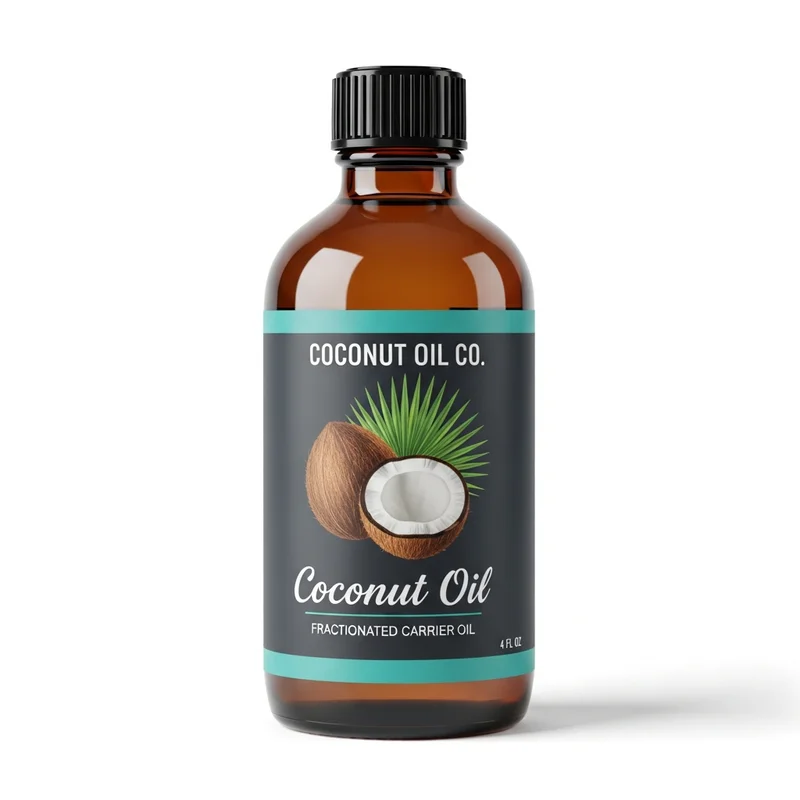 Fractionated Coconut Oil
Our own Fractionated Coconut Oil, in sizes from 0.5 oz to bulk. From $8.99.
Shop Now →
Fractionated Coconut Oil
Our own Fractionated Coconut Oil, in sizes from 0.5 oz to bulk. From $8.99.
Shop Now →
Understanding how to properly use coconut oil for 4c hair and other Type 4 variations can make the difference between lackluster results and truly transformative hair care. This comprehensive guide explores the science behind coconut oil's interaction with highly textured hair, practical application methods, and how to incorporate it into protective styling routines.
Understanding Type 4 Hair Structure
Before diving into coconut oil applications, it's essential to understand what makes Type 4 hair unique. This hair type is characterized by:
- Tight coil patterns that range from soft coils (4a) to z-pattern coils (4c)
- Elliptical cross-sections that create natural weak points along the hair shaft
- Fewer cuticle layers in some areas, making the hair more porous
- Natural bends and curves that can impede sebum distribution from scalp to ends
These structural characteristics mean that Type 4 hair often experiences:
- Increased fragility, especially when dry
- Higher porosity levels that affect moisture retention
- Greater susceptibility to breakage during manipulation
- Difficulty achieving even moisture distribution
Why Coconut Oil Appeals to Type 4 Hair
Research suggests that coconut oil's unique molecular composition may offer specific benefits for highly textured hair. A 2003 study published in the Journal of Cosmetic Science found that coconut oil demonstrated superior penetration into hair fibers compared to other oils, potentially due to its low molecular weight and straight linear chain structure.
For coconut oil type 4 hair applications, this penetrative ability may be particularly relevant because:
- Deep moisture support: The oil may help fill microscopic gaps in the hair cuticle
- Protein preservation: Some research indicates coconut oil may help reduce protein loss during washing
- Flexibility enhancement: Well-moisturized hair tends to be more flexible and less prone to breakage
- Scalp comfort: The oil's emollient properties may help soothe dry, irritated scalp conditions
The Science of Coconut Oil Penetration
What makes coconut oil potentially effective for Type 4 hair lies in its composition of medium-chain fatty acids, primarily lauric acid (45-48% of total content). These smaller molecules may penetrate the hair shaft more easily than the larger molecules found in many other natural oils.
However, it's important to note that hair porosity plays a crucial role in how any oil performs. High-porosity Type 4 hair may absorb coconut oil quickly but also lose moisture rapidly, while low-porosity hair might resist penetration initially but retain benefits longer once the oil is absorbed.
Application Techniques for Type 4 Hair
Successful coconut oil for 4c hair application requires understanding both timing and technique. The oil's solid state at room temperature (below 76°F) actually provides advantages for Type 4 hair care when used strategically.
Pre-Shampoo Treatment Method
This traditional technique may help protect hair during the cleansing process:
- Warm the oil: Melt 1-2 tablespoons of coconut oil in your palms or use gentle heat
- Section application: Divide hair into 4-8 sections depending on density
- Focus on mid-lengths and ends: Apply oil from ear level down, avoiding the scalp if you have oily tendencies
- Processing time: Allow 20-30 minutes for penetration before shampooing
- Gentle cleansing: Use a sulfate-free shampoo to remove the oil without stripping
Leave-In Moisture Sealing
Using coconut oil to seal in moisture after washing can help extend hydration:
- Start with damp hair: Apply to hair that's about 70-80% dry
- Use sparingly: A small amount (1/4 teaspoon for shoulder-length hair) goes far
- Warm application: Ensure oil is in liquid form for even distribution
- Focus on ends: Concentrate on the oldest, most fragile parts of your hair
Coconut Oil in Protective Styling
Protective styles are essential for Type 4 hair health, and coconut oil protective styles can work synergistically to maintain moisture and minimize manipulation damage. Here's how to incorporate coconut oil into various protective styling routines:
Twist-Outs and Braid-Outs
These styles benefit from coconut oil's hold-enhancing properties:
- Pre-styling prep: Apply a light layer to damp hair before twisting or braiding
- Sectioning aid: Use small amounts to smooth flyaways while creating sections
- Overnight protection: The oil may help prevent moisture loss during the setting process
- Refresh technique: Lightly dampen hands with oil-water mixture for touch-ups
Protective Updos
For buns, chignons, and pinned styles:
- Edge smoothing: Use minimal amounts to lay edges without weighing them down
- Tension relief: Apply to areas where accessories might cause stress
- Overnight maintenance: Light oil application can help prevent morning frizz
Long-Term Protective Styles
For braids, twists, and other extended wear styles:
- Pre-installation prep: Deep condition with coconut oil treatment before styling
- Scalp maintenance: Use oil-based scalp treatments weekly during wear
- Takedown preparation: Apply oil generously before removal to ease detangling
Customizing Coconut Oil for Different Type 4 Subtypes
While all Type 4 hair shares certain characteristics, the subtypes (4a, 4b, and 4c) may respond differently to coconut oil applications:
Type 4a Hair
With its softer coil pattern, 4a hair typically:
- May require lighter oil applications to avoid weighing down curls
- Often responds well to coconut oil as a finishing product
- Benefits from oil application on damp rather than wet hair
Type 4b Hair
The z-pattern of 4b hair means:
- May need more generous oil application due to pattern complexity
- Often benefits from sectioned application to ensure even distribution
- May require warming the oil for optimal penetration
Type 4c Hair
The tightest coil pattern often means:
- May benefit from more frequent oil applications
- Often requires the most prep time for oil penetration
- May need combination techniques (steaming, heat caps) for maximum benefit
Common Mistakes to Avoid

Even with the best intentions, certain practices can minimize coconut oil's effectiveness on Type 4 hair:
Overuse and Product Buildup
More isn't always better with coconut oil:
- Start small: Begin with minimal amounts and increase as needed
- Monitor buildup: Watch for signs like dull appearance or difficulty absorbing other products
- Clarify regularly: Use clarifying treatments monthly to remove accumulation
Temperature Misconceptions
- Avoid excessive heat: Don't use high temperatures to melt the oil, as this can alter its properties
- Room temperature storage: Keep oil in a cool, stable environment
- Application temperature: Body temperature warming is usually sufficient
Porosity Mismatches
- Test first: Perform strand tests to determine how your hair responds
- Adjust timing: High-porosity hair may need shorter processing times
- Layer strategically: Low-porosity hair may benefit from heat or steam during application
Complementary Ingredients and Techniques
Coconut oil often works synergistically with other natural ingredients popular in Type 4 hair care:
Moisture-Enhancing Combinations
- Aloe vera gel: May help improve oil distribution and add hydration
- Honey: Natural humectant properties may help attract and retain moisture
- Glycerin: Another humectant that may work well in humid conditions
Strengthening Additions
- Protein treatments: Alternate with coconut oil treatments for balanced care
- Rice water: Traditional strengthening treatment that may complement oil usage
- Green tea: Antioxidant properties may support overall hair health
Creating Your Type 4 Hair Routine
Developing an effective routine with coconut oil requires patience and observation. Here's a framework to get started:
Weekly Routine Structure
Wash Day (Every 7-10 days):
- Pre-shampoo coconut oil treatment (30 minutes)
- Gentle cleansing
- Deep conditioning
- Light coconut oil application as leave-in sealer
Mid-Week Maintenance:
- Light oil application to ends if needed
- Scalp massage with oil (if not prone to buildup)
- Protective style refresh with minimal oil use
Seasonal Adjustments
Type 4 hair needs change with weather conditions:
- Winter: May need more frequent oil applications due to dry indoor air
- Summer: Lighter applications may prevent overwhelming humidity-swollen hair
- Transitional seasons: Adjust based on your hair's response to changing conditions
Troubleshooting Common Issues
When coconut oil doesn't seem to be working as expected, consider these potential solutions:
Oil Not Absorbing
- Check hair porosity—low-porosity hair may need heat assistance
- Ensure proper oil temperature during application
- Consider clarifying treatments to remove buildup blocking absorption
Hair Feels Greasy
- Reduce application amount significantly
- Apply to damp rather than wet hair
- Focus on mid-lengths and ends only
No Visible Benefits
- Allow 4-6 weeks for noticeable changes
- Ensure consistent application techniques
- Consider your hair's individual needs—coconut oil isn't universal
Safety Considerations
While coconut oil is generally well-tolerated, some individuals may experience sensitivities:
- Patch test first: Apply a small amount to your forearm 24 hours before first use
- Monitor scalp response: Discontinue use if irritation occurs
- Quality matters: Choose unrefined, virgin coconut oil from reputable sources
- Storage safety: Keep oil in clean containers to prevent contamination
If you experience persistent scalp issues or unusual hair changes, consult with a qualified healthcare provider or dermatologist.
Conclusion
Coconut oil for Type 4 hair represents a time-tested approach to natural hair care that many people find beneficial when used thoughtfully. The key lies in understanding your individual hair's needs, applying proper techniques, and maintaining realistic expectations about results.
Remember that successful Type 4 hair care extends beyond any single product. Gentle handling, protective styling, consistent moisture, and patience form the foundation of healthy hair practices. Coconut oil can be a valuable tool in this journey, but it works best as part of a comprehensive care routine tailored to your unique hair characteristics.
Whether you're dealing with 4a coils or the tightest 4c pattern, experimenting with coconut oil applications may help you discover new ways to support your hair's natural beauty and strength. Start slowly, observe your hair's responses, and adjust your techniques as you learn what works best for your individual needs.