Coconut Oil Hair Treatment: Ultimate Guide to Overnight, Hot Oil, and Pre-Wash Methods
Key Takeaways
- Coconut oil's unique molecular structure may help it penetrate hair strands more effectively than other oils
- Three main treatment methods: overnight deep conditioning, hot oil treatments, and pre-wash protection
- Different hair types may respond differently to coconut oil treatments
- Proper application techniques and safety precautions are essential for best results
- Scientific research suggests coconut oil may help reduce protein loss in hair
Table of Contents
- Understanding Coconut Oil for Hair Care
- The Science Behind Coconut Oil Hair Treatments
- Overnight Coconut Oil Hair Treatment Method
- Hot Oil Treatment Technique
- Pre-Wash Protection Method
- Choosing Methods by Hair Type
- Application Tips and Best Practices
- Troubleshooting Common Issues
Understanding Coconut Oil for Hair Care
Coconut oil has been traditionally used in hair care for centuries across tropical regions. This versatile oil contains several components that researchers suggest may benefit hair health, including lauric acid, capric acid, and vitamin E. What sets coconut oil apart from other hair oils is its unique molecular composition and melting point.
 Fractionated Coconut Oil
Our own Fractionated Coconut Oil, in sizes from 0.5 oz to bulk. From $8.99.
Shop Now →
Fractionated Coconut Oil
Our own Fractionated Coconut Oil, in sizes from 0.5 oz to bulk. From $8.99.
Shop Now →
Unlike heavier oils that may sit on the hair surface, coconut oil's medium-chain fatty acids are small enough that some research suggests they may penetrate the hair shaft. At room temperature, coconut oil typically remains solid, but it melts quickly when warmed, making it ideal for various application methods.
Why Choose Coconut Oil Over Other Hair Oils?
Several factors make coconut oil particularly popular for hair treatments:
- Molecular size: Medium-chain fatty acids may penetrate hair more effectively than larger molecules
- Versatility: Works as both solid and liquid depending on temperature
- Stability: Less prone to rancidity compared to some other natural oils
- Accessibility: Widely available and relatively affordable
- Multi-purpose: Can be used for scalp care as well as hair strands
The Science Behind Coconut Oil Hair Treatments
Research published in the Journal of Cosmetic Science has examined coconut oil's effects on hair. One notable study found that coconut oil was the only oil that reduced protein loss in both damaged and undamaged hair when used as a pre-wash and post-wash grooming product.
The study suggests this may be due to coconut oil's:
- High affinity for hair proteins
- Low molecular weight allowing better penetration
- Ability to form a protective barrier on hair strands
"Coconut oil, being a triglyceride of lauric acid, has a high affinity for hair proteins and, because of its low molecular weight and straight linear chain, is able to penetrate inside the hair shaft." - Journal of Cosmetic Science
While these findings are promising, it's important to note that individual results may vary, and more research is needed to fully understand all the mechanisms at play.
Overnight Coconut Oil Hair Treatment Method
The overnight coconut oil hair treatment is perhaps the most intensive method, allowing maximum contact time between the oil and your hair. This deep conditioning approach is traditionally used for severely dry or damaged hair.
Step-by-Step Overnight Treatment
- Preparation: Start with slightly damp (not soaking) hair. Warm 2-4 tablespoons of coconut oil until liquid.
- Application: Section hair and apply oil from mid-length to ends, avoiding the scalp if you have oily hair.
- Distribution: Use a wide-tooth comb to distribute evenly through strands.
- Protection: Cover with a silk or satin hair cap or pillowcase to prevent transfer.
- Morning routine: Shampoo thoroughly, possibly twice, to remove all oil residue.
Best Practices for Overnight Treatment
| Hair Type | Amount to Use | Focus Areas | Frequency |
|---|---|---|---|
| Fine/Thin | 1-2 tablespoons | Ends only | 1-2 times per month |
| Medium/Normal | 2-3 tablespoons | Mid-length to ends | 2-3 times per month |
| Thick/Coarse | 3-4 tablespoons | Full length | Weekly |
| Curly/Textured | 3-4 tablespoons | Full length + scalp | 1-2 times per week |
Hot Oil Treatment Technique
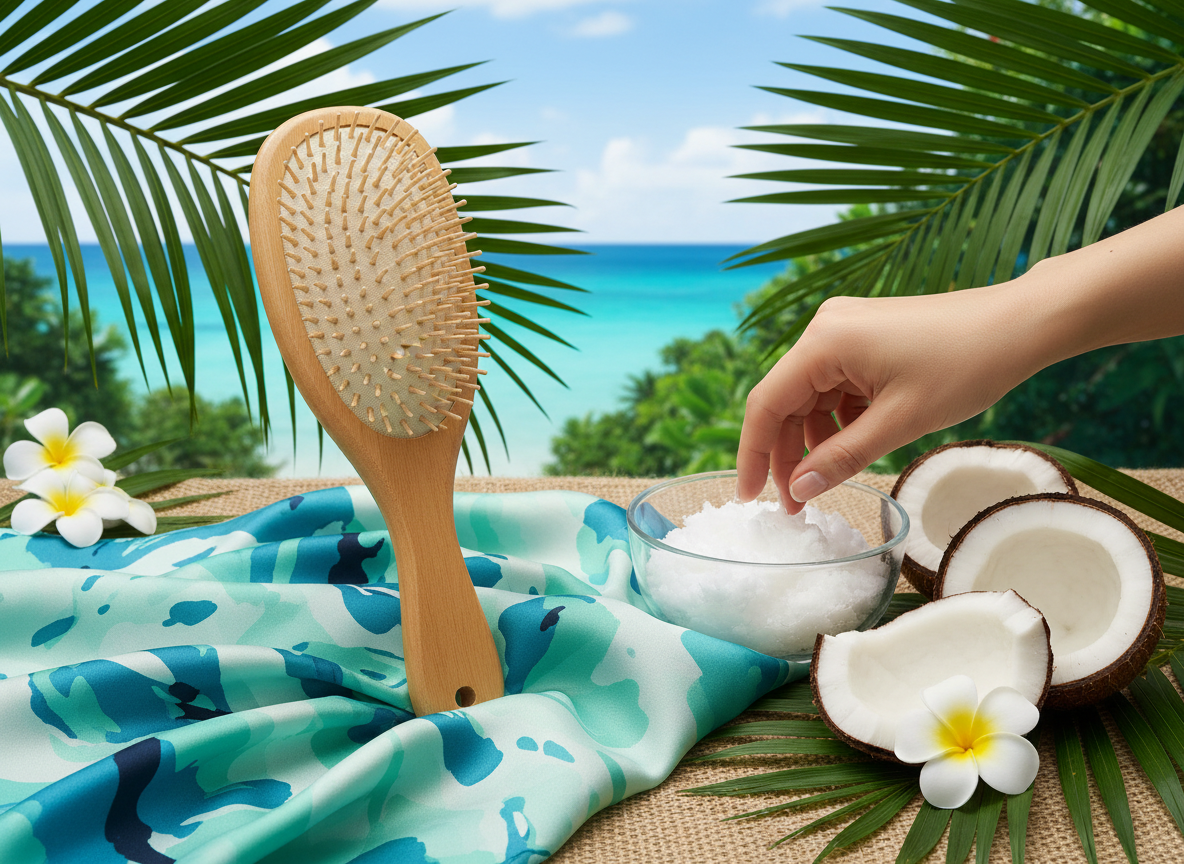
A coconut oil hot oil treatment offers a middle ground between quick applications and overnight treatments. The warmth may help the oil penetrate more effectively while keeping treatment time manageable.
Professional-Style Hot Oil Treatment at Home
- Warming the oil: Melt 3-4 tablespoons of coconut oil in a double boiler or microwave (test temperature carefully)
- Temperature check: Oil should be warm, not hot - test on your wrist first
- Application: Massage warm oil into hair and scalp using circular motions
- Heat application: Wrap hair in a warm, damp towel or use a hair steamer
- Processing time: Leave for 20-45 minutes
- Removal: Rinse with cool water, then shampoo thoroughly
Safety Considerations for Hot Oil Treatments
Important Safety Notes:
- Always test oil temperature before applying to avoid burns
- Never heat coconut oil in the microwave for more than 10-15 seconds at a time
- If oil feels too hot on your wrist, let it cool before application
- Pregnant or nursing women should consult healthcare providers before using any new treatments
Pre-Wash Protection Method
The pre-wash method involves applying coconut oil before shampooing to potentially protect hair from the harsh effects of cleansing. This technique is based on research suggesting that coconut oil may help prevent protein loss during washing.
Quick Pre-Wash Application
This method is ideal for those who want to incorporate coconut oil benefits without lengthy treatment times:
- Timing: Apply 15-30 minutes before washing hair
- Amount: Use 1-2 tablespoons depending on hair length
- Focus: Concentrate on areas prone to damage (ends, previously colored sections)
- Regular washing: Proceed with your normal shampoo routine
Benefits of Pre-Wash Treatment
- May help protect hair proteins during cleansing
- Could reduce hygral fatigue from repeated wetting and drying
- Potentially maintains hair moisture levels
- Easy to incorporate into existing routines
Choosing Methods by Hair Type
Different hair types may respond differently to coconut oil treatments. Understanding your hair's unique characteristics can help you choose the most suitable method and frequency.
Fine or Thin Hair
Fine hair may be more prone to being weighed down by coconut oil treatments. Consider:
- Using lighter amounts (1-2 tablespoons maximum)
- Focusing application on ends only
- Choosing pre-wash treatments over overnight methods
- Less frequent applications (1-2 times per month)
Thick or Coarse Hair
Thicker hair may benefit from more intensive treatments:
- Can handle larger amounts of oil (3-4 tablespoons)
- May benefit from full-length application
- Overnight treatments may be more effective
- Can typically handle weekly treatments
Curly or Textured Hair
Curly and textured hair often responds well to coconut oil treatments:
- May benefit from scalp application as well as hair strands
- Can often handle more frequent treatments
- Hot oil treatments may be particularly beneficial
- Focus on maintaining moisture levels
Color-Treated or Chemically Processed Hair
Processed hair may require special consideration:
- Start with shorter treatment times to assess response
- Focus on damaged areas
- Consider consulting with a colorist about oil treatments
- May benefit from pre-wash protection during color maintenance
Application Tips and Best Practices
Proper application technique can significantly impact the effectiveness of your coconut oil hair treatment. Here are professional tips for optimal results:
Preparation Techniques
- Oil quality: Choose high-quality, unrefined coconut oil for best results
- Hair condition: Slightly damp hair may help oil distribution
- Sectioning: Divide hair into manageable sections for even application
- Tools: Use a wide-tooth comb for distribution and clips for sectioning
Application Methods
For Scalp Application:
- Use fingertips to massage in circular motions
- Apply gentle pressure to stimulate circulation
- Work from front hairline to back
For Length Application:
- Apply oil to palms first, then smooth over hair
- Use a praying hands motion to coat strands evenly
- Pay extra attention to ends and damaged areas
Removal Best Practices
Proper removal is crucial for avoiding greasy residue:
- Pre-rinse: Rinse with warm (not hot) water first
- Shampoo application: Apply shampoo to hair before adding water
- Double cleanse: You may need to shampoo twice for complete removal
- Cool rinse: Finish with cool water to seal hair cuticles
Troubleshooting Common Issues
Even with proper technique, you may encounter some challenges when starting coconut oil treatments. Here are solutions to common problems:
Problem: Hair Feels Greasy After Treatment
Possible causes and solutions:
- Used too much oil - reduce quantity for next treatment
- Insufficient shampooing - try double cleansing
- Oil too heavy for your hair type - consider pre-wash method instead
- Applied to roots when you have oily scalp - focus on ends only
Problem: No Noticeable Results
Potential adjustments:
- Increase treatment frequency gradually
- Try longer processing times
- Ensure you're using quality, unrefined coconut oil
- Consider that results may take several treatments to become apparent
- Evaluate if your hair type might benefit from different methods
Problem: Coconut Oil Won't Melt
Solutions:
- Warm hands and scoop small amounts to melt between palms
- Use gentle heat from hair dryer on low setting
- Place container in warm water bath
- Microwave in 5-second intervals, checking temperature carefully
Problem: Allergic Reaction or Sensitivity
Important: If you experience any signs of allergic reaction (redness, itching, swelling, rash), discontinue use immediately and consult a healthcare provider if symptoms persist. Always patch test new products before full application.
When to Consult Professionals
Consider seeking advice from hair professionals if you experience:
- Persistent scalp irritation
- Increased hair breakage after treatments
- Significant changes in hair texture
- Any concerning scalp conditions
Remember, while many people report positive experiences with coconut oil hair treatments, individual results may vary. What works well for one person may not be suitable for another. Start with small amounts and less frequent applications to see how your hair responds, and adjust your routine accordingly.
Coconut oil hair treatments offer a natural approach to hair care that has been traditionally used across many cultures. Whether you choose overnight deep conditioning, hot oil treatments, or pre-wash protection, the key is finding the method that works best for your unique hair type and lifestyle. With proper application and realistic expectations, coconut oil may become a valuable addition to your hair care routine.