
Coconut Oil vs Olive Oil for Frying: Smoke Points and Safety
When it comes to choosing the best oil for frying, the debate between coconut oil and olive oil continues to spark conversations in kitchens worldwide. Both oils have their devoted followers, but understanding their smoke points, stability, and safety characteristics can help you make informed decisions about which oil works best for your cooking needs.
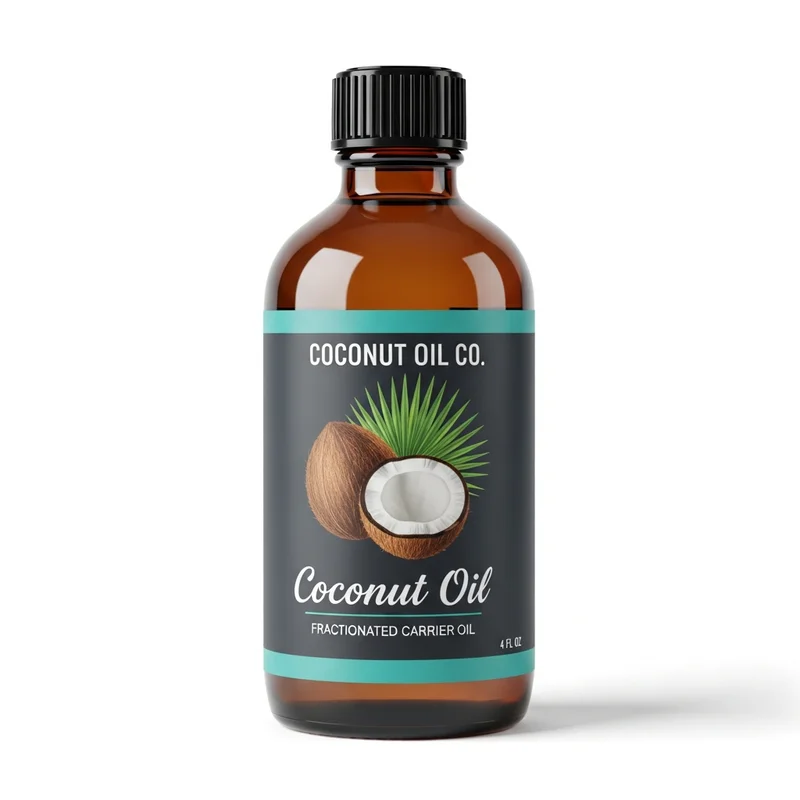 Fractionated Coconut Oil
Our own Fractionated Coconut Oil, in sizes from 0.5 oz to bulk. From $8.99.
Shop Now →
Fractionated Coconut Oil
Our own Fractionated Coconut Oil, in sizes from 0.5 oz to bulk. From $8.99.
Shop Now →
The choice between these two popular oils isn't just about flavor—it's about science, safety, and getting the most out of your cooking experience. Let's dive deep into the facts to help you understand how coconut oil stacks up against olive oil when the heat is on.
Understanding Smoke Points: The Foundation of Safe Frying
The smoke point is the temperature at which an oil begins to break down and produce visible smoke. This critical threshold determines not only the safety of your cooking but also the flavor and nutritional quality of your food. When oils exceed their smoke points, they begin to decompose, creating potentially harmful compounds and unpleasant tastes.
Coconut Oil Smoke Points
Coconut oil comes in several varieties, each with different smoke points:
- Refined coconut oil: 400-450°F (204-232°C)
- Virgin coconut oil: 350°F (177°C)
- Extra virgin coconut oil: 350°F (177°C)
The refining process removes impurities and free fatty acids that can lower the smoke point, which is why refined coconut oil can handle higher temperatures than its virgin counterparts.
Olive Oil Smoke Points
Olive oil also varies significantly based on processing:
- Extra virgin olive oil: 375-405°F (191-207°C)
- Virgin olive oil: 390°F (199°C)
- Pure/Light olive oil: 465°F (241°C)
- Extra light olive oil: 468°F (242°C)
Similar to coconut oil, the more refined versions of olive oil can withstand higher temperatures due to the removal of compounds that break down easily under heat.
Coconut Oil vs Olive Oil Frying: A Direct Comparison
High-Heat Frying Performance
For deep frying and high-heat cooking (typically 350-375°F), both refined coconut oil and light olive oil perform well. However, their characteristics differ significantly:
Refined Coconut Oil Advantages:
- Higher saturated fat content provides excellent stability under heat
- Neutral flavor won't compete with food tastes
- Solid at room temperature, making it easy to measure and store
- Less prone to oxidation during storage
Light Olive Oil Advantages:
- Highest smoke point among commonly available oils
- Familiar taste profile for most cooks
- Widely available and often more affordable
- Liquid at room temperature for easy pouring
Medium-Heat Cooking Comparison
For sautéing and medium-heat cooking (250-350°F), both virgin coconut oil and extra virgin olive oil can be suitable options, though each brings distinct characteristics to your cooking.
Virgin coconut oil provides a subtle coconut flavor that may complement certain dishes, particularly in Asian or tropical-inspired cuisines. Its stability comes from its high saturated fat content, which research suggests may be less susceptible to heat-induced oxidation.
Extra virgin olive oil offers more complex flavors and contains natural antioxidants that some studies indicate may provide beneficial properties, though these compounds can be sensitive to high heat exposure.
Safety Considerations for Frying

Oxidative Stability
When oils are heated, they undergo chemical changes that can produce harmful compounds. The stability of an oil under heat depends largely on its fatty acid composition.
Coconut oil consists of approximately 90% saturated fats, making it highly resistant to oxidation. Research observations suggest that saturated fats remain more stable under heat stress compared to polyunsaturated fats.
Olive oil contains primarily monounsaturated fats (oleic acid), which some research indicates may offer good stability under moderate heat, though not quite to the same degree as saturated fats.
Toxic Compound Formation
When oils exceed their smoke points repeatedly or for extended periods, they may form potentially harmful compounds including aldehydes and acrolein. Some research suggests that oils with higher saturated fat content may produce fewer of these compounds under heat stress.
Both coconut oil and olive oil, when used within their appropriate temperature ranges, appear to maintain better safety profiles compared to highly processed vegetable oils with lower smoke points.
Nutritional Considerations
Heat-Stable Nutrients
The nutritional value of cooking oils can change when exposed to high temperatures. Understanding which nutrients survive the heat can inform your choice.
Coconut oil's nutritional profile remains relatively stable under heat due to its saturated fat structure. The medium-chain triglycerides (MCTs) that coconut oil contains may maintain their structure better under heat stress, according to some research observations.
Extra virgin olive oil contains natural antioxidants and vitamin E, though these compounds can be sensitive to heat and light. Some studies suggest that moderate heating may not significantly reduce these beneficial compounds, but prolonged high-heat exposure might.
Digestibility Factors
Some people report better digestibility with coconut oil, particularly those who may have sensitivities to other fats. The MCTs in coconut oil are structured differently from long-chain fatty acids and may be processed differently by the body, according to nutritional research.
Olive oil, particularly extra virgin varieties, contains compounds that some research suggests may support digestive health, though individual responses can vary significantly.
Practical Cooking Applications

Best Uses for Coconut Oil in Frying
Coconut oil excels in specific frying applications:
- Deep frying: Refined coconut oil's high smoke point and stability make it excellent for French fries, donuts, and tempura
- Asian stir-fries: The subtle coconut flavor complements many Asian dishes
- Baked goods: Solid coconut oil can replace butter in many fried pastries
- High-heat searing: Great for getting crispy exteriors on proteins
Best Uses for Olive Oil in Frying
Olive oil shines in these cooking scenarios:
- Mediterranean dishes: Natural flavor pairing with herbs and vegetables
- Shallow frying: Perfect for pan-frying fish, chicken, or vegetables
- Sautéing: Excellent for cooking garlic, onions, and aromatic bases
- Crispy potatoes: Light olive oil creates excellent roasted and fried potatoes
Cost and Availability Factors
When choosing between coconut oil vs olive oil for frying, practical considerations matter too. Olive oil, particularly refined versions, tends to be more widely available and often more affordable in most markets. Coconut oil prices can vary significantly based on quality and source, with virgin varieties typically commanding premium prices.
Consider your cooking frequency and volume when making cost calculations. If you fry foods regularly, investing in a high-quality, stable oil may provide better value over time through improved performance and potentially longer usable life.
Storage and Shelf Life
Proper storage significantly impacts the safety and quality of frying oils. Coconut oil's high saturated fat content makes it naturally resistant to rancidity, and it can remain stable at room temperature for extended periods when stored properly in a cool, dark place.
Olive oil, particularly extra virgin varieties, should be stored in dark containers away from light and heat to maintain quality. The monounsaturated fats in olive oil are more susceptible to oxidation than the saturated fats in coconut oil, but proper storage can extend its useful life significantly.
Making the Right Choice for Your Kitchen
The best oil for frying ultimately depends on your specific cooking needs, flavor preferences, and safety priorities. Consider these factors when making your decision:
- Cooking temperature: Match the oil's smoke point to your cooking method
- Flavor preferences: Choose neutral coconut oil or flavorful olive oil based on your dish
- Frequency of use: Consider cost-effectiveness for your cooking habits
- Storage capabilities: Factor in your kitchen's storage conditions
- Dietary considerations: Consider any personal sensitivities or preferences
Safety Recommendations
Regardless of which oil you choose, follow these safety guidelines:
- Never heat oil beyond its smoke point
- Use a cooking thermometer to monitor oil temperature
- Don't reuse oil excessively—quality degrades with each heating cycle
- Store oils properly to maintain freshness and safety
- Replace oils that smell rancid or appear cloudy
Both coconut oil and olive oil can be excellent choices for frying when used appropriately. Understanding their smoke points, stability characteristics, and best applications will help you make informed decisions that enhance both the safety and enjoyment of your cooking experience. Whether you choose the tropical stability of coconut oil or the Mediterranean tradition of olive oil, proper technique and temperature control remain the keys to successful frying.