
Coconut Oil vs Olive Oil for Skin: Which Moisturizer Is Better?
When it comes to natural skincare, the debate between coconut oil vs olive oil for skin continues to spark passionate discussions among beauty enthusiasts. Both oils have been cherished for centuries across different cultures, but which one deserves a spot in your skincare routine?
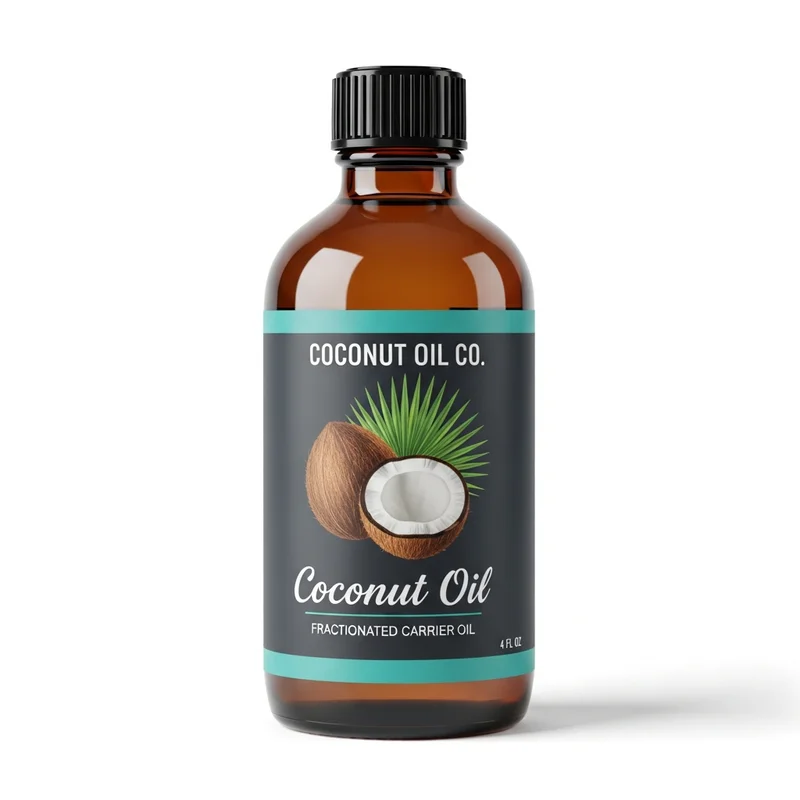 Fractionated Coconut Oil
Our own Fractionated Coconut Oil, in sizes from 0.5 oz to bulk. From $8.99.
Shop Now →
Fractionated Coconut Oil
Our own Fractionated Coconut Oil, in sizes from 0.5 oz to bulk. From $8.99.
Shop Now →
The truth is, there's no universal "better" choice — it all comes down to your unique skin type, concerns, and preferences. In this comprehensive comparison, we'll explore the properties, benefits, and potential drawbacks of each oil to help you make an informed decision about whether olive oil or coconut oil skin care is right for you.
Understanding the Basics: Coconut Oil vs Olive Oil Properties
Coconut Oil Skin Profile
Coconut oil is extracted from mature coconut meat and consists primarily of saturated fats, particularly lauric acid (about 50%) and myristic acid. These medium-chain fatty acids give coconut oil its:
- Solid consistency at room temperature (melts around 76°F)
- Long shelf life due to natural stability
- Light, tropical scent that many find appealing
- Quick absorption when warmed and applied properly
Olive Oil Skin Profile
Extra virgin olive oil contains predominantly monounsaturated fats, especially oleic acid, along with beneficial compounds like vitamin E, squalene, and polyphenols. Its characteristics include:
- Liquid consistency at room temperature
- Rich, earthy aroma (varies by processing method)
- Heavier texture that takes longer to absorb
- Natural antioxidants that may help protect skin from environmental stressors
Absorption and Texture: The Feel Factor
When comparing coconut oil vs olive oil for skin application, texture plays a crucial role in user experience and effectiveness.
Coconut Oil Absorption
Coconut oil's medium-chain fatty acids allow it to penetrate skin relatively quickly, especially when warmed between your palms first. Many users report that it:
- Melts easily upon contact with warm skin
- Absorbs within 10-15 minutes when applied in thin layers
- Leaves minimal greasy residue when used in appropriate amounts
- Works well under makeup when fully absorbed
Olive Oil Absorption
Olive oil's larger molecular structure means it sits on the skin's surface longer, which can be either beneficial or problematic depending on your needs:
- Creates a protective barrier that may help lock in moisture
- Takes 20-30 minutes or longer to fully absorb
- May leave a heavier, more occlusive feeling
- Better suited for evening use or very dry skin conditions
Comedogenic Ratings: The Acne Factor
One of the most important considerations in any best oil for skin comparison is the potential for clogging pores.
| Oil Type | Comedogenic Rating | Pore-Clogging Potential |
|---|---|---|
| Coconut Oil | 4/5 | High |
| Olive Oil | 2/5 | Moderate |
Important note: Comedogenic ratings are general guidelines based on the oil's molecular structure and how it typically behaves on skin. Individual reactions can vary significantly, and some people may find their skin responds differently than predicted ratings suggest.
For Acne-Prone Skin
If you're dealing with frequent breakouts, olive oil may be the safer choice between these two options. However, many skincare professionals suggest that people with acne-prone skin might benefit more from exploring lighter, non-comedogenic alternatives like jojoba oil or rosehip seed oil.
Skin Type Suitability Guide

Choosing between olive oil or coconut oil skin care often comes down to your specific skin type and concerns.
Dry Skin
Coconut Oil: May help provide moisture without the heavy feeling that some people dislike. The lighter texture can be more comfortable for daily use.
Olive Oil: Traditionally used by people with very dry or mature skin who need intense moisturizing. The occlusive properties may help prevent water loss.
Sensitive Skin
Coconut Oil: Some research suggests coconut oil may help support the skin barrier, but individual reactions vary widely. Always patch test first.
Olive Oil: The vitamin E and antioxidants in quality olive oil are sometimes well-tolerated by sensitive skin, though reactions can occur with any topical product.
Oily/Combination Skin
Coconut Oil: Generally not recommended due to high comedogenic rating, though some people report success with very small amounts.
Olive Oil: May be better tolerated than coconut oil, but still use cautiously and consider lighter alternatives.
Mature Skin
Coconut Oil: May help provide moisture and some users report improved skin texture over time.
Olive Oil: The antioxidant content may help protect against environmental stressors, while the rich texture provides substantial moisture.
Practical Application Methods
How to Use Coconut Oil on Skin
- Start small: Use about 1/4 teaspoon for your entire face
- Warm it up: Rub between clean palms until it melts
- Apply gently: Pat and press into skin rather than rubbing vigorously
- Layer wisely: Apply to slightly damp skin to help with absorption
- Time it right: Best applied 15-20 minutes before other products or makeup
How to Use Olive Oil on Skin
- Choose quality: Use extra virgin olive oil for best results
- Apply sparingly: A few drops go a long way
- Massage technique: Use gentle upward circular motions
- Evening routine: Best used at night due to longer absorption time
- Remove excess: Gently blot with a soft cloth if too much remains on surface
Safety Considerations and Patch Testing
Before incorporating either oil into your routine, it's essential to understand potential risks and perform proper testing.
Patch Testing Protocol
- Apply a small amount of oil to your inner wrist or behind your ear
- Cover with a bandage and wait 24-48 hours
- Check for any redness, itching, swelling, or irritation
- If no reaction occurs, try a small amount on your face
- Discontinue use immediately if any adverse reactions develop
When to Avoid These Oils
- Active breakouts: Both oils may potentially worsen existing acne
- Known allergies: Coconut or olive allergies, though rare, can occur
- Before sun exposure: Some oils may increase photosensitivity
- With certain medications: Consult your dermatologist about potential interactions
Cost and Accessibility Comparison

Both oils are relatively affordable and widely available, but there are some differences to consider:
Coconut Oil
- Generally costs $8-15 per jar for skincare-grade versions
- Available at most grocery stores and pharmacies
- Long shelf life (2+ years when stored properly)
- Multi-purpose (cooking, haircare, skincare)
Olive Oil
- Extra virgin varieties range from $10-25 per bottle
- Widely available, but quality varies significantly
- Shorter shelf life once opened (6-8 months)
- Also multi-purpose, though primarily culinary
Environmental and Sustainability Factors
For environmentally conscious consumers, the sustainability of these oils may influence your decision.
Coconut Oil Sustainability
Coconut farming can be more sustainable when practiced responsibly, as coconut palms require less water than many crops and can grow in poor soil conditions. However, some commercial operations have raised concerns about fair labor practices and environmental impact.
Olive Oil Sustainability
Traditional olive groves can support biodiversity and prevent soil erosion. However, intensive farming methods and water usage in drought-prone regions have created some environmental challenges.
The Bottom Line: Making Your Choice
In the coconut oil vs olive oil for skin debate, the "winner" depends entirely on your individual needs:
Choose Coconut Oil If:
- You prefer lighter textures that absorb quickly
- You don't have acne-prone skin
- You enjoy the mild, tropical scent
- You want a multi-purpose product for body and hair
- You prefer solid oils that melt upon application
Choose Olive Oil If:
- You have very dry or mature skin needing intensive moisture
- You don't mind heavier textures and longer absorption times
- You want the potential antioxidant benefits
- You have moderately sensitive skin that tolerates it well
- You prefer using it as part of an evening skincare routine
Consider Alternative Oils If:
- You have persistently acne-prone skin
- You've had reactions to both coconut and olive oil
- You need very specific skincare benefits
- Your dermatologist has recommended different options
Remember, skincare is highly individual, and what works wonderfully for one person may not suit another. Both coconut oil and olive oil have been used traditionally for skin care across many cultures, but modern skincare offers numerous alternatives that might better suit specific skin types and concerns.
Always consult with a qualified dermatologist or skincare professional before making significant changes to your routine, especially if you have sensitive skin, existing skin conditions, or concerns about how these oils might interact with other products or treatments you're using.
The best moisturizer is the one that works consistently for your skin type, fits your lifestyle, and doesn't cause irritation or unwanted reactions. Whether that's coconut oil, olive oil, or something else entirely, the key is finding what makes your skin look and feel its healthiest.