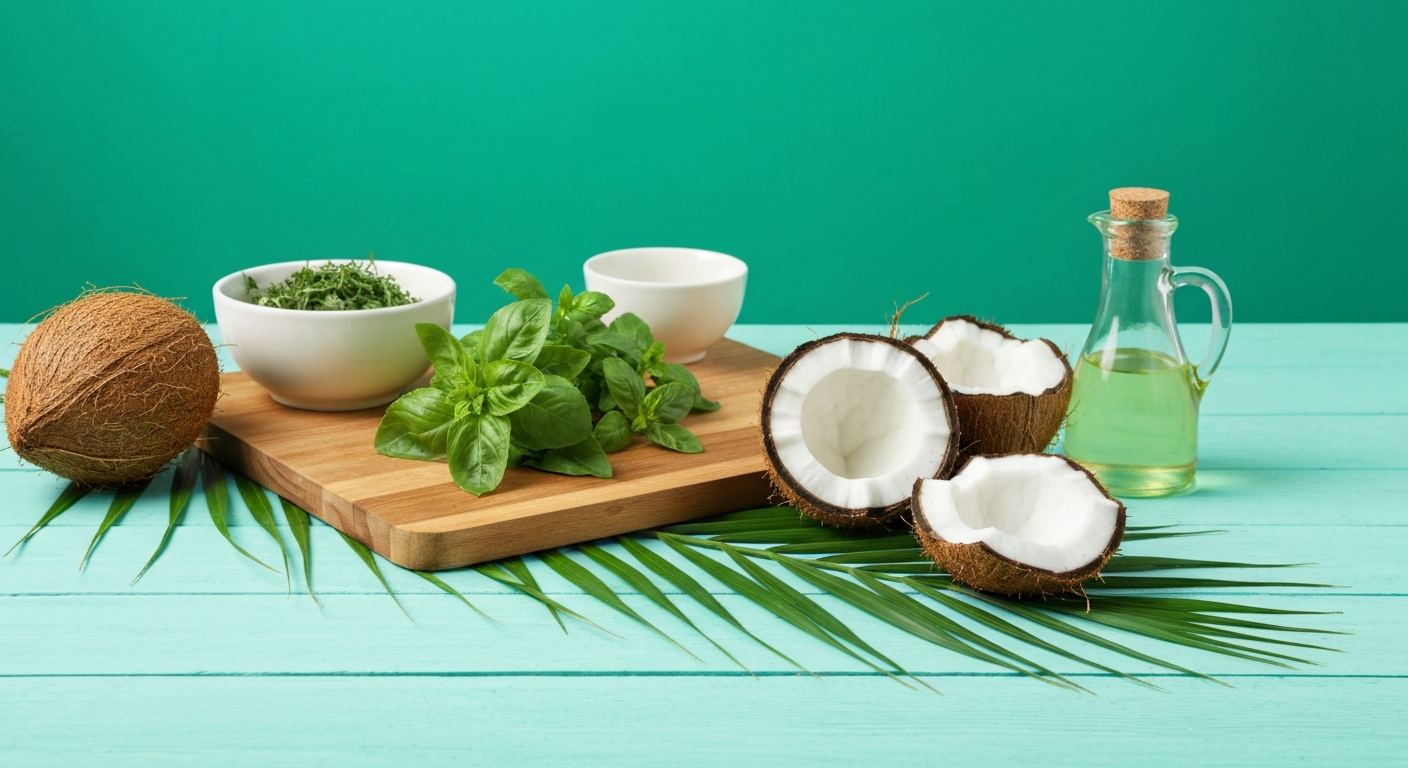
Coconut Oil vs Olive Oil: The Ultimate Health and Cooking Comparison
When it comes to choosing the right cooking oil for your kitchen, two oils consistently rise to the top of the conversation: coconut oil and olive oil. Both have passionate advocates, extensive research backing their benefits, and unique culinary applications. But which one deserves a permanent spot in your pantry?
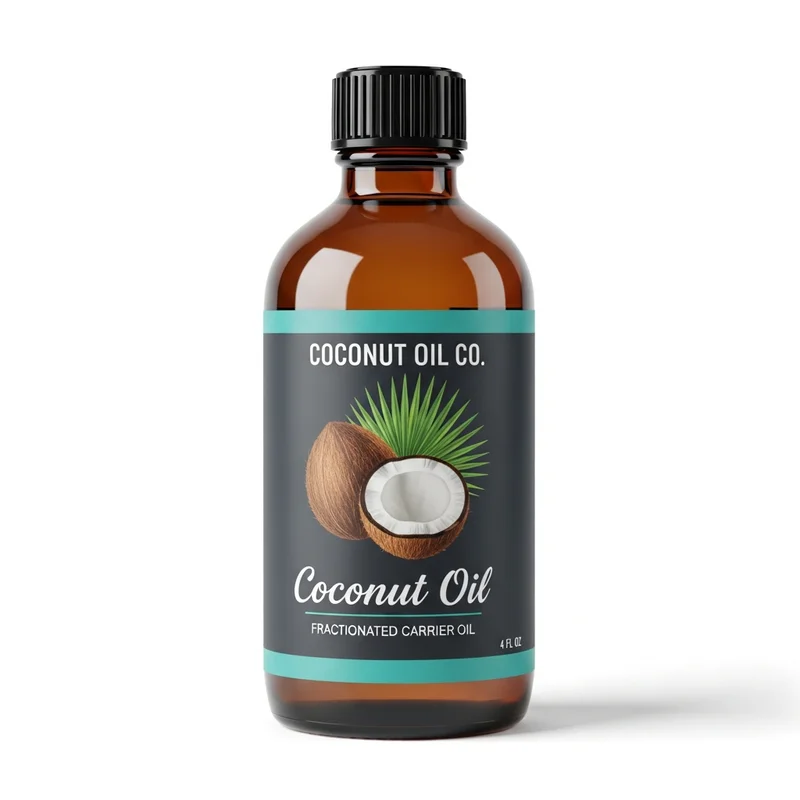 Fractionated Coconut Oil
Our own Fractionated Coconut Oil, in sizes from 0.5 oz to bulk. From $8.99.
Shop Now →
Fractionated Coconut Oil
Our own Fractionated Coconut Oil, in sizes from 0.5 oz to bulk. From $8.99.
Shop Now →
This comprehensive comparison examines every aspect of the coconut oil vs olive oil debate, from nutritional profiles and cooking properties to flavor impacts and storage considerations. Whether you're wondering if coconut or olive oil is healthier or simply trying to optimize your cooking oil comparison game, we'll break down the science-backed facts to help you make informed decisions.
Nutritional Breakdown: Understanding the Fat Profiles
The fundamental difference between coconut oil and olive oil lies in their fatty acid composition, which influences everything from their cooking properties to their potential health impacts.
Coconut Oil's Unique Saturated Fat Structure
Coconut oil contains approximately 92% saturated fat, making it solid at room temperature. However, not all saturated fats are created equal. About 65% of coconut oil's saturated fats are medium-chain triglycerides (MCTs), particularly lauric acid (45-50%), caprylic acid (6-10%), and capric acid (5-8%).
Some research suggests that MCTs may be metabolized differently than long-chain fatty acids, potentially being used more readily for energy rather than stored as fat. However, more research is needed to fully understand these mechanisms in human metabolism.
Olive Oil's Heart-Healthy Monounsaturated Focus
Extra virgin olive oil consists of approximately 73% monounsaturated fats (primarily oleic acid), 14% saturated fat, and 11% polyunsaturated fat. This profile has been extensively studied in Mediterranean diet research, with observational studies suggesting associations with cardiovascular health support.
Olive oil also contains natural compounds like vitamin E, polyphenols, and antioxidants that may contribute to its stability and potential health-supporting properties.
| Nutritional Component | Coconut Oil (1 tbsp) | Olive Oil (1 tbsp) |
|---|---|---|
| Calories | 121 | 119 |
| Total Fat | 13.5g | 13.5g |
| Saturated Fat | 11.2g | 1.9g |
| Monounsaturated Fat | 0.8g | 9.9g |
| Polyunsaturated Fat | 0.2g | 1.4g |
Cooking Performance and Smoke Points
Understanding how these oils perform under heat is crucial for both culinary success and maintaining their beneficial properties.
Coconut Oil in the Kitchen
Refined coconut oil has a smoke point of approximately 400°F (204°C), while virgin coconut oil smokes at around 350°F (177°C). This makes coconut oil suitable for:
- Medium-heat sautéing and stir-frying
- Baking (where it adds moisture and subtle tropical notes)
- Light roasting of vegetables
- No-heat applications like smoothies or energy balls
Coconut oil's saturated fat structure makes it highly stable under heat, with minimal oxidation compared to polyunsaturated oils.
Olive Oil's Versatile Range
Extra virgin olive oil has a smoke point of 375-405°F (190-207°C), while refined olive oil can handle up to 465°F (240°C). This versatility makes olive oil excellent for:
- Low to medium-heat cooking
- Salad dressings and cold applications
- Light sautéing
- Finishing dishes for flavor enhancement
The monounsaturated fat profile provides good heat stability while maintaining the oil's beneficial compounds when used appropriately.
Flavor Profiles and Culinary Applications
The taste impact of your chosen oil can make or break a dish, making flavor compatibility a crucial consideration.
Coconut Oil's Tropical Touch
Virgin coconut oil imparts a subtle coconut flavor that complements:
- Asian and tropical cuisine
- Baked goods and desserts
- Curry dishes and stir-fries
- Smoothies and raw preparations
Refined coconut oil offers a more neutral taste, making it versatile for dishes where you want the cooking benefits without the coconut flavor.
Olive Oil's Mediterranean Character
Extra virgin olive oil brings a fruity, sometimes peppery flavor that enhances:
- Mediterranean dishes
- Salad dressings and marinades
- Vegetable preparations
- Bread dipping and finishing touches
Health Considerations: What Research Tells Us
Both oils have been subjects of extensive research, though it's important to interpret findings within the broader context of overall diet and lifestyle.
Coconut Oil Research Insights
Studies on coconut oil have produced mixed results. Some research suggests that the MCT content may support:
- More efficient energy utilization compared to long-chain fatty acids
- Feelings of satiety when consumed as part of a balanced diet
- Antimicrobial properties attributed to lauric acid
However, health organizations continue to recommend moderation with saturated fats, including those from coconut oil. The American Heart Association suggests limiting saturated fat intake to no more than 5-6% of total daily calories.
Olive Oil's Research Foundation
Olive oil, particularly extra virgin varieties, has been extensively studied as part of Mediterranean diet research. Observational studies suggest potential associations with:
- Cardiovascular health support
- Anti-inflammatory properties from polyphenol content
- Antioxidant activity that may help protect against cellular damage
The preponderance of research on olive oil spans decades and includes large population studies, though it's important to note that these benefits are observed as part of overall dietary patterns rather than from olive oil consumption alone.
"Both coconut oil and olive oil can be part of a healthy diet when used appropriately and in moderation. The key is understanding their unique properties and choosing the right oil for the right application."
Storage and Shelf Life Considerations

Proper storage affects both the quality and longevity of your cooking oils.
Coconut Oil Storage
Coconut oil's high saturated fat content provides natural stability:
- Shelf life: 2-3 years when stored properly
- Storage: Cool, dark place (will be solid below 76°F)
- Minimal oxidation risk due to low polyunsaturated content
Olive Oil Storage
Olive oil requires more careful storage to maintain quality:
- Shelf life: 18-24 months for extra virgin varieties
- Storage: Dark, cool environment away from light and heat
- More susceptible to oxidation than coconut oil
Cost Analysis and Availability
Budget considerations often influence our kitchen choices, and both oils vary significantly in price based on quality and processing methods.
Coconut Oil Pricing Factors
- Virgin/organic varieties: $8-15 per 16 oz jar
- Refined versions: $5-10 per 16 oz jar
- Bulk purchasing can reduce per-ounce costs
Olive Oil Investment Levels
- Extra virgin (high quality): $10-25 per 16 oz bottle
- Regular olive oil: $4-8 per 16 oz bottle
- Price varies significantly with origin and processing quality
Environmental and Sustainability Considerations
Modern consumers increasingly consider the environmental impact of their food choices.
Coconut Oil Production
Coconut palms are generally considered sustainable crops that require minimal water and can grow in poor soil conditions. However, transportation from tropical growing regions to global markets does contribute to carbon footprint considerations.
Olive Oil Environmental Impact
Olive trees are drought-resistant and can grow in Mediterranean climates with minimal irrigation. Many olive oil producers are implementing sustainable farming practices, though intensive farming methods can impact local ecosystems.
The Bottom Line: Choosing Your Oil Strategy
Rather than declaring one oil superior to the other, the most practical approach involves understanding when and how to use each oil effectively.
Choose Coconut Oil When:
- You want a stable oil for medium-heat cooking
- You're making Asian or tropical-inspired dishes
- You need an oil for baking that adds moisture
- You prefer the unique properties of MCTs
Choose Olive Oil When:
- You're making Mediterranean-style dishes
- You need an oil for salad dressings or cold applications
- You want the antioxidant benefits of polyphenols
- You prefer the research backing of the Mediterranean diet
The Optimal Kitchen Strategy
Many nutrition-conscious cooks keep both oils in their kitchen, using each for its optimal applications. This approach allows you to:
- Maximize the unique benefits of each oil
- Choose the best flavor profile for each dish
- Use the most appropriate oil for different cooking methods
- Avoid the limitations of relying on a single oil type
Remember, the healthiest cooking oil is the one that fits into your overall balanced diet and cooking style. Both coconut oil and olive oil can contribute to a nutritious kitchen when used mindfully and in appropriate quantities.
As with any significant dietary considerations, it's always wise to consult with qualified healthcare providers or registered dietitians who can provide personalized guidance based on your individual health profile and nutritional needs.