Cold-Pressed Coconut Oil: Everything You Need to Know About the Gold Standard
In the world of coconut oil, cold-pressed varieties represent the pinnacle of quality and purity. This comprehensive guide explores everything you need to know about cold-pressed coconut oil - from its unique production methods to what sets it apart from other processing techniques.
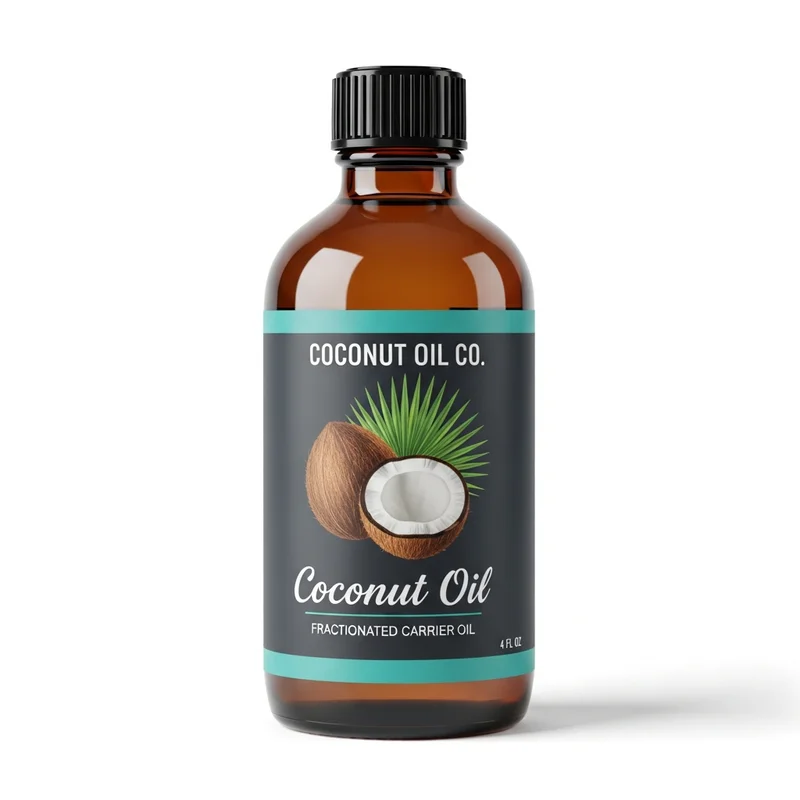
Fractionated Coconut Oil
Our own Fractionated Coconut Oil, in sizes from 0.5 oz to bulk.
From $8.99
Shop Now →Whether you're a coconut oil enthusiast looking to understand quality differences or someone considering making the switch to cold-pressed varieties, this ultimate guide will equip you with the knowledge to make informed decisions about this golden oil.
Key Takeaways
- Cold-pressed coconut oil is extracted without heat, preserving maximum nutrients and natural compounds
- The cold-pressing process maintains higher levels of antioxidants and beneficial compounds compared to heat-processed oils
- Quality cold-pressed coconut oil should be unrefined, organic, and processed at temperatures below 120°F
- Cold-pressed varieties typically have a more pronounced coconut aroma and flavor profile
- This processing method represents the gold standard for coconut oil quality and purity
Table of Contents
- What is Cold-Pressed Coconut Oil?
- How Cold-Pressed Coconut Oil is Made
- Cold-Pressed vs. Expeller-Pressed: Understanding the Differences
- Quality Characteristics of Premium Cold-Pressed Coconut Oil
- Nutritional Profile and Beneficial Compounds
- Applications and Uses
- Storage and Shelf Life
- How to Choose Quality Cold-Pressed Coconut Oil
What is Cold-Pressed Coconut Oil?
Cold-pressed coconut oil represents the most natural and minimally processed form of coconut oil available. Unlike conventional extraction methods that use heat or chemical solvents, cold-pressing extracts oil from fresh coconut meat using mechanical pressure alone, maintaining temperatures below 120°F (49°C) throughout the entire process.
This gentle extraction method preserves the oil's natural structure, ensuring that delicate compounds, antioxidants, and nutrients remain intact. The result is a pure, unrefined oil that retains the natural aroma, flavor, and beneficial properties of fresh coconuts.
The Philosophy Behind Cold-Pressing
The cold-pressing philosophy centers on minimal processing and maximum preservation. This approach recognizes that heat can alter or destroy many of the naturally occurring compounds that make coconut oil valuable. By avoiding high temperatures, cold-pressing maintains:
- Natural antioxidant content
- Volatile aromatic compounds
- Delicate fatty acid structures
- Natural vitamin E content
- Beneficial plant compounds (polyphenols)
Historical Context
Cold-pressing techniques have been used for centuries in traditional coconut-producing regions. Ancient methods involved grating fresh coconut meat, extracting coconut milk, and allowing natural fermentation to separate the oil. Modern cold-pressing technology has refined these traditional approaches while maintaining the same fundamental principle: extract oil without compromising its natural integrity.
How Cold-Pressed Coconut Oil is Made
Understanding how cold-pressed coconut oil is made reveals why this method produces superior quality oil. The process involves several carefully controlled steps, each designed to preserve the oil's natural properties.
Step 1: Coconut Selection and Preparation
The process begins with selecting fresh, mature coconuts harvested at optimal ripeness. Quality producers choose coconuts that are:
- 6-10 months old for optimal oil content
- Free from cracks or damage
- Processed within 24-48 hours of harvest
- Sourced from organically managed plantations
The coconuts are cracked open, and the white meat is carefully removed and cleaned to eliminate any shell fragments or brown skin.
Step 2: Fresh Meat Processing
Fresh coconut meat undergoes initial processing to prepare it for oil extraction:
- Grating: The coconut meat is finely grated to increase surface area
- Moisture content assessment: Optimal moisture levels (45-50%) are confirmed
- Quality inspection: Any discolored or damaged pieces are removed
Step 3: Cold-Pressing Extraction
The actual cold-pressing process involves mechanical extraction using specialized equipment:
| Stage | Process | Temperature Control |
|---|---|---|
| Initial Pressing | Hydraulic or screw press applies gradual pressure | Below 100°F (38°C) |
| Oil Separation | Natural gravity separation of oil and water | Ambient temperature |
| Final Extraction | Additional pressing for maximum oil recovery | Below 120°F (49°C) |
Step 4: Natural Settling and Filtration
After extraction, the oil undergoes natural processing:
- Settling: Oil is allowed to settle naturally for 24-48 hours
- Decanting: Clear oil is carefully separated from any remaining water or sediment
- Minimal filtration: Light filtration removes any remaining particles without chemical processing
Step 5: Quality Testing and Packaging
Final quality control ensures the oil meets cold-pressed standards:
- Fatty acid profile analysis
- Moisture content verification
- Peroxide value testing
- Sensory evaluation for aroma and taste
- Microbiological testing
Cold-Pressed vs. Expeller-Pressed: Understanding the Differences
The distinction between cold-pressed and expeller-pressed coconut oil is crucial for understanding quality differences. While both methods use mechanical extraction, they differ significantly in temperature control and resulting oil characteristics.
Temperature Differences
The primary difference lies in temperature management:
- Cold-Pressed: Temperatures maintained below 120°F (49°C) throughout extraction
- Expeller-Pressed: Temperatures can reach 200°F (93°C) or higher due to friction and pressure
Comparative Analysis
| Characteristic | Cold-Pressed | Expeller-Pressed |
|---|---|---|
| Processing Temperature | Below 120°F (49°C) | Up to 200°F (93°C) |
| Antioxidant Retention | Maximum preservation | Some degradation occurs |
| Flavor Profile | Strong coconut aroma and taste | Milder coconut character |
| Color | Clear to light yellow when liquid | May appear slightly darker |
| Shelf Stability | 2-3 years when properly stored | Similar shelf life |
| Price Point | Premium pricing | Moderate pricing |
Impact on Oil Quality
The temperature differences between processing methods create measurable impacts on oil quality:
Nutrient Preservation
Cold-pressed coconut oil may retain higher levels of:
- Natural vitamin E compounds
- Polyphenolic antioxidants
- Volatile aromatic compounds
- Delicate fatty acid structures
Oxidative Stability
Lower processing temperatures in cold-pressing may contribute to better oxidative stability, as heat can initiate oxidation reactions that compromise oil quality over time.
For a deeper understanding of coconut oil processing differences, explore our guide on virgin vs refined coconut oil, which covers additional processing methods and their impacts on oil characteristics.
Quality Characteristics of Premium Cold-Pressed Coconut Oil

Premium cold-pressed coconut oil exhibits specific characteristics that distinguish it from lower-quality alternatives. Understanding these quality markers helps consumers identify authentic, high-grade products.
Visual Characteristics
Appearance When Solid
At temperatures below 76°F (24°C), quality cold-pressed coconut oil should appear:
- Pure white to off-white in color
- Uniform texture without separation
- Smooth, creamy consistency
- Free from dark spots or discoloration
Appearance When Liquid
When melted above 76°F, premium cold-pressed coconut oil displays:
- Crystal clear to light golden transparency
- No cloudiness or suspended particles
- Smooth, flowing consistency
- Bright, clean appearance
Sensory Profile
Aroma Characteristics
Authentic cold-pressed coconut oil should have:
- Fresh, tropical coconut scent
- Sweet, nutty undertones
- No rancid or off-odors
- Intensity that reflects freshness
Taste Profile
When tasted, premium cold-pressed coconut oil offers:
- Clean coconut flavor
- Slight sweetness
- Smooth mouthfeel
- No bitter or harsh aftertastes
Chemical Quality Markers
Laboratory analysis of premium cold-pressed coconut oil reveals specific chemical characteristics:
| Parameter | Premium Cold-Pressed Range | Significance |
|---|---|---|
| Peroxide Value | Less than 2 meq O2/kg | Indicates freshness and oxidative stability |
| Free Fatty Acid Content | Less than 0.5% as lauric acid | Reflects processing quality and storage conditions |
| Moisture Content | Less than 0.2% | Important for shelf stability |
| Iodine Value | 7-12 g I2/100g | Confirms fatty acid composition |
Packaging and Storage Indicators
Optimal Packaging
Premium cold-pressed coconut oil should be packaged in:
- Dark glass containers to protect from light
- Food-grade plastic with UV protection
- Properly sealed containers to prevent contamination
- Containers with clear labeling and production dates
Label Information
Quality products provide comprehensive label information including:
- Processing method specification
- Organic certification (when applicable)
- Country of origin
- Production or best-by dates
- Storage recommendations
Nutritional Profile and Beneficial Compounds
Cold-pressed coconut oil contains a unique array of fatty acids and compounds that research suggests may offer various properties. Understanding this nutritional profile helps explain why cold-pressing is considered the gold standard for coconut oil production.
Fatty Acid Composition
Cold-pressed coconut oil consists primarily of saturated fatty acids, with a distinctive profile that sets it apart from other cooking oils:
| Fatty Acid | Typical Range (%) | Chain Length |
|---|---|---|
| Lauric Acid | 45-52% | Medium-chain (C12) |
| Myristic Acid | 16-21% | Medium-chain (C14) |
| Caprylic Acid | 6-10% | Medium-chain (C8) |
| Capric Acid | 5-8% | Medium-chain (C10) |
| Palmitic Acid | 8-10% | Long-chain (C16) |
| Oleic Acid | 5-8% | Long-chain (C18:1) |
Medium-Chain Triglycerides (MCTs)
Cold-pressed coconut oil contains approximately 60-65% medium-chain triglycerides (MCTs), primarily composed of:
- Lauric acid: The predominant MCT, comprising nearly half of coconut oil's fatty acid content
- Caprylic acid: Research suggests this MCT may have antimicrobial properties
- Capric acid: Another MCT that some studies indicate may support metabolic processes
Antioxidant Compounds
Cold-pressing helps preserve naturally occurring antioxidants that may be reduced or eliminated in heat-processed oils:
Vitamin E Complex
Cold-pressed coconut oil contains natural vitamin E compounds, including:
- Alpha-tocopherol
- Gamma-tocopherol
- Alpha-tocotrienol
- Gamma-tocotrienol
Polyphenolic Compounds
Research has identified various polyphenols in cold-pressed coconut oil that may contribute to its antioxidant properties:
- Ferulic acid derivatives
- Caffeic acid compounds
- P-coumaric acid
- Various phenolic acids
Preservation of Beneficial Compounds
The cold-pressing process helps maintain these beneficial compounds by:
- Avoiding heat-induced oxidation that can damage delicate molecules
- Preventing chemical alterations that occur at high temperatures
- Maintaining the natural synergy between different compounds
- Preserving volatile compounds that contribute to coconut oil's characteristic properties
"Cold-pressing represents the gentlest extraction method available, allowing coconut oil to retain its full spectrum of naturally occurring compounds in their most bioactive forms."
Applications and Uses
Cold-pressed coconut oil's superior quality and preserved beneficial compounds make it versatile for numerous applications. Its stability, pleasant aroma, and smooth texture contribute to its popularity across various uses.
Culinary Applications
Cooking and Baking
Cold-pressed coconut oil excels in culinary applications due to its:
- High smoke point: Approximately 350°F (175°C), suitable for most cooking methods
- Flavor profile: Adds subtle coconut notes to dishes
- Stability: Resists oxidation better than many other oils
- Texture properties: Creates tender baked goods and flaky pastries
Ideal Cooking Methods
- Sautéing vegetables and proteins
- Medium-heat frying and stir-frying
- Baking cakes, cookies, and pastries
- Making homemade granola and energy bars
- Creating creamy sauces and dressings
Personal Care Applications
Note: The following represents traditional uses and anecdotal reports. These statements have not been evaluated by the FDA and are not intended to diagnose, treat, cure, or prevent any disease.
Skin Care
People traditionally use cold-pressed coconut oil for skincare purposes, reporting that it:
- May help maintain skin moisture
- Could support the skin's natural barrier function
- Is gentle enough for sensitive skin types
- Absorbs well without leaving a heavy residue
Hair Care
Traditional hair care applications include:
- Pre-shampoo treatments for dry hair
- Leave-in treatments for hair ends
- Scalp massage applications
- Deep conditioning masks
Household Applications
Natural Cleaning
Cold-pressed coconut oil can be incorporated into natural cleaning solutions:
- Wood furniture polish (mixed with essential oils)
- Leather conditioning treatments
- Natural stain removal (for certain types of stains)
- Metal polishing applications
Specialized Applications
DIY Beauty Products
Cold-pressed coconut oil serves as a base ingredient for:
- Homemade lip balms
- Body butter formulations
- Natural deodorant recipes
- Makeup remover preparations
Pet Care
Always consult with a veterinarian before using any new products with pets.
Some pet owners report using coconut oil for:
- Coat conditioning (external application)
- Paw pad moisturizing
- Occasional dietary supplementation (with veterinary approval)
Storage and Shelf Life
Proper storage is crucial for maintaining the quality and extending the shelf life of cold-pressed coconut oil. Understanding optimal storage conditions helps preserve the oil's beneficial properties and prevents premature degradation.
Optimal Storage Conditions
Temperature Control
Cold-pressed coconut oil should be stored:
- Room temperature: 70-75°F (21-24°C) is ideal for most uses
- Cool, dry places: Pantries or kitchen cupboards away from heat sources
- Avoid temperature fluctuations: Consistent temperatures prevent unnecessary melting/solidifying cycles
- Refrigeration: Not necessary but can extend shelf life in hot climates
Light Protection
Protect cold-pressed coconut oil from light exposure by:
- Storing in dark-colored glass containers
- Keeping containers in dark cupboards or pantries
- Avoiding direct sunlight exposure
- Using opaque storage containers when transferring oil
Air Exposure Management
Minimize oxidation by:
- Keeping containers tightly sealed when not in use
- Using smaller containers for frequently accessed oil
- Avoiding prolonged exposure to air during use
- Ensuring clean, dry utensils when scooping oil
Shelf Life Expectations
| Storage Method | Expected Shelf Life | Notes |
|---|---|---|
| Room Temperature (Unopened) | 2-3 years | Best quality when used within 2 years |
Fractionated Coconut Oil
Fractionated Coconut Oil from our own shop, in sizes from 0.5 oz to bulk.
From $8.99
Shop Now →