DIY Coconut Oil and Tea Tree Acne Treatment That Actually Works
The combination of coconut oil and tea tree oil has become increasingly popular in natural skincare routines, with many people reporting positive experiences when using this coconut tea tree acne approach. While individual results may vary, understanding how to properly combine these ingredients can help you create effective DIY treatments that may support your skincare goals.
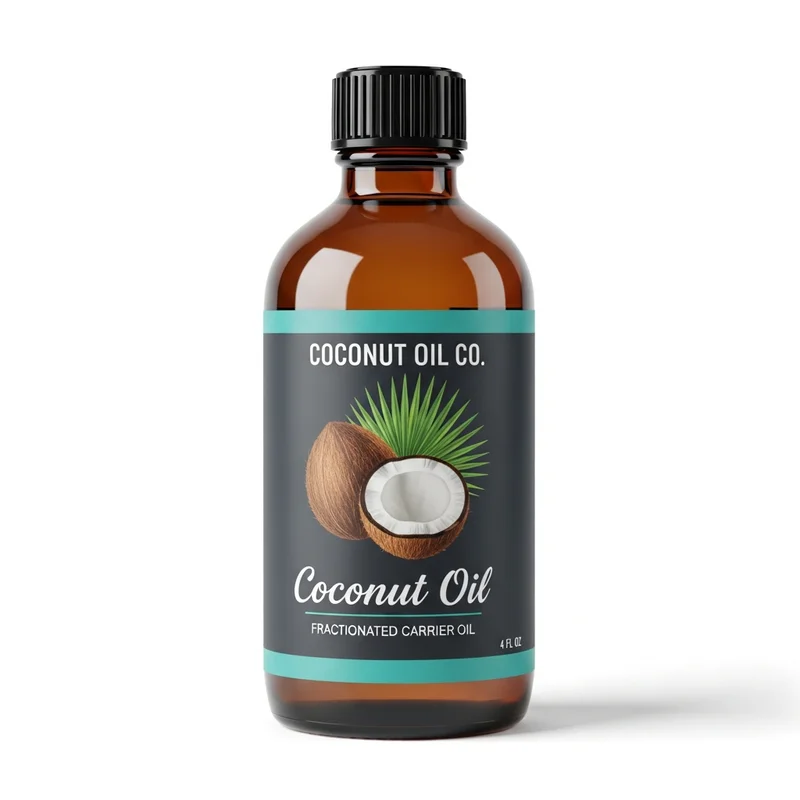 Fractionated Coconut Oil
Our own Fractionated Coconut Oil, in sizes from 0.5 oz to bulk. From $8.99.
Shop Now →
Fractionated Coconut Oil
Our own Fractionated Coconut Oil, in sizes from 0.5 oz to bulk. From $8.99.
Shop Now →
This comprehensive guide will walk you through creating safe, properly diluted tea tree coconut oil face treatments, complete with essential safety information and application techniques that skincare enthusiasts have found helpful.
Understanding the Science Behind Coconut Oil and Tea Tree Oil
Before diving into DIY recipes, it's important to understand what research suggests about these popular ingredients and why they're often combined in skincare routines.
Coconut Oil's Skin-Supporting Properties
Coconut oil contains several components that may support skin health:
- Lauric acid: Research indicates this fatty acid has antimicrobial properties that may help maintain skin's natural balance
- Capric acid: Studies suggest this compound may also support the skin's protective barrier
- Moisturizing properties: The oil's structure may help maintain skin hydration without feeling heavy
- Antioxidants: Some research suggests coconut oil contains compounds that may help protect skin from environmental stressors
Tea Tree Oil's Traditional Uses
Tea tree oil has been traditionally used in skincare for centuries, and some research observations include:
- Antimicrobial activity: Studies suggest tea tree oil may help maintain skin's natural microbial balance
- Astringent properties: Some people report that properly diluted tea tree oil helps with excess oil production
- Soothing effects: When used correctly, many users report a calming sensation on the skin
Critical Safety Note: Tea tree oil must ALWAYS be diluted before skin application. Undiluted tea tree oil can cause severe skin irritation, burns, and allergic reactions.
Essential Safety Guidelines and Precautions
Before creating any DIY acne spot treatment, understanding proper safety measures is crucial for protecting your skin and avoiding adverse reactions.
Dilution Requirements
Tea tree oil concentration guidelines for facial use:
- Sensitive skin: 0.5-1% dilution (1-2 drops per tablespoon of carrier oil)
- Normal skin: 1-2% dilution (2-4 drops per tablespoon of carrier oil)
- Spot treatment: Maximum 5% dilution (10 drops per tablespoon of carrier oil)
Never exceed 5% dilution for facial applications, as higher concentrations significantly increase the risk of skin irritation and chemical burns.
Patch Testing Protocol
Always perform a patch test before using any new DIY treatment:
- Apply a small amount of your diluted mixture to your inner forearm
- Cover with a bandage and wait 24-48 hours
- Check for any signs of redness, itching, swelling, or irritation
- If any adverse reaction occurs, discontinue use immediately
- Only proceed with facial application if no reaction is observed
Contraindications and Warnings
Do NOT use tea tree oil if you:
- Are pregnant or breastfeeding (consult healthcare provider first)
- Have known allergies to tea tree or coconut products
- Are taking any medications (potential interactions)
- Have severely compromised or damaged skin
- Are under 12 years old
Important: These DIY treatments are not intended to replace professional medical care. Consult a qualified healthcare provider or dermatologist for persistent or severe skin concerns.
Basic DIY Coconut Oil and Tea Tree Spot Treatment Recipe
This foundational recipe creates a gentle yet effective treatment that many users report helpful for targeted application.
Ingredients Needed
- 2 tablespoons virgin coconut oil (solid or melted)
- 4-6 drops tea tree oil (100% pure, therapeutic grade)
- 1 small, clean glass container with lid
- Wooden stirring stick or clean spoon
Step-by-Step Instructions
- Prepare your workspace: Ensure all tools and containers are thoroughly cleaned and dried
- Measure the coconut oil: If solid, you can gently warm it until just melted, then let it cool slightly
- Add tea tree oil: Using a dropper or very careful pouring, add 4-6 drops to the coconut oil
- Mix thoroughly: Stir gently but completely for 30-60 seconds to ensure even distribution
- Test consistency: The mixture should be smooth and well-combined
- Store properly: Transfer to your clean glass container and seal tightly
Storage and Shelf Life
Your DIY treatment should be:
- Stored in a cool, dark place
- Used within 6 months for best quality
- Checked regularly for any changes in smell, texture, or appearance
- Discarded if any signs of rancidity or contamination appear
Advanced DIY Formulations
Once you're comfortable with the basic recipe, you might consider these variations that other DIY enthusiasts have reported success with.
Lighter Daily Treatment
For those who find coconut oil too heavy for daily use:
- 1 tablespoon fractionated coconut oil (stays liquid at room temperature)
- 2-3 drops tea tree oil
- 1-2 drops lavender oil (optional, for additional soothing properties)
Intensive Spot Treatment
For targeted application on specific areas:
- 1 tablespoon coconut oil
- 5-6 drops tea tree oil (maximum 5% dilution)
- 2 drops eucalyptus oil (optional)
Warning: Use intensive treatments sparingly and only on specific spots, not as an all-over face treatment.
Application Techniques and Best Practices
How you apply your tea tree coconut oil face treatment can significantly impact your experience and results.
Proper Application Method
- Start with clean skin: Wash your face with a gentle cleanser and pat dry
- Use sparingly: A little goes a long way – start with a rice grain-sized amount
- Warm between fingers: This helps with easier application and absorption
- Apply gently: Pat or gently massage into targeted areas using clean fingertips
- Allow absorption: Wait 10-15 minutes before applying other products
- Follow with moisturizer: If needed, apply a light, non-comedogenic moisturizer
Timing and Frequency
Most users report best results with:
- Evening application: Tea tree oil can increase photosensitivity
- Start slowly: Begin with 2-3 times per week
- Gradually increase: If well-tolerated, can increase to daily use
- Take breaks: Consider periodic breaks to prevent skin sensitization
What to Expect
Users typically report:
- Initial tingling sensation (should be mild and brief)
- Possible temporary dryness as skin adjusts
- Gradual changes in skin appearance over 2-4 weeks
- Best results with consistent, patient use
Troubleshooting Common Issues
Even with careful preparation, you might encounter some challenges. Here's how to address common concerns:
Mixture Too Oily or Heavy
Solutions:
- Try fractionated coconut oil instead of regular coconut oil
- Reduce the amount applied
- Blend with a small amount of aloe vera gel
- Apply to slightly damp skin for better absorption
Skin Irritation or Sensitivity
Immediate actions:
- Discontinue use immediately
- Rinse affected area with cool water
- Apply a gentle, fragrance-free moisturizer
- Consult a healthcare provider if irritation persists
- Consider lower tea tree oil concentration when ready to retry
Inconsistent Results
Possible improvements:
- Ensure consistent application timing and technique
- Verify tea tree oil quality and purity
- Consider other factors affecting skin (diet, stress, hormones)
- Be patient – natural treatments often require 6-8 weeks to show full effects
Quality Ingredient Selection
The effectiveness of your DIY acne spot treatment largely depends on ingredient quality.
Choosing Quality Coconut Oil
Look for:
- Virgin or extra-virgin: Minimally processed with more beneficial compounds
- Organic certification: Reduces exposure to pesticides and chemicals
- Glass packaging: Better preservation of oil quality
- Fresh aroma: Should smell mildly sweet and coconut-like, not rancid
Selecting Tea Tree Oil
Essential criteria:
- 100% pure: No additives, fillers, or synthetic fragrances
- Steam distilled: Proper extraction method for therapeutic quality
- Dark glass bottle: Protects from light degradation
- Reputable supplier: Third-party testing and quality certificates
- Proper labeling: Should list botanical name (Melaleuca alternifolia)
Enhancing Your Routine
While your coconut tea tree acne treatment may provide valuable support, consider these complementary practices that many users find helpful:
Supporting Skincare Practices
- Gentle cleansing: Use mild, pH-balanced cleansers
- Regular exfoliation: 1-2 times weekly with gentle scrubs
- Sun protection: Daily SPF use, especially important when using tea tree oil
- Clean tools: Regularly wash makeup brushes and pillowcases
Lifestyle Factors
Elements that may support overall skin health:
- Adequate hydration
- Balanced nutrition
- Stress management techniques
- Sufficient sleep
- Regular exercise
When to Seek Professional Help
While DIY treatments can be valuable additions to skincare routines, certain situations require professional evaluation:
- Severe or cystic acne that doesn't respond to gentle treatments
- Signs of infection (increased redness, warmth, pus)
- Persistent irritation from DIY treatments
- Scarring or post-inflammatory hyperpigmentation
- Sudden changes in skin condition
- Emotional distress related to skin appearance
A qualified dermatologist or healthcare provider can offer personalized guidance and treatment options that complement your natural skincare approach.
Final Thoughts on DIY Coconut Oil and Tea Tree Treatments
Creating your own coconut oil and tea tree acne treatments can be a rewarding way to take an active role in your skincare routine. Many people report positive experiences with these natural ingredients when used safely and consistently.
Remember that everyone's skin is unique, and what works well for one person may not work for another. The key is to start slowly, listen to your skin, and maintain realistic expectations. Natural treatments often work gradually and require patience to see full benefits.
Always prioritize safety by following proper dilution ratios, conducting patch tests, and consulting with healthcare providers when needed. With careful attention to these details, your DIY tea tree coconut oil face treatments may become a valuable part of your natural skincare arsenal.
Most importantly, remember that healthy skin is about more than just topical treatments. A holistic approach that includes good nutrition, adequate sleep, stress management, and professional care when needed will provide the best foundation for the skin health you're seeking.