Fractionated vs Cold Pressed Coconut Oil: Complete Buyers Guide
Stepping into the coconut oil aisle can feel overwhelming with all the different types available. Two of the most popular options you'll encounter are fractionated and cold pressed coconut oil, but understanding the difference between these two can make or break your coconut oil experience.
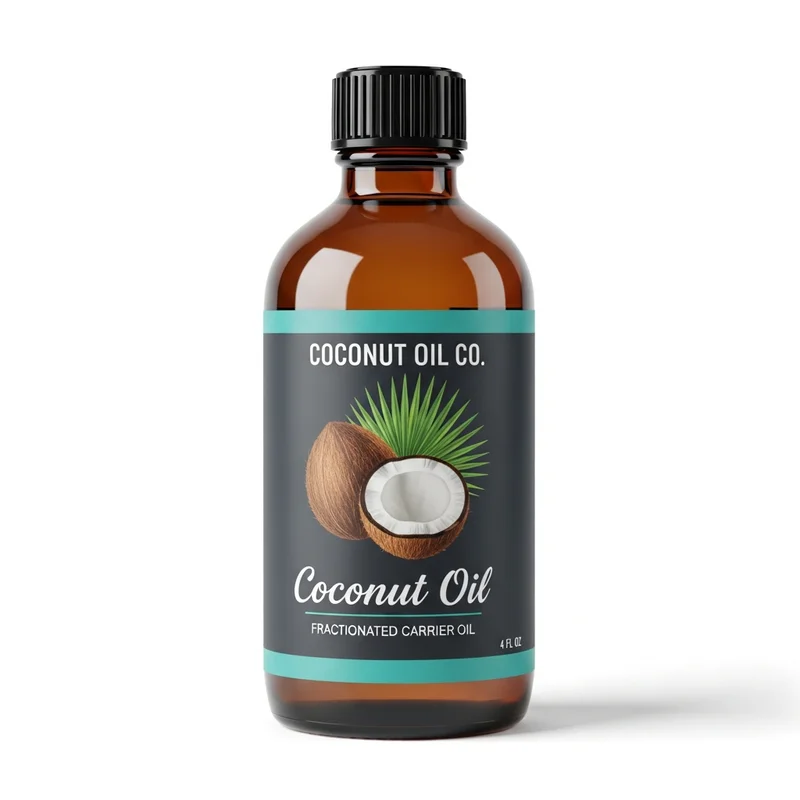 Fractionated Coconut Oil
Our own Fractionated Coconut Oil, in sizes from 0.5 oz to bulk. From $8.99.
Shop Now →
Fractionated Coconut Oil
Our own Fractionated Coconut Oil, in sizes from 0.5 oz to bulk. From $8.99.
Shop Now →
Whether you're looking for the best coconut oil for cooking, skincare, or hair care, knowing which coconut oil to buy depends entirely on understanding how these processing methods affect the final product. Let's dive deep into the fractionated vs cold pressed coconut oil debate to help you make the smartest choice.
What is Cold Pressed Coconut Oil?
Cold pressed coconut oil represents the traditional, minimally processed approach to coconut oil extraction. This method involves mechanically pressing fresh coconut meat (or dried copra) at temperatures below 120°F (49°C) to extract the oil without using chemical solvents or excessive heat.
The Cold Pressing Process
The cold pressing process typically follows these steps:
- Fresh coconut selection: Mature coconuts are cracked open and the meat is extracted
- Mechanical pressing: The coconut meat is pressed using hydraulic or expeller presses
- Low-temperature extraction: Temperatures remain below 120°F to preserve nutrients
- Natural separation: Oil naturally separates from the coconut milk and pulp
- Minimal filtering: Light filtering removes any remaining particles
This gentle extraction method helps preserve the coconut's natural compounds, including some research suggests may retain more antioxidants and vitamins compared to heavily processed alternatives.
Characteristics of Cold Pressed Coconut Oil
- Physical state: Solid at room temperature (below 76°F/24°C)
- Appearance: White when solid, clear when melted
- Aroma: Distinctive coconut scent
- Flavor: Rich, tropical coconut taste
- Shelf life: 2-3 years when stored properly
- Smoke point: Around 350°F (177°C)
What is Fractionated Coconut Oil?
Fractionated coconut oil takes a completely different approach. This processing method separates the different fatty acid components of coconut oil, keeping only the medium-chain triglycerides (MCTs) while removing the long-chain fatty acids that cause coconut oil to solidify at room temperature.
The Fractionation Process
The fractionated coconut oil difference lies in this more complex processing method:
- Initial oil extraction: Standard coconut oil is first extracted
- Heat treatment: Oil is heated to separate fatty acid chains
- Controlled cooling: Temperature is gradually reduced
- Physical separation: Long-chain fatty acids crystallize and are removed
- Purification: Remaining liquid oil is filtered and purified
- Quality testing: Final product undergoes testing for purity
Characteristics of Fractionated Coconut Oil
- Physical state: Always liquid at room temperature
- Appearance: Crystal clear, colorless
- Aroma: Virtually odorless
- Flavor: Neutral, no coconut taste
- Shelf life: 1-2 years
- Absorption: Lighter, less greasy feel on skin
Key Differences: Fractionated vs Cold Pressed Coconut Oil

| Feature | Cold Pressed | Fractionated |
|---|---|---|
| Processing | Minimal, low-temperature extraction | Advanced processing with heat separation |
| Physical State | Solid below 76°F | Always liquid |
| Scent | Strong coconut aroma | Odorless |
| Flavor | Distinct coconut taste | Neutral/flavorless |
| Fatty Acid Profile | Complete spectrum (MCTs + LCTs) | Primarily MCTs (C8-C12) |
| Shelf Life | 2-3 years | 1-2 years |
| Price Point | Generally less expensive | Usually more expensive |
| Skin Absorption | Heavier, may feel greasy | Light, non-greasy |
Best Uses for Cold Pressed Coconut Oil
Cooking and Baking
Cold pressed coconut oil shines in the kitchen. Its natural coconut flavor may enhance baked goods, curries, and tropical dishes. The solid state at room temperature makes it excellent for:
- Baking recipes that require solid fats
- Making coconut butter or spreads
- Sautéing vegetables with coconut flavor
- Creating dairy-free frosting bases
Traditional Beauty Applications
Many people report using cold pressed coconut oil for various beauty purposes, though individual results may vary:
- Deep conditioning hair treatments
- Body moisturizing (especially in colder climates where it stays solid)
- Makeup removal
- DIY beauty product base
Household Uses
The versatility of cold pressed coconut oil extends beyond personal care:
- Natural furniture polish
- Leather conditioning
- Rust prevention on metal tools
- Pet coat conditioning (consult your veterinarian first)
Best Uses for Fractionated Coconut Oil
Skincare and Cosmetics
Fractionated coconut oil's light texture and neutral properties make it particularly popular for skincare applications:
- Lightweight daily moisturizer
- Massage oil base
- Essential oil carrier oil
- Makeup primer alternative
- Cuticle and nail care
Hair Care
For hair applications, fractionated coconut oil offers different benefits than its cold-pressed counterpart:
- Light leave-in treatment that won't weigh hair down
- Scalp massage oil
- Frizz control for fine hair
- Heat protectant base (though not sufficient alone)
Therapeutic and Wellness Applications
Many wellness practitioners prefer fractionated coconut oil because:
- It doesn't solidify during massage
- Mixes well with essential oils
- Won't stain sheets or clothing as easily
- Suitable for people sensitive to coconut scent
Nutritional and Fatty Acid Comparison
Cold Pressed Coconut Oil Fatty Acid Profile
Cold pressed coconut oil contains the complete spectrum of fatty acids naturally found in coconuts:
- Lauric acid (C12): 45-50%
- Myristic acid (C14): 16-21%
- Capric acid (C10): 5-8%
- Caprylic acid (C8): 5-10%
- Palmitic acid (C16): 8-10%
- Oleic acid (C18:1): 5-8%
Fractionated Coconut Oil Fatty Acid Profile
Fractionated coconut oil primarily contains medium-chain triglycerides:
- Caprylic acid (C8): 50-80%
- Capric acid (C10): 20-50%
- Minimal lauric acid: Most is removed during processing
- No long-chain fatty acids: These are filtered out
Some research suggests that MCTs may be metabolized differently than longer-chain fatty acids, though individual responses can vary significantly.
Price and Value Considerations

Cost Analysis
When determining which coconut oil to buy, price often plays a significant role:
- Cold pressed coconut oil: Generally ranges from $8-25 per 16 oz, depending on quality and organic certification
- Fractionated coconut oil: Typically costs $12-30 per 16 oz due to additional processing
Value Factors
Consider these factors when evaluating value:
- Versatility: Cold pressed oil works for both cooking and beauty
- Shelf life: Cold pressed typically lasts longer
- Intended use: Specialized applications may justify higher fractionated oil costs
- Organic certification: Adds value but increases price for both types
Quality Indicators and What to Look For
Cold Pressed Coconut Oil Quality Markers
- Extraction method: Look for "cold pressed" or "expeller pressed"
- Organic certification: USDA Organic ensures no pesticides
- Virgin vs. refined: Virgin oil retains more natural properties
- Packaging: Glass jars protect from light and maintain quality
- Color and texture: Should be white when solid, clear when liquid
- Aroma: Fresh coconut scent, not rancid or off-putting
Fractionated Coconut Oil Quality Markers
- Processing method: Physical fractionation preferred over chemical
- Purity: 100% pure fractionated coconut oil without additives
- Clarity: Should be crystal clear with no cloudiness
- Odor: Should be virtually odorless
- Consistency: Remains liquid at all room temperatures
- Third-party testing: Ensures purity and quality standards
Storage and Shelf Life
Cold Pressed Coconut Oil Storage
- Store in a cool, dry place away from direct sunlight
- Glass containers preferred over plastic
- No refrigeration necessary
- Natural melting and solidifying won't affect quality
- Properly stored oil lasts 2-3 years
Fractionated Coconut Oil Storage
- Store in a cool, dry place
- Keep container tightly sealed to prevent oxidation
- Less sensitive to temperature fluctuations
- Typically lasts 1-2 years when properly stored
- May have shorter shelf life due to processing
Making Your Decision: Which Coconut Oil Should You Buy?
Choose Cold Pressed Coconut Oil If:
- You want a versatile oil for both cooking and beauty use
- You enjoy the natural coconut flavor and aroma
- You prefer minimally processed products
- You're looking for the most economical option
- You want the complete fatty acid profile
- You plan to use it primarily for baking or cooking
Choose Fractionated Coconut Oil If:
- You need a lightweight, non-greasy oil for skincare
- You're sensitive to coconut scent or flavor
- You plan to mix it with essential oils
- You want an oil that stays liquid in all temperatures
- You're using it primarily for massage or beauty applications
- You prefer a neutral-tasting oil
Consider Both If:
Many coconut oil enthusiasts keep both types on hand - cold pressed for cooking and general use, and fractionated for specific beauty and wellness applications. This approach maximizes the unique benefits of each type.
Conclusion
Understanding the fractionated vs cold pressed coconut oil difference empowers you to make informed purchasing decisions based on your specific needs. Cold pressed coconut oil offers versatility, natural coconut characteristics, and traditional benefits at an economical price point. Fractionated coconut oil provides specialized advantages for skincare and beauty applications with its lightweight, odorless properties.
Neither option is inherently "better" - they're simply different tools for different jobs. Consider your primary intended uses, budget, and personal preferences when deciding which coconut oil to buy. Remember that individual experiences may vary, and it's always wise to patch test any new oil on your skin before widespread use.
Whether you choose cold pressed, fractionated, or decide to keep both in your pantry, you're investing in one of nature's most versatile oils. Start with the type that best matches your immediate needs, and don't hesitate to explore the other option as your understanding of coconut oil's possibilities expands.