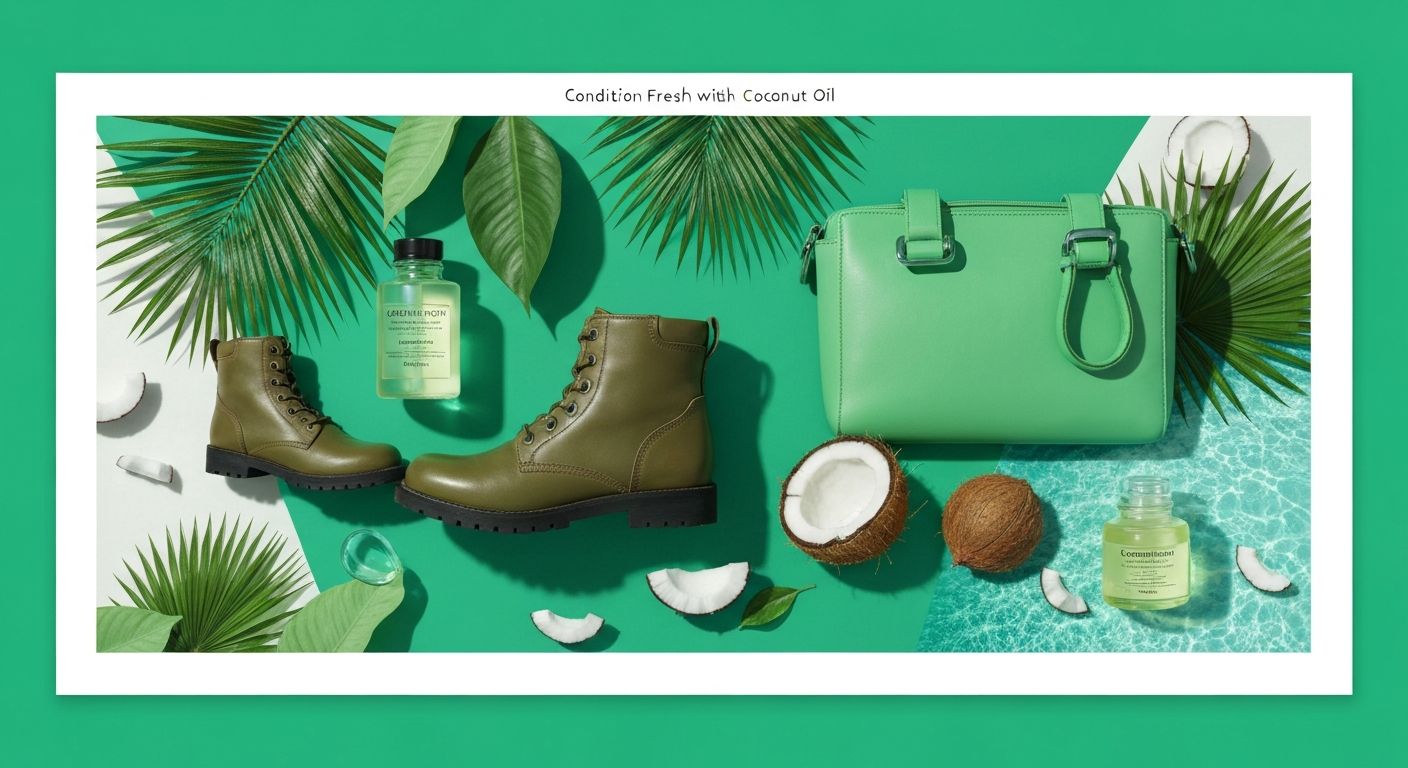
How to Condition Leather Boots and Bags with Coconut Oil
Your favorite leather boots and bags deserve the best care, and coconut oil might just be the natural solution you've been looking for. This tropical oil has been traditionally used by leather craftspeople for generations, and many people report excellent results when conditioning their leather goods with this versatile ingredient.
Unlike commercial leather conditioners packed with synthetic chemicals, coconut oil offers a more natural approach that many users find effective for maintaining their leather items. Whether you're dealing with stiff work boots or a treasured leather handbag, this comprehensive guide will walk you through the process of using coconut oil for leather conditioning.
Why Coconut Oil May Work for Leather Conditioning
Coconut oil possesses several properties that leather enthusiasts have found beneficial. The oil's molecular structure allows it to potentially penetrate leather fibers, and many users report that it helps restore suppleness to dried-out leather goods.
Some research suggests that coconut oil's natural composition may help maintain leather flexibility, though individual results can vary based on leather type and condition. Traditional leather workers have long valued coconut oil for its stability and the way it appears to nourish leather without leaving excessive residue.
Benefits People Report
- May help restore flexibility to stiff leather
- Could potentially enhance the natural luster of leather
- Anecdotal evidence suggests it may help prevent cracking
- Users often find it more affordable than commercial conditioners
- Many appreciate its natural origin compared to synthetic alternatives
Materials and Ingredients You'll Need
Before starting your leather conditioning project, gather these essential materials:
Primary Ingredients
- Virgin coconut oil (unrefined, organic preferred) - 2-3 tablespoons
- Clean, lint-free cloths (microfiber or cotton work well) - 3-4 pieces
Additional Supplies
- Soft-bristled brush (old toothbrush works)
- Newspaper or drop cloth to protect work surface
- Small bowl for warming oil (optional)
- Leather cleaner or mild soap solution
- Well-ventilated workspace
Step-by-Step Instructions for Conditioning Leather Boots
Follow these detailed steps to condition your coconut oil leather boots safely and effectively:
Step 1: Prepare Your Workspace and Boots
Set up your workspace in a well-ventilated area, preferably at room temperature. Lay down newspaper or a drop cloth to protect surfaces. Remove laces from boots and stuff them lightly with newspaper to help maintain their shape during conditioning.
Step 2: Clean the Leather Surface
Before applying coconut oil, ensure your boots are clean. Use a soft brush to remove surface dirt and debris. For stubborn grime, dampen a cloth with a mild soap solution and gently wipe the leather. Allow boots to dry completely before proceeding—this typically takes 15-30 minutes.
Step 3: Test in an Inconspicuous Area
Important: Always test coconut oil on a small, hidden area first (like the tongue or heel area). Apply a tiny amount and wait 24 hours to observe any color changes or adverse reactions. This step is crucial as leather can react differently to oils.
Step 4: Prepare the Coconut Oil
If your coconut oil is solid (which happens below 76°F), you can either:
- Warm it slightly by placing the jar in warm water for a few minutes
- Scoop out a small amount and warm it between your palms
- Use it in solid form—body heat will melt it as you work
Step 5: Apply the Coconut Oil
Using a clean cloth, apply a thin layer of coconut oil to the leather surface. Work in small sections, using circular motions to distribute the oil evenly. Focus on areas that appear particularly dry or cracked, but avoid over-saturating the leather.
Key tip: Less is more. Start with a very small amount—you can always add more if needed.
Step 6: Work the Oil Into the Leather
Using gentle pressure, massage the oil into the leather using your cloth. Pay special attention to creases and flex points where the leather experiences the most stress. This process should take about 5-10 minutes per boot.
Step 7: Allow Absorption Time
Let the boots sit for at least 30 minutes to allow the oil to penetrate the leather fibers. For very dry leather, you might leave them for several hours or overnight.
Step 8: Buff and Finish
Using a clean, dry cloth, gently buff the leather surface to remove any excess oil and restore shine. This final step helps prevent the leather from feeling greasy or attracting dirt.
Conditioning Leather Bags and Accessories
The process for conditioning a coconut oil leather bag follows similar principles but requires some additional considerations:
Special Considerations for Bags
- Empty completely: Remove all contents and check pockets thoroughly
- Support structure: Stuff bags lightly with tissue paper to maintain shape
- Hardware protection: Cover metal buckles, zippers, and clasps with tape or plastic
- Interior care: Focus primarily on exterior surfaces unless interior is also leather
Modified Application Steps
- Clean the bag exterior with appropriate leather cleaner
- Perform patch test on bottom or back panel
- Apply coconut oil sparingly to exterior surfaces
- Pay extra attention to handles and high-wear areas
- Allow adequate drying time before using (24 hours recommended)
Common Mistakes to Avoid
Learning from others' experiences can help you achieve better results with your leather conditioning coconut oil project:
Over-Application
The most frequent mistake is using too much oil. Excess coconut oil can:
- Leave leather feeling greasy or sticky
- Attract dirt and debris
- Potentially darken leather more than desired
- Create an uneven finish
Skipping the Patch Test
Never skip testing on an inconspicuous area. Some leather types or finishes may react unexpectedly to coconut oil, potentially causing discoloration or texture changes.
Conditioning Dirty Leather
Always clean leather before conditioning. Applying oil over dirt or grime can seal in contaminants and potentially damage the leather over time.
Ignoring Weather Conditions
Avoid conditioning leather in extremely humid conditions or direct sunlight. Room temperature with moderate humidity provides optimal conditions for proper absorption.
Expected Results and Timeline
When using coconut oil as a natural leather conditioner, people typically report seeing results within the first application, though outcomes can vary significantly based on several factors:
Immediate Effects (0-24 hours)
- Leather may appear slightly darker initially
- Surface should feel less dry to the touch
- Some users notice improved flexibility right away
Short-term Results (1-2 weeks)
- Color typically normalizes as oil fully absorbs
- Many people report enhanced suppleness
- Natural luster may become more apparent
Long-term Benefits (1-3 months)
- Regular users often observe improved leather resilience
- Some report that properly conditioned leather shows less cracking
- Anecdotal evidence suggests extended leather lifespan
Alternative DIY Recipes and Variations
While pure coconut oil works well for many people, you might also consider creating a coconut oil DIY leather balm for enhanced results:
Simple Leather Balm Recipe
- 2 tablespoons coconut oil
- 1 tablespoon beeswax (for added protection)
- 1 teaspoon sweet almond oil (optional, for extra conditioning)
Melt ingredients together in a double boiler, let cool, and apply similarly to pure coconut oil.
Maintenance Schedule and Best Practices
Establishing a regular conditioning routine helps maintain your leather goods effectively:
Recommended Frequency
- Heavy-use items (daily work boots): Every 4-6 weeks
- Regular-use items (weekend boots, frequent-use bags): Every 2-3 months
- Occasional-use items: Every 6 months or seasonally
- Storage items: Once yearly before long-term storage
Storage Tips After Conditioning
- Allow 24-48 hours before wearing or using conditioned items
- Store in cool, dry places away from direct sunlight
- Use cedar shoe trees for boots to maintain shape
- Avoid plastic bags—leather needs to breathe
When to Seek Professional Help
While coconut oil conditioning works well for routine maintenance, some situations may require professional leather care:
- Severely cracked or damaged leather
- Expensive designer items you're uncertain about treating
- Leather that shows adverse reactions to testing
- Items with complex construction or mixed materials
- Vintage or antique leather goods
Expanding Your Natural Leather Care Knowledge
Coconut oil leather conditioning is just one aspect of natural coconut oil household uses. As you become more comfortable with this technique, you might explore other applications and develop a comprehensive natural approach to leather care.
Remember that individual results may vary, and what works wonderfully for one person's leather goods might produce different results for another. The key is starting slowly, testing thoroughly, and observing how your specific leather items respond to coconut oil treatment.
With patience and practice, many people find that coconut oil provides an effective, natural alternative to commercial leather conditioners. Whether you're maintaining work boots, caring for a cherished handbag, or exploring sustainable leather care options, this traditional method offers a time-tested approach that countless leather enthusiasts have found valuable.