
How to Deodorize Coconut Oil for Cooking Without Coconut Flavor
Coconut oil is a kitchen staple for good reason. It handles high heat well, has a long shelf life, and works across an enormous range of recipes. But the distinct tropical scent and flavor of virgin coconut oil is not always what you want. Sautéed vegetables, pan-seared fish, or a neutral vinaigrette can all suffer when a strong coconut note pushes its way into the final dish.
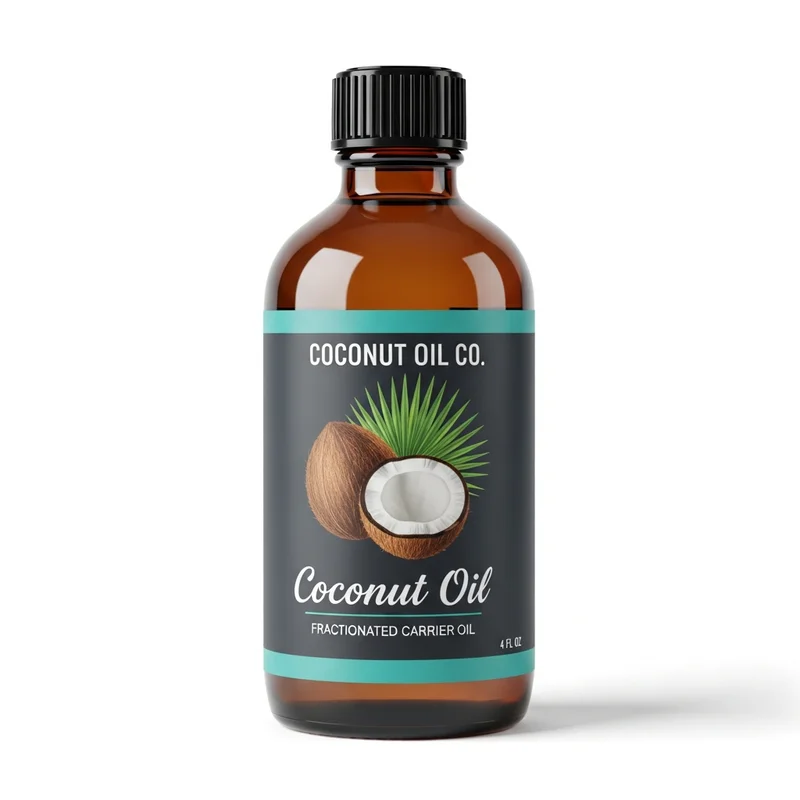 Fractionated Coconut Oil
Our own Fractionated Coconut Oil, in sizes from 0.5 oz to bulk. From $8.99.
Shop Now →
Fractionated Coconut Oil
Our own Fractionated Coconut Oil, in sizes from 0.5 oz to bulk. From $8.99.
Shop Now →
The good news: you can get all the cooking performance of coconut oil without any of the flavor. This guide walks you through how deodorized coconut oil is made commercially, how to approximate that process at home, and when it simply makes more sense to buy a pre-made neutral coconut oil instead.
What Makes Coconut Oil Smell and Taste Like Coconut?
Virgin coconut oil gets its characteristic aroma from a group of naturally occurring compounds, primarily short- and medium-chain fatty acids and trace volatile esters produced during fermentation or cold pressing. These compounds are relatively fragile. They respond to heat, steam, and filtration in predictable ways, which is exactly what commercial processors exploit when producing neutral coconut oil for cooking.
Understanding this is useful because it means removing the flavor is not a mysterious process. It is essentially controlled exposure to heat and steam, followed by filtration. The core oil, with its fatty acid profile largely intact, remains behind.
Commercial Deodorization: What Actually Happens
Commercially produced deodorized coconut oil goes through a process called RBD: Refined, Bleached, and Deodorized. Each step serves a specific purpose.
- Refining: Raw coconut oil is treated to remove impurities, free fatty acids, and residual solids from pressing.
- Bleaching: The oil passes through natural bleaching clays or activated charcoal, which adsorb pigments, remaining phospholipids, and some odor compounds. Despite the name, no chemical bleach is involved in food-grade processing.
- Deodorizing: Steam is injected into the oil under high heat (typically between 230°C and 270°C) and low pressure. The volatile aromatic compounds vaporize and are removed with the steam. What remains is a clean, pale, nearly flavorless oil.
The result is a coconut oil with no taste that behaves almost identically to virgin coconut oil in the pan. Same smoke point range. Same solid-at-room-temperature texture. Just without the tropical flavor signature.
Replicating the full RBD process at home is not realistic. The pressure requirements alone put it out of reach of a home kitchen. But you can achieve a meaningfully milder flavor through a simpler home method that removes a significant portion of the volatile aroma compounds.
The Home Method: Steam Deodorizing on the Stovetop
This method will not produce a perfectly neutral oil the way commercial processing does. What it will do is substantially reduce the coconut aroma and flavor, making the oil suitable for dishes where a mild coconut note is acceptable but a strong one is not. Think of it as a practical middle ground.
What You Will Need
- Virgin coconut oil (refined slightly works better than extra-virgin as a starting point)
- A heavy-bottomed saucepan or skillet
- A kitchen thermometer
- Distilled water
- A fine-mesh strainer lined with cheesecloth
- A clean, dry glass jar for storage
Step-by-Step Instructions
- Measure your oil. Start with at least 1 cup (about 200g) of coconut oil. Smaller quantities are harder to manage because the water-to-oil ratio becomes tricky to control.
- Melt the oil gently. Place the coconut oil in your saucepan over low heat. Let it melt fully before proceeding. Do not rush this step.
- Add distilled water. Once the oil is liquid, add 2 tablespoons of distilled water per cup of oil. Distilled water is preferable to tap water because it introduces no minerals or odors of its own.
- Raise the heat to medium. The water will begin to simmer. As it simmers, it creates steam within the oil. This steam carries volatile aromatic compounds out of the oil and into the air. You will actually notice the coconut scent intensifying briefly before it fades. This is normal.
- Monitor the temperature carefully. Keep the oil between 100°C and 120°C (212°F to 248°F). Use your thermometer. You want a steady, active simmer in the water, not a rolling boil or a full fry. Overheating the oil at this stage can degrade quality.
- Simmer for 20 to 30 minutes. Stir occasionally. The water will gradually evaporate. Continue until you hear the sputtering and crackling that signals almost all the water is gone. At this point, lower the heat immediately.
- Remove from heat and cool slightly. Let the oil cool for 10 minutes. It should smell noticeably milder than when you started.
- Strain through cheesecloth. Pour the warm oil through your fine-mesh strainer lined with cheesecloth into a clean glass jar. This removes any small particulates that were already in the oil or that may have formed during heating.
- Cool completely before sealing. Leave the jar open until the oil is at room temperature, then seal and store it in a cool, dark place.
What to Expect
The oil will taste and smell significantly milder than it did before. It will not be completely flavor-free. If you cook a delicate white fish fillet in it, you may still detect a faint background note. For most savory applications, including roasting, sautéing, and baking, the result is genuinely neutral enough to use without the coconut flavor competing with other ingredients.
When to Just Buy Deodorized Coconut Oil
Honestly, for many cooks, the easier answer is to stock both types. If you use large quantities of neutral cooking oil regularly, purchasing commercially produced deodorized coconut oil saves time and delivers a more consistently neutral result.
Look for labels that say "refined," "expeller-pressed refined," or "deodorized." Expeller-pressed refined oils skip chemical solvents during the initial extraction phase, which many cooks prefer. The deodorization step still uses steam and heat, but the starting material is cleaner.
A good comparison of refined vs. unrefined coconut oil will help you understand exactly what the label language means before you buy. The terminology varies between brands, and some marketing language can be misleading.
Cooking with Neutral Coconut Oil: Where It Shines
Once you have a flavorless or low-flavor coconut oil, a wide range of cooking applications open up that would have been awkward with a strongly scented virgin oil.
High-Heat Cooking
Refined coconut oil has a smoke point in the range of 200°C to 232°C (400°F to 450°F), which makes it a solid choice for stir-frying, searing proteins, and deep frying. It is more stable at high temperatures than many polyunsaturated vegetable oils.
Baking
Coconut oil is a popular butter substitute in baking. With a neutral version, you get the fat performance (flakiness in pastry, moisture in cakes) without any coconut flavor bleeding into, say, a lemon tart or a classic chocolate chip cookie. Check out this guide on using coconut oil as a baking substitute for ratio guidance.
Eggs and Delicate Proteins
Scrambled eggs, omelets, and pan-seared scallops all benefit from a neutral fat. The coconut oil's natural fat composition supports good browning without smoking at moderate heat.
Popcorn and Stovetop Grains
Neutral coconut oil makes excellent popcorn. It coats kernels evenly and handles the heat required for good pop without flavoring the result. The same applies to toasting grains and seeds on the stovetop.
Homemade Condiments and Dressings
Warm coconut oil blends smoothly into dressings and sauces when used in its liquid state. A neutral version works in places where olive oil might be too assertive and coconut flavor would be off-putting. Learn more about using coconut oil in salad dressings for practical starting-point ratios.
Storing Your Deodorized Coconut Oil
Both home-processed and commercially refined coconut oil should be stored in the same way as any coconut oil: away from heat, light, and moisture. A sealed glass jar in a pantry or cupboard is ideal. At room temperature, it will be solid in cooler months and liquid in warmer ones. That shift is normal and does not affect quality.
One practical note: because home-processed oil has been exposed to water during the steam process, it is especially important to make sure all moisture has evaporated before sealing the jar. Any residual water creates conditions that could lead to spoilage faster than a dry-stored oil would. Smell the oil before each use. Fresh coconut oil, even refined, has a clean neutral scent. An off or sour smell is a signal to discard it.
For a full breakdown of shelf life and storage best practices, the guide on how to store coconut oil covers both refined and virgin varieties in detail.
Comparing Your Options at a Glance
| Option | Flavor Result | Effort | Best For |
|---|---|---|---|
| Virgin coconut oil, as-is | Strong coconut flavor | None | Baked goods that welcome coconut flavor, tropical-inspired dishes |
| Home steam deodorizing | Mild, faint coconut note | 30 to 40 minutes active time | Savory cooking where slight background flavor is acceptable |
| Commercially refined RBD coconut oil | Neutral, no detectable coconut | Purchase only | Any application where a fully neutral fat is required |
Frequently Asked Questions
Does deodorizing change the nutritional profile of coconut oil?
The fatty acid composition of coconut oil, including its medium-chain fatty acid content, remains largely intact through steam deodorization. The process primarily removes volatile aromatic compounds rather than altering the core fat structure. Some minor fat-soluble micronutrients present in virgin oil may be reduced, but the overall profile is comparable.
Can I deodorize coconut oil in the oven instead?
Some people spread coconut oil in a shallow baking dish and heat it in an oven at around 175°C (350°F) for 20 minutes or so. This does reduce the aroma somewhat, but without the steam component, the volatile compound removal is less effective than the stovetop water method. It is worth trying if you prefer oven cooking, but expect a less dramatic flavor reduction.
Will deodorized coconut oil still solidify in the refrigerator?
Yes. The solidification point of coconut oil is determined by its fatty acid composition, not its aroma compounds. Refined, deodorized coconut oil behaves exactly like virgin oil in terms of solid and liquid states.
Is expeller-pressed the same as deodorized?
Not exactly. Expeller-pressed refers to the extraction method (mechanical pressing without chemical solvents). An expeller-pressed oil may be refined and deodorized afterward, or it may be left as a virgin-style oil with its natural flavor. Always check whether the label also says "refined" or "deodorized" if a neutral flavor is your goal.
A Note on Starting Quality
The home deodorizing method works best when you start with a high-quality coconut oil. An oil that already has off-notes, rancid undertones, or a sour smell will not improve through steam processing. It will just smell like a hot version of those same problems. Start with a fresh, good-quality virgin or lightly refined oil for the best results.
If you are sourcing coconut oil in bulk for cooking, it is worth understanding how coconut oil is made from harvest through processing. Knowing what happened to the oil before it reached your kitchen makes it easier to predict how it will perform.
Neutral coconut oil is a genuinely useful pantry addition. Whether you process it at home or buy it pre-made, having a flavorless high-heat fat expands what you can cook with confidence.