How to Make Coconut Oil from Dried Coconut (Copra Method)
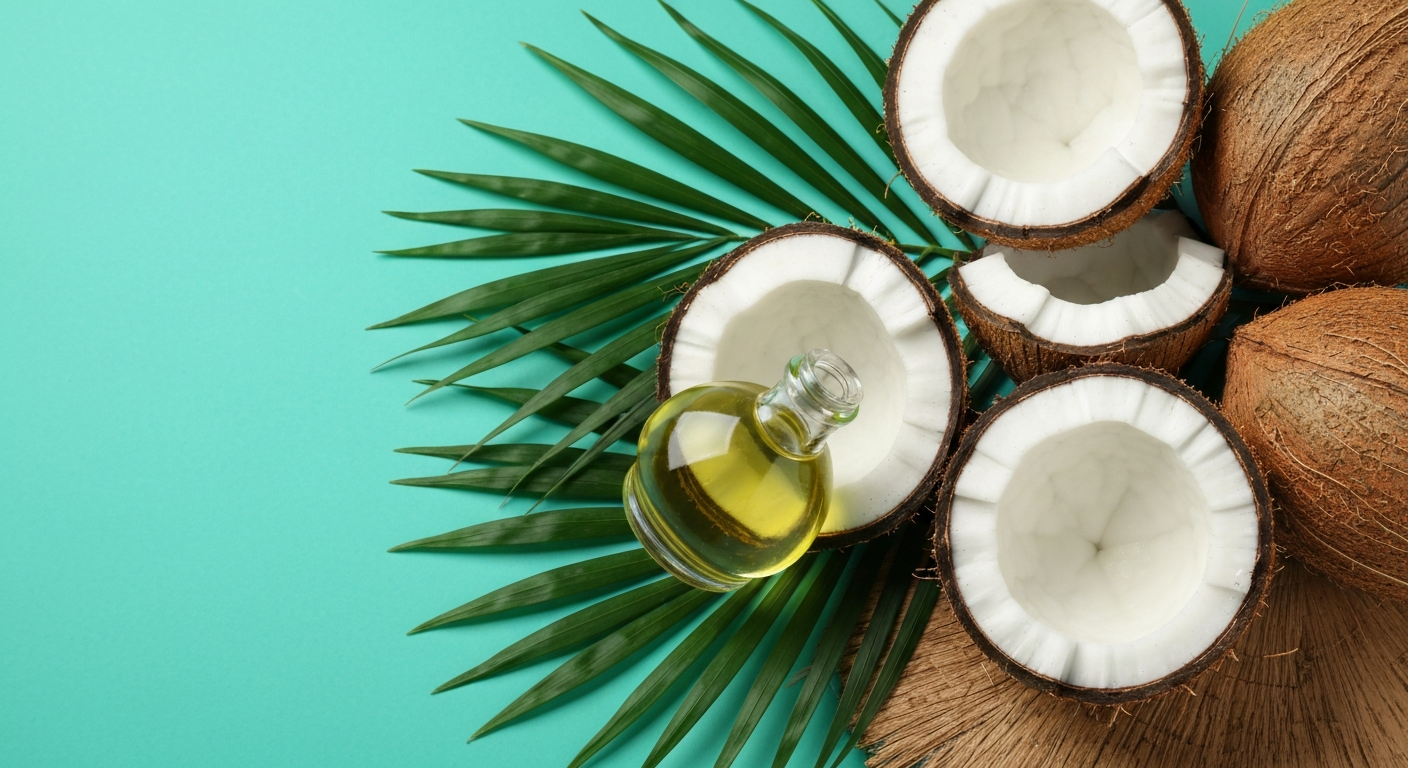
Making coconut oil from dried coconut, also known as the copra method, is a time-honored technique that transforms dried coconut meat into liquid gold. This traditional process has been used for centuries across tropical regions and offers home enthusiasts a way to create their own high-quality coconut oil with minimal equipment.
 Fractionated Coconut Oil
Our own Fractionated Coconut Oil, in sizes from 0.5 oz to bulk. From $8.99.
Shop Now →
Fractionated Coconut Oil
Our own Fractionated Coconut Oil, in sizes from 0.5 oz to bulk. From $8.99.
Shop Now →
The copra method involves extracting oil from dried coconut meat through heating and pressing techniques. While it requires patience and attention to detail, this approach can yield impressive results and gives you complete control over your oil's quality and purity.
Understanding Copra: The Foundation of Quality Oil
Copra refers to dried coconut meat that has been removed from the shell and dehydrated to reduce moisture content. This drying process is crucial because it concentrates the oil content and makes extraction more efficient. Quality copra should be white to light yellow in color, free from mold or dark spots, and have a pleasant, nutty aroma.
The oil content in properly dried copra typically ranges from 60-70%, making it an excellent starting material for oil extraction. When selecting copra for your coconut oil from dried coconut project, look for pieces that feel firm and dry to the touch, without any signs of rancidity or off-odors.
Types of Copra
- Sun-dried copra: Naturally dried under sunlight, often considered superior for flavor
- Kiln-dried copra: Artificially dried using controlled heat, more consistent moisture content
- Smoke-dried copra: Traditional method using wood fires, may impart subtle smoky notes
Essential Equipment and Materials
Before beginning your copra coconut oil extraction, gather these necessary items:
Required Equipment:
- Heavy-bottom pot or slow cooker
- Fine mesh strainer or cheesecloth
- Heat-resistant glass jars for storage
- Wooden spoon for stirring
- Kitchen scale for measuring
- Thermometer (optional but recommended)
Materials Needed:
- 2-3 pounds of high-quality copra (dried coconut meat)
- Small amount of water (1-2 cups)
- Clean kitchen towels
Safety Note: Always work with clean equipment and maintain proper hygiene throughout the process. The heated oil can reach high temperatures, so handle with appropriate caution.
Step-by-Step Copra Method Process
Step 1: Preparing the Copra
Begin by examining your copra carefully. Remove any pieces that show signs of mold, dark discoloration, or unusual odors. Break larger pieces into uniform chunks, roughly 1-2 inches in size. This ensures even heating during the extraction process.
Weigh your prepared copra to determine the expected oil yield. Generally, you can expect to extract about 1-2 cups of oil per pound of quality copra, though yields may vary based on the copra's oil content and your extraction efficiency.
Step 2: Initial Heating Process
Place the prepared copra in your heavy-bottom pot and add just enough water to barely cover the bottom of the pot (about 1/4 inch deep). This small amount of water helps prevent the copra from burning during the initial heating phase.
Set your heat to medium-low and begin the gentle heating process. The goal is to gradually warm the copra to release its oil content without scorching the material. Stir occasionally with your wooden spoon to ensure even heating.
Step 3: Oil Extraction Phase
As the copra heats, you'll notice oil beginning to separate and pool at the bottom of the pot. This typically begins after 15-20 minutes of gentle heating. Continue cooking while stirring regularly, maintaining a temperature that produces gentle simmering without vigorous boiling.
The copra will gradually turn golden brown and release increasing amounts of oil. This process usually takes 45-60 minutes, depending on the quantity of copra and your heat level. You'll know the extraction is progressing well when you see clear oil separating from the coconut solids.
Step 4: Final Extraction and Straining
Once the copra pieces have turned golden brown and most of the oil has been released, remove the pot from heat. Allow the mixture to cool slightly for safer handling.
Line your fine mesh strainer with cheesecloth and position it over a clean glass jar. Carefully pour the oil and copra mixture through the strainer. The cheesecloth will catch the solid particles while allowing the pure oil to pass through.
For maximum extraction, gently press the remaining copra solids with the back of your wooden spoon to squeeze out additional oil. Don't press too hard, as this may force small particles through your filter.
Step 5: Final Filtering and Storage
For crystal-clear oil, you may want to strain the oil a second time through fresh cheesecloth or a coffee filter. This extra step removes any remaining fine particles and results in a cleaner final product.
Pour your filtered coconut oil into clean, dry glass jars, leaving about an inch of headspace. Allow the oil to cool completely before sealing with tight-fitting lids.
Quality Indicators and Yield Expectations
Successfully made coconut oil from dried coconut should exhibit several quality characteristics:
Visual Qualities:
- Clear, golden color when warm
- Solidifies to white or off-white when cool
- Free from cloudiness or particles
- No signs of separation or layering
Aromatic Properties:
- Pleasant, nutty coconut aroma
- No rancid or off-odors
- Intensity may vary based on copra quality
Expected Yield:
From high-quality copra, you can typically expect to extract:
- 60-70% oil by weight from premium copra
- Approximately 1.5-2 cups of oil per pound of copra
- Yields may be lower with older or lower-grade copra
Troubleshooting Common Issues

Low Oil Yield
If your extraction produces less oil than expected, consider these factors:
- Copra may have been over-dried or aged, reducing oil content
- Heating temperature may have been too low for efficient extraction
- Insufficient cooking time may leave oil trapped in the solids
Dark or Bitter Oil
Oil discoloration or bitter flavors often result from:
- Overheating during the extraction process
- Using copra that was beginning to spoil
- Insufficient straining allowing burnt particles to remain
Cloudy Appearance
Cloudiness in your finished oil may indicate:
- Moisture content in the original copra
- Inadequate straining of the final product
- Contamination during the process
Storage and Shelf Life
Properly made copra coconut oil can maintain quality for extended periods when stored correctly:
Optimal Storage Conditions:
- Store in airtight glass containers
- Keep in a cool, dark location
- Avoid temperature fluctuations
- Protect from direct sunlight
Shelf Life Expectations:
- Properly stored oil: 18-24 months
- Refrigerated storage: Up to 3 years
- Room temperature storage: 12-18 months
Monitor your oil regularly for signs of rancidity, including off-odors, unusual colors, or bitter flavors. Fresh coconut oil should maintain its pleasant aroma and neutral to slightly sweet taste throughout its shelf life.
Comparing Copra Method to Other Extraction Techniques
Understanding how the copra method compares to other coconut oil extraction techniques helps you appreciate the unique qualities of your homemade oil:
| Method | Oil Quality | Equipment Needed | Time Required |
|---|---|---|---|
| Copra Method | Rich, traditional flavor | Basic kitchen equipment | 1-2 hours |
| Cold Press | Mild, neutral flavor | Specialized press | 30 minutes |
| Wet Milling | Fresh, intense coconut flavor | Fresh coconuts, grater | 2-3 hours |
Tips for Success
To ensure the best results when making coconut oil from dried coconut, keep these professional tips in mind:
- Temperature control: Maintain gentle, consistent heat throughout the process
- Quality ingredients: Start with the highest quality copra available
- Patience pays: Don't rush the extraction process for better oil quality
- Clean technique: Maintain sanitary conditions throughout
- Proper straining: Take time to filter thoroughly for clear oil
- Monitor progress: Watch for color changes and oil separation cues
The traditional copra method for making coconut oil from dried coconut connects you with centuries of coconut processing wisdom while producing oil that rivals commercial products. With practice and attention to detail, you'll develop the skills to create consistently high-quality coconut oil that serves your household needs while providing the satisfaction of traditional food craftsmanship.
Remember that your homemade copra coconut oil represents not just a cooking ingredient, but a connection to traditional food preservation and processing techniques that have sustained communities for generations. Each batch you create carries forward this rich heritage while providing you with a pure, natural product made exactly to your standards.