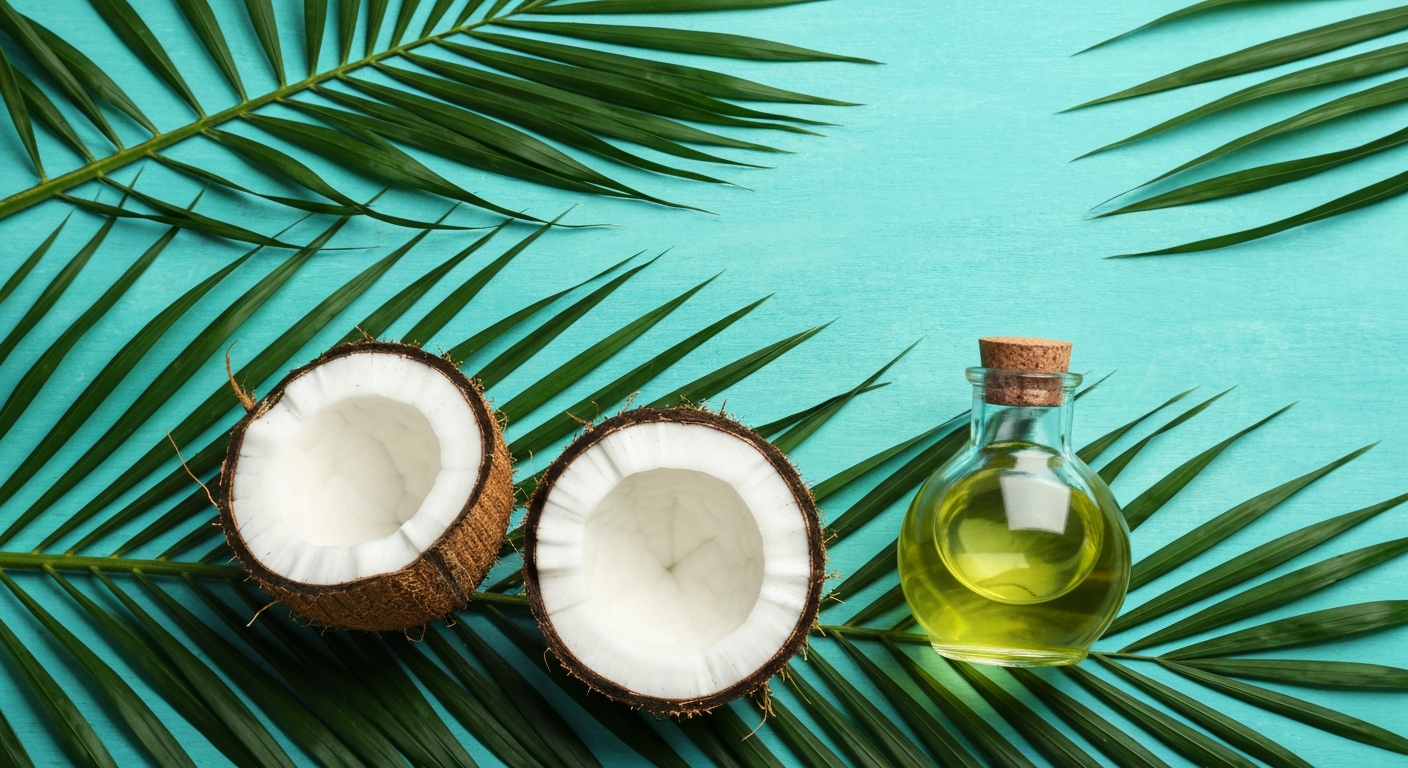
How to Make Cold Pressed Coconut Oil: Small-Batch Method
Making your own cold pressed coconut oil at home might seem like a daunting task, but with the right technique and a bit of patience, you can create high-quality virgin coconut oil in small batches. This traditional method preserves the natural compounds and delicate coconut flavor that make cold pressed coconut oil so prized.
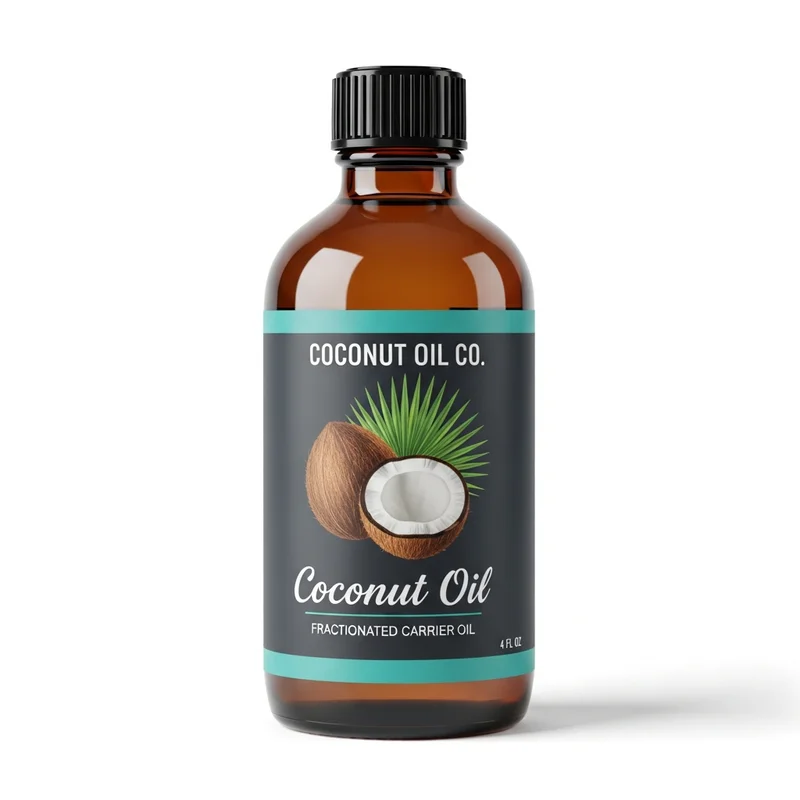 Fractionated Coconut Oil
Our own Fractionated Coconut Oil, in sizes from 0.5 oz to bulk. From $8.99.
Shop Now →
Fractionated Coconut Oil
Our own Fractionated Coconut Oil, in sizes from 0.5 oz to bulk. From $8.99.
Shop Now →
Cold pressing is a mechanical extraction process that doesn't involve heat or chemicals, which some research suggests may help preserve beneficial compounds naturally present in coconuts. While commercial operations use specialized machinery, our small-batch method uses common kitchen equipment to achieve similar results.
Understanding Cold Pressed Coconut Oil
Before diving into the process, it's important to understand what makes cold pressed coconut oil different from other extraction methods. Cold pressing relies on mechanical pressure to extract oil from fresh coconut meat without adding heat above room temperature. This gentle process may help maintain the oil's natural aroma, flavor, and nutritional profile.
The small-batch method we'll explore here is perfect for home enthusiasts who want to experience the process firsthand and create fresh coconut oil for personal use. While yields are smaller than commercial operations, the quality and freshness of homemade cold pressed coconut oil can be exceptional.
Materials and Equipment Needed
Before starting your cold pressed coconut oil DIY project, gather all necessary materials. Having everything prepared will make the process smoother and more efficient.
Fresh Coconuts
- 4-6 mature brown coconuts (the more coconuts, the higher your oil yield)
- Look for coconuts that feel heavy and don't slosh when shaken
- Avoid coconuts with cracks, soft spots, or moldy areas
Kitchen Equipment
- Sharp cleaver or heavy knife
- Coconut grater or food processor with grating attachment
- Large mixing bowl
- Fine-mesh strainer or cheesecloth
- Clean kitchen towels
- Wooden spoon or spatula
- Glass jars for storage
- Measuring cups
Optional Equipment for Enhanced Extraction
- Potato ricer or garlic press (for additional pressing)
- Nut milk bag (for straining)
- Kitchen scale (for measuring ingredients)
Step-by-Step Cold Pressing Process
Now that you have all your materials ready, let's walk through the detailed process of how to cold press coconut oil using the small-batch method.
Step 1: Prepare the Coconuts
- Using a clean cleaver or heavy knife, carefully crack open each coconut. Work over a large bowl to catch any coconut water.
- Drain and save the coconut water – you can drink it fresh or use it in the extraction process if needed.
- Use a sturdy spoon or coconut meat remover to extract all the white coconut meat from the shells.
- Rinse the coconut meat under cool water to remove any shell fragments.
- Cut the coconut meat into smaller chunks for easier grating.
Safety tip: Always use caution when cracking coconuts. Work on a stable surface and consider wearing safety glasses to protect from flying shell fragments.
Step 2: Grate the Coconut Meat
- Using a coconut grater or food processor, finely grate all the coconut meat.
- Aim for a consistency similar to shredded cheese – not too fine, not too coarse.
- If using a food processor, pulse in short bursts to avoid overheating the coconut.
- Transfer all grated coconut to your large mixing bowl.
The finer you grate the coconut meat, the more surface area you create for oil extraction. However, avoid making it so fine that it becomes difficult to strain later.
Step 3: Extract Coconut Milk
- Add about 2 cups of warm (not hot) water to the grated coconut. The water temperature should be comfortable to touch – around room temperature or slightly warmer.
- Mix thoroughly with clean hands, squeezing and kneading the grated coconut to release the coconut milk.
- Continue this process for 10-15 minutes. You'll notice the water becoming thick and creamy.
- Let the mixture sit for 10 minutes to allow maximum extraction.
This step is crucial for successful small batch coconut oil production. The manual kneading helps break down the coconut fibers and release the oil-rich coconut milk.
Step 4: Strain the Coconut Milk
- Place a fine-mesh strainer or cheesecloth over another clean bowl.
- Pour the coconut mixture through the strainer.
- Gather the strained coconut pulp and squeeze firmly to extract as much liquid as possible.
- If using cheesecloth, twist the ends to create a pouch and wring out every drop.
- You should have approximately 3-4 cups of fresh coconut milk.
Don't discard the coconut pulp yet – you can repeat the extraction process once more with fresh water to increase your yield, though the second extraction will be less concentrated.
Step 5: Allow Natural Separation
- Pour the fresh coconut milk into glass jars or clear containers.
- Cover and let sit undisturbed at room temperature for 24-48 hours.
- During this time, natural separation should occur. You'll see the coconut oil rising to the top as a white, solid layer.
- Below the oil layer, you'll notice the separated coconut water, which may appear slightly cloudy.
Patience is key during this step. The natural separation process allows gravity to do the work without applying heat, which is essential for maintaining the cold-pressed quality.
Step 6: Harvest the Oil
- Using a clean spoon, carefully skim the solidified white oil layer from the top of each jar.
- Transfer the oil to a clean glass container.
- If there are any water droplets mixed with the oil, you can gently warm the oil slightly (just enough to melt) and strain through a fine mesh to remove water.
- Allow the oil to cool and solidify again.
Your homemade cold pressed coconut oil should have a pleasant, mild coconut aroma and a white color when solid. At temperatures above 76°F (24°C), it will naturally liquefy and become clear.
Tips for Success

Maximizing Oil Yield
- Use the freshest coconuts possible – older coconuts may have lower oil content
- Grate the coconut meat as finely as practical without creating paste
- Be thorough during the hand-squeezing process
- Consider doing a second extraction with the leftover coconut pulp
- Maintain consistent room temperature during the separation process
Quality Control
- Ensure all equipment is thoroughly clean to prevent contamination
- Use filtered or purified water in the extraction process
- Work in a clean environment free from strong odors
- Handle the coconut meat gently to avoid introducing bitterness
Common Mistakes to Avoid
Temperature Control
One of the most critical aspects of learning how to cold press coconut oil is maintaining proper temperature control. Avoid these common temperature-related mistakes:
- Using hot water during extraction – this compromises the "cold pressed" quality
- Placing jars in direct sunlight or warm areas during separation
- Rushing the process with artificial heat
Contamination Issues
- Not sanitizing equipment properly before starting
- Using metal utensils that might impart metallic flavors
- Allowing dust or other contaminants to enter during the separation phase
- Storing in containers that haven't been properly cleaned
Extraction Problems
- Not grating coconut meat finely enough for optimal extraction
- Insufficient kneading time during the milk extraction phase
- Adding too much or too little water
- Not allowing adequate separation time
Expected Results and Yield
When following this small-batch method properly, you can typically expect to yield approximately 1-2 cups of cold pressed coconut oil from 4-6 mature coconuts. The exact yield depends on several factors:
- Freshness and quality of the coconuts
- Thoroughness of the extraction process
- Environmental conditions during separation
- Efficiency of your grating and squeezing technique
Your finished cold pressed coconut oil should have these characteristics:
- Solid white appearance at room temperature (below 76°F/24°C)
- Clear, colorless liquid when melted
- Pleasant, mild coconut aroma
- Smooth texture without grittiness
- Neutral to slightly sweet taste
Storage and Shelf Life

Proper storage is essential for maintaining the quality of your homemade cold pressed coconut oil:
Storage Containers
- Use clean, dry glass jars with tight-fitting lids
- Avoid plastic containers, which may absorb odors
- Fill containers to minimize air exposure
Storage Conditions
- Store in a cool, dry place away from direct light
- Room temperature storage is generally fine for coconut oil
- Refrigeration isn't necessary but can extend shelf life
Shelf Life Expectations
When stored properly, homemade cold pressed coconut oil typically maintains quality for:
- 6-12 months at room temperature
- Up to 18 months when refrigerated
- Signs of spoilage include off-odors, yellow coloration, or rancid smell
Troubleshooting Common Issues
Poor Separation
If your coconut milk isn't separating properly after 48 hours:
- Try placing the jars in a slightly cooler location
- Ensure the jars remain completely undisturbed
- Consider that some coconut varieties may take longer to separate
- Very fresh, young coconuts may not separate as readily as mature ones
Low Oil Yield
If you're getting less oil than expected:
- Review your grating technique – finer grating often yields more oil
- Increase the kneading time during milk extraction
- Consider the quality and freshness of your coconuts
- Try a second extraction with the leftover coconut pulp
Cloudy or Off-Flavored Oil
If your finished oil appears cloudy or has an unusual taste:
- Gently warm and re-strain through fine mesh or coffee filter
- Ensure all equipment was properly sanitized
- Check that coconuts were fresh and free from spoilage
- Review your storage conditions
Uses for Your Homemade Cold Pressed Coconut Oil
Once you've successfully created your small batch of cold pressed coconut oil, you'll have a versatile product that people traditionally use for various purposes:
Culinary Applications
- Cooking and baking (excellent for medium-heat cooking)
- Adding to smoothies or coffee
- As a butter substitute in many recipes
- For making homemade granola or energy bars
Personal Care
- Natural moisturizer for skin and hair
- Makeup remover (though patch test first)
- DIY lip balm ingredient
- Natural deodorant base
Important note: Always perform a patch test before using homemade coconut oil on skin, especially if you have sensitive skin or allergies. While many people report positive experiences, individual reactions can vary.
Making It a Regular Practice
Once you've mastered this small-batch method, you might find yourself wanting to make cold pressed coconut oil DIY projects a regular part of your routine. Here are some tips for streamlining the process:
Batch Planning
- Keep track of your oil usage to plan extraction frequency
- Consider seasonal coconut availability in your area
- Coordinate with friends or family to split larger coconut purchases
Equipment Maintenance
- Keep dedicated equipment clean and stored properly
- Consider investing in slightly better tools if you plan to make oil regularly
- Maintain a supply of clean glass storage jars
Process Improvements
- Keep notes on what works best for your specific setup
- Track yield variations based on coconut sources
- Experiment with slight process modifications to optimize results
Conclusion
Learning how to make cold pressed coconut oil using this small-batch method opens up a world of possibilities for creating fresh, high-quality oil right in your own kitchen. While the process requires patience and attention to detail, the results can be incredibly rewarding.
The key to success lies in maintaining proper temperature control, using fresh ingredients, keeping everything clean, and allowing adequate time for natural separation. With practice, you'll develop a feel for the process and may discover small optimizations that work best for your specific situation.
Remember that homemade cold pressed coconut oil is a valuable product that represents hours of careful work. Store it properly, use it mindfully, and enjoy the satisfaction of creating something wonderful from simple, natural ingredients.
Whether you're interested in having complete control over your oil's quality, reducing dependence on commercial products, or simply enjoying a hands-on kitchen project, this small-batch method provides an accessible entry point into the world of home oil extraction. With patience and practice, you'll be creating premium cold pressed coconut oil that rivals anything available commercially.