How to Make Virgin Coconut Oil Using the Fermentation Method
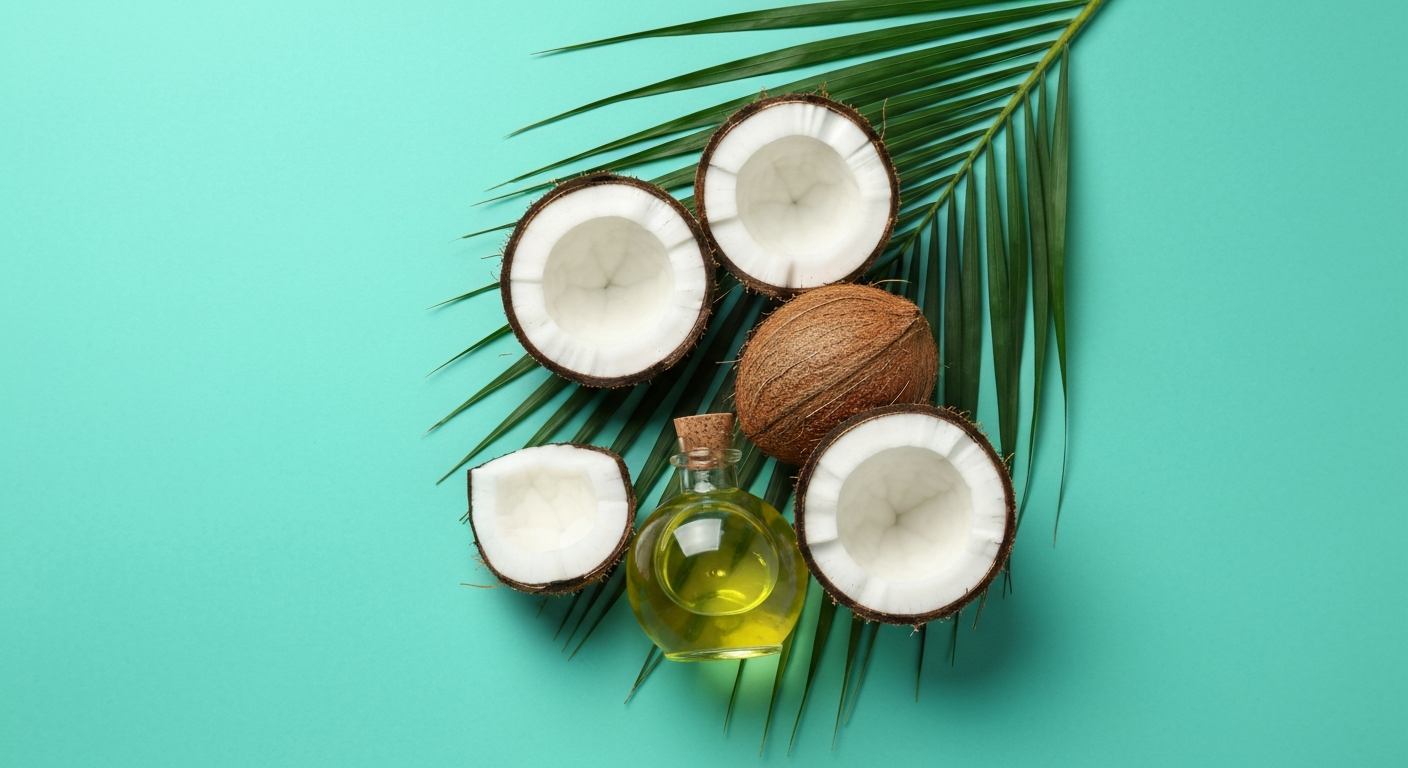
Creating your own virgin coconut oil at home through fermentation is one of the most rewarding traditional methods you can master. This ancient technique, still widely used in tropical regions today, produces oil with a rich, complex flavor profile that many enthusiasts prefer over commercially processed alternatives.
 Fractionated Coconut Oil
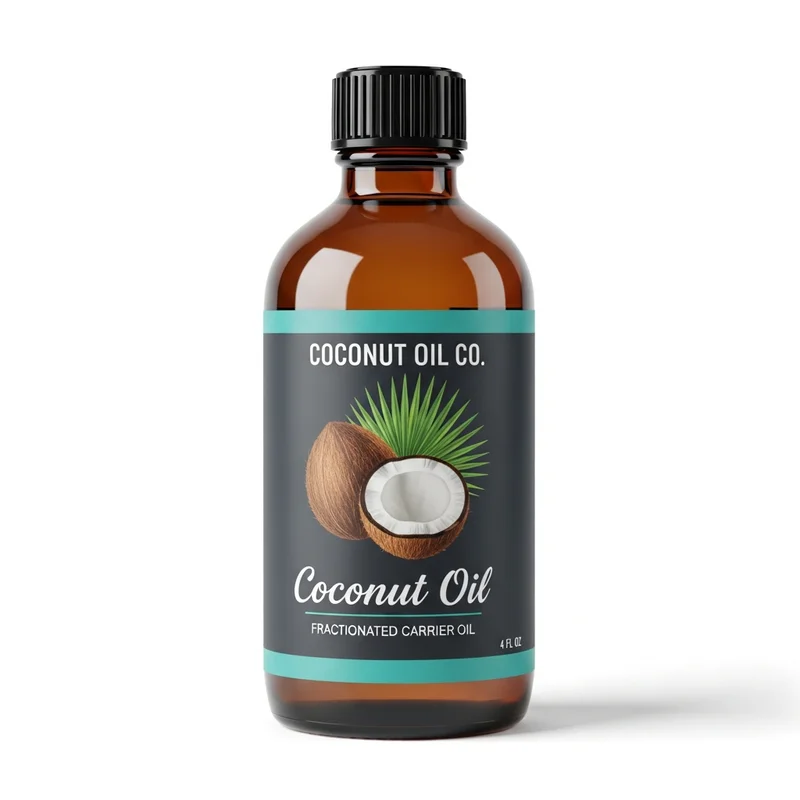
Our own Fractionated Coconut Oil, in sizes from 0.5 oz to bulk. From $8.99.
Shop Now →
Fractionated Coconut Oil
Our own Fractionated Coconut Oil, in sizes from 0.5 oz to bulk. From $8.99.
Shop Now →
The fermentation process naturally separates oil from coconut milk without the need for heat or chemicals, resulting in what many consider to be the purest form of coconut oil. While it requires patience and attention to detail, coconut oil fermentation is surprisingly accessible for home producers willing to invest the time.
Understanding the Fermentation Process
The fermentation method works by allowing fresh coconut milk to sit at room temperature, where natural enzymes and beneficial microorganisms break down the proteins that bind oil and water together. This process typically takes 24-48 hours and results in three distinct layers: oil on top, water at the bottom, and a protein-rich curd in the middle.
Traditional communities have used this method for centuries, and some research suggests that fermented coconut oil may retain more of certain beneficial compounds compared to oils extracted through heat-based methods. The fermentation process occurs naturally, requiring no external additives or processing aids.
Benefits of the Fermentation Method
- Preserves delicate compounds that may be sensitive to heat
- Creates oil with a distinctive, complex flavor profile
- Requires no special equipment beyond basic kitchen tools
- Follows traditional methods used for generations
- Produces oil at room temperature without chemical processing
Essential Equipment and Ingredients
The beauty of coconut oil fermentation lies in its simplicity. You'll need minimal equipment, most of which you likely already have in your kitchen.
Required Equipment
- Heavy-duty coconut grater or food processor
- Fine-mesh strainer or cheesecloth
- Large mixing bowls (glass or food-grade plastic)
- Sharp knife for coconut preparation
- Clean kitchen towels
- Sterilized glass jars for storage
- Measuring cups
Ingredients
- 6-8 fresh, mature coconuts (brown husks, heavy when shaken)
- Warm, filtered water (chlorine-free preferred)
Quality Tip: Choose coconuts that feel heavy for their size and produce a sloshing sound when shaken. Avoid any with cracks, soft spots, or moldy areas around the eyes.
Step-by-Step Fermentation Guide
Step 1: Prepare Your Coconuts
Begin by cracking open your coconuts and draining the coconut water (save this for drinking—it's delicious and nutritious!). Remove the white coconut meat carefully, ensuring you don't include any brown skin or shell fragments.
Rinse the coconut meat under cool water and cut into smaller pieces that will fit easily in your grater or food processor.
Step 2: Create Fresh Coconut Milk
Grate the coconut meat using the finest setting on your grater, or pulse in a food processor until you achieve a fine, consistent texture. Place the grated coconut in a large bowl and add warm (not hot) filtered water—approximately 2 cups of water per cup of grated coconut.
Mix thoroughly with your hands, squeezing and kneading the mixture for 5-10 minutes. This mechanical action helps release the natural oils and creates rich coconut milk.
Step 3: Extract the Coconut Milk
Strain the mixture through a fine-mesh strainer or several layers of cheesecloth, squeezing firmly to extract as much liquid as possible. The result should be thick, creamy coconut milk. Reserve the pulp for other uses—it makes excellent additions to smoothies, baked goods, or compost.
For optimal oil yield, you can repeat this process once more with the remaining pulp and fresh warm water, though the second extraction will be lighter.
Step 4: Begin Fermentation
Pour your fresh coconut milk into a clean glass or food-grade plastic container, leaving several inches of headspace. Cover with a clean kitchen towel or loose lid—you want to allow air circulation while keeping dust and insects out.
Place the container in a warm location away from direct sunlight. Ideal temperatures range from 75-85°F (24-29°C). Cooler temperatures will slow the process, while excessive heat may interfere with proper fermentation.
Step 5: Monitor the Fermentation Process
Over the next 24-48 hours, check your coconut milk every 8-12 hours. You'll begin to notice separation occurring, with oil rising to the surface and water settling at the bottom. The mixture may develop a slightly tangy aroma—this is normal and indicates active fermentation.
During this phase, avoid stirring or disturbing the mixture unnecessarily, as this can interfere with proper separation.
Step 6: Harvest Your Virgin Coconut Oil
When clear separation has occurred (usually 24-48 hours), you'll see three distinct layers:
- Top layer: Pure coconut oil (clear to slightly golden)
- Middle layer: Protein-rich curd (thick, cottage cheese-like texture)
- Bottom layer: Water (may appear slightly cloudy)
Carefully skim the oil from the top using a clean spoon, taking care not to include any curd or water. Transfer the oil to sterilized glass jars for storage.
Troubleshooting Common Issues
Incomplete Separation
If your coconut milk hasn't separated after 48 hours, several factors may be at play:
- Temperature too cool: Move to a warmer location
- Coconuts not fresh enough: Older coconuts may not ferment properly
- Too much water added: The mixture may be too diluted for effective separation
Unusual Odors or Colors
While fermentation naturally produces some aroma changes, certain signs indicate problems:
- Strong, unpleasant smells: May indicate harmful bacterial growth
- Pink, blue, or green colors: Suggests contamination
- Fuzzy growth on surface: Indicates mold development
If you notice any of these issues, discard the batch and start fresh with sterilized equipment.
Low Oil Yield
Several factors can affect your final oil quantity:
- Coconut maturity and quality
- Extraction technique efficiency
- Environmental conditions during fermentation
- Water-to-coconut ratio in initial preparation
Quality Assessment and Storage
Evaluating Your Finished Oil
High-quality fermented coconut oil should display these characteristics:
- Appearance: Clear to light golden color when liquid, white when solid
- Aroma: Fresh coconut scent with subtle complexity from fermentation
- Taste: Rich coconut flavor without off-tastes or rancidity
- Texture: Smooth consistency without grittiness or separation
Proper Storage Techniques
Store your finished virgin coconut oil in sterilized glass jars with tight-fitting lids. Keep containers in a cool, dark location away from direct sunlight and heat sources. Properly stored fermented coconut oil can maintain quality for 12-18 months.
Unlike commercially processed oils, homemade fermented coconut oil may solidify and liquefy more readily with temperature changes—this is completely normal and doesn't affect quality.
Maximizing Success with Advanced Tips
Seasonal Considerations
Coconut oil fermentation can be affected by seasonal factors:
- Summer months: Faster fermentation due to higher temperatures; monitor more closely
- Winter months: Slower process; may need artificial warming or extended time
- Humid conditions: Can promote unwanted bacterial growth; ensure excellent hygiene
Scaling Production
For larger batches, maintain the same ratios but use appropriately sized containers. Larger volumes may take slightly longer to separate completely. Consider processing multiple smaller batches rather than one very large batch for better control and quality consistency.
Using the Byproducts
Don't waste the valuable byproducts of your fermentation process:
- Coconut pulp: Excellent for baking, smoothies, or making coconut flour
- Fermented curd: Some traditional cultures use this protein-rich layer in cooking
- Coconut water: Fresh and nutritious, perfect for immediate consumption
Safety and Hygiene Considerations
Maintaining strict cleanliness throughout the process is crucial for producing safe, high-quality oil:
- Sterilize all equipment before use
- Work with clean hands and in a clean environment
- Use only fresh, high-quality coconuts
- Monitor fermentation progress regularly
- Discard any batches showing signs of contamination
Important: This information is for educational purposes only. While traditional fermentation methods have been used safely for generations, always use proper food safety practices and trust your senses when evaluating the final product.
Conclusion
Creating virgin coconut oil at home through fermentation connects you with traditional methods while producing oil with unique characteristics and complex flavors. While the process requires patience and attention to detail, the reward is pure, chemical-free coconut oil made entirely through natural processes.
The fermentation method offers an accessible entry point into home oil production, requiring minimal equipment while teaching valuable skills about traditional food processing. Whether you're seeking greater control over your oil quality or simply enjoy the satisfaction of creating something from scratch, coconut oil fermentation provides an engaging and rewarding experience.
Remember that like any traditional skill, fermentation improves with practice. Don't be discouraged if your first attempts don't achieve perfect results—each batch teaches valuable lessons that will improve your technique and final product quality.