
Lightweight Coconut Oil Summer Skin Routine: Non-Greasy Tips
Summer heat and humidity can make traditional moisturizers feel heavy and sticky on your skin. If you've been hesitant to use coconut oil during warmer months, thinking it might be too greasy, you're not alone. However, with the right techniques and application methods, you can enjoy all the potential benefits of this versatile oil without the heavy, oily feeling that many people associate with it.
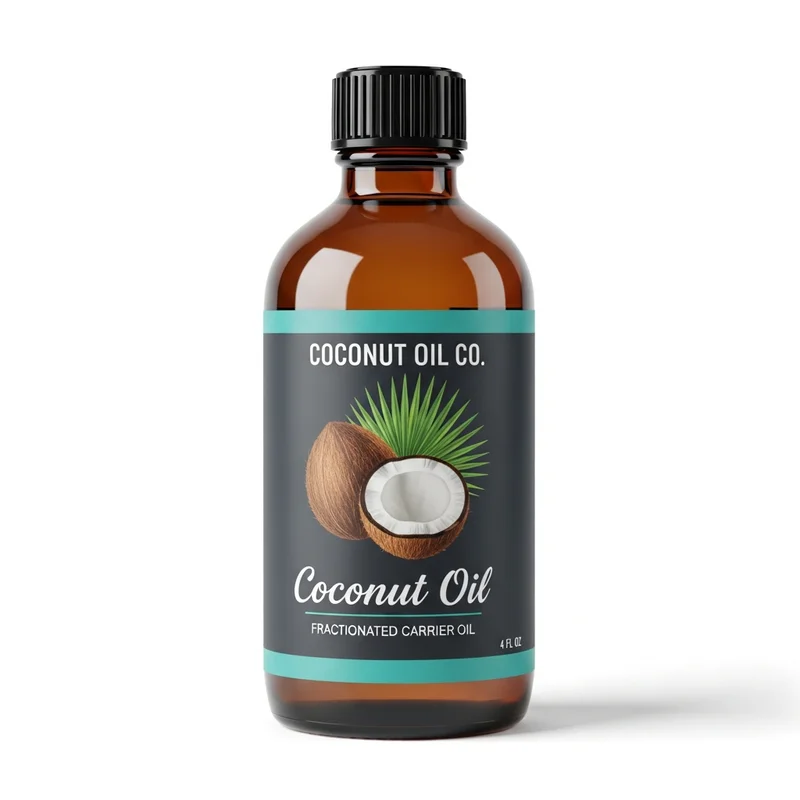 Fractionated Coconut Oil
Our own Fractionated Coconut Oil, in sizes from 0.5 oz to bulk. From $8.99.
Shop Now →
Fractionated Coconut Oil
Our own Fractionated Coconut Oil, in sizes from 0.5 oz to bulk. From $8.99.
Shop Now →
Creating a coconut oil non greasy routine is entirely possible when you understand how to work with coconut oil's unique properties. The key lies in choosing the right type of coconut oil, using proper application techniques, and timing your routine correctly. Let's explore how to make coconut oil work beautifully for your summer skin care needs.
Understanding Coconut Oil's Summer Behavior
Coconut oil has a melting point of approximately 76°F (24°C), which means it transforms from solid to liquid at relatively cool temperatures. During summer, this characteristic actually works in your favor for creating a lightweight application. When coconut oil is in its liquid state, it spreads more easily and absorbs more readily into the skin.
The molecular structure of coconut oil allows it to penetrate the skin relatively quickly compared to heavier oils. Research suggests that coconut oil's medium-chain fatty acids, particularly lauric acid and caprylic acid, may have smaller molecular sizes that could potentially allow for better skin absorption when applied correctly.
Why Coconut Oil Feels Heavy (And How to Fix It)
The "greasy" feeling that some people experience with coconut oil typically results from:
- Using too much product at once
- Applying to damp or wet skin
- Not allowing proper absorption time
- Using lower-quality coconut oil with impurities
- Applying over other heavy products
Understanding these factors is the first step in creating your light coconut oil summer routine.
Choosing the Right Coconut Oil for Summer
Fractionated vs. Virgin Coconut Oil
For summer routines, fractionated coconut oil often provides the most lightweight feel. This processed version of coconut oil remains liquid at room temperature because the long-chain fatty acids have been removed, leaving primarily the medium-chain fatty acids. Fractionated coconut oil absorbs quickly and leaves minimal residue on the skin.
Virgin coconut oil, while offering a broader spectrum of naturally occurring compounds, requires more careful application techniques during summer months. However, many people prefer virgin coconut oil for its minimal processing and retention of natural components.
Quality Indicators for Summer Use
When selecting coconut oil for your summer routine, look for:
- Cold-pressed or expeller-pressed extraction methods
- Organic certification to minimize exposure to chemicals
- Clear, pure appearance without cloudiness or particles
- Fresh, mild coconut scent (not rancid or overly processed smell)
- Proper storage in cool, dry conditions
The 5-Step Non-Greasy Application Method
Step 1: Start with Clean, Completely Dry Skin
This step cannot be overstated in importance. Any moisture on your skin will prevent coconut oil from absorbing properly, creating that unwanted greasy layer. After cleansing, pat your skin completely dry with a clean towel and wait 2-3 minutes before applying coconut oil.
Step 2: Warm and Emulsify
Take a very small amount of coconut oil—about 1/4 teaspoon for your entire face, or 1/2 teaspoon for arms and décolletage. Warm the oil between your palms for 10-15 seconds until it becomes fully liquid and slightly emulsified. This warming process helps the oil spread more evenly and absorb better.
Step 3: Apply in Thin, Even Layers
Using light, upward strokes, apply the warmed oil in thin layers. Start with areas that tend to be drier (like elbows and knees) and finish with areas that produce more natural oils (like your T-zone). The key is to use significantly less product than you might think you need.
Step 4: Press and Pat Technique
Instead of rubbing the oil in circular motions, use a pressing and patting technique. Gently press your palms against your skin and pat lightly. This method encourages absorption without creating friction that can make the oil feel greasy.
Step 5: Allow Full Absorption Time
Give the oil 10-15 minutes to fully absorb before applying any other products or getting dressed. During this time, avoid touching the treated areas. You can use this time for other parts of your routine, like brushing your teeth or preparing your breakfast.
Creating Your Summer Coconut Oil Routine
Morning Routine for Hot Weather
Your summer moisturizer coconut oil routine should be lighter in the morning and focus on protection and hydration without heaviness:
6:30 AM - Cleanse and Prep
Start with a gentle cleanser appropriate for your skin type. Rinse thoroughly with lukewarm water and pat completely dry.
6:35 AM - Light Coconut Oil Application
Apply coconut oil using the 5-step method described above, using minimal amounts and focusing on areas that tend to get dry during the day.
6:45 AM - Final Prep
After allowing absorption time, you can apply any additional products like sunscreen or makeup if desired.
Evening Routine for Deeper Nourishment
Evening routines can be slightly richer while still maintaining the non-greasy principle:
9:00 PM - Double Cleanse
If you've worn sunscreen or makeup, start with an oil-based cleanser (coconut oil works well for this!) followed by your regular cleanser.
9:10 PM - Treatment Application
Apply coconut oil using the same technique but with slightly more generous amounts, as your skin has all night to absorb the oil.
9:15 PM - Focus Areas
Pay extra attention to areas that may need additional moisture, such as elbows, knees, and heels.
Customizing for Different Skin Types
Oily and Combination Skin
If you have naturally oily skin, you might think coconut oil isn't for you, but some people report that using it correctly can actually help balance their skin's natural oil production. For oily skin types:
- Use even smaller amounts than recommended
- Focus application on dry areas only (avoiding the T-zone if it's very oily)
- Consider using fractionated coconut oil exclusively
- Apply only in the evening initially to see how your skin responds
- Mix a tiny drop with your regular lightweight moisturizer
Dry and Mature Skin
Dry skin types can typically handle slightly more coconut oil and may benefit from more frequent applications:
- Apply twice daily using the non-greasy technique
- Layer over a hydrating toner or essence for extra moisture
- Focus on areas prone to dryness like the neck, décolletage, and around the eyes
- Consider mixing with a few drops of rosehip oil for additional nourishment
Sensitive Skin
For sensitive skin, coconut oil's potential gentle nature makes it an interesting option, though individual reactions can vary:
- Always patch test on a small area first
- Start with fractionated coconut oil, which may be less likely to cause reactions
- Use minimal amounts and increase gradually if well-tolerated
- Avoid mixing with other active ingredients initially
- Discontinue use if any irritation occurs and consult a healthcare provider
Advanced Tips for Non-Greasy Results
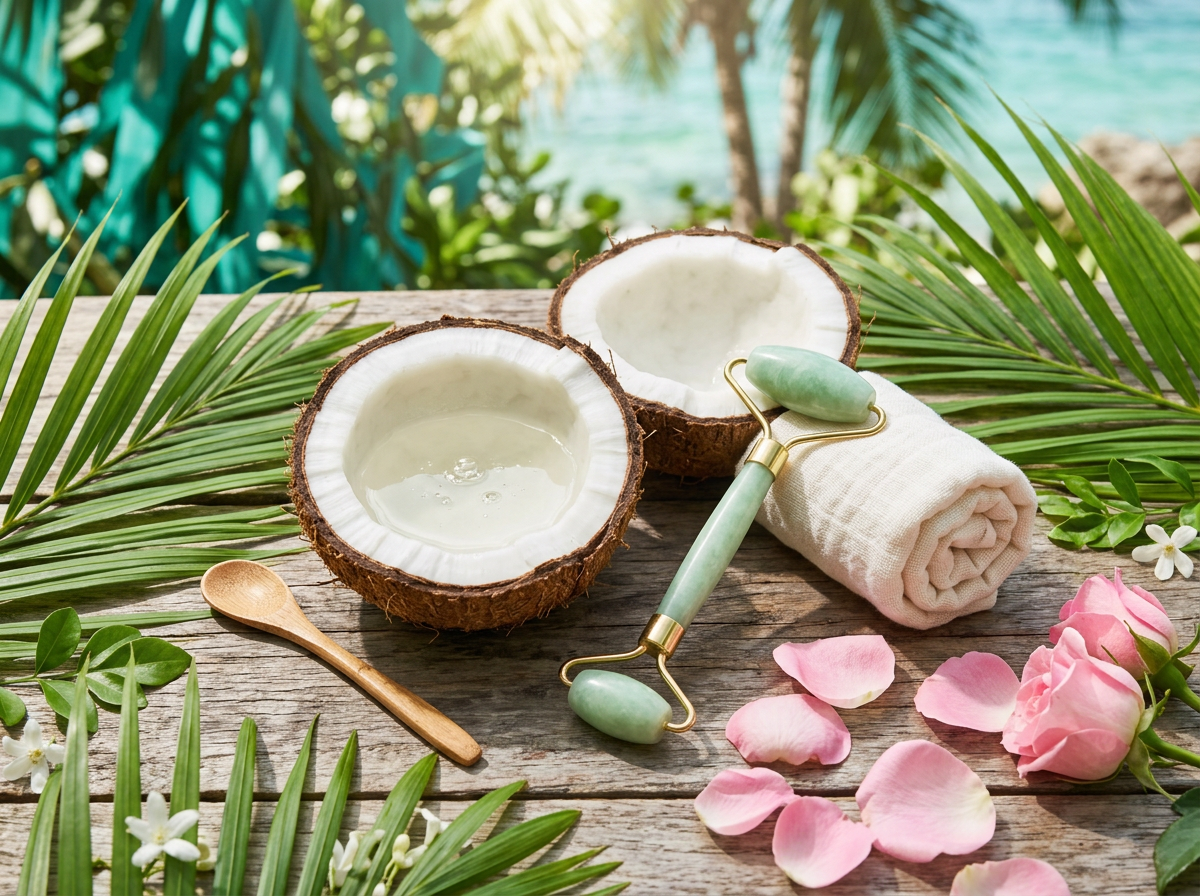
The Mixing Method
One excellent technique for achieving a lighter feel is to mix coconut oil with other lightweight ingredients:
Coconut Oil + Aloe Vera Gel
Mix equal parts liquid coconut oil with pure aloe vera gel in your palm before application. This creates a lighter texture that absorbs quickly.
Coconut Oil + Rosewater
Spray a light mist of rosewater on your skin, then immediately apply a small amount of coconut oil. The water helps emulsify the oil for better spreading and absorption.
Temperature Control Techniques
Working with temperature can significantly improve your coconut oil experience:
- Refrigerated Application: Keep a small amount of coconut oil in the refrigerator for an extra-light, cooling application on hot days
- Room Temperature Prep: In very hot weather, keep your coconut oil in the coolest part of your home to prevent it from becoming too liquid
- Timing with Air Conditioning: Apply coconut oil when you're in an air-conditioned environment to allow for optimal absorption
Layering Strategies
For those who want additional skin care benefits, proper layering can maintain the non-greasy feel:
- Apply coconut oil first, allow full absorption, then add other products
- Use coconut oil as your final step over lighter serums or treatments
- Mix a drop of coconut oil into your regular moisturizer rather than using it alone
Troubleshooting Common Issues
"It Still Feels Greasy"
If you're following the techniques but still experiencing greasiness:
- Reduce the amount you're using by half
- Ensure your skin is completely dry before application
- Check that you're allowing adequate absorption time
- Try switching to fractionated coconut oil
- Consider that your skin might need time to adjust to oil-based moisturizing
"My Skin Feels Tight After Application"
This could indicate:
- You're not using enough coconut oil
- Your skin barrier might need additional support
- The coconut oil quality might not be optimal
- You might benefit from applying to slightly damp skin (contrary to the usual advice)
"It's Not Absorbing Well"
Poor absorption typically results from:
- Application to wet or damp skin
- Using too much product
- Not warming the oil sufficiently before application
- Environmental factors like high humidity
- Skin that's already oversaturated with products
Seasonal Adjustments and Storage
Adapting to Weather Changes
As summer progresses and conditions change, you may need to adjust your routine:
High Humidity Days: Use even less coconut oil and allow extra absorption time. Consider applying only to targeted dry areas rather than all over.
Air Conditioned Environments: Your skin might need slightly more moisture when spending time in heavily air-conditioned spaces.
Swimming and Beach Days: Apply coconut oil after sun exposure and showering, when your skin might be drier than usual.
Proper Summer Storage
Storing coconut oil correctly during summer months ensures optimal texture and performance:
- Keep containers away from direct sunlight and heat sources
- Store in a cool, dry cabinet rather than bathroom counter
- Consider portioning into smaller containers to minimize temperature fluctuations
- If oil becomes very liquid, refrigerate briefly before use for easier application
Beyond Basic Moisturizing: Multi-Use Summer Applications
Pre-Sun Preparation
While coconut oil should never replace proper sunscreen, some people use it as part of their pre-sun routine:
- Apply using the non-greasy technique 30 minutes before sunscreen application
- Focus on areas that tend to get extra dry in the sun
- Always follow with broad-spectrum SPF protection
After-Sun Soothing
Many people report that coconut oil feels soothing on sun-exposed skin:
- Cool the oil in the refrigerator before application
- Mix with aloe vera gel for extra cooling properties
- Apply very gently to avoid further irritating sensitive skin
- Seek medical attention for severe sunburn
Travel-Friendly Applications
Coconut oil's stability makes it excellent for summer travel:
- Use as a multi-purpose moisturizer for face and body
- Apply to cuticles and dry patches during flights
- Pack in leak-proof containers to prevent temperature-related consistency changes
Creating Your Personal Non-Greasy Formula
Everyone's skin is different, and what works for others might need adjustment for your specific needs. Start with these basic principles and modify based on your skin's response:
Week 1: Use minimal amounts (less than you think you need) and focus on technique
Week 2: Adjust quantity based on how your skin felt during week 1
Week 3: Experiment with timing and layering if desired
Week 4: Settle into your optimized routine
Remember that skin needs can change with diet, hormones, medications, and environmental factors. Stay flexible and adjust your routine as needed.
Creating a successful coconut oil non greasy summer routine is entirely achievable with the right approach. The key lies in understanding coconut oil's properties, using proper application techniques, and being patient as you find what works best for your skin. With these methods, you can enjoy the potential benefits of this versatile oil even during the hottest months of the year.
As with any skin care routine, individual results may vary, and it's always wise to consult with a qualified healthcare provider or dermatologist if you have specific skin concerns or conditions. Start slowly, pay attention to how your skin responds, and adjust your routine accordingly for the best results.