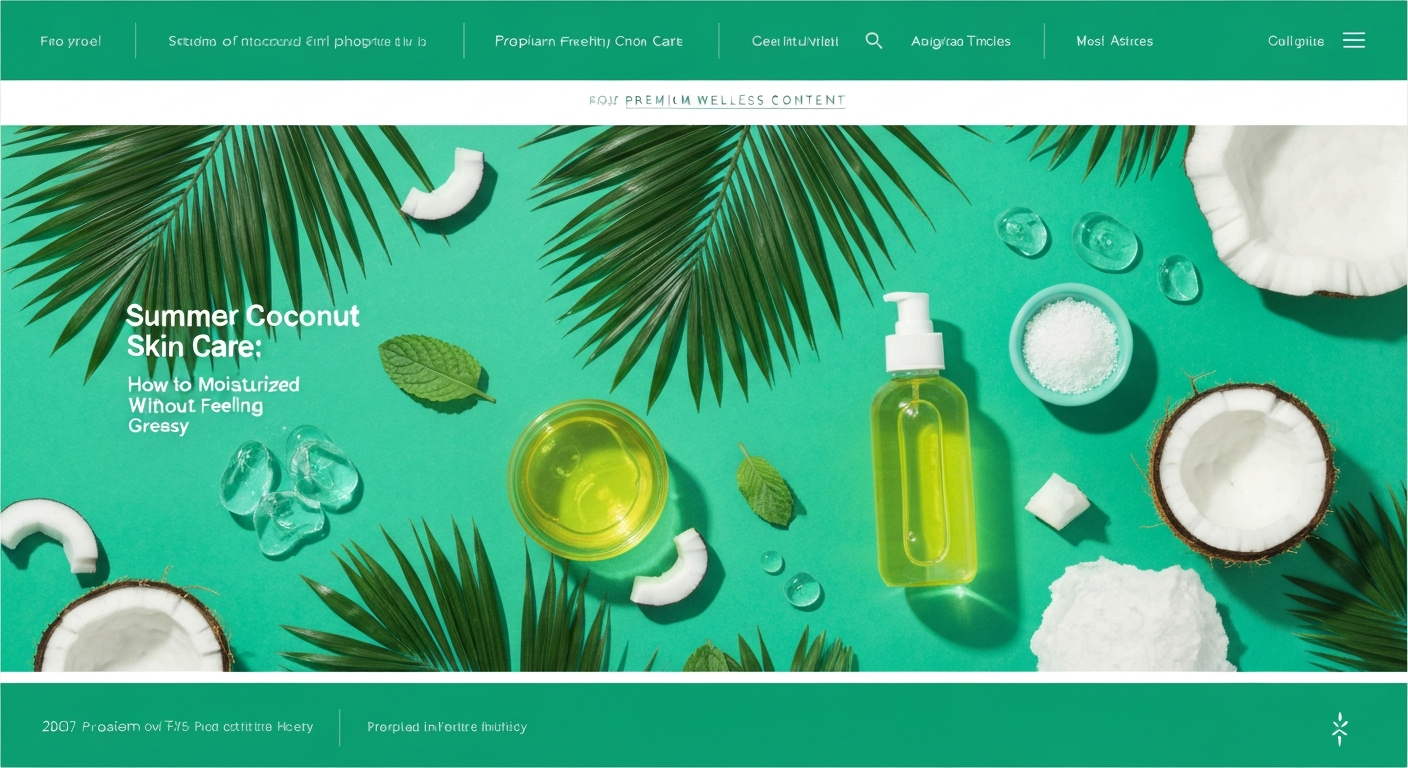
Summer Coconut Oil Skin Care: How to Stay Moisturized Without Feeling Greasy
Summer heat doesn't have to mean abandoning your beloved coconut oil skincare routine. While many people assume coconut oil is too heavy for hot weather, the truth is that with the right techniques and application methods, coconut oil can be your skin's best friend all season long. The key lies in understanding how to work with coconut oil's unique properties during warmer months.
As temperatures rise and humidity levels fluctuate, your skin faces new challenges: increased oil production, clogged pores from sunscreen buildup, and the constant battle between staying hydrated and avoiding that dreaded greasy feeling. Smart coconut oil summer skin care addresses these seasonal concerns while keeping your skin nourished and protected.
Why Coconut Oil Works Differently in Summer
Understanding coconut oil's melting point is crucial for effective summer application. Coconut oil melts at 76°F (24°C), which means it's likely liquid in most summer conditions. This natural transformation actually works to your advantage when you know how to harness it properly.
During warmer months, your skin's natural oil production typically increases. Rather than fighting this process, coconut oil can work synergistically with your skin's sebum when applied correctly. The lightweight nature of melted coconut oil allows for easier absorption and more even distribution compared to its solid winter form.
The Science Behind Summer Absorption
Research suggests that coconut oil's medium-chain fatty acids may penetrate skin more readily when the oil is in liquid form. This enhanced penetration means you can use less product while still providing adequate moisture – perfect for achieving that non-greasy summer feel.
Mastering Lightweight Application Techniques
The secret to coconut oil summer use lies in your application method. Heavy-handed winter techniques won't translate well to hot weather skincare.
The Drop Method
Start with just 2-3 drops of liquid coconut oil for your entire face. Warm the oil between your palms for 5-10 seconds, then press gently into damp skin. This technique, often called "pressing," rather than rubbing, helps prevent over-application and ensures even distribution.
Layering Strategy
Apply coconut oil to slightly damp skin immediately after cleansing. The water content helps the oil spread more easily and creates a lighter, more breathable layer. This method may help your skin feel less greasy while maintaining hydration throughout the day.
Time-of-Day Considerations
- Morning routine: Use minimal amounts and allow 10-15 minutes for full absorption before applying sunscreen
- Evening routine: Apply more generously as overnight treatment when greasiness is less of a concern
- Post-shower: Apply to damp skin while your pores are open from warm water
Temperature Control Tips for Hot Weather
Managing coconut oil's consistency during summer heat requires some strategic thinking about storage and preparation.
Storage Solutions
Store your coconut oil in a cool, dry place away from direct sunlight. Consider keeping a small amount in the refrigerator for occasions when you want a cooling, firming application – particularly refreshing for under-eye areas or after sun exposure.
Pre-Application Cooling
For a refreshing summer skincare experience, try these cooling techniques:
- Refrigerate coconut oil for 30 minutes before use
- Mix a small amount with aloe vera gel for enhanced cooling properties
- Apply with chilled jade rollers or gua sha tools
Choosing the Right Coconut Oil for Summer
Not all coconut oils perform equally in hot weather conditions. Understanding your options can make a significant difference in your summer skincare success.
Fractionated vs. Regular Coconut Oil
Fractionated coconut oil remains liquid at room temperature and absorbs more quickly than regular coconut oil, making it an excellent choice for summer use. This processed version removes the long-chain fatty acids, leaving behind the lighter medium-chain triglycerides that provide moisture without heaviness.
Quality Considerations
Look for organic, unrefined coconut oil for the best skin benefits. Cold-pressed varieties retain more of their natural compounds and tend to have better absorption properties. For comprehensive guidance on selecting quality coconut oil, explore our detailed guide on coconut oil for skin.
Summer-Specific Coconut Oil Routines
Adapting your coconut oil routine to match summer's unique challenges ensures consistent results throughout the season.
Morning Lightweight Routine
- Cleanse with lukewarm water
- Apply 2-3 drops of coconut oil to damp skin
- Wait 10-15 minutes for full absorption
- Apply broad-spectrum sunscreen
- Follow with makeup if desired
Post-Sun Care Protocol
After sun exposure, your skin may need extra attention. Coconut oil can be part of a soothing after-sun routine, though it's important to note that while people traditionally use coconut oil for sun-related skin concerns, you should always consult with a healthcare provider for proper sun damage treatment. For detailed information about this traditional use, see our article on coconut oil for sunburn.
Weekly Summer Treatments
Incorporate these weekly treatments to maintain healthy summer skin:
- Gentle exfoliation: Mix coconut oil with fine sea salt for a moisturizing scrub
- Hydrating mask: Combine coconut oil with honey for a 15-minute treatment
- Overnight repair: Apply a slightly heavier layer before bed once or twice weekly
Common Summer Coconut Oil Mistakes to Avoid
Even coconut oil enthusiasts can make seasonal application errors that lead to greasiness and breakouts.
Over-Application
The most common mistake is using winter quantities during summer months. Start with less than you think you need – you can always add more. Remember, liquid coconut oil spreads much further than its solid form.
Timing Errors
Applying coconut oil immediately before sun exposure or exercise can lead to uncomfortable greasiness. Allow adequate absorption time, especially before physical activities or sun exposure.
Ignoring Skin Changes
Your skin's needs change with the seasons. What worked in winter might be too heavy for summer. Pay attention to how your skin responds and adjust accordingly.
Troubleshooting Summer Coconut Oil Issues
If you're experiencing challenges with coconut oil summer skin care, these solutions may help:
For Persistent Greasiness
- Reduce the amount you're using by half
- Switch to fractionated coconut oil
- Apply only to damp skin
- Use blotting papers to remove excess after application
For Breakouts
While some people find coconut oil beneficial for their skin, others may experience increased breakouts. If this occurs, consider reducing frequency of use or switching to spot application only. Always patch test new products and consult with a dermatologist if skin concerns persist.
Beyond Basic Moisturizing: Creative Summer Uses
Coconut oil's versatility extends beyond basic moisturizing, making it a valuable addition to your summer beauty arsenal.
Multi-Purpose Applications
- Makeup remover: Gently removes waterproof summer cosmetics
- Hair protectant: Light application to ends before swimming
- Cuticle care: Quick application for neat summer manicures
- Lip conditioning: Natural alternative to heavy lip balms
Making Coconut Oil Your Summer Skin Ally
Successfully incorporating coconut oil into your summer skincare routine requires understanding its unique properties and adapting your application techniques accordingly. The key lies in using less product, applying it to damp skin, and allowing adequate absorption time.
Remember that skincare is highly individual, and what works for one person may not work for another. Start slowly, pay attention to your skin's response, and adjust your routine as needed. With the right approach, coconut oil can provide the lightweight moisturization your skin craves during the warmer months without the dreaded greasy feeling.
As you experiment with these summer techniques, keep notes about what works best for your skin type and lifestyle. This seasonal adaptation of your coconut oil routine can help you maintain healthy, comfortable skin all summer long while enjoying the natural benefits this versatile oil may provide.