The Complete Guide to Coconut Oil: Benefits, Uses, Types, and Everything You Need to Know
Table of Contents
- What Is Coconut Oil?
- Types of Coconut Oil
- Understanding Coconut Oil's Unique Composition
- Coconut Oil Uses: From Kitchen to Beauty Cabinet
- Potential Benefits: What Research Suggests
- How to Choose and Store Coconut Oil
- Safety Considerations and Potential Concerns
- Sustainability and Environmental Impact
Key Takeaways
- Coconut oil is a versatile saturated fat extracted from coconut meat with a unique fatty acid profile
- Virgin and refined are the two main types, each with distinct characteristics and best uses
- Research suggests potential benefits for heart health, weight management, and antimicrobial properties
- Uses range from cooking and baking to skincare, haircare, and household applications
- Quality varies significantly between brands—look for organic, unrefined options for maximum versatility
- Proper storage extends shelf life up to 2-3 years when kept in cool, dry conditions
Coconut oil has transformed from a tropical curiosity to a mainstream pantry staple, and for good reason. This incredibly versatile oil offers a unique combination of culinary applications, beauty benefits, and household uses that few other oils can match. Whether you're looking to upgrade your cooking game, enhance your skincare routine, or explore natural alternatives for everyday products, understanding coconut oil is your gateway to unlocking its full potential.
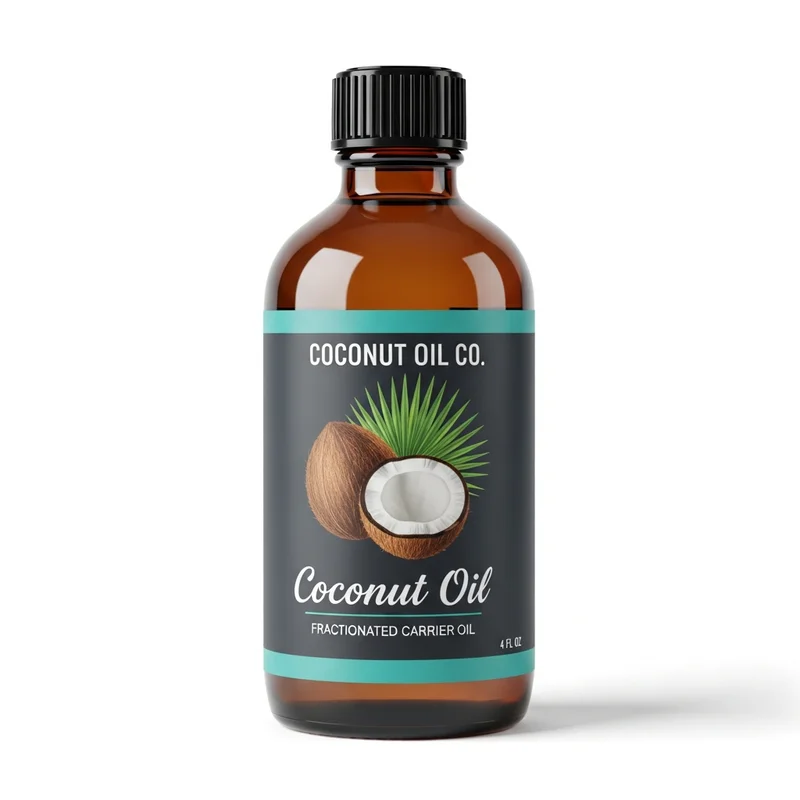
Fractionated Coconut Oil
Our own Fractionated Coconut Oil, in sizes from 0.5 oz to bulk.
From $8.99
Shop Now →In this comprehensive guide, we'll explore everything you need to know about coconut oil—from its fascinating composition and various types to its myriad uses and what current research suggests about its potential benefits. By the end, you'll be equipped with the knowledge to make informed decisions about incorporating this remarkable oil into your daily life.
What Is Coconut Oil?
Coconut oil is a saturated fat extracted from the white meat (kernel) of mature coconuts harvested from coconut palm trees (Cocos nucifera). Unlike most plant-based oils that remain liquid at room temperature, coconut oil is solid below 76°F (24°C) and melts into a clear liquid when heated—a unique characteristic that makes it incredibly versatile for both culinary and cosmetic applications.
The Extraction Process
The journey from coconut to oil involves several possible extraction methods, each affecting the final product's characteristics:
Dry Processing (Copra Method)
Traditional dry processing involves removing coconut meat, drying it to create "copra," then pressing or using solvents to extract oil. This method typically requires refining to remove impurities and odors, resulting in refined coconut oil.
Wet Processing (Fresh Method)
Wet processing uses fresh coconut meat rather than dried copra. The meat is pressed to extract coconut milk, which is then separated to isolate the oil through various methods including:
- Centrifugal separation: High-speed spinning separates oil from water
- Fermentation: Natural enzymes break down proteins, allowing oil separation
- Cold pressing: Mechanical pressing without heat application
Chemical vs. Physical Extraction
Some commercial operations use chemical solvents like hexane to maximize oil extraction, though these oils require extensive refining. Physical methods, while potentially yielding less oil, preserve more of the coconut's natural compounds and flavors.
Geographic Origins and Production
Major coconut oil producing regions include:
- Philippines: World's largest producer, known for high-quality virgin coconut oil
- Indonesia: Significant commercial producer with large-scale operations
- India: Traditional producer with both commercial and artisanal operations
- Sri Lanka: Renowned for premium quality and sustainable practices
- Thailand, Malaysia, Vietnam: Growing producers with increasing quality focus
Types of Coconut Oil
Understanding the different types of coconut oil is crucial for selecting the right product for your needs. The primary distinction lies between virgin (unrefined) and refined coconut oil, though several subcategories exist within each type.
Virgin Coconut Oil (Unrefined)
Virgin coconut oil represents the purest form, extracted from fresh coconut meat without chemical processing or high-heat treatment. Key characteristics include:
Production Methods
- Cold-pressed: Mechanical extraction without added heat, preserving maximum nutrients
- Expeller-pressed: Mechanical pressing that may generate some heat through friction
- Centrifuge-extracted: High-speed separation of oil from coconut milk
Characteristics
- Rich coconut aroma and flavor
- Typically white when solid, clear when liquid
- Retains natural antioxidants and beneficial compounds
- Higher price point due to processing methods
- Smoke point around 350°F (175°C)
Best Uses
- Raw applications and low-heat cooking
- Baking where coconut flavor is desired
- Skincare and haircare applications
- DIY beauty and household products
Refined Coconut Oil
Refined coconut oil undergoes processing to remove impurities, odors, and flavors, resulting in a neutral-tasting product suitable for various applications.
Refining Process
The refining process typically involves:
- Degumming: Removing phospholipids and proteins
- Neutralizing: Eliminating free fatty acids
- Bleaching: Removing color compounds and remaining impurities
- Deodorizing: Eliminating odors and flavors through steam distillation
Characteristics
- Neutral taste and odor
- Higher smoke point (400-450°F/204-232°C)
- Longer shelf life
- More affordable than virgin varieties
- Consistent quality and appearance
Best Uses
- High-heat cooking and deep frying
- Baking where coconut flavor isn't desired
- Commercial food production
- Industrial applications
For a detailed comparison of virgin vs refined coconut oil, including which type works best for specific applications, check out our comprehensive guide on virgin vs refined coconut oil.
Specialized Coconut Oil Types
Organic Coconut Oil
Certified organic coconut oil comes from coconuts grown without synthetic pesticides, herbicides, or fertilizers. This designation applies to both virgin and refined varieties and ensures environmentally sustainable farming practices.
Fair Trade Coconut Oil
Fair trade certification guarantees that coconut farmers receive fair compensation for their crops, promoting sustainable livelihoods and community development in producing regions.
MCT Oil (Medium-Chain Triglyceride Oil)
While technically derived from coconut oil, MCT oil is a concentrated form of medium-chain fatty acids extracted through fractionation. It remains liquid at room temperature and is often used as a dietary supplement.
Fractionated Coconut Oil
This processed form has long-chain fatty acids removed, leaving primarily medium-chain triglycerides. It remains liquid at room temperature and has an indefinite shelf life, making it popular for cosmetic applications.
| Type | Processing | Flavor | Smoke Point | Best Uses |
|---|---|---|---|---|
| Virgin/Unrefined | Minimal | Strong coconut | 350°F (175°C) | Raw, low-heat cooking, beauty |
| Refined | Extensive | Neutral | 400-450°F (204-232°C) | High-heat cooking, baking |
| Organic | Varies | Depends on type | Depends on type | All applications with organic preference |
| MCT Oil | Fractionated | Neutral | Not recommended for cooking | Dietary supplement |
| Fractionated | Highly processed | Neutral | Not suitable for cooking | Cosmetics, massage |

Understanding Coconut Oil's Unique Composition
What makes coconut oil special isn't just its versatility—it's the unique fatty acid profile that sets it apart from virtually every other cooking oil. Understanding this composition helps explain why coconut oil behaves differently in cooking, why it's solid at room temperature, and what potential benefits research suggests it may offer.
Fatty Acid Breakdown
Coconut oil consists of approximately 90% saturated fats, but these aren't the long-chain saturated fats found in animal products. Instead, coconut oil is rich in medium-chain fatty acids (MCFAs), which the body processes differently than other fats.
Primary Fatty Acids in Coconut Oil
| Fatty Acid | Percentage | Chain Length | Characteristics |
|---|---|---|---|
| Lauric Acid | 45-52% | C12 (Medium-chain) | Antimicrobial properties in research |
| Myristic Acid | 16-21% | C14 (Medium-chain) | Contributes to solid state at room temp |
| Caprylic Acid | 5-10% | C8 (Medium-chain) | Rapidly metabolized by the body |
| Palmitic Acid | 7-10% | C16 (Long-chain) | Common saturated fat in many foods |
| Capric Acid | 4-8% | C10 (Medium-chain) | Quick energy source |
| Oleic Acid | 5-8% | C18:1 (Monounsaturated) | Heart-healthy fat also found in olive oil |
Medium-Chain Fatty Acids: What Makes Them Special
Approximately 65% of coconut oil consists of medium-chain fatty acids (MCFAs), primarily lauric, caprylic, capric, and myristic acids. These medium-chain fats behave differently in the body compared to the long-chain fatty acids found in most other oils:
Metabolic Differences
- Rapid absorption: MCFAs go directly to the liver via the portal vein
- Quick energy conversion: The liver readily converts MCFAs to ketones for immediate energy
- Less likely to be stored as fat: Due to preferential oxidation for energy
- No bile acids required: Unlike long-chain fats, MCFAs don't require bile for digestion
Lauric Acid: The Star Component
Lauric acid, comprising nearly half of coconut oil's fatty acid profile, deserves special attention. This 12-carbon medium-chain fatty acid is relatively rare in nature, found in significant amounts only in coconut oil and human breast milk.
Research on Lauric Acid
Laboratory studies suggest that lauric acid may have antimicrobial properties against various bacteria, viruses, and fungi. When consumed, the body converts lauric acid to monolaurin, a compound that some research indicates may support immune function. However, it's important to note that most studies have been conducted in laboratories or on animals, and more human research is needed to understand these potential effects.
Antioxidants and Minor Components
Virgin coconut oil contains several beneficial compounds beyond fatty acids:
Natural Antioxidants
- Vitamin E (tocopherols): Natural preservative that may support skin health
- Phenolic compounds: Plant antioxidants that contribute to oil stability
- Sterols: Plant compounds that some research suggests may support heart health
Volatile Compounds
The characteristic coconut aroma and flavor come from various volatile organic compounds, including:
- Lactones (giving sweet, creamy notes)
- Aldehydes (contributing to fresh coconut scent)
- Esters (providing fruity undertones)
These compounds are largely removed during refining, which explains why refined coconut oil lacks the distinctive coconut flavor.
Physical Properties
Coconut oil's unique composition creates several distinctive physical characteristics:
Melting Point
Coconut oil melts at approximately 76°F (24°C), transitioning from solid white to clear liquid. This relatively low melting point makes it unique among saturated fats and incredibly convenient for various applications.
Stability
The high saturated fat content makes coconut oil highly resistant to oxidation and rancidity, contributing to its long shelf life of 2-3 years when properly stored.
Smoke Point Variations
The smoke point—the temperature at which oil begins to break down and smoke—varies by type:
- Virgin coconut oil: 350°F (175°C)
- Refined coconut oil: 400-450°F (204-232°C)
Coconut Oil Uses: From Kitchen to Beauty Cabinet
The versatility of coconut oil is truly remarkable—few substances can seamlessly transition from cooking ingredient to skincare product to household cleaner. This section explores the wide range of coconut oil uses, providing practical guidance for incorporating this multipurpose oil into various aspects of your daily life.
Culinary Applications
Coconut oil's unique properties make it an excellent choice for numerous cooking and baking applications. Its stability at high temperatures, long shelf life, and distinctive flavor profile offer advantages that few other cooking fats can match.
Cooking Methods and Techniques
Sautéing and Stir-Frying
Coconut oil works exceptionally well for medium-heat sautéing. Virgin coconut oil adds a subtle coconut flavor that complements vegetables, seafood, and tropical-inspired dishes. For neutral flavor, refined coconut oil performs beautifully without competing with other ingredients.
Roasting and Baking
When baking, coconut oil can replace butter or other fats in a 1:1 ratio. (See: Harvard Health — Coconut Oil.) Because it's solid at room temperature, it creates flaky textures in pastries and helps bind ingredients in no-bake recipes. The key is understanding when to use it in solid versus liquid form:
- Solid coconut oil: Works like butter for creaming with sugars, creating tender baked goods
- Melted coconut oil: Functions like liquid oils for moist cakes and quick breads
Deep Frying
Refined coconut oil's high smoke point (400-450°F) makes it suitable for deep frying. Its saturated fat content provides stability at high temperatures, though the neutral flavor works best for foods where coconut taste isn't desired.
For comprehensive guidance on using coconut oil in your kitchen, including specific recipes and cooking tips, explore our detailed guide on coconut oil for cooking.
Baking Substitutions and Tips
| Original Fat | Coconut Oil Substitution | Notes |
|---|---|---|
| Butter (1 cup) | ¾ cup coconut oil | Use solid oil for creaming; may add slight coconut flavor |
| Vegetable Oil (1 cup) | 1 cup melted coconut oil | Allow to cool slightly before mixing with other ingredients |
| Shortening (1 cup) | 1 cup solid coconut oil | Excellent for flaky pastries and pie crusts |
| Margarine (1 cup) | ¾ cup coconut oil | Best results with virgin coconut oil |
Beauty and Personal Care Applications
Coconut oil's moisturizing properties and antimicrobial compounds (based on laboratory research) have made it a popular ingredient in natural beauty routines. While individual results vary, many people report positive experiences using coconut oil for various cosmetic purposes.
Skincare Uses
Coconut oil's fatty acid profile may help support skin barrier function. People commonly use it for:
Moisturizing
- Body moisturizer: Apply to damp skin for enhanced absorption
- Face moisturizer: Use sparingly; may not be suitable for acne-prone skin
- Lip balm: Natural alternative to petroleum-based products
- Cuticle treatment: Softens and moisturizes nail cuticles
Cleansing Applications
- Makeup remover: Gently dissolves even waterproof makeup
- Oil cleansing: Part of double-cleansing routines for certain skin types
- Body wash alternative: Mix with sugar for exfoliating scrub
Important Safety Note: Always perform a patch test before using coconut oil on your face or sensitive areas. Some people may experience breakouts or allergic reactions.
For detailed information about using coconut oil safely and effectively for skincare, including DIY recipes and safety considerations, read our comprehensive guide on coconut oil for skin.
Haircare Applications
Coconut oil's molecular structure allows it to penetrate hair shafts better than many other oils, according to research. This unique property makes it popular for various haircare applications:
Hair Treatments
- Deep conditioning mask: Apply to dry hair, leave for 30 minutes to overnight
- Frizz control: Small amounts on damp hair may help reduce frizz
- Scalp treatment: Gentle massage may help with dry scalp conditions
- Split end treatment: Apply to ends to temporarily improve appearance
Application Tips
- Start with small amounts—a little goes a long way
- Focus on mid-lengths and ends rather than roots
- Use clarifying shampoo if buildup occurs
- Different hair types respond differently; experimentation may be needed
For specific techniques, application methods, and hair type considerations, check out our detailed guide on coconut oil for hair.
Household and DIY Applications
Beyond culinary and beauty uses, coconut oil serves numerous household purposes, making it a valuable addition to natural cleaning and maintenance routines.
Cleaning Applications
- Wood polish: Restores shine to wooden furniture and cutting boards
- Leather conditioner: Softens and protects leather goods
- Crayon remover: Helps remove crayon marks from walls
- Gum remover: Helps remove gum from hair or fabric
- Zipper lubricant: Smooths stuck zippers
Pet Care Uses
Consult your veterinarian before using coconut oil with pets. Some pet owners report using small amounts for:
- Paw pad moisturizing
- Coat conditioning
- Minor skin irritations
DIY Recipe Ideas
Basic Body Butter
Ingredients:
- ½ cup coconut oil (solid)
- ¼ cup shea butter
- 2 tablespoons sweet almond oil
- 10 drops essential oil (optional)
Instructions: Whip ingredients together until fluffy. Store in airtight container.
Natural Deodorant
Ingredients:
- ⅓ cup coconut oil
- ¼ cup baking soda
- ¼ cup arrowroot powder
- Essential oils for scent (optional)
Instructions: Mix until smooth paste forms. Store in small container.
Safety Reminder: When creating DIY products, always research ingredient compatibility, perform patch tests, and store products properly. Some combinations may cause skin irritation in sensitive individuals.
Potential Benefits: What Research Suggests
Research into coconut oil's potential health benefits has expanded significantly in recent years. While many studies show promising results, it's important to understand that research is ongoing, and individual responses can vary considerably. This section examines what current scientific literature suggests about coconut oil's potential benefits, while maintaining realistic expectations about what the evidence currently supports.
Cardiovascular Health Research
Perhaps no aspect of coconut oil generates more discussion than its relationship with heart health. The high saturated fat content initially raised concerns, but emerging research suggests the picture may be more complex than previously understood.
HDL Cholesterol Effects
Several studies suggest that coconut oil consumption may support healthy HDL ("good") cholesterol levels:
- A 2018 systematic review found that coconut oil consumption was associated with increased HDL cholesterol compared to other saturated fats
- Research indicates that the lauric acid in coconut oil may contribute to this HDL-raising effect
- Some studies suggest improvements in the HDL/LDL cholesterol ratio
Total Cholesterol Impact
Research on total cholesterol effects shows mixed results:
- Some studies indicate neutral effects on total cholesterol
- Others suggest modest increases, primarily in HDL rather than LDL cholesterol
- Individual responses appear to vary significantly based on genetics, diet, and lifestyle factors
Research Limitations
It's important to note several limitations in current cardiovascular research:
- Many studies are short-term (weeks to months rather than years)
- Sample sizes are often relatively small
- Long-term cardiovascular outcome studies are still limited
- Results may not apply equally to all populations
Important: Individuals with existing heart conditions should consult healthcare providers before making significant dietary changes involving saturated fats.
Weight Management Research
The unique metabolic properties of medium-chain fatty acids have sparked interest in coconut oil's potential role in weight management.
Metabolic Rate Studies
Some research suggests that medium-chain triglycerides (MCTs) may influence metabolism:
- Studies indicate MCTs may increase energy expenditure compared to long-chain fatty acids
- Small increases in metabolic rate have been observed in some research
- The thermic effect of food may be slightly higher with MCT consumption
Satiety Research
Limited studies suggest MCTs might influence appetite and satiety:
- Some research indicates increased feeling of fullness after MCT consumption
- Potential for reduced calorie intake in subsequent meals
- Effects appear modest and may vary between individuals
Real-World Considerations
While laboratory studies show interesting metabolic effects, real-world weight management involves numerous factors:
- Overall caloric balance remains the primary factor in weight change
- Coconut oil is calorie-dense (about 120 calories per tablespoon)
- Sustainable weight management requires comprehensive lifestyle approaches
- Individual results vary significantly
Antimicrobial Properties Research
Laboratory studies have extensively investigated the antimicrobial properties of coconut oil's fatty acids, particularly lauric acid and its derivative, monolaurin.
Laboratory Findings
In-vitro studies suggest potential antimicrobial activity against:
- Bacteria: Including some strains of Staphylococcus aureus and Streptococcus mutans
- Fungi: Certain Candida species in laboratory conditions
- Viruses: Some enveloped viruses in test tube studies
Oral Health Research
Some studies have explored coconut oil's potential benefits for oral health:
- "Oil pulling" studies suggest potential benefits for gum health and bad breath
- Research on plaque reduction shows mixed but sometimes promising results
- Comparative studies with traditional mouthwashes show varying outcomes
Skin Health Studies
Research on topical applications suggests:
- Potential moisturizing benefits for dry skin conditions
- Some studies indicate possible benefits for minor skin irritations
- Individual skin types respond differently to coconut oil application
Cognitive Function Research
The ketones produced from MCT metabolism have sparked interest in potential cognitive benefits, though research remains preliminary.
Ketone Production
MCTs in coconut oil can be converted to ketones, which may serve as an alternative brain fuel:
- The brain can utilize ketones when glucose availability is limited
Fractionated Coconut Oil
Fractionated Coconut Oil from our own shop, in sizes from 0.5 oz to bulk.
From $8.99
Shop Now →