The Ultimate Guide to Cooking with Coconut Oil: Smoke Points, Recipes, and Pro Tips
Ready to transform your cooking game? Coconut oil isn't just a trendy ingredient—it's a versatile powerhouse that can revolutionize everything from your morning eggs to your favorite desserts. Whether you're a seasoned chef or a kitchen novice, this comprehensive guide will unlock the secrets of cooking with coconut oil and help you master this incredible ingredient.
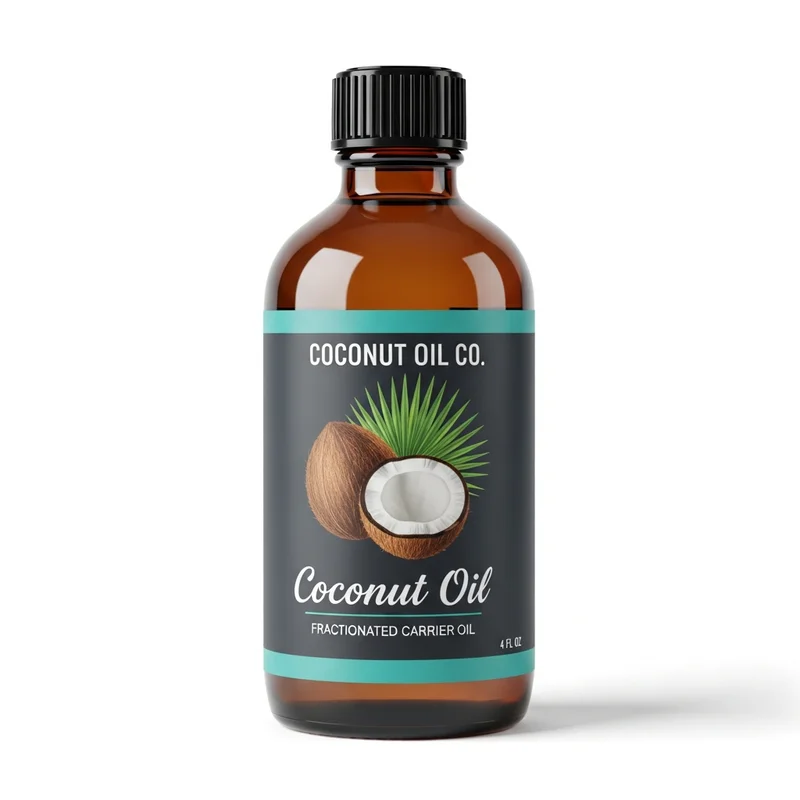
Fractionated Coconut Oil
Our own Fractionated Coconut Oil, in sizes from 0.5 oz to bulk.
From $8.99
Shop Now →From understanding smoke points to mastering foolproof recipes, we're diving deep into everything you need to know about coconut oil for cooking. Get ready to discover why professional chefs and home cooks alike are making the switch to this remarkably versatile oil.
Table of Contents
- Why Choose Coconut Oil for Cooking?
- Understanding Coconut Oil Smoke Points
- Virgin vs. Refined: Which Type to Use When
- Mastering Different Cooking Methods
- Essential Coconut Oil Recipes
- Pro Tips for Cooking Success
- Storage and Handling Guidelines
- Troubleshooting Common Issues
🔥 Key Takeaways
- Refined coconut oil has a higher smoke point (400°F) than virgin coconut oil (350°F)
- Coconut oil works exceptionally well for sautéing, baking, and medium-heat cooking
- The oil solidifies at 76°F, making it unique among cooking oils
- Different types of coconut oil serve different culinary purposes
- Proper storage and handling techniques maximize flavor and shelf life
- Understanding melting points prevents common cooking mishaps
Why Choose Coconut Oil for Cooking?
When it comes to selecting the perfect cooking oil, coconut oil stands out for several compelling reasons. Unlike many other oils that break down under heat or turn rancid quickly, coconut oil offers remarkable stability and versatility that makes it a favorite among both professional chefs and home cooking enthusiasts.
Stability at High Temperatures
One of the most impressive characteristics of coconut oil is its exceptional heat stability. The high concentration of saturated fats gives it a natural resistance to oxidation and rancidity, even when exposed to heat, light, and air. This stability means your food tastes better and the oil maintains its quality longer than many alternatives.
Unique Flavor Profile
Virgin coconut oil brings a subtle, naturally sweet flavor that enhances both sweet and savory dishes. This distinctive taste can elevate everything from stir-fries to baked goods, adding depth without overwhelming other ingredients. For those who prefer a neutral taste, refined coconut oil offers all the cooking benefits without the coconut flavor.
Versatility Across Cooking Methods
From gentle sautéing to high-heat roasting, coconut oil for cooking adapts to virtually any culinary technique. Its unique melting point of 76°F means it's solid at room temperature but melts quickly when heated, making it perfect for both cold preparations and hot cooking methods.
Long Shelf Life
Quality coconut oil can last up to two years when stored properly, significantly longer than many other cooking oils. This extended shelf life makes it an economical choice for home cooks who want reliable, high-quality oil always on hand.
Understanding Coconut Oil Smoke Points
The coconut oil smoke point is crucial information for any cook wanting to maximize both flavor and nutrition. Understanding these temperature thresholds helps you choose the right cooking method and avoid the bitter, acrid flavors that develop when oils are heated beyond their limits.
What is a Smoke Point?
The smoke point is the temperature at which an oil begins to break down and produce visible smoke. Beyond this point, the oil starts to decompose, creating unpleasant flavors and potentially harmful compounds. Staying below the smoke point ensures optimal taste and cooking performance.
| Oil Type | Smoke Point | Best Uses |
|---|---|---|
| Virgin/Extra Virgin Coconut Oil | 350°F (175°C) | Sautéing, baking, medium-heat cooking |
| Refined Coconut Oil | 400°F (204°C) | Frying, roasting, high-heat cooking |
| Fractionated Coconut Oil | 320°F (160°C) | Light sautéing, dressings |
Virgin vs. Refined Smoke Points
The processing method significantly affects the coconut oil smoke point. Virgin coconut oil, with its minimal processing, retains more of the natural coconut compounds but has a lower smoke point of 350°F. Refined coconut oil, having undergone additional processing to remove impurities, can handle higher temperatures up to 400°F.
Practical Temperature Guidelines
Here's how to match your cooking method with the appropriate coconut oil type:
- Low Heat (250-300°F): Both virgin and refined work well for gentle warming, melting chocolate, or finishing dishes
- Medium Heat (300-350°F): Perfect range for both types; ideal for sautéing vegetables, scrambling eggs, or making pancakes
- Medium-High Heat (350-400°F): Use refined coconut oil for roasting vegetables, searing proteins, or shallow frying
- High Heat (400°F+): Only refined coconut oil should be used, and even then, monitor carefully
Virgin vs. Refined: Which Type to Use When
Choosing between virgin and refined coconut oil can make or break your dish. Each type brings unique characteristics to the table, and understanding these differences is essential for culinary success. Let's explore when to reach for each variety and why it matters.
For a deeper dive into this topic, check out our comprehensive comparison of virgin vs refined coconut oil.
Virgin Coconut Oil Characteristics
Virgin coconut oil retains the natural coconut aroma and flavor, making it ideal when you want that subtle tropical note in your cooking. The minimal processing preserves more of the oil's natural compounds, resulting in a slightly lower smoke point but richer flavor profile.
Best uses for virgin coconut oil:
- Baking cookies, cakes, and muffins where coconut flavor is welcome
- Sautéing vegetables for Asian or tropical-inspired dishes
- Making granola or energy bars
- Preparing smoothies and raw desserts
- Light stovetop cooking at medium temperatures
Refined Coconut Oil Characteristics
Refined coconut oil undergoes additional processing to remove the coconut flavor and aroma, resulting in a neutral-tasting oil with a higher smoke point. This makes it incredibly versatile for cooking applications where you don't want coconut flavor to compete with other ingredients.
Best uses for refined coconut oil:
- High-heat cooking methods like stir-frying and roasting
- Savory dishes where coconut flavor would be out of place
- Baking when you want neutral flavor (see our guide on coconut oil for baking)
- Frying applications (learn more about coconut oil for frying)
- Professional kitchen applications requiring consistency
Making the Right Choice
The decision often comes down to flavor preference and cooking method. If you're making Thai curry or tropical desserts, virgin coconut oil's natural flavor enhances the dish. For everyday cooking like scrambling eggs or roasting vegetables, refined coconut oil's neutral taste and higher smoke point make it the practical choice.
Mastering Different Cooking Methods
Success with cooking with coconut oil comes from understanding how this unique oil behaves across different cooking methods. Each technique requires specific considerations, from temperature control to timing. Let's master the art of coconut oil cooking across all methods.
Sautéing and Pan-Frying
Sautéing is where coconut oil truly shines. Its stability at medium temperatures makes it perfect for cooking vegetables, proteins, and aromatics with consistent results.
Technique tips:
- Start with the pan at medium heat before adding coconut oil
- Allow the oil to melt completely and become clear before adding ingredients
- For vegetables, add hardier items first, then softer ones
- Don't overcrowd the pan—this lowers temperature and causes steaming instead of sautéing
"The key to perfect sautéing with coconut oil is patience. Let the oil melt completely and reach the right temperature before adding your ingredients. This ensures even cooking and prevents sticking." — Professional Chef Tip
Baking Applications
Coconut oil's unique melting point creates interesting possibilities in baking. When solid, it can create flaky pastries similar to butter. When liquid, it incorporates smoothly into batters and doughs.
Baking considerations:
- Measure coconut oil in its intended state (solid or liquid) per recipe requirements
- For creaming with sugar, ensure coconut oil is at room temperature (solid but soft)
- When substituting for butter, use about 25% less coconut oil
- In cold climates, gently warm mixing bowls to prevent premature solidification
Roasting and High-Heat Methods
For roasting vegetables, proteins, or creating crispy textures, refined coconut oil's higher smoke point makes it the superior choice. The key is understanding heat distribution and timing.
Roasting success strategies:
- Preheat your oven with the pan inside for even heat distribution
- Toss ingredients with melted coconut oil just before cooking
- Use parchment paper to prevent sticking and ensure easy cleanup
- Monitor closely near the end of cooking time, as coconut oil can accelerate browning
Deep Frying Techniques
While coconut oil can be used for deep frying, it requires specific techniques due to its lower smoke point compared to traditional frying oils. Use only refined coconut oil and maintain strict temperature control.
Safe frying practices:
- Keep oil temperature between 350-375°F maximum
- Use a reliable thermometer for accurate monitoring
- Fry in small batches to maintain oil temperature
- Have proper ventilation due to coconut oil's distinct aroma when heated
Essential Coconut Oil Recipes
Ready to put your coconut oil knowledge into action? These carefully selected coconut oil recipes showcase the oil's versatility across different cooking methods and cuisines. Each recipe includes specific tips for working with coconut oil's unique properties.
Perfect Coconut Oil Scrambled Eggs
Serves 2-3 | Prep time: 2 minutes | Cook time: 5 minutes
Ingredients:
- 6 large eggs
- 2 tablespoons refined coconut oil
- 2 tablespoons heavy cream or milk
- Salt and pepper to taste
- Fresh chives for garnish
Instructions:
- Heat coconut oil in a non-stick pan over medium-low heat until completely melted and clear
- Whisk eggs with cream, salt, and pepper in a bowl
- Pour egg mixture into the warm pan, letting it sit for 30 seconds
- Gently stir with a spatula, pushing eggs from edges to center
- Continue stirring gently every 30 seconds until eggs are just set but still creamy
- Remove from heat and garnish with chives
Pro tip: The key is low, gentle heat. Coconut oil's stability allows for perfect texture without burning.
Crispy Coconut Oil Roasted Vegetables
Serves 4-6 | Prep time: 10 minutes | Cook time: 25 minutes
Ingredients:
- 2 pounds mixed vegetables (brussels sprouts, carrots, sweet potatoes), chopped
- 3 tablespoons refined coconut oil, melted
- 1 teaspoon garlic powder
- 1 teaspoon smoked paprika
- Salt and pepper to taste
- Fresh rosemary sprigs
Instructions:
- Preheat oven to 425°F with a large sheet pan inside
- Toss chopped vegetables with melted coconut oil and seasonings in a large bowl
- Carefully remove hot pan from oven and spread vegetables in single layer
- Roast for 20-25 minutes, stirring once halfway through
- Vegetables should be golden and crispy on edges
- Garnish with fresh rosemary before serving
Pro tip: The hot pan creates immediate searing, while coconut oil's heat stability ensures even browning without burning.
Fluffy Coconut Oil Pancakes
Makes 12 pancakes | Prep time: 10 minutes | Cook time: 15 minutes
Ingredients:
- 2 cups all-purpose flour
- 2 tablespoons sugar
- 2 teaspoons baking powder
- 1/2 teaspoon salt
- 2 large eggs
- 1 1/2 cups milk
- 1/4 cup coconut oil, melted and slightly cooled
- 1 teaspoon vanilla extract
- Additional coconut oil for cooking
Instructions:
- Whisk together flour, sugar, baking powder, and salt in a large bowl
- In separate bowl, beat eggs, then whisk in milk, melted coconut oil, and vanilla
- Pour wet ingredients into dry ingredients, stirring just until combined (lumps are okay)
- Heat a griddle or large pan over medium heat
- Add a small amount of coconut oil to pan for each batch
- Pour 1/4 cup batter per pancake onto hot griddle
- Cook until bubbles form on surface and edges look set, flip once
- Cook until golden brown on both sides
Pro tip: Don't let the melted coconut oil cool too much before mixing, or it may solidify when it hits the cold milk.
Asian-Inspired Coconut Oil Stir-Fry
Serves 4 | Prep time: 15 minutes | Cook time: 8 minutes
Ingredients:
- 1 pound protein of choice, cut into bite-sized pieces
- 3 cups mixed vegetables (bell peppers, snap peas, carrots, broccoli)
- 3 tablespoons refined coconut oil, divided
- 3 cloves garlic, minced
- 1 tablespoon fresh ginger, grated
- 2 tablespoons soy sauce
- 1 tablespoon rice vinegar
- 1 teaspoon sesame oil
- 2 green onions, sliced
- Sesame seeds for garnish
Instructions:
- Heat wok or large skillet over high heat
- Add 2 tablespoons coconut oil and swirl to coat
- Add protein and cook until golden, about 3-4 minutes, then remove
- Add remaining coconut oil to pan
- Add vegetables in order of cooking time needed (hardest first)
- Stir-fry for 2-3 minutes until crisp-tender
- Add garlic and ginger, stir for 30 seconds
- Return protein to pan, add sauce ingredients
- Toss everything together for 1 minute
- Garnish with green onions and sesame seeds
Pro tip: High heat and quick cooking preserve the vegetables' texture while coconut oil's stability prevents burning even at wok temperatures.
Pro Tips for Cooking Success

Mastering cooking with coconut oil goes beyond just understanding smoke points and recipes. These professional techniques and insider secrets will elevate your coconut oil cooking from good to exceptional. Let's dive into the advanced strategies that separate amateur cooks from coconut oil masters.
Temperature Management Mastery
Temperature control is absolutely critical when working with coconut oil. Unlike other oils that gradually warm up, coconut oil transitions from solid to liquid at exactly 76°F, which can catch inexperienced cooks off guard.
Advanced temperature techniques:
- The Warm Bowl Method: In cold kitchens, warm your mixing bowls with hot water before adding ingredients to prevent coconut oil from seizing up mid-recipe
- Gradual Heating: When melting coconut oil for cooking, use medium-low heat initially, then increase gradually to prevent hot spots
- Temperature Testing: Drop a small piece of food into the oil—it should sizzle gently, not violently bubble
- Recovery Technique: If coconut oil overheats and starts smoking, remove from heat immediately and let cool before continuing
Flavor Pairing Strategies
Understanding which flavors complement coconut oil (and which clash) is essential for creating harmonious dishes. Even refined coconut oil has subtle characteristics that can enhance or conflict with other ingredients.
Flavor synergy guide:
- Natural partners: Lime, ginger, garlic, chili, curry spices, vanilla, cinnamon
- Unexpected complements: Rosemary, thyme, smoked paprika, dark chocolate
- Careful pairings: Strong cheeses, fish, heavily acidic ingredients
- Avoid combinations: Delicate herbs (they can be overpowered), certain wine-based sauces
Texture Optimization Techniques
Coconut oil's unique solid-to-liquid transition can be leveraged to create specific textures that other oils cannot achieve. Professional bakers and chefs use this characteristic strategically.
Texture manipulation methods:
- Flaky pastries: Use solid, cold coconut oil and work quickly to create butter-like layers
- Smooth batters: Ensure ingredients are at similar temperatures to prevent coconut oil from clumping
- Crispy coatings: Brush melted coconut oil on surfaces before baking for golden, crispy results
- Creamy textures: Incorporate room-temperature coconut oil slowly into mixtures for smooth integration
Seasoning and Timing Secrets
Coconut oil interacts differently with seasonings compared to other oils. Understanding these interactions allows you to maximize flavor development and avoid common pitfalls.
Professional seasoning strategies:
- Salt timing: Add salt after coconut oil has heated to prevent moisture from causing dangerous splattering
- Spice blooming: Toast whole spices in coconut oil at medium heat to release essential oils before adding other ingredients
- Herb integration: Add hardy herbs (rosemary, thyme) early in the cooking process, delicate herbs (basil, cilantro) at the end
- Acid balance: Add acidic ingredients (citrus, vinegar) after cooking to prevent the oil from breaking down
Equipment Optimization
The right tools make coconut oil cooking significantly more successful. Professional kitchens use specific equipment choices to maximize coconut oil's unique properties.
Essential equipment considerations:
- Pan selection: Heavy-bottomed pans distribute heat evenly, preventing hot spots that can burn coconut oil
- Non-stick surfaces: Particularly helpful when working with coconut oil's solid-liquid transition
- Thermometer precision: Infrared thermometers provide instant, accurate readings for optimal temperature control
- Storage containers: Wide-mouth jars make scooping solid coconut oil much easier
Storage and Handling Guidelines
Proper storage and handling techniques are crucial for maintaining coconut oil's quality, flavor, and cooking performance. Understanding how environmental factors affect this unique oil will ensure you always have premium coconut oil ready for your culinary adventures.
Optimal Storage Conditions
Coconut oil's stability is one of its greatest assets, but proper storage maximizes both shelf life and quality. Unlike many cooking oils that require refrigeration once opened, coconut oil thrives in different conditions.
Storage environment guidelines:
- Temperature: Store between 68-78°F for easy scooping; higher temperatures keep it liquid, lower temperatures keep it solid
- Light protection: Keep in dark, opaque containers or store in cabinets away from direct sunlight
- Air exposure: Always seal containers tightly after use to prevent oxidation and maintain freshness
- Moisture control: Ensure storage area is dry; water contamination can lead to spoilage
Container Selection and Management
The right container makes a significant difference in both storage life and daily usability. Professional kitchens and home cooks alike benefit from strategic container choices.
Container best practices:
- Glass jars: Wide-mouth mason jars provide easy access and don't absorb odors or flavors
- Stainless steel: Excellent for professional kitchens; doesn't react with the oil and easy to clean
- Food-grade plastic: Acceptable for short-term storage but may absorb coconut aroma over time
- Avoid: Reactive metals (aluminum, copper) which can affect flavor and quality
Seasonal Handling Strategies
Coconut oil's behavior changes dramatically with seasonal temperature fluctuations. Adapting your handling techniques to the season ensures consistent cooking results year-round.
Summer handling (oil is liquid):
- Pour directly from container into measuring cups
- Store in slightly cooler areas to prevent overheating
- Consider refrigerating portions if you prefer solid texture for baking
- Use liquid measurements in recipes calling for melted coconut oil
Winter handling (oil is solid):
- Scoop portions with clean, dry spoons
- Warm containers briefly in hands or warm water for easier measurement
- Plan ahead for recipes requiring liquid coconut oil
- Keep small portions at room temperature for immediate use
Quality Assessment and Freshness
Knowing how to evaluate coconut oil quality ensures you're always cooking with the best possible product. Fresh, high-quality coconut oil performs better and tastes superior in all cooking applications.
Quality indicators:
- Appearance: Pure white when solid, crystal clear when liquid (virgin oil may have slight yellow tint)
- Aroma: Fresh, clean coconut scent (virgin) or neutral (refined); avoid musty, rancid, or chemical odors
- Texture: Smooth consistency without grittiness, separation, or unusual particles
- Taste: Clean, pleasant flavor without bitter, sour, or off-tastes
Extending Shelf Life
Quality coconut oil naturally has a long shelf life, but proper techniques can extend it even further, saving money and ensuring consistent cooking results.
Shelf life maximization strategies:
- Batch separation: Keep a small portion for daily use and store bulk quantities separately
- Clean utensils: Always use clean, dry utensils to prevent contamination
- Temperature stability: Avoid repeated heating and cooling cycles which can degrade quality
- First-in, first-out rotation: Use older coconut oil first, especially if you buy in bulk
Troubleshooting Common Issues
Even experienced cooks encounter challenges when working with coconut oil's unique properties. Understanding how to identify, prevent, and fix common issues will make you a more confident and successful coconut oil chef. Let's tackle the most frequent problems and their solutions.
Temperature-Related Problems
Most coconut oil cooking issues stem from temperature management problems. The oil's distinct melting point creates situations that don't occur with other cooking oils.
Problem: Coconut oil solidifies during mixing
- Cause: Cold ingredients or mixing bowl causing oil temperature to drop below 76°F
- Solution: Warm mixing bowl with hot water, then dry thoroughly before use
Fractionated Coconut Oil
Fractionated Coconut Oil from our own shop, in sizes from 0.5 oz to bulk.
From $8.99
Shop Now →