What Is Fractionated Coconut Oil? The Complete Science-Based Guide
Key Takeaways
- Fractionated coconut oil is a processed form that remains liquid at room temperature
- It's created by removing long-chain fatty acids, leaving primarily caprylic and capric acids
- Has a longer shelf life and neutral scent compared to regular coconut oil
- Commonly used as a carrier oil in aromatherapy and cosmetic applications
- Generally recognized as safe (GRAS) by the FDA for food use
- Different properties make it suitable for specific applications where regular coconut oil isn't ideal
Table of Contents
- What Is Fractionated Coconut Oil?
- How Is Fractionated Coconut Oil Made?
- Key Differences from Regular Coconut Oil
- Properties and Characteristics
- Common Uses and Applications
- Benefits and Considerations
- Quality Factors and Selection Guide
- Safety Guidelines and Storage
What Is Fractionated Coconut Oil?
Fractionated coconut oil is a modified form of coconut oil that has been processed to remove certain fatty acids, resulting in a product that remains liquid at room temperature. Unlike regular coconut oil, which solidifies below 76°F (24°C), fractionated coconut oil maintains its liquid state even in cooler environments.
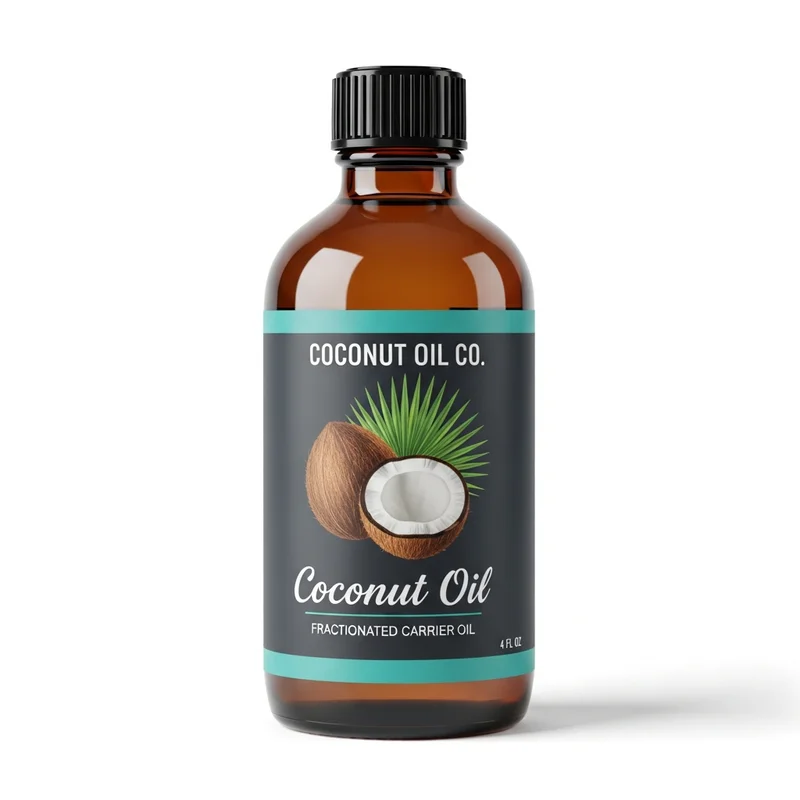 Fractionated Coconut Oil
Our own Fractionated Coconut Oil, in sizes from 0.5 oz to bulk. From $8.99.
Shop Now →
Fractionated Coconut Oil
Our own Fractionated Coconut Oil, in sizes from 0.5 oz to bulk. From $8.99.
Shop Now →
The term "fractionated" refers to the process of separating different components of the original oil based on their melting points. This selective removal creates a product with distinctly different properties from virgin coconut oil or other traditional coconut oil varieties.
Scientific Classification
Chemically speaking, fractionated coconut oil consists primarily of medium-chain triglycerides (MCTs), specifically caprylic acid (C8) and capric acid (C10). These shorter-chain fatty acids have lower melting points than the longer-chain fatty acids found in regular coconut oil, such as lauric acid (C12) and myristic acid (C14).
How Is Fractionated Coconut Oil Made?
The fractionation process involves several steps that separate coconut oil into its component parts based on melting points and molecular weight.
The Fractionation Process
- Initial Processing: Regular coconut oil is heated to a liquid state
- Controlled Cooling: The oil is gradually cooled under controlled conditions
- Crystallization: Higher melting point fats crystallize and separate first
- Separation: The liquid portion (containing shorter-chain fatty acids) is separated from the crystallized portion
- Refinement: Additional processing may be used to achieve desired specifications
Alternative Methods
Some manufacturers use steam distillation or other separation techniques to achieve similar results. The specific method can affect the final composition and quality of the fractionated coconut oil.
Key Differences from Regular Coconut Oil

Understanding what is fractionated coconut oil requires comparing it directly to regular coconut oil. Here are the primary distinctions:
| Characteristic | Regular Coconut Oil | Fractionated Coconut Oil |
|---|---|---|
| State at Room Temperature | Solid below 76°F (24°C) | Always liquid |
| Scent | Coconut aroma (varies by processing) | Odorless or very mild |
| Shelf Life | 2+ years | Indefinite (very stable) |
| Primary Fatty Acids | Lauric, Myristic, Caprylic, Capric | Mainly Caprylic and Capric |
| Absorption Rate | Moderate | Very fast |
Nutritional Differences
The fractionation process removes lauric acid, which comprises about 47% of regular coconut oil. This significantly changes the nutritional profile, as lauric acid is often cited in research about coconut oil's potential properties.
Properties and Characteristics
Fractionated coconut oil explained through its unique properties reveals why it's chosen for specific applications:
Physical Properties
- Viscosity: Thin, lightweight consistency
- Color: Clear to slightly yellow
- Melting Point: Remains liquid at temperatures as low as 32°F (0°C)
- Density: Approximately 0.9 g/ml at room temperature
- Smoke Point: Around 350°F (175°C)
Chemical Stability
One of the most notable characteristics is its exceptional stability. The removal of longer-chain fatty acids results in a product that's highly resistant to rancidity. This stability makes it valuable for applications requiring long shelf life without refrigeration.
Common Uses and Applications
Fractionated coconut oil uses span multiple industries due to its unique properties:
Cosmetic and Personal Care
- Carrier Oil: Popular base for essential oil dilution in aromatherapy
- Moisturizer: Light, non-greasy feel for skincare products
- Massage Oil: Smooth glide without leaving heavy residue
- Hair Care: Lightweight conditioning agent
Food Industry
In food applications, fractionated coconut oil serves as:
- A neutral-flavored cooking oil for specific applications
- An ingredient in processed foods requiring liquid fat
- A component in some nutritional supplements
Industrial Applications
- Lubricant in certain mechanical applications
- Base ingredient in some cleaning products
- Component in specialized manufacturing processes
DIY and Craft Uses
Many people use fractionated coconut oil for homemade products:
- Homemade lotions and balms
- Essential oil roller bottles
- Natural deodorants
- Lip balms and chapsticks
Safety Note: When using fractionated coconut oil in DIY projects, always follow proper dilution ratios for essential oils and perform patch tests before full application. Consult with qualified professionals for any intended therapeutic use.
Benefits and Considerations

Reported Benefits
Users and manufacturers often cite several advantages of fractionated coconut oil:
- Convenience: No melting required for liquid applications
- Stability: Extended shelf life without refrigeration
- Neutral Profile: Won't interfere with scents in aromatherapy
- Quick Absorption: Absorbs rapidly without leaving greasy residue
- Versatility: Suitable for both topical and food applications
Considerations and Limitations
However, there are important considerations when choosing between fractionated and unrefined coconut oil:
- Processing Level: More processed than virgin coconut oil
- Nutritional Changes: Loss of lauric acid and other components
- Cost: Generally more expensive than regular coconut oil
- Limited Research: Less studied than whole coconut oil
Who Might Choose Fractionated Coconut Oil
Fractionated coconut oil may be preferred by individuals who:
- Need a liquid oil at room temperature
- Want a neutral-scented carrier oil
- Require extended shelf stability
- Prefer fast-absorbing topical applications
- Work with essential oils professionally
Quality Factors and Selection Guide
What to Look For
When selecting fractionated coconut oil, consider these quality indicators:
- Source: Oil derived from high-quality coconuts
- Processing Method: Clean fractionation process without chemical solvents
- Purity: 100% fractionated coconut oil without additives
- Certifications: Organic, non-GMO, or other relevant certifications
- Testing: Third-party testing for purity and quality
Red Flags to Avoid
- Unusually low prices that may indicate dilution
- Products with added synthetic ingredients
- Lack of clear sourcing information
- Strong odors or unusual colors
- Vague labeling or marketing claims
Storage and Handling
Proper storage helps maintain quality:
- Store in a cool, dry place
- Keep container tightly sealed
- Avoid direct sunlight
- Use clean, dry utensils when dispensing
- Check for any changes in appearance or smell
Safety Guidelines and Storage
General Safety
Fractionated coconut oil is generally recognized as safe (GRAS) by the FDA for food use. However, following basic safety guidelines ensures optimal use:
- Patch Testing: Test on a small skin area before widespread topical use
- Allergies: Those with coconut allergies should exercise caution
- Quality Source: Purchase from reputable suppliers
- Proper Dilution: Follow appropriate ratios when mixing with essential oils
Specific Precautions
- Avoid contact with eyes and mucous membranes
- Keep out of reach of children
- Don't use as a substitute for medical treatment
- Discontinue use if irritation occurs
- Consult healthcare providers for any medical concerns
Long-Term Storage
Fractionated coconut oil's stability is one of its key advantages:
- Shelf Life: Can last indefinitely when stored properly
- Temperature Stability: Maintains quality across temperature ranges
- Oxidation Resistance: Highly resistant to rancidity
- Container Choice: Glass or food-grade plastic containers work well
Conclusion
Understanding what is fractionated coconut oil reveals a unique product with specific advantages for certain applications. While it differs significantly from extra virgin coconut oil in composition and properties, its liquid state, neutral scent, and exceptional stability make it valuable for cosmetic, aromatherapy, and specialized food applications.
Whether fractionated coconut oil is right for your needs depends on your specific requirements. Consider factors like intended use, desired properties, and personal preferences when choosing between fractionated and traditional coconut oil products.
As with any product, quality matters significantly. Choose reputable suppliers, understand the processing methods used, and always prioritize safety in application. When in doubt about any health-related use, consult with qualified healthcare professionals who can provide personalized guidance based on your individual circumstances.