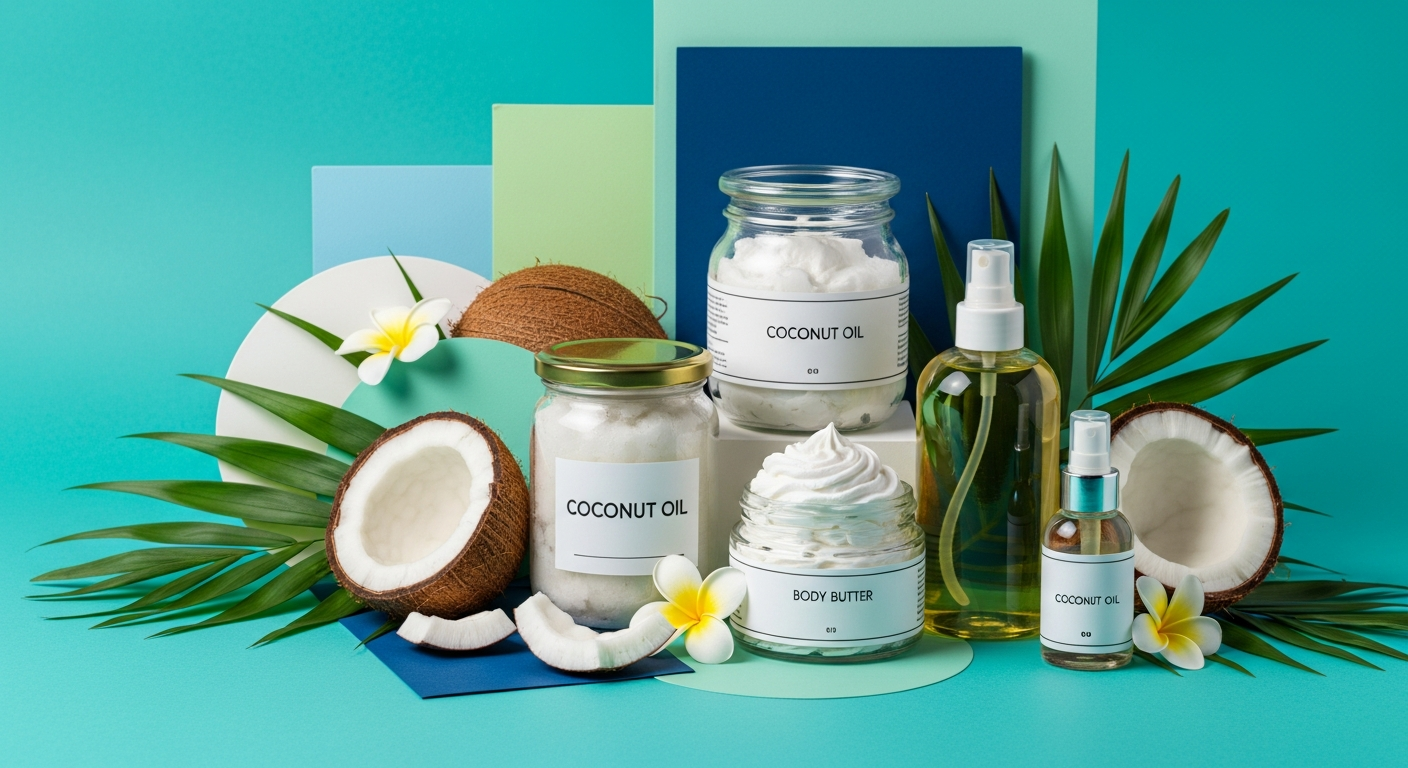
Best Coconut Oil for DIY Beauty Products: 6 Picks for Crafters and Formulators
Creating your own beauty products at home has never been more popular, and coconut oil stands as one of the most versatile ingredients in any DIY formulator's toolkit. Whether you're whipping up a luxurious coconut oil body butter or crafting the perfect coconut oil lip balm, the quality of your base ingredient can make or break your final product.
Finding the best coconut oil for DIY beauty projects requires understanding what separates premium formulating oils from basic cooking varieties. The wrong choice can lead to inconsistent textures, unexpected scents, or products that don't perform as expected. This comprehensive guide cuts through the confusion to help you select coconut oil that will elevate your homemade skincare creations.
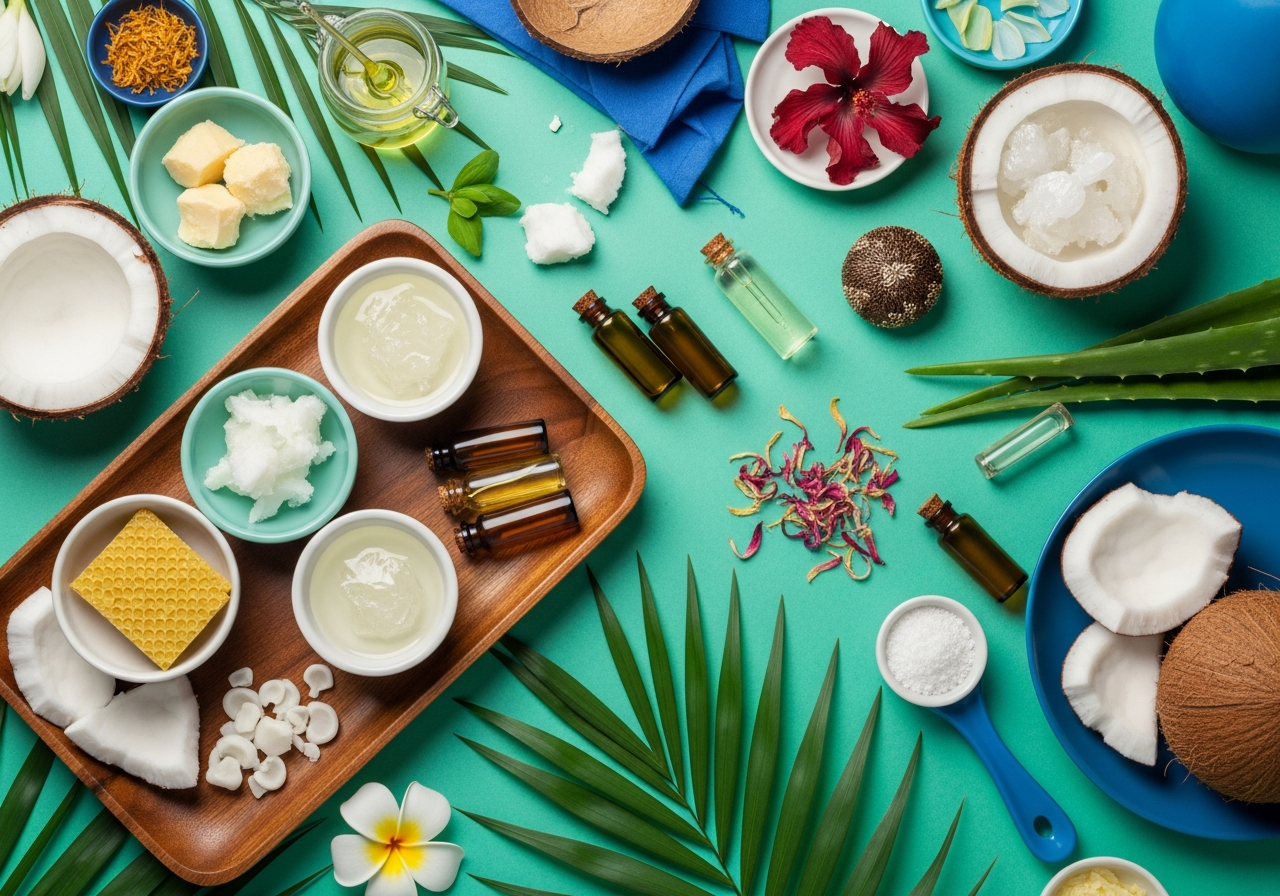
What Makes Coconut Oil Ideal for DIY Beauty Products?
Coconut oil brings unique properties to homemade cosmetics that make it a formulator's favorite. Its natural composition includes lauric acid, myristic acid, and caprylic acid, creating a stable base that resists rancidity better than many other plant oils.
The oil's melting point around 76°F (24°C) makes it particularly interesting for cosmetic applications. It remains solid at room temperature but melts readily when applied to skin, creating products with appealing textures. This characteristic proves especially valuable when creating balms, butters, and solid moisturizers.
For DIY beauty enthusiasts, coconut oil offers exceptional versatility. It can serve as a primary ingredient in everything from cleansing oils to hair masks, and it blends beautifully with essential oils, botanical extracts, and other cosmetic ingredients.
Essential Quality Indicators for Cosmetic-Grade Coconut Oil
Processing Method
The extraction and processing method significantly impacts your oil's suitability for beauty applications. Virgin coconut oil, extracted through cold-pressing or wet-milling fresh coconut meat, retains more of the natural compounds that may benefit skin applications. This processing method typically produces oil with a mild coconut scent and creamy white color when solid.
Refined coconut oil undergoes additional processing to remove the natural coconut scent and flavor. While some DIY formulators prefer this neutral profile for products where they want complete control over fragrance, others value virgin oil's natural properties.
Purity and Additives
Premium coconut oil for DIY beauty should contain 100% pure coconut oil without additional ingredients, preservatives, or chemical additives. Some commercial coconut oils include anti-foaming agents or other processing aids that aren't ideal for cosmetic formulations.
Always check ingredient labels carefully. Quality coconut oil for beauty applications should list only "coconut oil" or "cocos nucifera oil" as ingredients.
Packaging and Storage
Professional-grade coconut oil for cosmetic use often comes in dark glass jars or opaque containers that protect against light degradation. While coconut oil is relatively stable, exposure to light and heat can still impact quality over time.
Large containers (16 oz or larger) typically offer better value for serious DIY formulators, while smaller sizes work well for occasional crafting or testing new recipes.
Key Features to Compare When Shopping
Melting Point Consistency
High-quality coconut oil maintains consistent melting characteristics, which proves crucial for predictable results in DIY formulations. Inconsistent melting points can affect texture and performance in finished products.
Scent Profile
Consider your final product's intended fragrance when selecting coconut oil. Virgin oils typically carry a mild, sweet coconut scent that some formulators love, while others prefer refined oil's neutral profile for complete scent control.
Color and Appearance
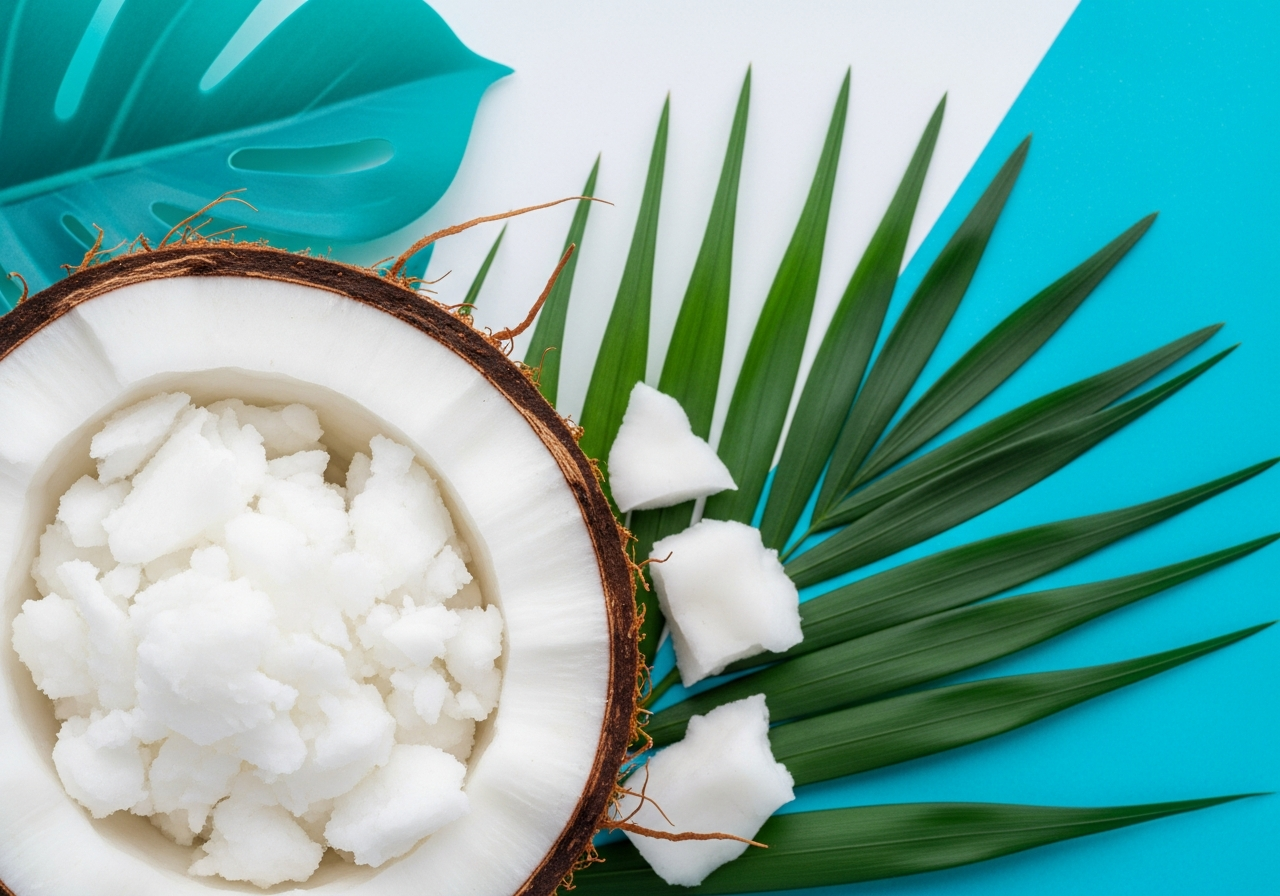
Premium coconut oil appears pure white when solid and crystal clear when liquid. Any yellow tinting, cloudiness when melted, or unusual textures may indicate quality issues or contamination.
Sourcing and Certification
Many formulators prefer coconut oil with certifications like organic, fair trade, or sustainably sourced. These certifications often correlate with higher quality control standards and more consistent products.
Top 6 Coconut Oil Picks for DIY Beauty Products
Best Overall: Nutiva Organic Virgin Coconut Oil
Price Range: Mid-range
Size Options: 14 oz, 29 oz, 54 oz, 78 oz
Processing: Cold-pressed virgin
Nutiva consistently delivers coconut oil that performs reliably in DIY beauty formulations. Their cold-pressed virgin oil maintains excellent texture consistency and offers a pleasant, mild coconut scent that doesn't overpower other ingredients. The brand's commitment to organic sourcing appeals to natural beauty enthusiasts.
This oil works particularly well in recipes requiring predictable melting behavior, making it excellent for beginners learning to formulate. The larger size options provide good value for regular DIY beauty makers.
Best Budget Option: Spectrum Organic Coconut Oil
Price Range: Budget-friendly
Size Options: 14 oz, 29 oz
Processing: Expeller-pressed
Spectrum offers reliable quality at an accessible price point, making it perfect for those new to DIY beauty or working on a tight budget. While not as premium as some alternatives, this oil performs consistently in most homemade beauty applications.
The expeller-pressed processing creates a neutral flavor profile while maintaining beneficial properties. This option works well for formulators who plan to add their own fragrances and want a clean slate to work with.
Best Premium Choice: Dr. Bronner's Whole Kernel Virgin Coconut Oil
Price Range: Premium
Size Options: 30 oz
Processing: Fresh-pressed virgin
Dr. Bronner's delivers exceptional quality with their whole kernel processing method, which preserves more of the coconut's natural compounds. This premium oil offers superior texture and consistency, making it ideal for high-end DIY formulations.
The brand's commitment to fair trade and organic practices appeals to conscious formulators, though the higher price point makes it better suited for special projects or professional-level DIY work.
Best for Large Batches: Viva Naturals Organic Virgin Coconut Oil
Price Range: Mid-range
Size Options: 16 oz, 32 oz, 54 oz
Processing: Cold-pressed virgin
Viva Naturals excels in providing consistent quality across larger quantities, making it perfect for formulators who create beauty products in bulk. Their cold-pressed processing maintains excellent stability and performance characteristics.
The brand offers particularly good value in larger sizes, and their quality control ensures that even large containers maintain freshness and consistency throughout use.
Best Refined Option: Carrington Farms Coconut Oil
Price Range: Budget to mid-range
Size Options: 12 oz, 25 oz, 54 oz
Processing: Refined, bleached, and deodorized
For formulators who prefer working with neutral-scented coconut oil, Carrington Farms provides excellent refined options. The RBD (refined, bleached, deodorized) processing removes the natural coconut scent while maintaining the oil's beneficial properties for cosmetic applications.
This choice works particularly well for products where you want complete control over fragrance, or when creating unscented formulations for sensitive skin applications.
Best Liquid Option: Sports Research Fractionated Coconut Oil
Price Range: Mid-range
Size Options: 16 oz, 32 oz
Processing: Fractionated
While not traditional coconut oil, fractionated coconut oil offers unique advantages for certain DIY beauty applications. This liquid-at-room-temperature version absorbs more quickly and works excellently as a carrier oil for essential oil blends or massage oils.
Sports Research provides high-quality fractionated coconut oil that remains stable and odorless, making it perfect for formulators who need a liquid coconut oil option for their creations.
Red Flags to Avoid When Buying
Suspicious Pricing
Extremely low prices often indicate lower quality or questionable sourcing. While budget options exist, prices significantly below market average may suggest compromised quality or processing shortcuts.
Unclear Labeling
Avoid products with vague descriptions like "coconut oil blend" or unclear processing information. Quality coconut oil for DIY beauty should clearly state its extraction method and purity level.
Poor Packaging
Coconut oil sold in clear plastic containers or packaging that appears damaged may have quality issues. Professional-grade oils typically come in appropriate protective packaging.
Unusual Appearance or Smell
Fresh coconut oil should never smell rancid, overly chemical, or unpleasant. Visual signs like unusual coloring, separation, or strange textures indicate quality problems.
Where to Buy Quality Coconut Oil for DIY Beauty
Online Retailers
Major online platforms offer extensive selection and competitive pricing for coconut oil. Look for sellers with high ratings and detailed product descriptions. Many specialty beauty supply retailers also offer coconut oils specifically marketed for cosmetic use.
Health Food Stores
Local health food stores often carry premium coconut oil brands and can provide valuable guidance on quality differences. These retailers frequently stock organic and specialty processed options.
Warehouse Stores
For formulators creating large batches, warehouse stores offer bulk sizes at competitive prices. However, verify that the bulk options maintain quality appropriate for cosmetic applications.
Direct from Manufacturers
Some coconut oil producers sell directly to consumers, often providing fresher products and better pricing for regular users. This option works particularly well for serious DIY formulators who use coconut oil regularly.
Storage and Handling Tips for Maximum Quality
Proper storage extends your coconut oil's useful life and maintains consistent quality for DIY beauty applications. Store coconut oil in a cool, dry place away from direct sunlight. While refrigeration isn't necessary, it can extend shelf life in warm climates.
Use clean, dry utensils when removing oil from containers to prevent contamination. Consider transferring large quantities into smaller containers for regular use, keeping the main supply sealed and fresh.
Quality coconut oil typically maintains its properties for 2-3 years when stored properly, though using it within 18 months ensures optimal performance in DIY formulations.
Making the Right Choice for Your DIY Projects
Selecting the best coconut oil for DIY beauty products ultimately depends on your specific needs, budget, and formulating style. Virgin oils work well for formulators who appreciate natural coconut scent and want minimal processing, while refined options suit those preferring neutral bases for custom fragrancing.
Consider starting with a mid-range option like Nutiva or Viva Naturals to develop your formulating skills, then experiment with premium choices or specialized options as your experience grows. Remember that consistent quality matters more than premium pricing when you're learning to create reliable DIY beauty products.
The investment in quality coconut oil pays dividends in better-performing final products, whether you're creating simple moisturizers or complex multi-ingredient formulations. Choose based on your projects' requirements, and don't hesitate to try different options to find your perfect formulating partner.