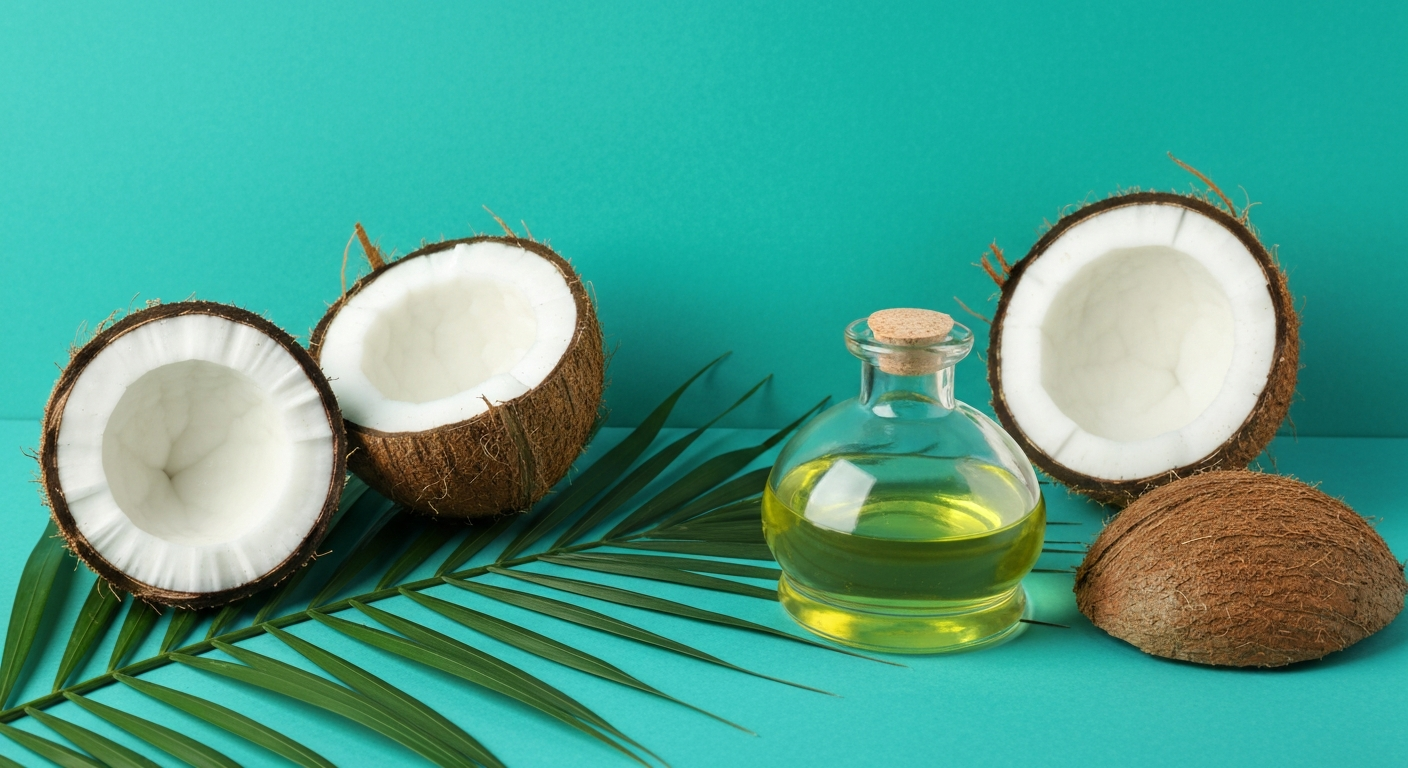
How to Make Coconut Milk from Coconut Oil (and Vice Versa)
You're halfway through a curry recipe when you realize you're out of coconut milk. Or maybe you've got a jar of coconut oil on the counter and you're wondering — can these two things actually stand in for each other? The short answer is yes, and understanding why opens up a surprisingly useful set of kitchen (and pantry) skills.
 Fractionated Coconut Oil
Our own Fractionated Coconut Oil, in sizes from 0.5 oz to bulk. From $8.99.
Shop Now →
Fractionated Coconut Oil
Our own Fractionated Coconut Oil, in sizes from 0.5 oz to bulk. From $8.99.
Shop Now →
This guide breaks down the relationship between coconut oil and coconut milk, walks you through how to make coconut milk from coconut oil in minutes, and explains how to go the other direction — rendering coconut oil from fresh or canned coconut milk. Whether you're in a pinch or just curious about where these ingredients actually come from, you're in the right place.
Coconut Oil vs Coconut Milk: What's the Actual Difference?
Before we start converting one into the other, it helps to understand what each product actually is — because they come from the same source but are processed very differently.
What Is Coconut Milk?
Coconut milk is an emulsion — a suspension of coconut fat (oil) in water, held together by naturally occurring proteins from the coconut flesh. When you blend or press grated coconut meat with water, the fat globules disperse into the liquid, creating that rich, creamy texture we associate with Thai soups, smoothies, and tropical desserts. Full-fat canned coconut milk typically contains around 17–24% fat by weight.
What Is Coconut Oil?
Coconut oil is the pure fat that has been separated from the water and proteins in coconut milk or fresh coconut flesh. Whether it's cold-pressed virgin coconut oil or refined coconut oil, you're essentially looking at the fat component that was once suspended in that milky emulsion — just isolated and concentrated. Learn more about the differences in our guide to virgin vs refined coconut oil.
The Key Takeaway
Coconut milk = coconut fat + water + coconut proteins.
Coconut oil = coconut fat, full stop.
This means converting between the two is fundamentally about adding or removing water (and to some extent, the emulsifying proteins). That's what makes these conversions possible — and surprisingly straightforward.
Why Would You Make Coconut Milk from Coconut Oil?
Here are a few situations where knowing how to make coconut milk at home using coconut oil comes in handy:
- You've run out of canned or carton coconut milk mid-recipe and coconut oil is all you have.
- You want to control fat content — by adjusting the oil-to-water ratio, you can create a lighter or richer milk to suit your recipe.
- You're avoiding additives — many commercial coconut milks contain guar gum, stabilizers, or added sugars. Homemade versions can be completely additive-free.
- You're curious and like to experiment in the kitchen. (Welcome. You're among friends.)
How to Make Coconut Milk from Coconut Oil
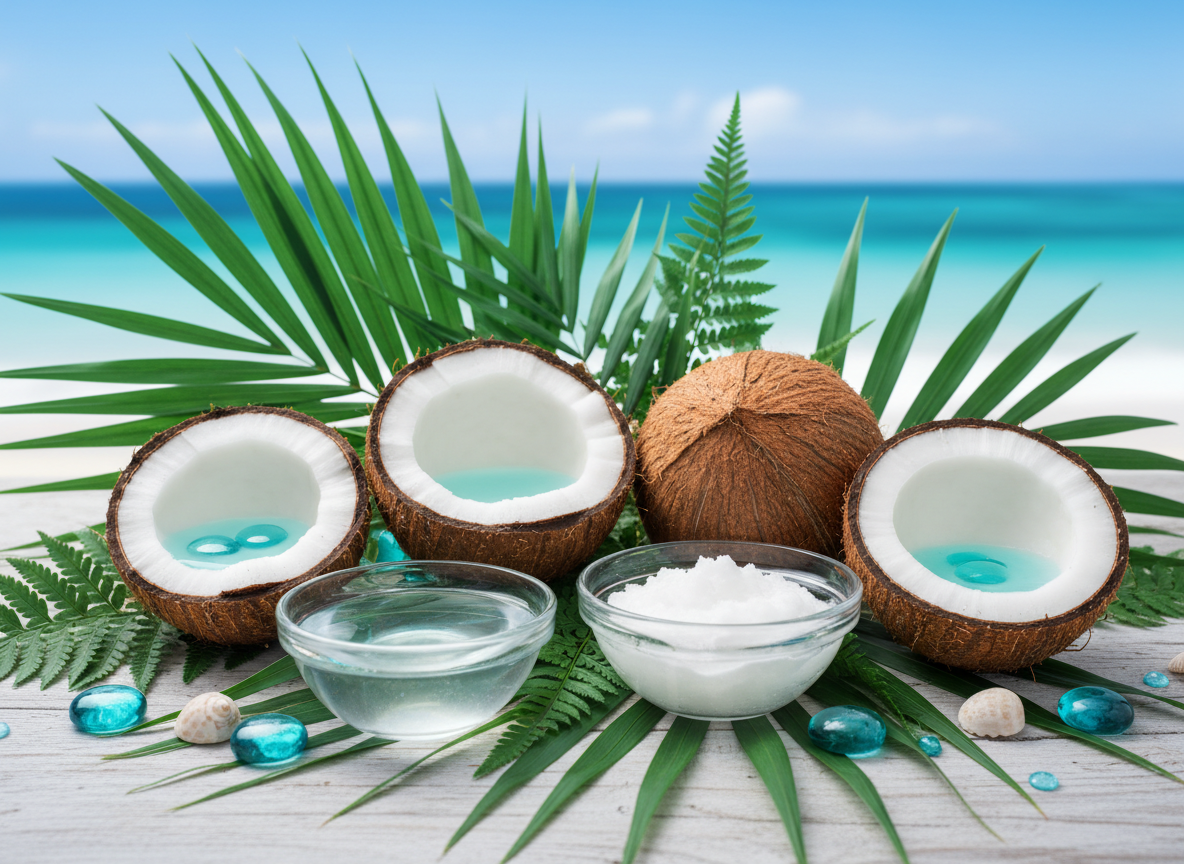
This method produces a quick, functional coconut milk that works well in cooking, baking, and smoothies. It won't be identical to the coconut milk pressed from fresh flesh — it will lack some of the subtle flavor compounds and proteins — but it's a highly effective substitute when you need it.
What You'll Need
- 1/4 cup (60ml) coconut oil (virgin or refined)
- 1 cup (240ml) warm water (not boiling — around 140°F / 60°C works well)
- A blender or immersion blender
- Optional: a pinch of salt, a splash of vanilla extract, or 1–2 tablespoons of shredded coconut for added flavor
Step-by-Step Instructions
- Melt the coconut oil if it's in solid form. Gentle warming in a small saucepan or a few seconds in the microwave is all it takes. You want it liquid but not hot.
- Warm your water to around 140°F (60°C). Using warm — not cold — water is crucial. Cold water will cause the coconut oil to re-solidify into lumps the moment they make contact, and no amount of stirring will fix that.
- Combine in a blender. Add the warm water first, then pour in the liquid coconut oil.
- Blend on high for 30–60 seconds. The heat and mechanical action of the blender will emulsify the fat into the water, creating a smooth, white liquid that looks remarkably like coconut milk.
- Use immediately, or store in the refrigerator for up to 3–4 days. Note: it will separate on standing (the fat rises to the top as it cools). Simply re-blend or shake well before using.
Ratio Reference Table
| Desired Coconut Milk Volume | Coconut Oil | Warm Water | Approximate Fat % |
|---|---|---|---|
| 1 cup (240ml) | 1/4 cup (60ml) | 3/4 cup (180ml) | ~20% (full-fat equivalent) |
| 1 cup (240ml) | 2 tbsp (30ml) | 7/8 cup (210ml) | ~10% (light coconut milk equivalent) |
| 2 cups (480ml) | 1/2 cup (120ml) | 1.5 cups (360ml) | ~20% (full-fat equivalent) |
Pro Tip: For the richest, creamiest result — especially for soups and curries — use virgin coconut oil. Its natural coconut aroma carries through into the finished milk and adds depth of flavor. For neutral applications like smoothies or baking where you don't want a coconut flavor, opt for refined coconut oil, which has a more neutral profile.
How to Make Coconut Oil from Coconut Milk
Going the other direction is also entirely possible — and it's actually a traditional method used across South and Southeast Asia to extract fresh coconut oil at home. This process is sometimes called the wet milling method or natural fermentation method, depending on the technique used.
Method 1: Heat Extraction (Quickest)
- Start with full-fat coconut milk — either homemade from fresh coconut or a high-quality canned version with minimal additives.
- Pour into a wide, heavy-bottomed saucepan and bring to a gentle simmer over low heat.
- Simmer uncovered, stirring occasionally, for 1.5–2 hours. The water will slowly evaporate, leaving behind the oil and coconut solids (curds).
- Watch for separation: as the water disappears, you'll see golden oil begin to pool around white, slightly toasty coconut curds. This is normal — and those curds are delicious sprinkled on dishes.
- Strain through cheesecloth or a fine mesh sieve into a clean glass jar, separating the oil from the solids.
- Cool and store. The resulting oil will solidify below 76°F (24°C). Store in a sealed jar at room temperature for up to a month.
Method 2: Refrigerator Separation (No Heat Required)
- Refrigerate a can of full-fat coconut milk overnight (do not shake it first).
- Open carefully — you'll find a thick, solid cream layer sitting on top of watery liquid. This cream layer is highly concentrated coconut fat.
- Scoop out the cream and place it in a saucepan. This isn't pure coconut oil yet — it still contains some water and proteins — but it's a much more concentrated starting point.
- Follow the heat extraction steps above, starting from step 2. Because you've removed most of the water already, this process will be significantly faster — often 30–45 minutes.
Note on Yield: One standard 13.5 oz (400ml) can of full-fat coconut milk will typically yield approximately 1/3 to 1/2 cup of coconut oil, depending on the brand's fat content. It's not the most economical way to source coconut oil — purchasing a quality jar is generally more cost-effective — but it's a fascinating kitchen experiment and a great way to understand what coconut oil actually is.
Substitution Tips: Using These Interchangeably in Recipes

Now that you know how to convert between the two, here are some practical substitution notes for common recipe scenarios.
Replacing Coconut Milk with Coconut Oil
- In curries and soups: Use the blended coconut oil + water mixture at a 1:1 ratio. The dish will be slightly less creamy but entirely workable.
- In baking: For recipes using coconut milk for moisture (e.g., cakes, muffins), replace with 1/4 cup melted coconut oil + 3/4 cup of another liquid (water, oat milk, almond milk) per cup of coconut milk called for.
- In smoothies: Add 1 tablespoon of coconut oil directly to the blender per 1/4 cup of coconut milk — the blender will emulsify it naturally.
Replacing Coconut Oil with Coconut Milk
- In baking: Substitute 1/4 cup of coconut oil with 3/4 cup of full-fat coconut milk (the fat content is roughly equivalent, but you're adding water — adjust other liquids accordingly).
- As a cooking fat: Coconut milk doesn't behave like coconut oil for sautéing. Use it to deglaze or add body to a sauce, but don't try to use it as a direct frying substitute.
- In hair and skincare: Coconut milk can be used in many of the same DIY applications as coconut oil, though with a different texture and consistency. Explore more in our guide to coconut oil for hair.
Frequently Asked Questions
Will homemade coconut milk from coconut oil taste the same as store-bought?
Close, but not identical. The subtle flavor complexity of fresh-pressed coconut milk comes partly from proteins and other compounds in the coconut flesh that aren't present in oil alone. That said, using high-quality virgin coconut oil produces a noticeably more coconut-forward flavor than using refined oil, and most people find the difference negligible in cooked dishes.
Why does my coconut milk separate after blending?
Because without the stabilizing proteins from fresh coconut flesh, this emulsion is relatively unstable — especially as the temperature drops and the fat wants to re-solidify. This is completely normal and doesn't indicate a problem. Just re-blend or shake vigorously before use. Commercially, brands use guar gum or other stabilizers to prevent this. Your homemade version skips those additives, which is often the point.
Can I use this coconut milk in coffee?
Yes — and it can create a lovely, lightly frothy result. For best results, blend the coconut oil version fresh and add it to hot coffee immediately. It will emulsify nicely with the heat. Check out our dedicated guide on adding coconut oil to coffee for more tips.
Is one better than the other nutritionally?
They have different nutritional profiles because coconut milk contains water, some carbohydrates, and trace proteins alongside the fat. Coconut oil is essentially pure fat. Neither is universally "better" — it depends entirely on context, your dietary goals, and how you're using it. We always recommend consulting a qualified healthcare provider or registered dietitian for personalized nutritional guidance.
Final Thoughts
Understanding the relationship between coconut oil and coconut milk makes you a more resourceful, confident cook — and it gives you genuine insight into where these beloved pantry staples actually come from. At their core, they're the same ingredient in different forms: one concentrated, one diluted into a creamy emulsion.
Making coconut milk from coconut oil at home takes under five minutes, requires no special equipment, and lets you dial in exactly the fat content you need. Going the other direction — rendering oil from milk — takes more time but is a satisfying, illuminating process that connects you to traditional food preparation methods that have been used for centuries across tropical regions worldwide.
Keep a quality jar of coconut oil in your pantry, and you'll rarely be caught short. It's one of the most flexible ingredients you can own — and now you know how to use it in even more ways than before. Browse our full collection of coconut oil cooking tips to keep exploring.