The Ultimate Guide to Organic Coconut Oil: Certifications, Sourcing, and Top Picks
In a marketplace flooded with coconut oil options, finding authentic, high-quality organic coconut oil can feel overwhelming. With health-conscious consumers increasingly seeking transparency in their food choices, understanding organic certifications, sourcing practices, and quality indicators has never been more important.
This comprehensive guide cuts through the marketing noise to help you make informed decisions about organic coconut oil. Whether you're a culinary enthusiast, natural beauty advocate, or simply someone who values premium ingredients, you'll discover everything needed to identify, evaluate, and select the best organic coconut oil for your needs.
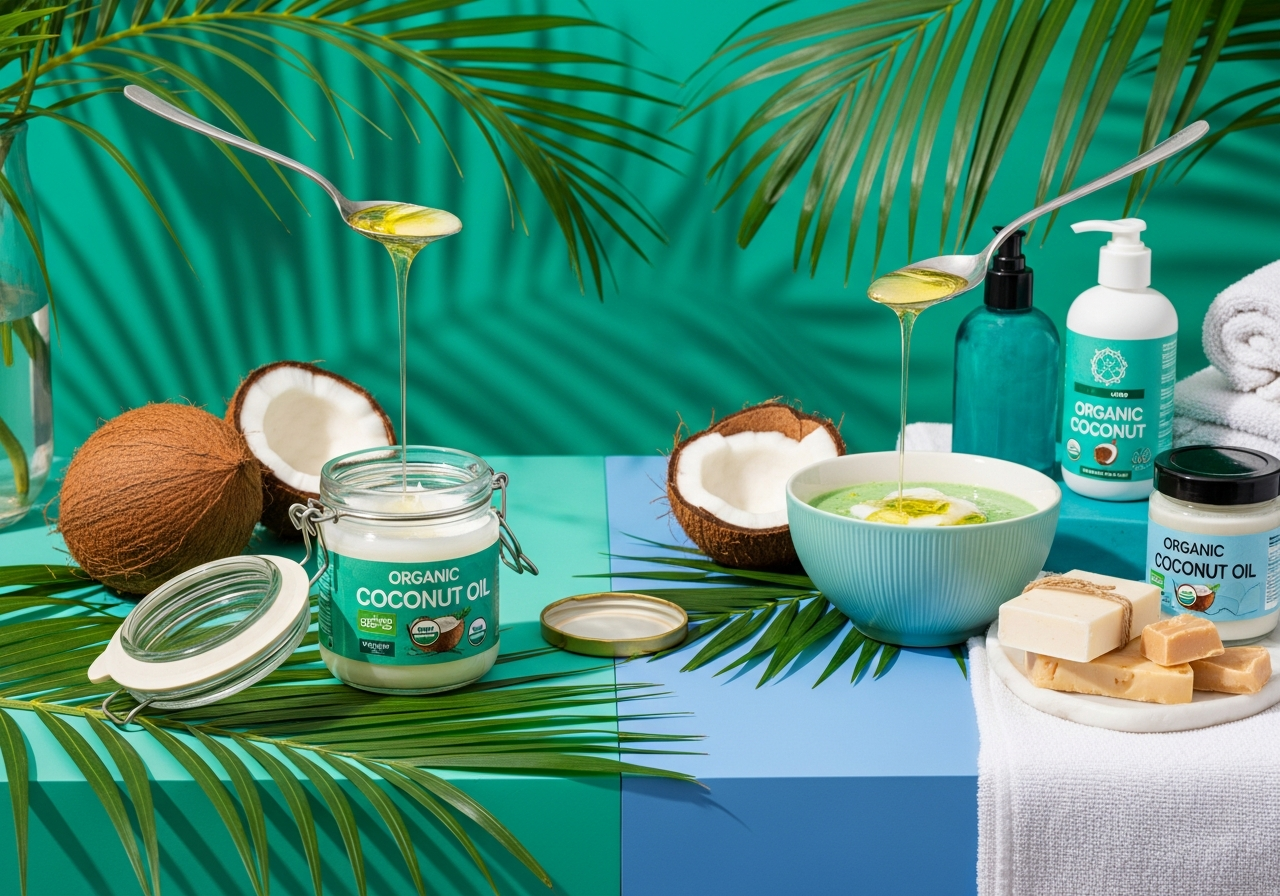
🥥 Key Takeaways
- USDA Organic certification is the gold standard for organic coconut oil in the United States
- Virgin and extra-virgin grades offer superior quality and retain more natural compounds
- Cold-pressed extraction preserves nutritional integrity better than refined processing
- Fair trade certifications ensure ethical sourcing and farmer compensation
- Third-party testing verifies purity and absence of contaminants
- Glass packaging maintains oil integrity better than plastic containers
Table of Contents
- Understanding Organic Coconut Oil
- Organic Certification Standards
- Sourcing and Production Methods
- Quality Indicators and Grades
- Evaluating Organic Coconut Oil Brands
- Top Organic Coconut Oil Picks for 2024
- Storage and Usage Tips
- Frequently Asked Questions
Understanding Organic Coconut Oil
Organic coconut oil represents the pinnacle of coconut oil production, adhering to strict agricultural and processing standards that prioritize environmental sustainability and product purity. Unlike conventional coconut oil, organic varieties must meet rigorous criteria throughout the entire supply chain.
What Makes Coconut Oil "Organic"?
For coconut oil to earn organic certification, coconut palms must be grown without synthetic pesticides, herbicides, or fertilizers for at least three years. The processing facilities must also comply with organic handling requirements, ensuring no prohibited substances contaminate the final product.
Organic coconut oil production typically involves:
- Sustainable farming practices that maintain soil health
- Natural pest management techniques
- Prohibition of genetically modified organisms (GMOs)
- Strict separation from non-organic products during processing
- Regular inspections by certified organic agencies
Organic vs. Conventional Coconut Oil
The differences between organic and conventional coconut oil extend beyond farming practices. Organic varieties often exhibit:
- Enhanced flavor profile: Many users report that organic coconut oil has a more pronounced, natural coconut taste
- Superior aroma: The scent tends to be more authentic and less processed
- Cleaner ingredient list: No artificial additives or processing aids
- Environmental benefits: Supporting sustainable agriculture practices
- Traceability: Better documentation of origin and production methods
Organic Certification Standards
Understanding organic certification standards is crucial for making informed purchasing decisions. Different regions maintain varying standards, though many align with internationally recognized principles.
USDA Organic Certification
The United States Department of Agriculture (USDA) Organic seal is widely considered the gold standard for organic products in North America. USDA organic coconut oil must meet these requirements:
- 95% organic ingredients minimum: At least 95% of the product must consist of organically produced ingredients
- Prohibited substance list compliance: Cannot contain synthetic fertilizers, pesticides, antibiotics, or growth hormones
- Annual inspections: Certified operations undergo yearly inspections by USDA-accredited agents
- Detailed record keeping: Comprehensive documentation of all inputs and processes
- Buffer zones: Physical separation from non-organic production areas
International Organic Standards
Several international certification bodies provide organic verification:
| Certification Body | Region | Key Requirements |
|---|---|---|
| JAS Organic | Japan | No synthetic chemicals, GMO-free, soil health maintenance |
| EU Organic | European Union | Biodiversity protection, minimal processing, animal welfare |
| IFOAM | International | Health, ecology, fairness, and care principles |
| ACO | Australia | Chemical-free production, environmental sustainability |
Additional Quality Certifications
Beyond basic organic certification, premium organic coconut oils may carry additional quality markers:
- Fair Trade Certified: Ensures fair compensation for coconut farmers and ethical labor practices
- Non-GMO Project Verified: Third-party verification that products avoid genetically modified ingredients
- Rainforest Alliance Certified: Promotes sustainable farming practices that protect ecosystems
- Kosher/Halal Certification: Meets specific dietary requirements for religious communities
Sourcing and Production Methods
The quality of organic coconut oil heavily depends on sourcing practices and production methods. Understanding these factors helps consumers identify superior products and support ethical business practices.
Geographic Sourcing Considerations
Different coconut-producing regions offer unique characteristics:
Philippines
The world's largest coconut producer, the Philippines offers diverse growing regions with varying soil compositions and climate conditions. Filipino organic coconut oil often features:
- Rich, tropical flavor profiles
- Well-established organic certification infrastructure
- Competitive pricing due to scale
- Strong cooperative farming networks
Sri Lanka
Known for premium coconut products, Sri Lankan organic coconut oil typically provides:
- Exceptional quality control standards
- Traditional production methods
- Smaller-batch, artisanal processing
- Higher price points reflecting quality focus
Indonesia
As a major coconut producer, Indonesia offers:
- Large-scale organic production capabilities
- Diverse regional flavor variations
- Growing investment in sustainable practices
- Competitive manufacturing costs
Extraction Methods
The extraction method significantly impacts the final product quality:
Cold-Pressed Extraction
Cold-pressed coconut oil maintains the highest nutritional integrity by avoiding heat damage to delicate compounds. This method:
- Preserves natural antioxidants and beneficial compounds
- Maintains authentic coconut flavor and aroma
- Requires minimal processing steps
- Results in higher-priced but superior-quality oil
Expeller-Pressed Extraction
This mechanical extraction method uses moderate heat and pressure:
- More efficient than cold-pressing
- Maintains most beneficial properties
- Offers good value for quality ratio
- Widely available in organic varieties
Centrifuge Extraction
Modern centrifuge technology separates oil from coconut milk:
- Minimal heat exposure
- High purity levels
- Consistent quality output
- Premium pricing tier
Processing Standards
Organic coconut oil processing must adhere to strict standards:
- No chemical solvents: Prohibition of hexane and other chemical extraction agents
- Temperature controls: Many organic producers limit processing temperatures to preserve nutritional content
- Contamination prevention: Strict cleaning protocols and dedicated organic processing lines
- Quality testing: Regular testing for pesticide residues, heavy metals, and microbial contamination
Quality Indicators and Grades
Recognizing quality indicators helps consumers distinguish premium organic coconut oil from inferior products. These markers reflect processing methods, purity levels, and overall product integrity.
Grade Classifications
Extra Virgin Organic Coconut Oil
The highest grade available, extra virgin organic coconut oil features:
- First-press extraction from fresh coconut meat
- No refining or processing beyond filtration
- Strong coconut aroma and flavor
- Natural white color when solid, clear when liquid
- Higher concentration of beneficial compounds
Virgin Organic Coconut Oil
High-quality virgin organic coconut oil offers:
- Minimal processing and no chemical refinement
- Good retention of natural properties
- Pleasant coconut scent and taste
- Excellent value-to-quality ratio
- Wide availability across brands
Refined Organic Coconut Oil
While still organic, refined varieties undergo additional processing:
- Neutral taste and odor
- Higher smoke point for cooking
- Longer shelf life
- Lower price point
- Reduced beneficial compound content
Physical Quality Indicators
Visual and sensory evaluation reveals important quality information:
Color
- High quality: Pure white when solid, crystal clear when liquid
- Acceptable: Slight cream tint when solid
- Concerning: Yellow, brown, or gray coloration indicating oxidation or contamination
Aroma
- Fresh coconut oil: Pleasant, mild coconut scent
- Neutral oil: No discernible odor (for refined varieties)
- Rancid oil: Sour, musty, or chemical-like smells
Texture
- Proper consistency: Firm when cool (below 76°F), smooth when melted
- Quality concerns: Grainy texture, separation, or unusual consistency
Laboratory Testing Parameters
Premium organic coconut oil brands often provide third-party testing results for:
| Parameter | Acceptable Range | Quality Indicator |
|---|---|---|
| Free Fatty Acid Content | Less than 0.5% | Freshness and proper processing |
| Peroxide Value | Less than 3 meq/kg | Oxidation resistance |
| Moisture Content | Less than 0.2% | Storage stability |
| Impurities | Less than 0.05% | Processing cleanliness |
Evaluating Organic Coconut Oil Brands
With numerous organic coconut oil brands competing for market share, systematic evaluation helps identify the most reliable and high-quality options. Consider multiple factors when assessing different brands.
Brand Transparency Factors
Supply Chain Information
Reputable brands provide detailed information about:
- Farm locations: Specific regions or cooperatives where coconuts are sourced
- Farmer relationships: Long-term partnerships and fair compensation practices
- Processing facilities: Location and certification status of production facilities
- Transportation methods: How products move from origin to consumer
Certification Documentation
Look for brands that readily display:
- Current organic certification numbers and expiration dates
- Third-party testing results and lab reports
- Additional quality certifications (Fair Trade, Non-GMO, etc.)
- Detailed ingredient lists and processing methods
Packaging and Storage Considerations
Container Materials
Packaging significantly impacts oil quality and shelf life:
- Glass jars: Best option for maintaining oil integrity, preventing contamination, and allowing quality inspection
- BPA-free plastic: Acceptable for short-term storage, though less ideal for long-term quality
- Metal containers: Good protection from light but may affect taste over time
- Avoid: Regular plastic containers that may leach chemicals into the oil
Size Options
Consider usage patterns when selecting container sizes:
- Small containers (8-16 oz): Ideal for occasional use, maintain freshness
- Medium containers (32 oz): Good balance for regular users
- Large containers (54 oz+): Economical for frequent users, bulk cooking
Brand Reputation Indicators
Several factors indicate established, trustworthy brands:
- Industry longevity: Companies with long track records in organic products
- Third-party awards: Recognition from organic industry organizations
- Customer feedback: Consistent positive reviews across multiple platforms
- Retailer partnerships: Distribution through reputable organic and health food stores
- Recall history: Absence of product recalls or safety issues
For comprehensive brand comparisons, our detailed best coconut oil brands guide provides in-depth analysis of market leaders.
Top Organic Coconut Oil Picks for 2024
Based on certification standards, quality indicators, sourcing practices, and consumer feedback, these organic coconut oil brands represent excellent choices across different price points and usage preferences.
Premium Category
Best Overall: Artisana Organics Raw Coconut Oil
- Certifications: USDA Organic, Non-GMO Project Verified
- Processing: Cold-pressed, raw, unrefined
- Sourcing: Single-origin Philippines, fair trade practices
- Packaging: Glass jars in multiple sizes
- Notable features: Stone-ground processing, minimal temperature exposure
- Price range: $$-$$$
Best for Culinary Use: Spectrum Organic Coconut Oil
- Certifications: USDA Organic, Non-GMO verified
- Processing: Expeller-pressed, available in refined and unrefined
- Sourcing: Multi-source, sustainable farming partnerships
- Packaging: Glass jars and BPA-free containers
- Notable features: Consistent quality, wide availability
- Price range: $$
Value Category
Best Budget Option: 365 by Whole Foods Market Organic Coconut Oil
- Certifications: USDA Organic
- Processing: Cold-pressed, virgin grade
- Sourcing: Philippines and Sri Lanka
- Packaging: Glass jars
- Notable features: Excellent value, store brand reliability
- Price range: $
Best Bulk Option: Nutiva Organic Virgin Coconut Oil
- Certifications: USDA Organic, Non-GMO, Fair Trade
- Processing: Cold-pressed from fresh coconuts
- Sourcing: Philippines, established farmer relationships
- Packaging: Multiple size options up to 78 oz
- Notable features: Sustainable packaging, bulk discounts
- Price range: $-$$
Specialty Category
Best Fair Trade: Dr. Bronner's Organic Virgin Coconut Oil
- Certifications: USDA Organic, Fair Trade, Non-GMO
- Processing: Fresh-pressed, unrefined
- Sourcing: Sri Lanka, direct farmer partnerships
- Packaging: Glass containers
- Notable features: Regenerative agriculture support, ethical sourcing
- Price range: $$-$$$
Many of these brands also offer products that align with fair trade coconut oil principles, supporting sustainable farming communities worldwide.
Evaluation Criteria Summary
These selections were evaluated based on:
- Organic certification authenticity and scope
- Processing methods that preserve quality
- Transparent sourcing and supply chain information
- Third-party testing and quality verification
- Consumer feedback and satisfaction ratings
- Value proposition across different price points
- Availability and distribution reach
Storage and Usage Tips
Proper storage and handling maximize the shelf life and quality of organic coconut oil. Understanding optimal conditions helps preserve the investment in premium organic products.
Optimal Storage Conditions
Temperature Management
- Ideal range: 68-76°F (20-24°C) for optimal consistency
- Solid state: Below 76°F, oil becomes firm and white
- Liquid state: Above 76°F, oil becomes clear and pourable
- Avoid: Extreme temperature fluctuations that can affect quality
Light Protection
- Store in dark cabinets or pantries away from direct sunlight
- Choose products in dark glass containers when possible
- Keep containers closed when not in use
- Avoid storage near windows or bright artificial lights
Moisture Control
- Ensure containers have tight-fitting lids
- Use clean, dry utensils when scooping oil
- Avoid storing in humid environments like bathrooms
- Check seals regularly for integrity
Shelf Life Guidelines
| Storage Method | Expected Shelf Life | Quality Notes |
|---|---|---|
| Pantry (sealed) | 2-3 years | Optimal for maintaining flavor and properties |
| Refrigerator | 3+ years | Extends shelf life but hardens oil |
| Freezer | 4+ years | Maximum preservation but requires thawing |
| Opened container | 6-12 months | Use within reasonable timeframe for best quality |
Quality Assessment Over Time
Monitor coconut oil quality using these indicators:
Signs of Fresh Oil
- Pleasant, mild coconut aroma
- Pure white color when solid, clear when liquid
- Smooth, uniform texture
- Sweet or neutral taste
Signs of Deterioration
- Rancid, sour, or chemical odors
- Yellow, brown, or off-color appearance
- Grainy or separated texture
- Bitter or unpleasant taste
Usage Considerations
Melting and Solidifying
Understanding coconut oil's physical properties enhances usage:
- Gentle warming: Place container in warm water to liquefy
- Room temperature softening: Allow 15-30 minutes for easier scooping
- Cooking applications: Both solid and liquid forms work for different recipes
- Consistency planning: Consider seasonal temperature variations
Measurement Tips
- Measure solid coconut oil in its firm state for accuracy
- Pack firmly into measuring cups like brown sugar
- For liquid measurements, melt first then measure
- Account for volume changes between solid and liquid states
Frequently Asked Questions
Is organic coconut oil worth the extra cost?
Organic coconut oil typically costs 20-50% more than conventional varieties, but many consumers find value in the stricter quality standards, environmental benefits, and often superior taste. The premium supports sustainable farming practices and provides assurance about production methods.
How can I verify that coconut oil is truly organic?
Look for official certification seals (USDA Organic, EU Organic, etc.) and verify certification numbers on regulatory websites. Reputable brands provide detailed certification information and third-party testing results.
What's the difference between virgin and extra-virgin organic coconut oil?
The terms are often used interchangeably in coconut oil marketing. Both indicate unrefined oil from fresh coconut meat. Focus on processing methods (cold-pressed, centrifuged, etc.) rather than virgin vs. extra-virgin terminology.
Can organic coconut oil go bad?
Yes, even organic coconut oil can become rancid over time. Proper storage extends shelf life significantly, but watch for signs of deterioration like off-odors, discoloration, or unusual texture changes.
Why does my organic coconut oil sometimes look different?
Natural variations in coconut harvests, seasonal changes, and processing batches can create slight differences in color, texture, and aroma. These variations are normal in unrefined organic products.
Is all organic coconut oil cold-pressed?
No, organic certification doesn't automatically mean cold-pressed processing. Check product labels specifically for extraction method information. Cold-pressed varieties typically command higher prices due to their superior quality retention.
Can I trust organic coconut oil from different countries?
Organic standards vary by country, but most major coconut-producing nations maintain rigorous organic certification programs. Look for products that meet or exceed your local organic standards (like USDA Organic in the US).
How do I choose between different organic coconut oil brands?
Consider your primary use (cooking, cosmetic, etc.), budget, preferred processing methods, and additional certifications like Fair Trade. Read ingredient lists, check certification authenticity, and consider trying smaller sizes before committing to larger containers.
When incorporating any new ingredient into your diet or routine, it's always wise to consult with a qualified healthcare provider, especially if you have specific dietary restrictions or health considerations.