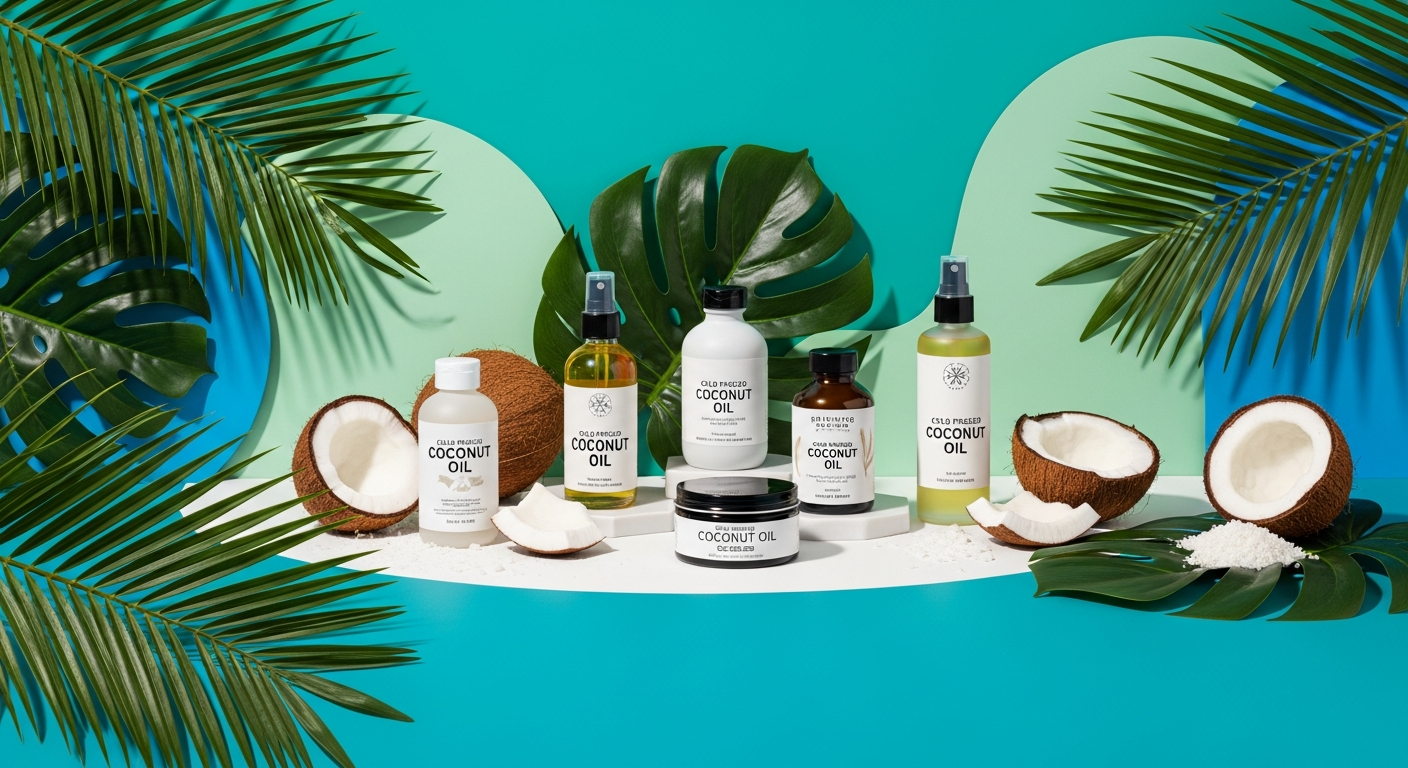
Best Cold-Pressed Coconut Oil: 5 Brands That Preserve Maximum Nutrients
Finding the best cold-pressed coconut oil can feel overwhelming with hundreds of brands claiming superiority. The difference lies in the details—from processing methods that preserve delicate compounds to sourcing practices that ensure purity. This comprehensive guide cuts through the marketing noise to help you identify truly exceptional cold-pressed coconut oils that deliver maximum nutritional value.
What Makes Cold-Pressed Coconut Oil Special
Cold-pressed coconut oil stands apart from other extraction methods because it preserves the oil's natural structure and nutrient profile. Unlike heat-processed oils, cold-pressed coconut oil maintains its antioxidants, natural enzymes, and beneficial compounds that may be destroyed at higher temperatures.
The cold-pressing process involves mechanically extracting oil from fresh coconut meat without applying heat above 120°F (49°C). This gentle extraction preserves:
- Natural antioxidants like tocopherols
- Phenolic compounds that contribute to stability
- Medium-chain fatty acids in their natural form
- Subtle coconut flavor and aroma
- Natural vitamin E content
Essential Quality Indicators for Top Cold-Pressed Coconut Oil
When evaluating cold-pressed coconut oil brands, several key factors separate exceptional products from mediocre ones. Understanding these quality markers helps you make informed purchasing decisions.
Processing Temperature Verification
Legitimate cold-pressed coconut oil brands clearly state their maximum processing temperature. Look for oils processed below 120°F (49°C). Be wary of vague terms like "low-heat" or "minimally processed" without specific temperature ranges.
Source Material Quality
The best cold-pressed coconut oil starts with fresh, mature coconuts harvested at peak ripeness. Premium brands often specify:
- Coconut variety (with tall varieties generally preferred for oil content)
- Geographic origin and growing conditions
- Time from harvest to processing (ideally within 24-48 hours)
- Organic certification status
Color and Clarity Expectations
High-quality cold-pressed coconut oil should appear crystal clear when liquid and pure white when solid. Any yellow tinting may indicate heat exposure or oxidation, while cloudiness could suggest inadequate filtering or moisture content.
Aroma and Taste Profile
Exceptional cold-pressed coconut oil maintains a subtle, pleasant coconut aroma—not overpowering or artificial. The taste should be mildly sweet and nutty without any bitter, sour, or rancid notes.
Top 5 Cold-Pressed Coconut Oil Brands
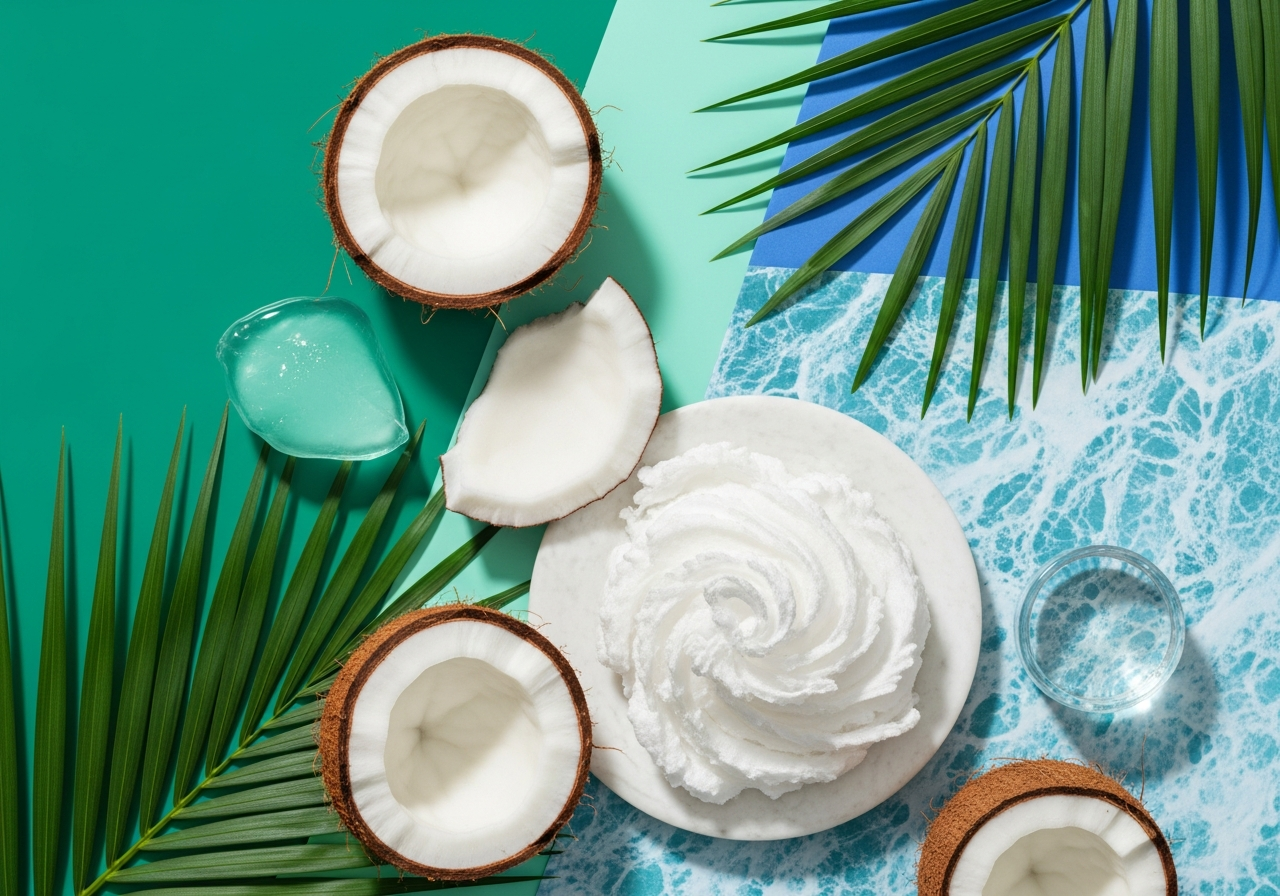
After extensive research and evaluation, these five brands consistently deliver exceptional quality cold-pressed coconut oil that preserves maximum nutrients.
1. Nutiva Organic Cold-Pressed Coconut Oil
Price Range: Premium ($15-20 for 15 oz)
Nutiva sets the gold standard for organic coconut oil with their meticulously crafted cold-pressed variety. Sourced from organic coconut farms in the Philippines, this oil undergoes centrifuge extraction at temperatures never exceeding 104°F.
Key Features:
- USDA Organic and Non-GMO Project Verified
- Single-origin Philippines coconuts
- Glass jar packaging to prevent plastic leaching
- Fresh, clean coconut aroma
- Exceptional shelf stability
Best For: Those prioritizing organic certification and consistent quality
2. Spectrum Organic Coconut Oil
Price Range: Mid-Premium ($12-16 for 14 oz)
Spectrum's cold-pressed coconut oil delivers excellent value without compromising quality. Their expeller-pressed process maintains low temperatures while efficiently extracting oil from organically grown coconuts.
Key Features:
- Organic certification
- Expeller-pressed at low temperatures
- Recyclable glass packaging
- Mild, pleasant taste
- Wide retail availability
Best For: Everyday use with reliable quality and accessibility
3. Garden of Life Raw Extra Virgin Coconut Oil
Price Range: Premium ($18-25 for 16 oz)
Garden of Life emphasizes raw processing to preserve maximum nutritional density. Their coconuts are processed within hours of harvest using traditional cold-pressed methods that maintain the oil's natural enzyme content.
Key Features:
- Raw, unrefined processing
- Rapid processing post-harvest
- Rich, authentic coconut flavor
- USDA Organic certification
- Fair trade sourcing practices
Best For: Raw food enthusiasts seeking maximum nutrient preservation
4. Dr. Bronner's Whole Kernel Virgin Coconut Oil
Mid-Range ($10-14 for 14 oz)
Dr. Bronner's brings their commitment to ethical sourcing to coconut oil production. Their whole kernel process uses the entire coconut meat, potentially preserving additional beneficial compounds.
Key Features:
- Fair trade certification
- Whole kernel processing method
- Sri Lankan origin coconuts
- Sustainable packaging
- Excellent price-to-quality ratio
Best For: Ethically-minded consumers seeking quality at a reasonable price
5. Tropical Traditions Gold Label Virgin Coconut Oil
Price Range: Ultra-Premium ($20-28 for 16 oz)
Tropical Traditions' Gold Label represents their premium tier, made from coconuts grown on their own organic farms in the Philippines. The wet-milled process extracts oil from fresh coconut milk rather than dried copra.
Key Features:
- Estate-grown coconuts
- Wet-milled extraction process
- No chemical solvents or additives
- Exceptionally long shelf life
- Small-batch production
Best For: Connoisseurs willing to invest in the finest quality available
Key Features to Compare When Shopping
When evaluating different cold-pressed coconut oil brands, focus on these critical comparison points to ensure you're getting the best value for your investment.
Extraction Method Details
Not all cold-pressed oils are created equal. Look for brands that specify their exact extraction method:
| Method | Description | Quality Level |
|---|---|---|
| Centrifuge | Spins coconut milk to separate oil | Excellent |
| Expeller-pressed | Mechanical pressing with temperature control | Very Good |
| Wet-milled | Extract from fresh coconut milk | Premium |
| Fermentation | Natural separation through controlled fermentation | Artisanal |
Certification Standards
Quality certifications provide third-party verification of production standards. Prioritize oils with:
- USDA Organic: Ensures no synthetic pesticides or fertilizers
- Non-GMO Project Verified: Confirms absence of genetically modified ingredients
- Fair Trade: Supports ethical labor practices and fair farmer compensation
- Kosher/Halal: Additional processing standards and oversight
Packaging Considerations
Packaging directly impacts oil quality and longevity. Glass jars offer superior protection against:
- Light exposure that can cause oxidation
- Chemical leaching from plastic containers
- Temperature fluctuations that affect stability
- Contamination from external odors
Price Per Ounce Analysis
Calculate the actual cost per ounce to compare value accurately across different container sizes. Premium brands typically range from $0.80 to $1.75 per ounce, while mid-range options fall between $0.60 to $1.20 per ounce.
Red Flags to Avoid
Recognizing inferior products helps you avoid wasting money on subpar coconut oil that may have lost its nutritional value through poor processing or storage.
Misleading Marketing Claims
Be skeptical of brands that make exaggerated claims or use misleading terminology:
- "Cold-pressed" without temperature specifications
- "Raw" combined with high-heat processing
- "Extra virgin" (not a regulated term for coconut oil)
- Medical claims about treating specific conditions
Quality Warning Signs
Avoid coconut oils that exhibit these characteristics:
- Rancid, sour, or chemical odors
- Yellow or brown coloration
- Gritty texture or visible particles
- Plastic packaging for long-term storage
- Extremely low prices that seem too good to be true
Processing Red Flags
Stay away from oils that use these processing methods:
- Chemical solvent extraction
- Bleaching or deodorizing treatments
- High-heat processing above 120°F
- Extended storage of copra before processing
Understanding Virgin vs. Refined Coconut Oil
When shopping for cold-pressed coconut oil, you'll encounter both virgin and refined options. Understanding the difference helps you choose the right product for your needs.
Virgin vs refined coconut oil represents different processing approaches that significantly impact the final product's characteristics:
Virgin Cold-Pressed Coconut Oil
Virgin coconut oil undergoes minimal processing, preserving its natural properties:
- Maintains natural coconut aroma and taste
- Retains beneficial compounds and antioxidants
- No chemical processing or additives
- Higher smoke point around 350°F
- Ideal for both culinary and cosmetic use
Refined Cold-Pressed Coconut Oil
Refined coconut oil goes through additional processing steps:
- Neutral taste and odor
- Higher smoke point around 400°F
- Longer shelf life
- May lose some beneficial compounds during refining
- Better for high-heat cooking applications
Where to Buy the Best Cold-Pressed Coconut Oil
Sourcing high-quality cold-pressed coconut oil requires knowing where to shop and what to look for in different retail environments.
Online Retailers
Online shopping offers the widest selection and often the best prices:
- Amazon: Extensive selection with customer reviews
- Thrive Market: Organic and natural focus with member discounts
- Vitacost: Competitive pricing on health food brands
- Direct from manufacturers: Freshest products and bulk options
Physical Retail Locations
Brick-and-mortar stores allow you to examine products before purchasing:
- Health food stores: Knowledgeable staff and premium brands
- Whole Foods: High standards and quality assurance
- Costco/Sam's Club: Bulk purchasing for regular users
- Target/Walmart: Mainstream brands at competitive prices
What to Check When Shopping In-Store
When shopping in physical stores, inspect these factors:
- Expiration dates and lot numbers
- Storage conditions (cool, dry areas away from direct sunlight)
- Package integrity and seal quality
- Oil appearance through clear packaging
- Staff knowledge about coconut oil processing
Storage and Shelf Life Considerations
Proper storage maximizes your investment in premium cold-pressed coconut oil by maintaining quality and extending shelf life.
Optimal Storage Conditions
Cold-pressed coconut oil maintains quality best when stored:
- At room temperature (70-75°F) for daily use
- In dark locations away from direct sunlight
- In airtight containers to prevent oxidation
- Away from heat sources like stoves or heating vents
- In dry environments with low humidity
Shelf Life Expectations
High-quality cold-pressed coconut oil typically maintains peak quality for:
- Unopened: 2-3 years from production date
- Opened: 12-18 months with proper storage
- Refrigerated: Extended shelf life but may become very hard
- Signs of spoilage: Off odors, unusual taste, or discoloration
Making Your Final Decision
Choosing the best cold-pressed coconut oil depends on your specific priorities, budget, and intended uses. Consider these final factors:
Budget Considerations
Quality cold-pressed coconut oil represents an investment in your kitchen staples. While premium options cost more upfront, they often provide better value through:
- Superior taste and aroma
- Longer shelf life
- Higher nutrient retention
- Versatility for multiple uses
- Ethical sourcing practices
Intended Use Applications
Match your coconut oil choice to its primary purpose:
- Cooking: Prioritize flavor profile and smoke point
- Baking: Consider how coconut taste will complement recipes
- Cosmetic use: Focus on purity and minimal processing
- Multiple applications: Choose versatile, high-quality options
The best cold-pressed coconut oil brands consistently deliver exceptional quality through careful sourcing, gentle processing, and attention to detail. Whether you choose Nutiva's organic excellence, Spectrum's reliable quality, or Tropical Traditions' premium craftsmanship, focusing on the quality indicators outlined in this guide ensures you'll select a product that preserves maximum nutrients while delivering exceptional value.
Remember that the highest quality cold-pressed coconut oil comes from brands that transparently share their processing methods, source their coconuts responsibly, and package their products to maintain freshness. By avoiding red flags and focusing on verified quality markers, you can confidently invest in cold-pressed coconut oil that meets your standards for purity, taste, and nutritional value.