Coconut Oil and Head Lice: What Two Trials Found
Coconut oil and head lice is one of the most repeated pairings on the internet, and the real story is more interesting than the slogan. Two published trials used coconut-based products, they landed in opposite places, and neither tested a plain bottle of oil. Lice are a medical matter and we sell a cosmetic oil, so this page walks through what those studies did and what the CDC advises, and leaves the regimen to a pharmacist or pediatrician.

Fractionated Coconut Oil
Our own Fractionated Coconut Oil, in sizes from 0.5 oz to bulk.
From $9.99
Shop Now →Good news from the CDC first
The CDC page on lice (updated 4 September 2024) says lice spread through close person-to-person contact, crawl and cannot hop or fly, and that dogs, cats and other pets do not carry human lice. That is quietly reassuring. A case of lice says nothing about how clean your home or child is, and fumigating the sofa or treating the dog is effort in the wrong place. If you are unsure what you are seeing, a school nurse, pharmacist or pediatrician can confirm live lice before you buy anything.
What the CDC puts first
The CDC treatment page (updated 12 November 2024) points to over-the-counter and prescription lice medicines and to nit combs for removing nits and lice from the hair shaft. On kitchen oils it is direct: the agency says it has no scientific evidence that suffocating head lice with mayonnaise or olive oil works, and it lists margarine and butter alongside them. Coconut oil is not named, so we will not claim the CDC has ruled on it, but smothering with a household oil is not among the options it offers.
Medicines come with their own rules. The CDC clinical care page (31 January 2025) notes that lice have developed some resistance to 1% permethrin, though how widespread is unknown, and recommends retreatment if a medicine does not kill nits. Several products have a six-month age floor and one has a six-year floor. For a baby younger than that, or when a first product has not worked, a pediatrician or pharmacist is the right call.
Trial one: a coconut and anise spray
The study most people cite is Burgess, Brunton and Burgess, European Journal of Pediatrics, 2010. It was a randomized, parallel-group trial of 100 people with active infestation, comparing a coconut and anise spray with 0.43% permethrin lotion, each applied twice, nine days apart. Success was counted in 41 of 50 people (82.0%) in the spray group and 21 of 50 (42.0%) in the permethrin group, a 40-point gap (95% CI 22.5 to 57.5). The authors concluded the spray can be a significantly more effective alternative.
It is a striking number, and a few details help you picture it correctly:
- The product was a spray containing coconut and anise, so the trial cannot separate the coconut oil from the anise or the rest of the formula.
- The authors set up the trial partly because permethrin seemed to be working less well in some places. Reasoning from the CDC's resistance note, a 42% result for permethrin may say as much about permethrin as about the spray.
- Thirty-three participants had irritant reactions after alcohol touched scratched skin, and the abstract does not say which group they were in. Scratched scalps are sensitive.
Trial two: a coconut shampoo
The same lead author later ran a simpler study with an oil-based product, and the result was modest. Burgess and Burgess, Turkiye Parazitol Derg, 2020, was open-label with no control group and 31 participants. A shampoo containing 1% fractionated coconut oil was used on day 0 and day 8. Lice were gone in 7 of 31 people after the first use and 12 of 31 (38.7%) at the end. The authors concluded the two applications did not eliminate head lice or eggs, noted this fits other work showing vegetable oils have little intrinsic activity, and suggested any effect probably came from other ingredients such as detergents.
It is the closest thing we could find to a test of fractionated coconut oil in the lice literature, and it is a light one: 1% in a shampoo, with no comparison group. Put the two together and you have one encouraging multi-ingredient spray trial and one low-concentration shampoo study that was not. Neither speaks for plain coconut oil, and neither tested the overnight coat people tend to imagine.
Where an oil could sit in the picture
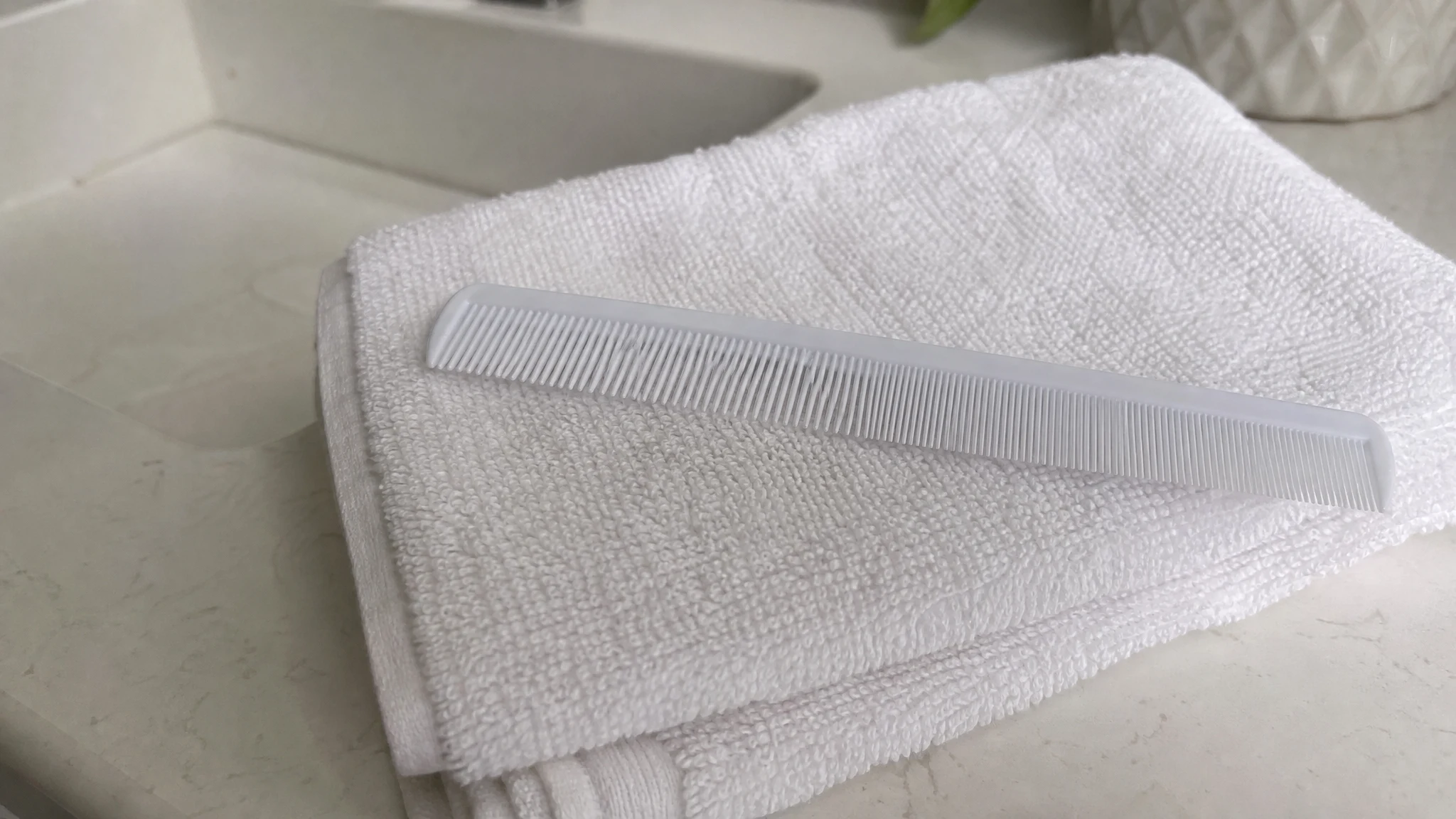
This part is reasoning from how oils behave, not from a trial. An oil gives a comb some slip, which could make working through a snarled head gentler. Think of that as a possible comfort alongside the medicine and nit comb the CDC recommends. A heavy coat of oil is also a chore to wash out, which is worth knowing before you start.
A few situations call for a professional first:
- Babies and toddlers: product choice depends on age, so ask a pediatrician. Our baby oil post explains what we can say about infants.
- A scalp that is broken, weepy or crusted: a clinician should look before anything goes on.
- Anyone with a coconut allergy: we ask people with a tree nut or coconut allergy to check with a professional before using our oils. The allergy FAQ has more.
What we offer, and where to turn
We sell fractionated coconut oil and a virgin unrefined oil, both neat and for external cosmetic use. Neither is a lice product and we make no claim about lice. Once the infestation has been dealt with, our coconut oil for hair post and the hair oiling guide cover what an oil can do for everyday hair care. For the infestation itself, the CDC pages above are the place to start, with a pharmacist or pediatrician at your side.
Lice are an everyday nuisance and nobody's fault, and a calm, steady plan with a pharmacist or pediatrician gets most households through it.
Fractionated Coconut Oil
Fractionated Coconut Oil from our own shop, in sizes from 0.5 oz to bulk.
From $9.99
Shop Now →Sources & Further Reading
- CDC, 2024. About head lice. cdc.gov/lice/about
- CDC, 2024. Treating head lice. cdc.gov/lice/treatment
- CDC, 2025. Clinical care of head lice. cdc.gov/lice/hcp/clinical-care
- Burgess IF, Brunton ER, Burgess NA, 2010. Clinical trial showing superiority of a coconut and anise spray over permethrin 0.43% lotion for head louse infestation. Eur J Pediatr. pubmed.ncbi.nlm.nih.gov/19343362
- Burgess IF, Burgess NA, 2020. "Anti-lice Protector Shampoo": clinical study shows lack of efficacy of coconut oil derivatives in the elimination of head louse infestation. Turkiye Parazitol Derg 44(4):211-215. pubmed.ncbi.nlm.nih.gov/33269562