Coconut Oil and Hemorrhoids: What Doctors Advise First
Home-remedy pages love to suggest coconut oil for hemorrhoids, usually with a confident recipe attached. Hemorrhoids are a medical matter, and ours is a cosmetic oil for external use, so we would rather give you something more useful than a recipe: a friendly walk through what the medical sources recommend, so you know what to do, what to ask a pharmacist and when to call a clinician.
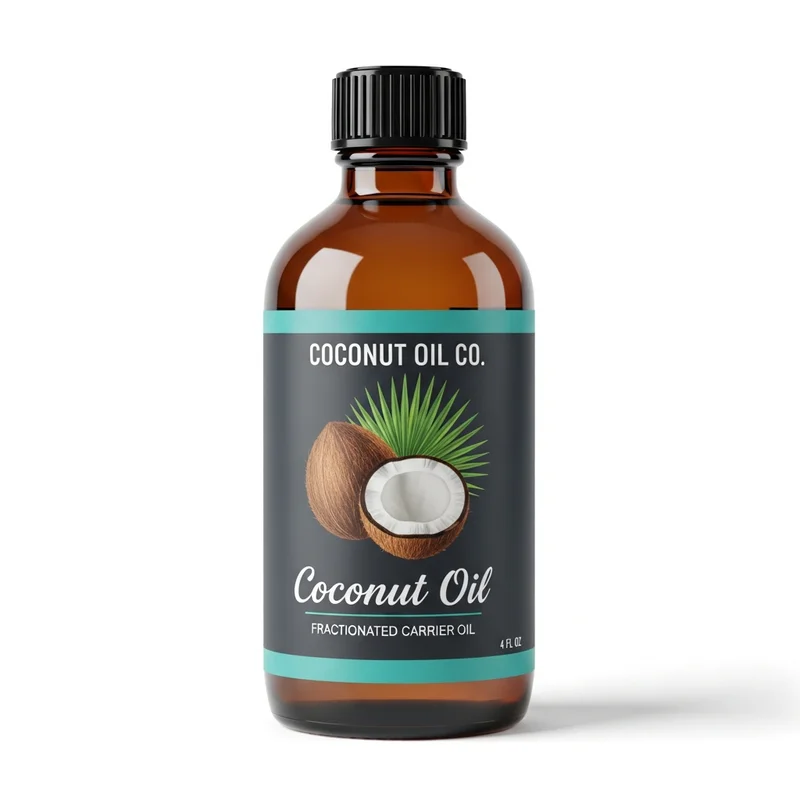
Fractionated Coconut Oil
Our own Fractionated Coconut Oil, in sizes from 0.5 oz to bulk.
From $9.99
Shop Now →Where we land
We keep our oil out of this conversation. We describe it as a cosmetic carrier oil, and none of the sources below list coconut oil among their recommendations. We could not find a trial of coconut oil for hemorrhoids to describe, which tells you about the published record and nothing about whether coconut oil is harmful.
First, find out what it is
The National Institute of Diabetes and Digestive and Kidney Diseases (NIDDK) points out that although hemorrhoids are the most common cause of anal symptoms, "not every anal symptom is caused by a hemorrhoid." Rectal bleeding can also signal Crohn's disease, ulcerative colitis, or colon or rectal cancer (NIDDK, Symptoms & Causes of Hemorrhoids, last reviewed October 2016). That is the best reason to start with a professional instead of a home remedy page: no oil can tell you which of those you are dealing with.
NIDDK describes external hemorrhoids as itching around the anus, hard tender lumps and pain when sitting, and says too much straining, rubbing or cleaning can make symptoms worse. Internal ones typically show as bright red blood on the stool, on paper or in the bowl, and are usually painless unless they prolapse. The causes it lists are mostly about stool and time on the toilet: straining, long sits, chronic constipation or diarrhea, a low-fiber diet, pregnancy, heavy lifting and aging of the supporting tissue. Something applied to the skin works at the surface, so those everyday drivers are where the real gains are.
What the medical sources recommend
NIDDK's treatment page says most hemorrhoids can be handled at home by not sitting on the toilet for long periods and by sitting in a tub of warm water (a sitz bath) several times a day. It says over-the-counter creams, ointments or suppositories "may relieve mild pain, swelling, and itching of external hemorrhoids," that doctors most often recommend using them for one week, and that you should see a doctor if symptoms are not relieved after a week or if the product causes dry skin around the anus or a rash (NIDDK, Treatment for Hemorrhoids, last reviewed October 2016). Severe anal pain with rectal bleeding, especially with abdominal pain, diarrhea or fever, means getting care right away.
The NHS adds a practical route. A pharmacist can suggest creams for pain, itching and swelling, plus laxatives for constipation. Painless bleeding from the bottom calls for an urgent GP appointment or NHS 111, and non-stop bleeding, large amounts of blood or large clots mean A&E or 999 (NHS, Piles (haemorrhoids), reviewed 1 April 2026).
Why a regulated product is a different thing
In the United States, over-the-counter anorectal products follow an FDA monograph. Its permitted protectants include cocoa butter, mineral oil, petrolatum, white petrolatum, lanolin, hard fat, kaolin and glycerin, with most required at 50 percent or more of the product by weight when used alone (21 CFR 346.14, via Cornell LII). Coconut oil is not on the list. The required warnings include seeing a doctor if the condition worsens or does not improve within seven days, promptly in case of bleeding, and for children under 12 (21 CFR 346.50, via Cornell LII).
Reasoning from those two pages, a product sold for this purpose comes with a seven-day check-in, a bleeding warning and an age limit, because someone has to catch the cases that turn out to be something else. A cosmetic oil comes with none of that safety net, and that, more than anything about the oil itself, is why we step aside here. Being absent from a monograph list does not make an ingredient unsafe, and we are not suggesting it does.
A word on delicate skin
Skin in this area is thin and often already irritated, and NIDDK lists dry skin or a rash as a reason to stop a product and call a doctor. For every cosmetic use we ask people to patch test a small area and wait 24 hours, keep oil away from the eyes, and check with a professional first if they have a coconut or tree nut allergy. Our coconut oil and allergies post goes further.
A sensible next step
- Note any bleeding and tell a clinician about it, even if it looks like the textbook hemorrhoid pattern.
- Work on the drivers NIDDK names: shorter toilet time, no straining, a warm sitz bath, and attention to constipation or diarrhea.
- If you want a product, ask a pharmacist for an anorectal product made under the FDA monograph and follow its seven-day rule.
- See a doctor promptly for bleeding, severe pain, a lump that does not settle, or symptoms lasting beyond a week of home care.
Where our oil shines
Our fractionated coconut oil is sold neat for external cosmetic use, and it is a lovely light base for massage blends, hair and beard oil, roll-ons and skincare projects. Our virgin unrefined oil is for external cosmetic use too, with a creamy coconut aroma. We do not sell creams, wipes or suppositories. To see what our oils are best at, read what fractionated coconut oil is and coconut oil for massage. Two other topics where the advice is to see a professional are covered in our posts on nosebleeds and eczema and psoriasis.
We hope the plain order of steps above makes the next move feel less awkward. Asking a pharmacist or a doctor about this is nothing to be shy of, and an honest question gets you to a real answer faster.
Fractionated Coconut Oil
Fractionated Coconut Oil from our own shop, in sizes from 0.5 oz to bulk.
From $9.99
Shop Now →Sources & Further Reading
- NIDDK, 2016. Symptoms & causes of hemorrhoids. niddk.nih.gov hemorrhoids symptoms-causes
- NIDDK, 2016. Treatment for hemorrhoids. niddk.nih.gov hemorrhoids treatment
- NHS, 2026. Piles (haemorrhoids). nhs.uk/conditions/piles-haemorrhoids
- FDA, 21 CFR 346.14, anorectal drug products: protectants. law.cornell.edu/cfr/text/21/346.14
- FDA, 21 CFR 346.50, anorectal drug products: labeling. law.cornell.edu/cfr/text/21/346.50