Coconut Oil Antioxidants: Virgin vs Refined Compared
Ask a few people what makes cold-pressed coconut oil special and you will hear the same answer: gentle handling keeps the delicate antioxidants that heat would wreck. It is a lovely story, and the lab papers add some surprising twists. One study found hot extraction gave the richer oil, another put fermentation ahead of chilling, and refined oil landed lower on phenolics, though not dramatically so.

Fractionated Coconut Oil
Our own Fractionated Coconut Oil, in sizes from 0.5 oz to bulk.
From $9.99
Shop Now →Where the belief comes from, and what a lab found
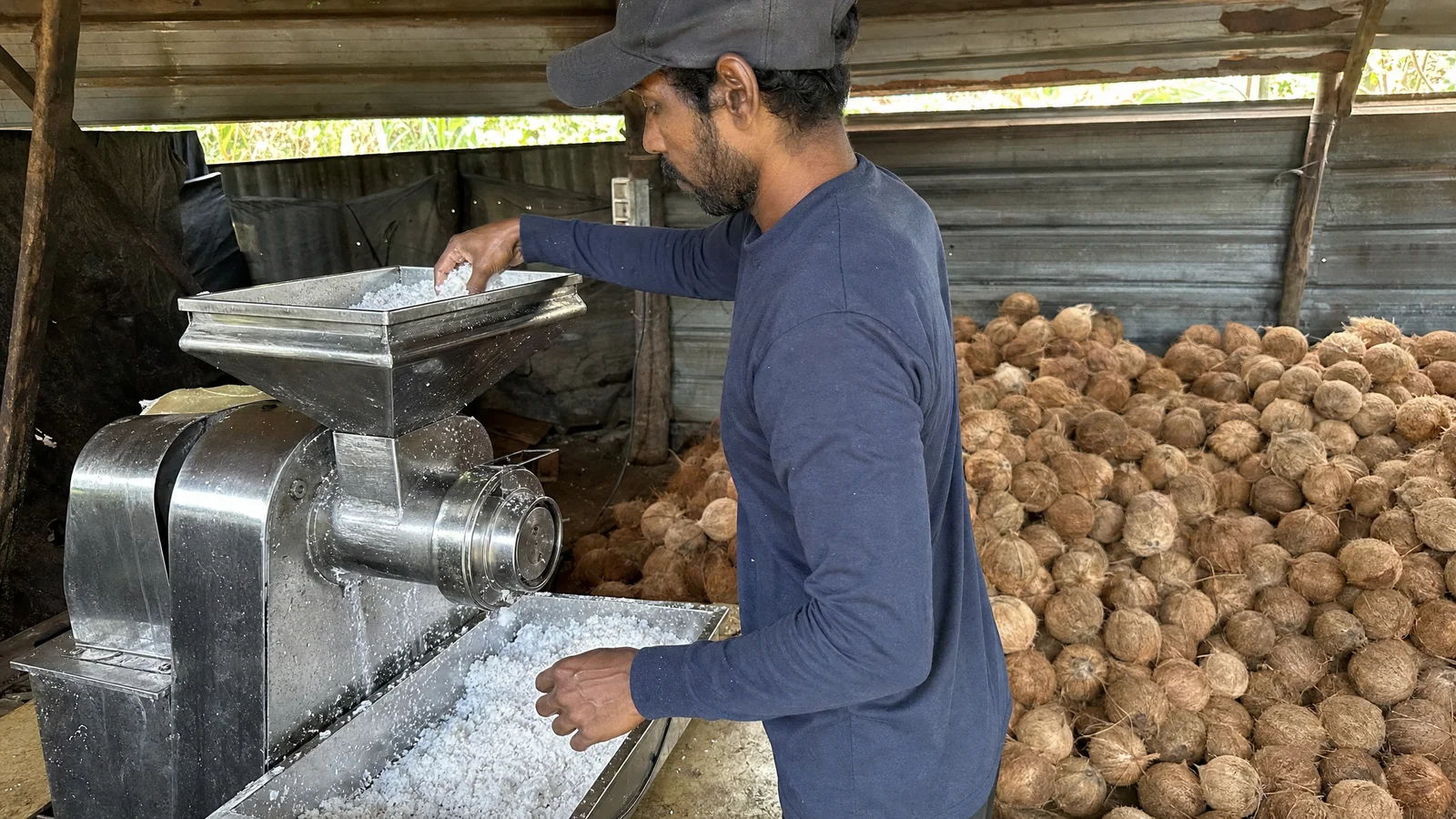
Phenolics are the plant compounds behind much of what people mean by "antioxidant" in a vegetable oil. The idea that cold processing protects them is so widespread that the authors of a 2009 Food Chemistry paper from Sri Lanka opened by calling it a common belief. Then they tested it. Comparing coconut oil extracted under hot and cold conditions, they reported that the hot-extracted oil had more phenolic substances and higher antioxidant potential on three different assays, one of which measured antioxidant capacity in blood serum. Their suggestion was that high temperature favors the incorporation of more heat-stable phenolic antioxidants into the oil.
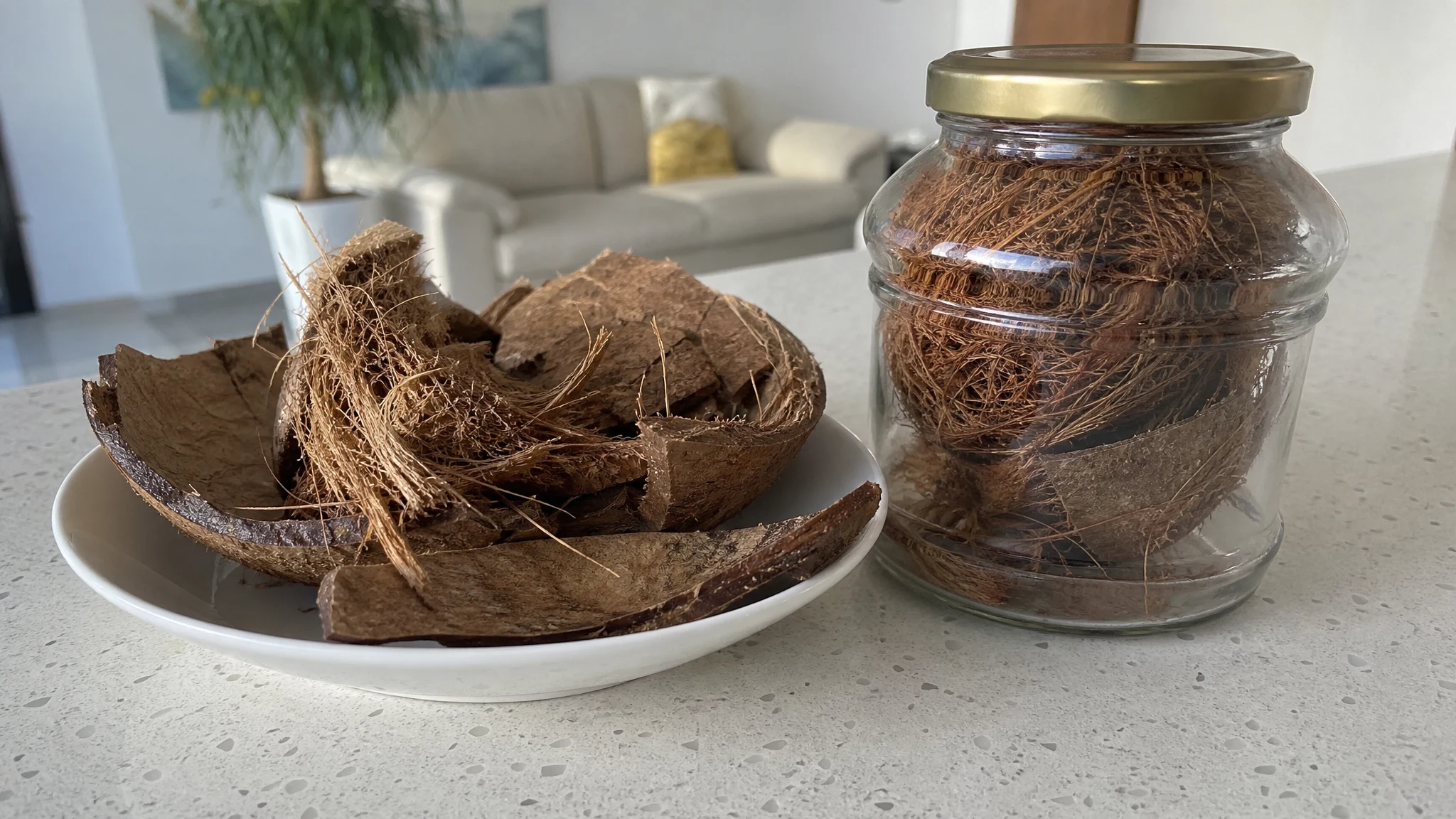
The same research group had already shown how much the route matters. In a 2008 paper they identified caffeic, p-coumaric and ferulic acids and catechin in coconut oil, and found that oil made the traditional way, by boiling coconut milk, carried 618 mg of total phenol per kilogram, while commercial oil pressed from copra (dried coconut) carried 91. That is nearly seven times less. Notice what is being compared: not cold against hot, but fresh coconut milk against dried copra. The starting material and the path from nut to oil move phenolics around far more than a thermometer reading does.
Virgin, fermented, chilled and refined
If you picture a ladder with refined at the bottom and cold-pressed at the top, the data look more like a few overlapping hills.
A team in Malaysia, Marina and colleagues, made virgin coconut oil by chilling and by fermentation and set both against refined, bleached and deodorized (RBD) oil. Both virgin oils had better antioxidant capacity than the refined one. The fermented oil scored best at scavenging the DPPH test radical and in a beta-carotene bleaching test, while the chilled oil had the highest reducing power, so neither method simply won. They also found very high correlations between total phenolic content and antioxidant activity, a nice confirmation that the phenolics are doing the work in these assays.
Putting the papers side by side, the pattern we take from them is that raw material and extraction route (fresh milk, fermentation, hot, chilled, copra, refining) matter more than temperature alone. That is our reading, not a finding of any one study, and the papers use different assays and units, so their numbers do not stack into a single league table.
Fractionated oil answers a different question
People often lump fractionated coconut oil into the refining conversation, but fractionation is a separate step. As Healthline describes it, the oil is heated, cooled and separated so that the liquid medium-chain portion is kept. In other words it sorts triglycerides by how they melt. We have no phenolic measurement for fractionated coconut oil to share, and phenolic content is not why people reach for it. They choose it for what it does beautifully: it stays liquid in a cold room, we describe it as virtually odorless, and it feels light and fast-absorbing, which makes it a favorite base for roll-on blends and massage mixes.
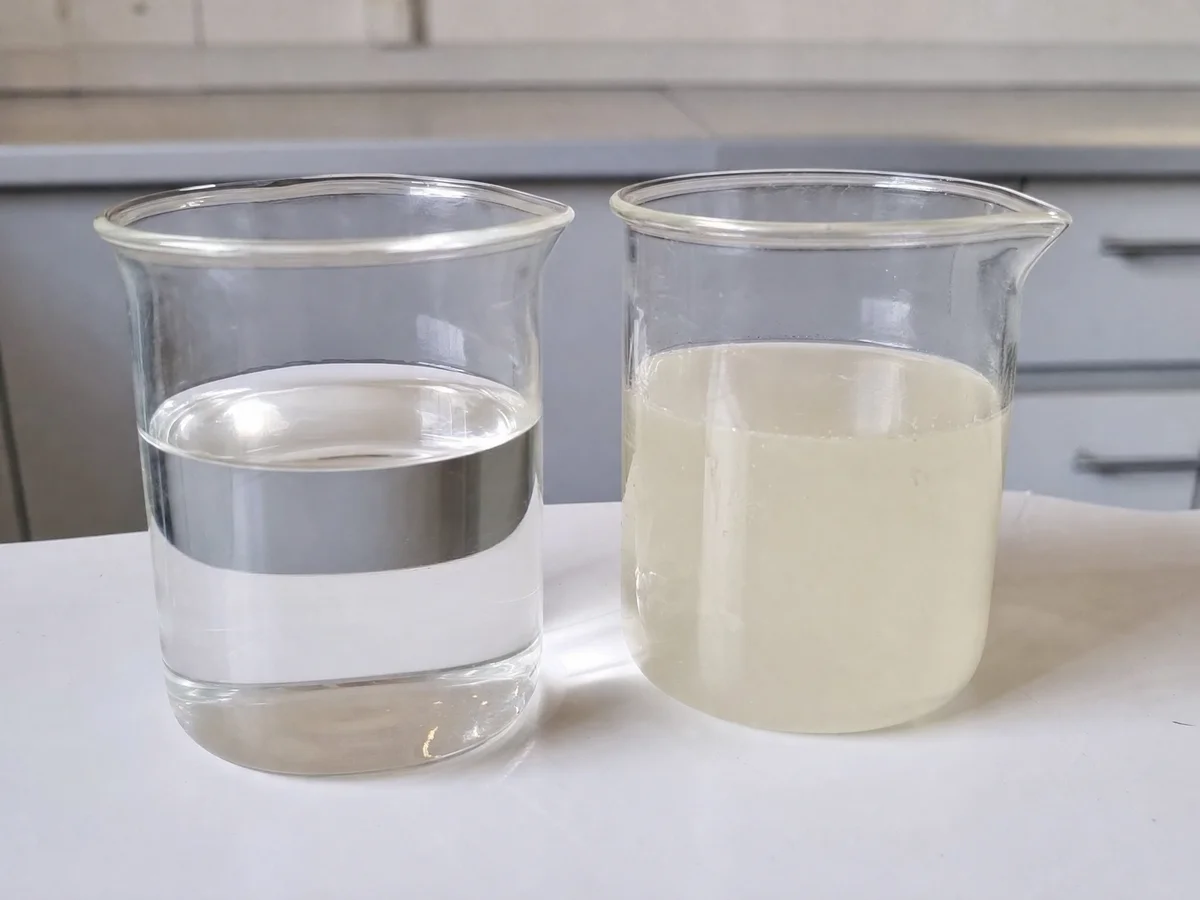
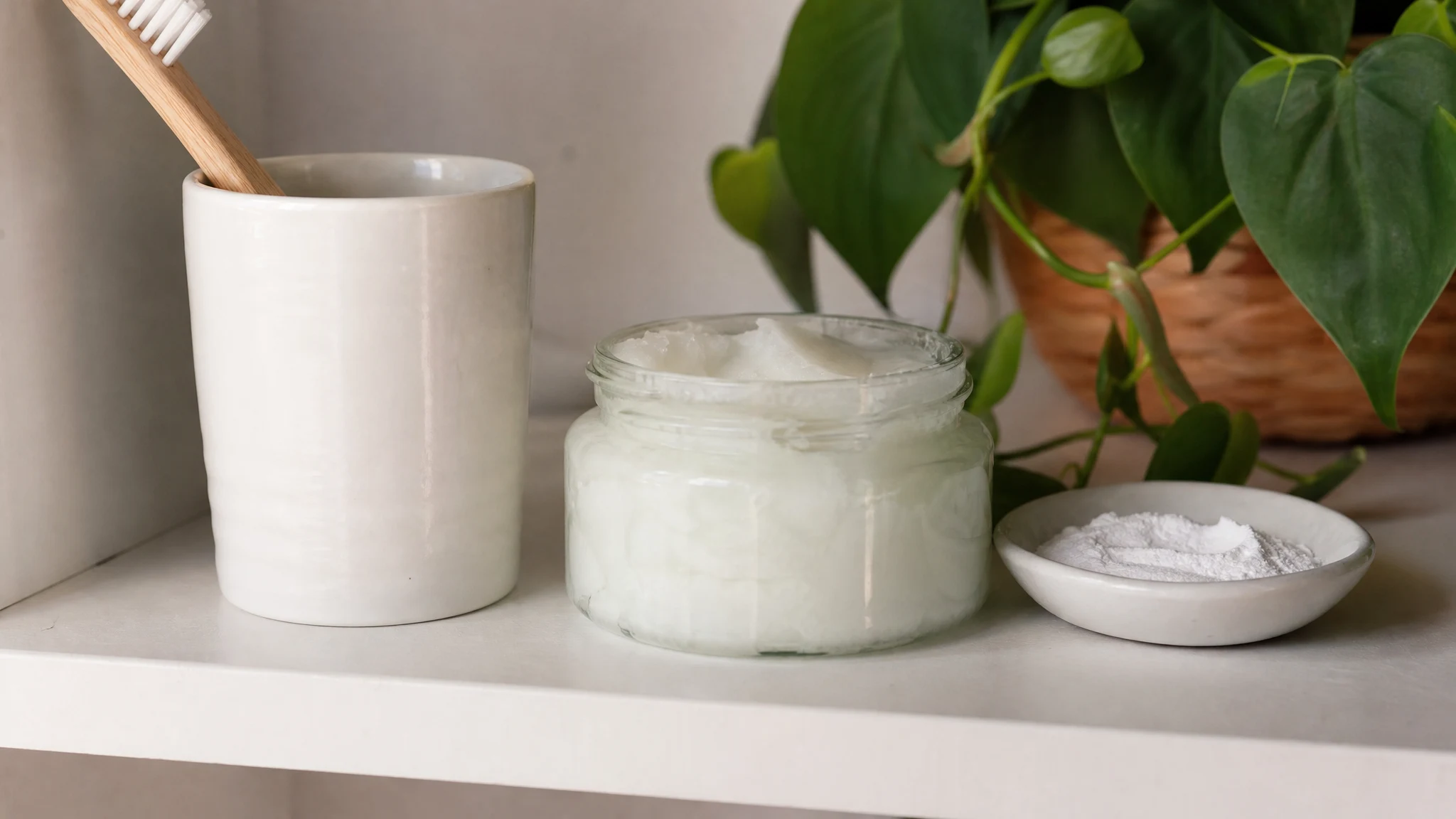
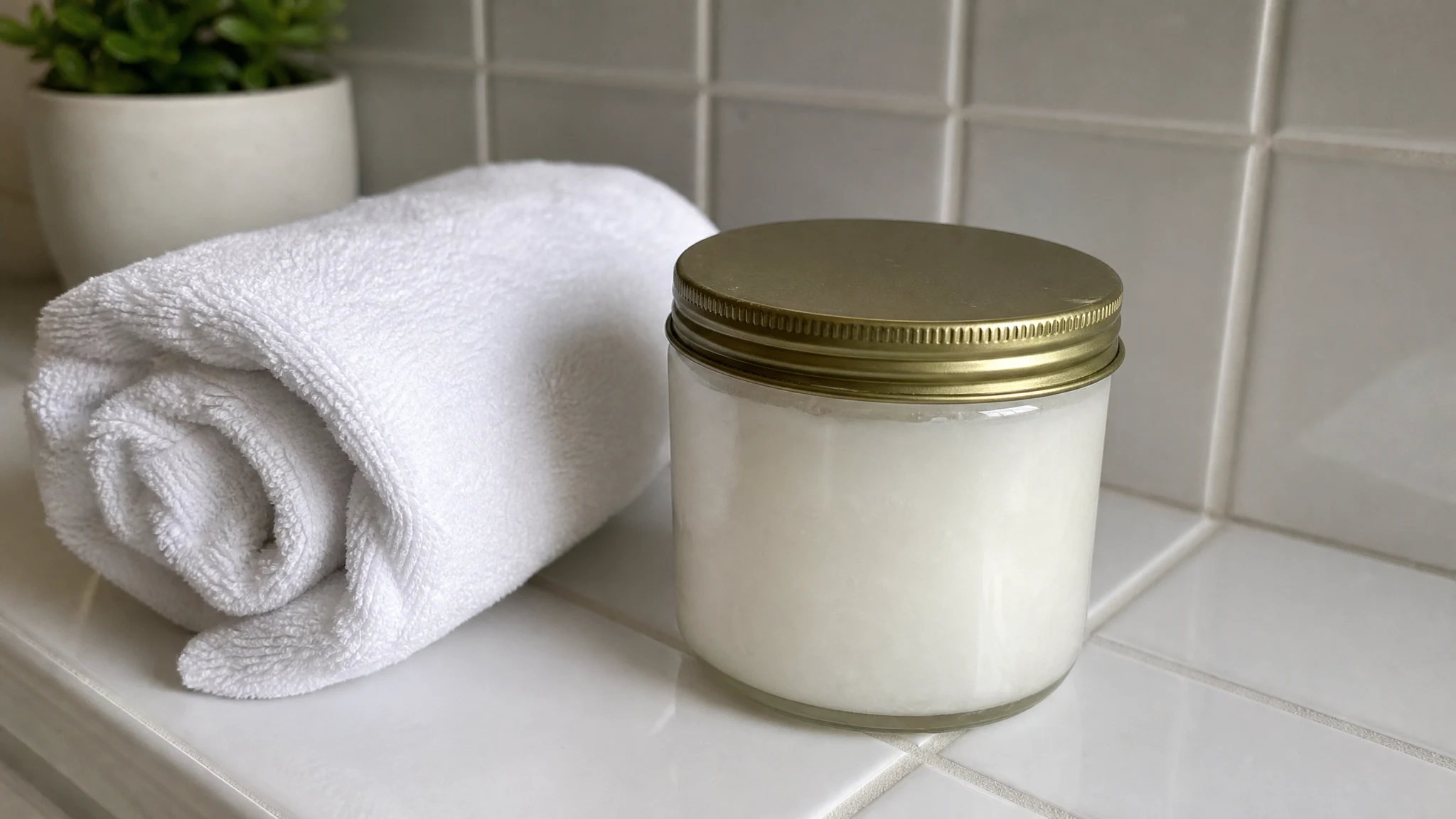
If you have ever opened a jar of virgin coconut oil and a jar of refined side by side, you already know the difference your nose can pick up. The virgin one smells warm and unmistakably of coconut, while the refined one is quiet. That sensory gap is a handy first clue to how differently the two were handled, even before you read a label.
Does any of this show up on skin?
Every measurement above is a laboratory assay of oil in a test tube, plus one serum-capacity assay. None is a skin result, so "more phenolics, therefore better for skin" would be a two-step leap past the data. Phenolics also sit in the milligram-per-100-gram range, a small fraction of what is in the bottle. Our practical take, which is reasoning and not a finding, is that feel, melting point and scent will decide whether you enjoy an oil long before an antioxidant assay does. If you have a skin condition, a dermatologist is the right person to ask.
How to shop if phenolics matter to you
We sell fractionated coconut oil as our main product, plus a virgin unrefined oil, both neat and both for external cosmetic use only. Our virgin listing does not state an extraction temperature or a phenolic value, so we do not call it cold-pressed and we do not claim it preserves antioxidants. The certificate we publish covers one fractionated batch and lists appearance, smell, density, refractive index and optical rotation. If you want a phenolic number on paper, ask us in writing and name the assay you want. The same three questions work for any coconut oil you are considering:
- How was it extracted: fresh coconut, fermentation, hot, chilled or copra? The front label alone rarely says.
- What is the total phenolic figure, with its unit (GAE per 100 g or mg per kg) and the batch it applies to?
- Is that figure for the product on the shelf, or borrowed from a general study?
To go further on choosing between types, our pieces on what cold-pressed really means, virgin versus refined and fractionated versus virgin are good next stops. If you like the idea of making your own, the fresh coconut route is close to the fermentation method in the papers above, and how fractionated oil is made explains the other end of the spectrum.
Fractionated Coconut Oil
Fractionated Coconut Oil from our own shop, in sizes from 0.5 oz to bulk.
From $9.99
Shop Now →Sources & Further Reading
- Seneviratne KN, Hapuarachchi CD, Ekanayake S, 2009. Comparison of the phenolic-dependent antioxidant properties of coconut oil extracted under cold and hot conditions. Food Chemistry 114:1444-1449. doi.org/10.1016/j.foodchem.2008.11.038
- Seneviratne KN, Dissanayake DMS, 2008. Variation of phenolic content in coconut oil extracted by two conventional methods. International Journal of Food Science and Technology 43:597-602. doi.org/10.1111/j.1365-2621.2006.01493.x
- Marina AM, Che Man YB, Nazimah SAH, Amin I, 2009. Antioxidant capacity and phenolic acids of virgin coconut oil. International Journal of Food Sciences and Nutrition 60(Suppl 2):114-123. pubmed.ncbi.nlm.nih.gov/19115123
- Healthline, undated. Fractionated coconut oil: what it is and how it differs. healthline.com/nutrition/fractionated-coconut-oil