Is Coconut Oil Good After Sun? What to Do First
After a long day in the sun, the instinct to reach for a bottle of oil is understandable, and plenty of pages encourage it. Our honest answer about coconut oil and a fresh sunburn is "give it a little time." The American Academy of Dermatology keeps its advice for a burn short and simple, and that simple list is worth knowing. After the burn has calmed, a light oil has a lovely place in getting skin back to feeling soft.
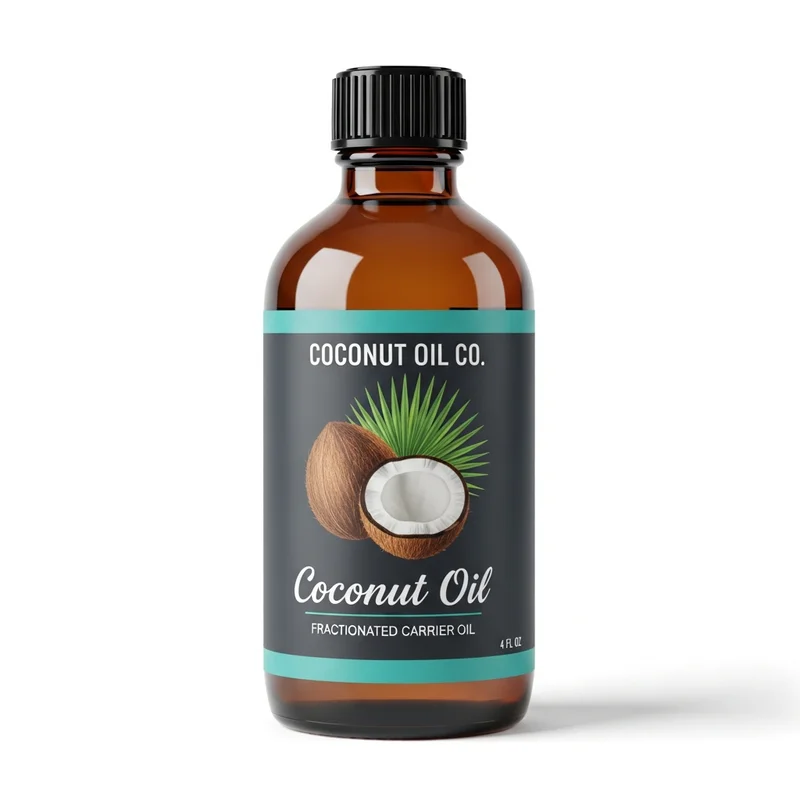
Fractionated Coconut Oil
Our own Fractionated Coconut Oil, in sizes from 0.5 oz to bulk.
From $9.99
Shop Now →What the AAD suggests first
The AAD's sunburn page (last updated May 2024) starts with cool water: frequent cool baths or showers to ease the discomfort, followed by a gentle pat dry. While the skin is still damp, it suggests a moisturizer containing aloe vera or soy. If blisters form, leave them alone, since they help protect the skin underneath, keep them clean and cover them with petroleum jelly.
Coconut oil is not named in that guidance. We read that as the leading dermatology society keeping its list focused, and it carries more weight than any blog post, ours included. Anything we add about coconut oil on a fresh burn would be our reasoning and not guidance, so here is the reasoning in one sentence: the AAD pairs moisturizer with damp skin, aloe and soy products are water-based, and a neat oil has no water in it, so they are different products and the AAD's list is the place to start.
Once the burn has calmed
A few days on, sun-exposed skin often feels dry and tight as the surface renews. When the discomfort has passed and the skin is fully intact, with no open blisters or raw patches, you are back to ordinary dry-skin care, and that is where a cosmetic oil comes in. Smooth a little over skin that is slightly damp from the shower, and it helps skin feel soft again.
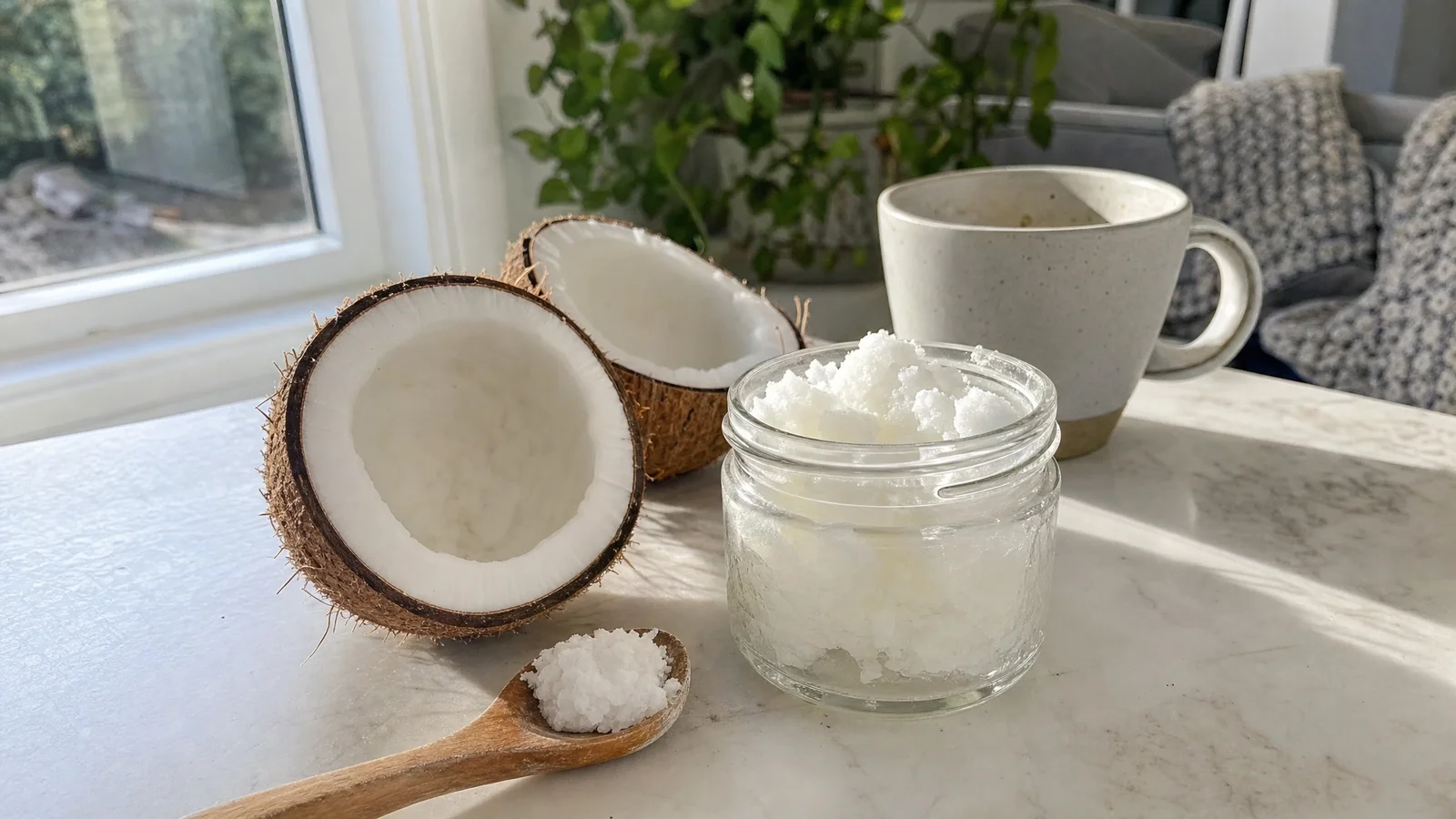
Which oil? For a light, quick-to-vanish feel, we would pick our fractionated coconut oil, which we describe as fast-absorbing, non-greasy and virtually odorless. If you love the scent of coconut and a richer feel, our virgin unrefined coconut oil is firm in a cool room and melts in warm hands. Both are for external cosmetic use only. Patch test a small area and wait 24 hours, keep oil away from your eyes, and check with a professional first if you have a coconut or tree nut allergy. Our summer skin care article covers everyday warm-weather use.
The AAD's general dry-skin advice fits this stage nicely: keep showers short and warm, and moisturize while skin is still damp. It also notes that creams and ointments hold more moisture than lotions (AAD, dry skin tips). A thin oil is lighter than those, so think of it as a soft finishing layer, and go gently over skin that is still sensitive. If anything stings, stop and let your skin rest. A little goes a long way, and your skin will let you know whether it likes it.
When to call a professional
We sell oil and are not clinicians, so we cannot grade a burn. The AAD page notes that blistering means a second-degree sunburn. A burn with widespread blisters, or one that comes with fever, chills, confusion or feeling very unwell, belongs with a doctor or urgent care. Babies and young children who are sunburned should be seen by a pediatrician, and if you burn repeatedly or have a skin condition, a dermatologist can help you build a sun plan that fits you.
Staying ahead of the next one
The FDA's sunscreen page recommends broad-spectrum sunscreen with an SPF of 15 or higher, applied 15 minutes before sun exposure and reapplied at least every two hours, and more often if you are sweating or swimming. In the United States sunscreens are regulated as drugs, which means they must pass safety and efficacy testing, and a cosmetic oil has not been through that.
That is worth knowing because "coconut oil has natural sun protection" travels alongside the after-sun idea. A 2021 laboratory study made 15 homemade sunscreen recipes found online and measured them in vitro. Three contained no sunscreen ingredient at all, and the other 12 all came in below SPF 6 (Couteau et al., J Cosmet Dermatol, 2021). Those were recipes and not coconut oil alone, so the study gives no number for any single oil, but it shows how far a kitchen mixture can sit from a real sunscreen. Our oils carry no sun-protection claim, and we do not sell a sunscreen. The full story is in our SPF article.
A few gentle habits for summer days
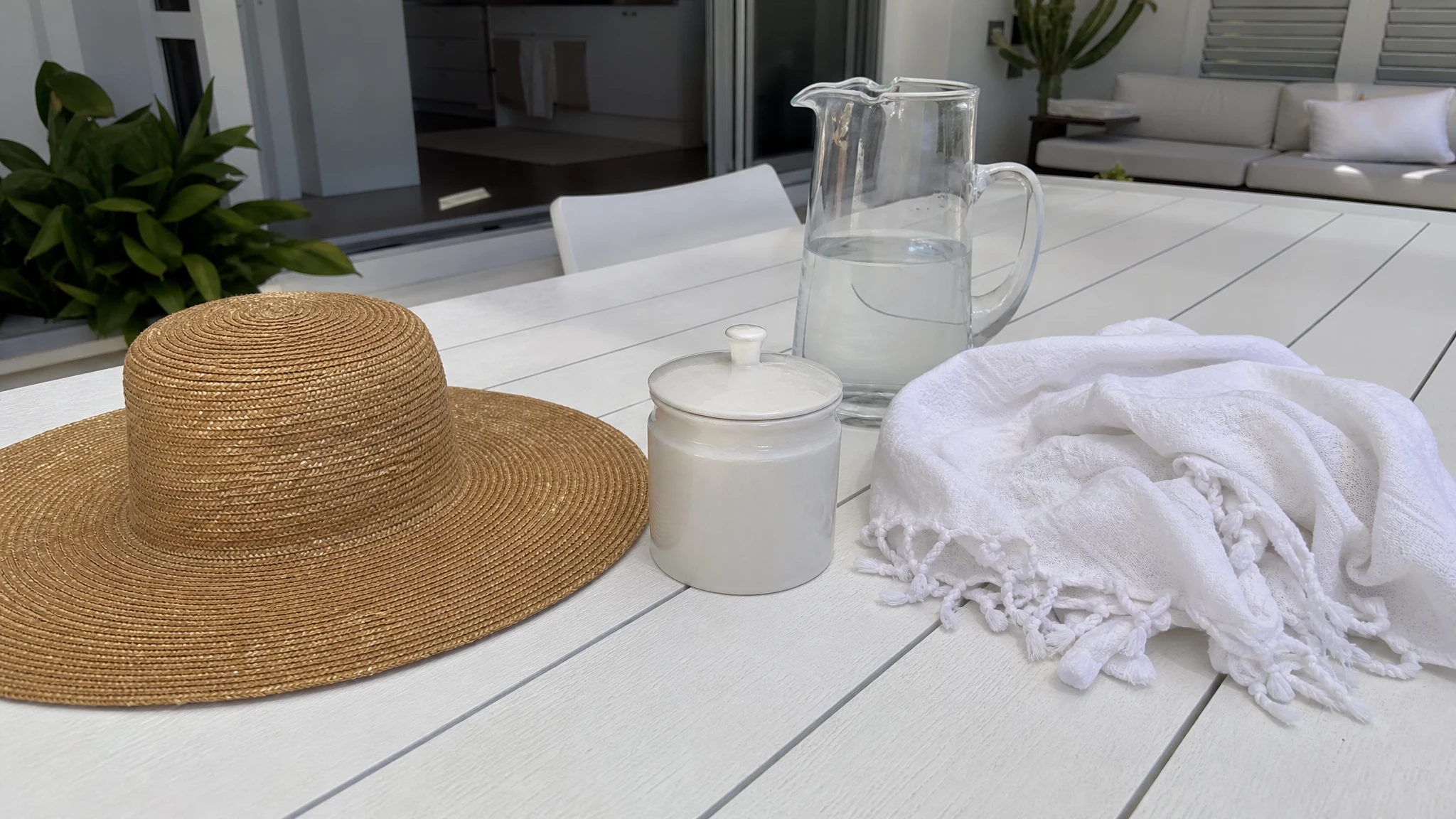
Keep a hat and a light long-sleeved shirt in the car or beach bag so shade is always within reach. Drink water through the afternoon, and plan your outdoor time around the middle of the day rather than into it. These are small, unglamorous habits, but they are the part of summer skin care that does the most work, and they make the end of a long day feel a lot more comfortable.
The short version
For the first hours, cool water, an aloe or soy moisturizer on damp skin, and blisters covered as the AAD describes. Fever, widespread blisters or feeling unwell mean a clinician. Later, when the skin is intact and simply dry, a plain oil is an ordinary, pleasant choice, patch tested first. And next time, shade and a broad-spectrum sunscreen come first.
For the soft-skin part of the story, choosing a coconut oil for your skin type is a good next read, and our skin overview shows what skin studies on coconut oil measured.
Fractionated Coconut Oil
Fractionated Coconut Oil from our own shop, in sizes from 0.5 oz to bulk.
From $9.99
Shop Now →Sources & Further Reading
- American Academy of Dermatology, 2024. How to treat sunburn. aad.org
- US Food and Drug Administration. Sunscreen: How to help protect your skin from the sun. fda.gov
- Couteau C, Dupont C, Paparis E, Coiffard LJM, 2021. Demonstration of the dangerous nature of homemade sunscreen recipes. J Cosmet Dermatol 20(6):1788-1794. pubmed/33047478
- American Academy of Dermatology, 2026. Dermatologists' top tips for relieving dry skin. aad.org