Which Coconut Oil Is Best for Skin? Fractionated vs Virgin
If you asked us across the counter which coconut oil suits your skin type, we would probably answer with a question: what would you like it to do, and where on your body will it go? Those two answers matter more than whether your skin is oily, dry or somewhere in between. We sell two very different coconut oils, one that pours like water and one that smells like a tropical afternoon, so choosing between them is mostly about what you want in your hands.

Fractionated Coconut Oil
Our own Fractionated Coconut Oil, in sizes from 0.5 oz to bulk.
From $9.99
Shop Now →Two oils, two personalities
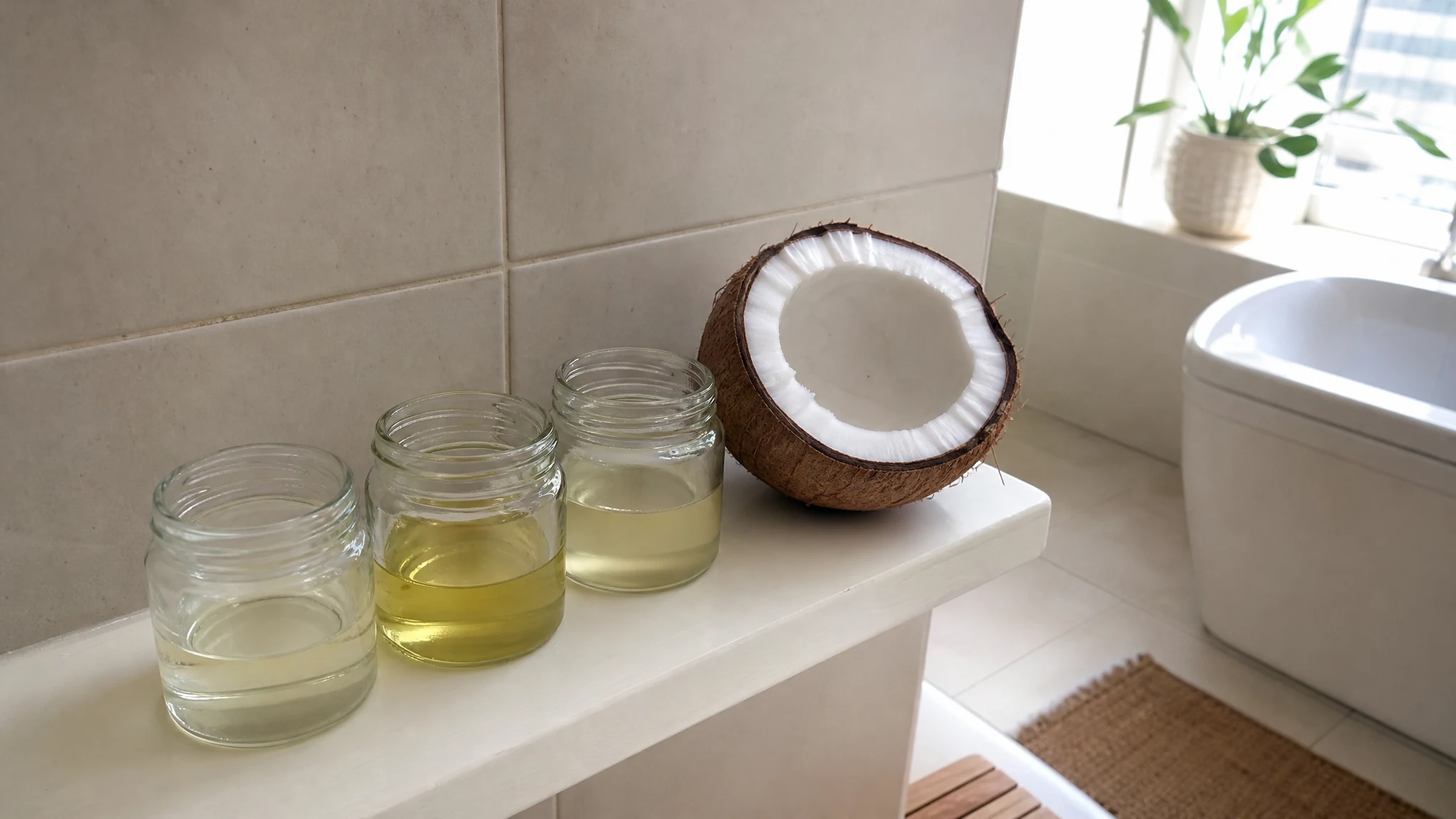
Our fractionated coconut oil is our main product. It stays liquid at any temperature, and we describe it as fast-absorbing, non-greasy and virtually odorless. If you are curious what fractionating actually does, our explainer covers it.
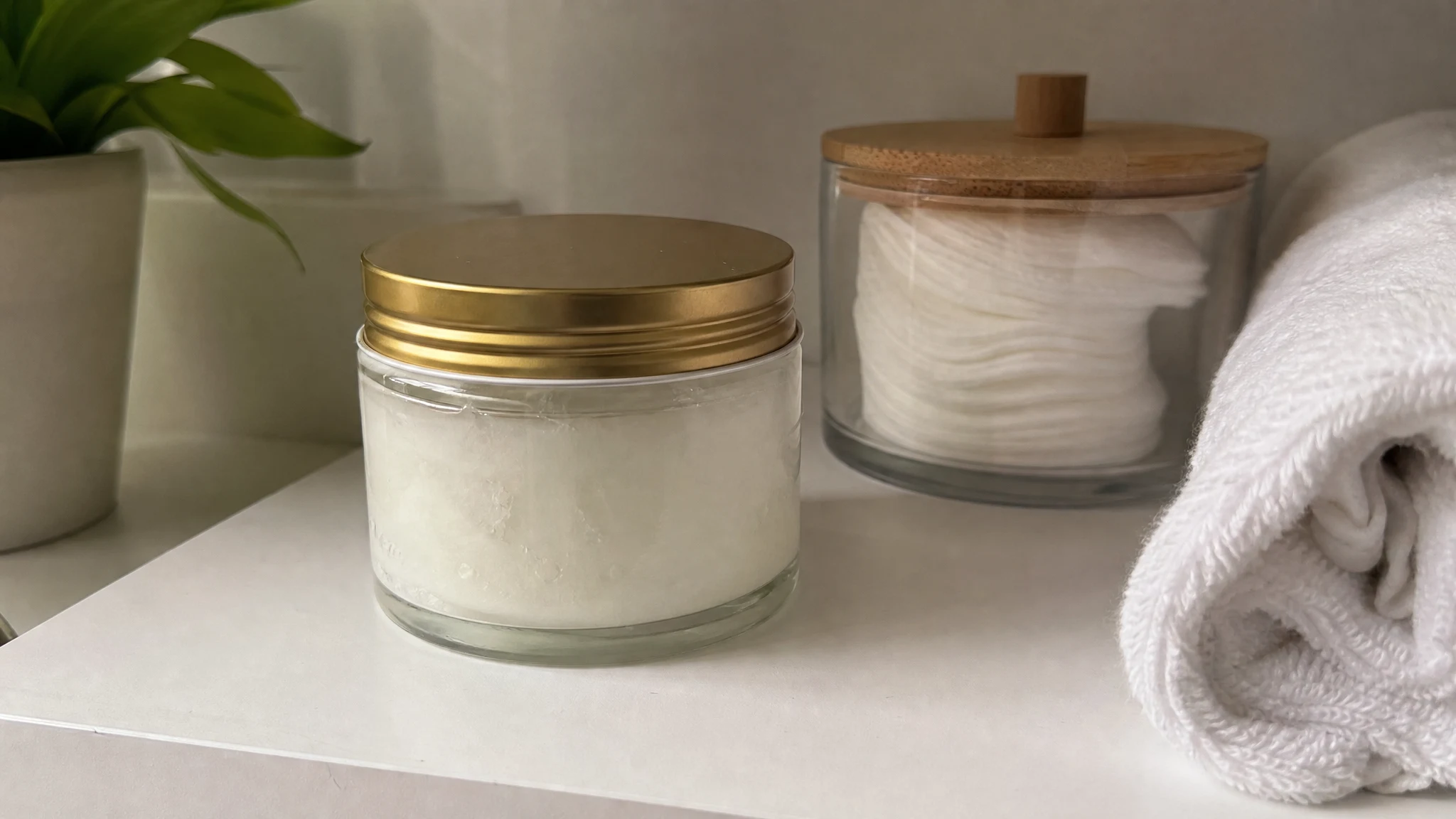
Our virgin unrefined coconut oil is the opposite character: a rich, unmistakable coconut aroma, firm in a cool room (about seventy-six degrees Fahrenheit is where it changes) and soft as butter once it meets warm hands. They are different materials rather than a light and a heavy version of the same thing, which the virgin versus refined guide unpacks. Both are sold neat, for external cosmetic use only.
Pick by the job
A carrier for essential oil blends or a massage oil. This is where fractionated shines. Because it stays fluid and we describe it as virtually odorless, it lets a blend's own scent lead. We pair it with lavender, lemon, tea tree, peppermint, frankincense and rose. For how much essential oil to add, follow the essential oil supplier's label or a certified aromatherapist, and our blending guide has the arithmetic.
A body oil that smells like coconut. That is the virgin unrefined. If what you want is the smell of coconut, buy virgin. It is firmer, so it behaves more like a body butter than a pump-bottle oil, and we suggest pairing it with sweet orange, lavender, ylang ylang, vanilla, patchouli or sandalwood.
A moisturizer on its own. Our oils are sold neat, with no water in them, and the American Academy of Dermatology's dry skin tips say that ointments and creams add more moisture than lotions and list ingredients to look for: jojoba oil, dimethicone, glycerin, hyaluronic acid, lactic acid, lanolin, mineral oil, petrolatum and shea butter. Coconut oil is not on that list, which is a note about what the page names rather than a verdict on coconut oil. We think of ours as a lovely finishing oil and a base for your own blends, with a richer product alongside for very dry skin. If you are weighing options, we compare coconut oil with shea butter and jojoba.
What the research can sort for you
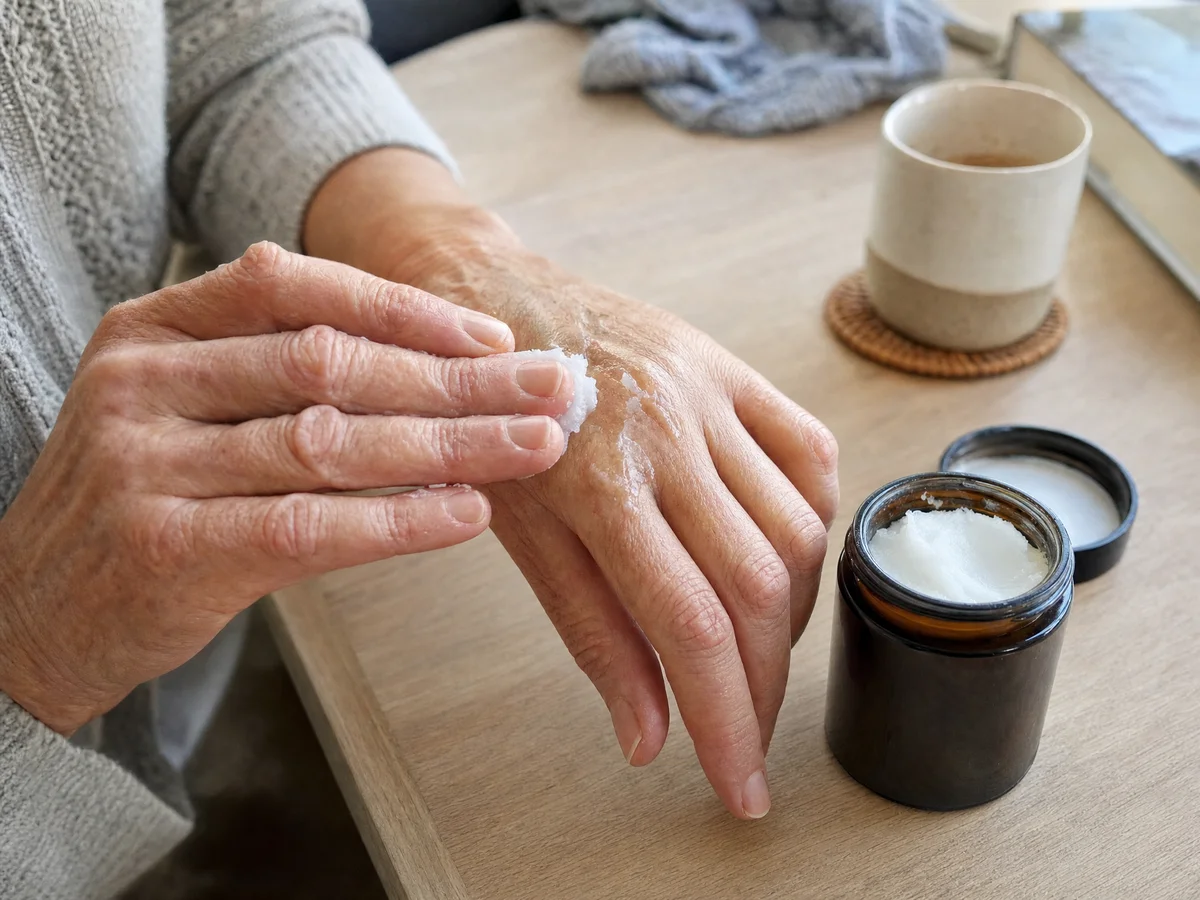
The best-known moisturizer trial is Agero and Verallo-Rowell (Dermatitis, 2004). Thirty-four people with mild to moderate dry skin and negative patch tests applied extra virgin coconut oil or mineral oil to their legs twice daily for two weeks. Both improved hydration and surface lipids and no adverse reactions were reported, so the authors judged coconut oil as effective and safe as mineral oil for that purpose. A 2019 review in Pediatric Dermatology (Karagounis et al.) says more studies are needed before definitive recommendations can be made about coconut oil.
Two details are worth keeping in mind. The trial oil was virgin, and the skin was legs, so nothing in it sorts people into oily, dry, combination or sensitive. As for fractionated oil, Healthline (October 2019) describes it as mainly caprylic and capric acid with most or all lauric acid removed. The certificate of analysis we publish covers one fractionated batch and lists density, refractive index and optical rotation, with no fatty-acid profile, so how it compares with the trial oil is an inference rather than a number.
When to check with a professional first
If your face is acne-prone or oily, the AAD's acne overview says to use only oil-free skin care, and its oily skin page advises against oil-based cleansers. Our look at coconut oil and pores explains why a rating cannot decide it for you.
If you have eczema, rosacea or a rash you cannot name, that is a dermatologist's call; see what the eczema trials tested.
If you have a history of coconut or tree nut allergy, check with a professional first, as our product pages advise. The FDA's allergen FAQ says coconut is no longer a major food allergen, a food labeling decision, while an allergist on the AAAAI site says coconut oil can cause contact dermatitis.
Try it the gentle way
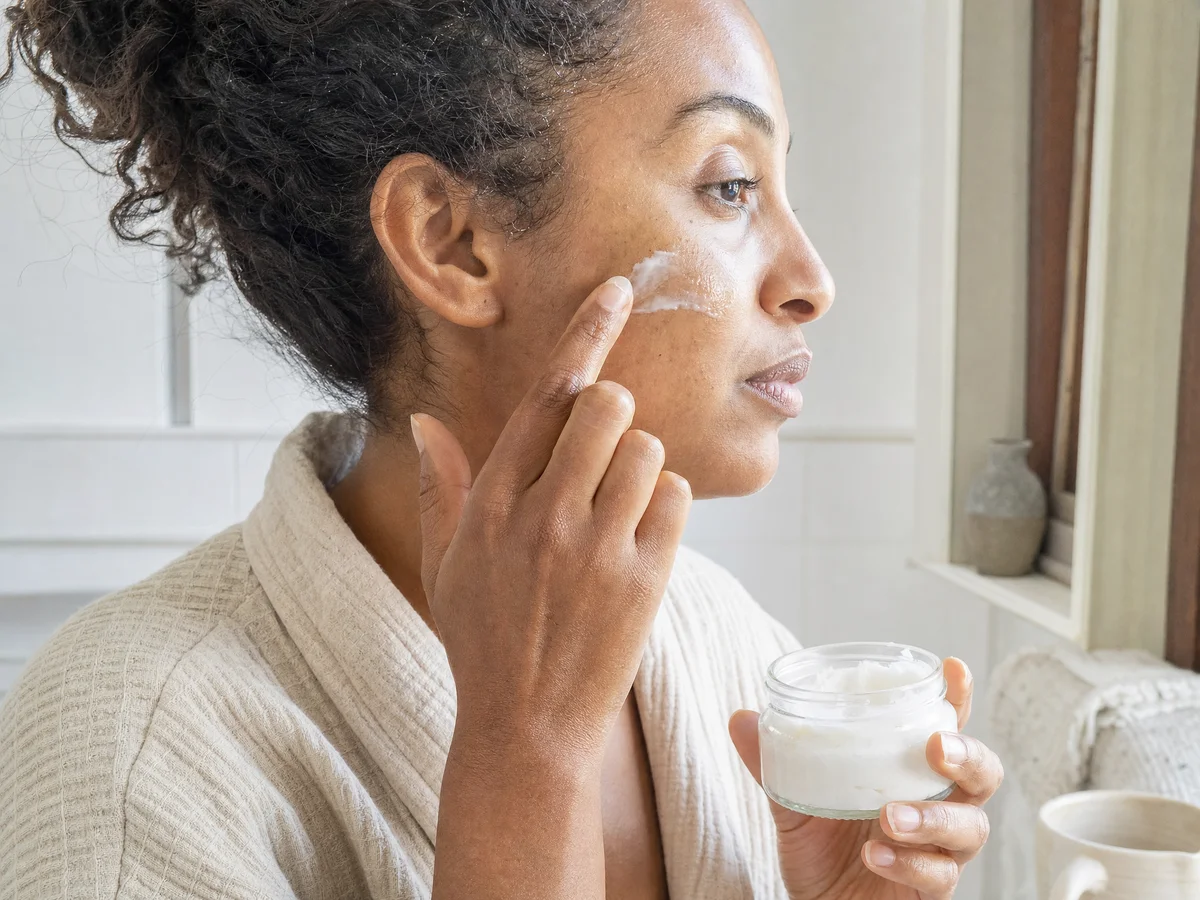
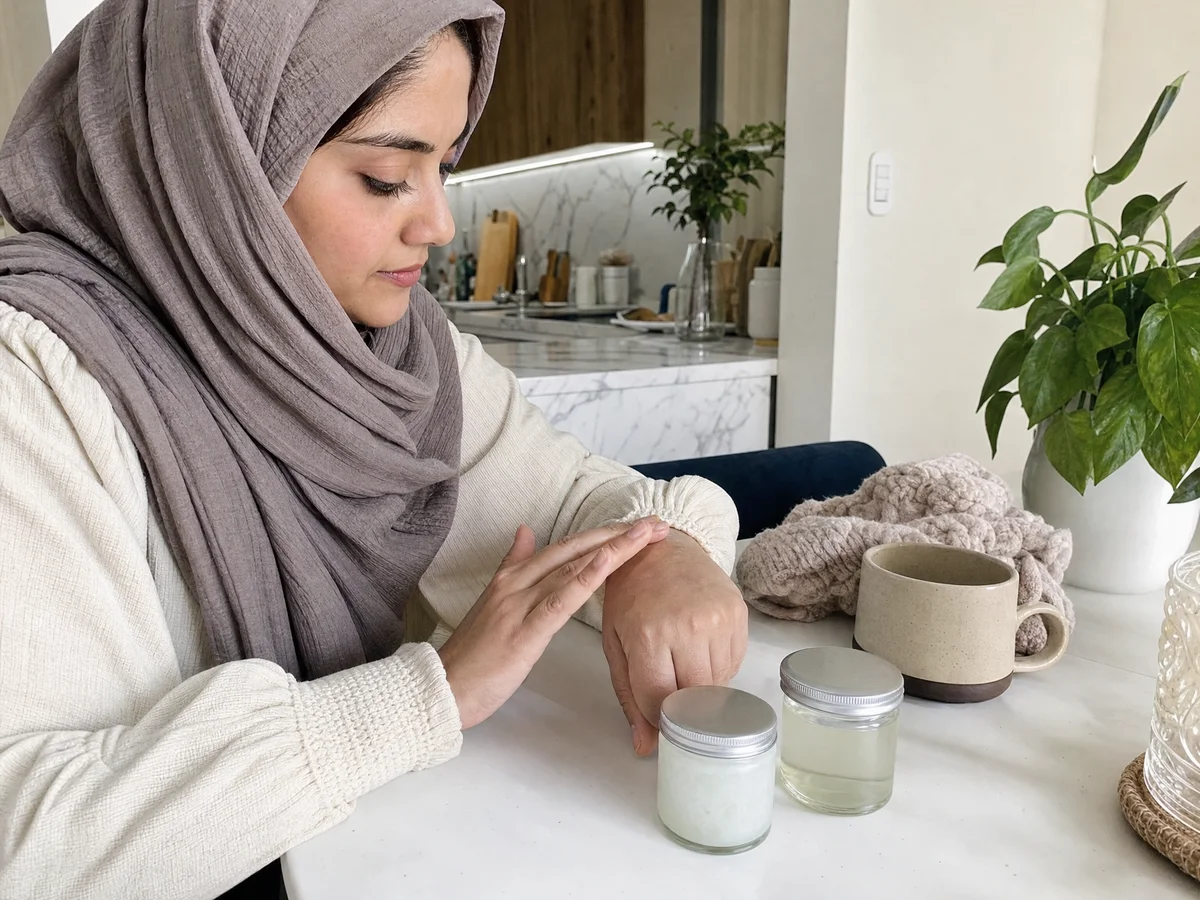
Since no study can tell you how your skin will react, your skin gets to run the test. Pick one oil and one spot, the inner forearm, and wait 24 hours as our fractionated page advises. Keep the rest of your routine the same for a week so any reaction is easy to trace. Stop at redness, itching, stinging or new bumps, and keep both oils away from your eyes. Because the trials ran for weeks, a quiet few days is only a start, and moving from forearm to a larger area, and then to the face, are separate steps. Reasoning from that, go one step at a time.
One more thing to know: neither oil is daytime sun protection. The AAD's oily skin page recommends a moisturizer with broad-spectrum SPF 30 or higher by day. We make no SPF claim for either oil, and our sunscreen article explains why a separate sunscreen is the right tool.
The short version: for a clean, fluid base for blends or massage, start with the fractionated oil; for the scent and a firmer feel, choose virgin; and if you are unsure, a small bottle and a forearm patch test is a cheap and friendly way to find out.
Fractionated Coconut Oil
Fractionated Coconut Oil from our own shop, in sizes from 0.5 oz to bulk.
From $9.99
Shop Now →Sources & Further Reading
- American Academy of Dermatology, accessed 2026. Acne: overview. aad.org
- American Academy of Dermatology, updated 9/3/24. How to control oily skin. aad.org
- American Academy of Dermatology, accessed 2026. Dermatologists' top tips for relieving dry skin. aad.org
- Agero AL, Verallo-Rowell VM, 2004. Extra virgin coconut oil vs mineral oil as a moisturizer for xerosis. Dermatitis 15(3):109-116. pubmed/15724344
- Karagounis TK et al., 2019. Use of "natural" oils for moisturization: review of olive, coconut, and sunflower seed oil. Pediatr Dermatol 36(1). pubmed/30152555
- Healthline, October 2019. Fractionated coconut oil. healthline.com
- US FDA, current 2026. Frequently asked questions: food allergen labeling guidance. fda.gov
- AAAAI Ask the Expert (P. Lieberman, MD). Reaction to coconut. aaaai.org