Coconut Oil for Chafing: What Works on a Long Hot Run
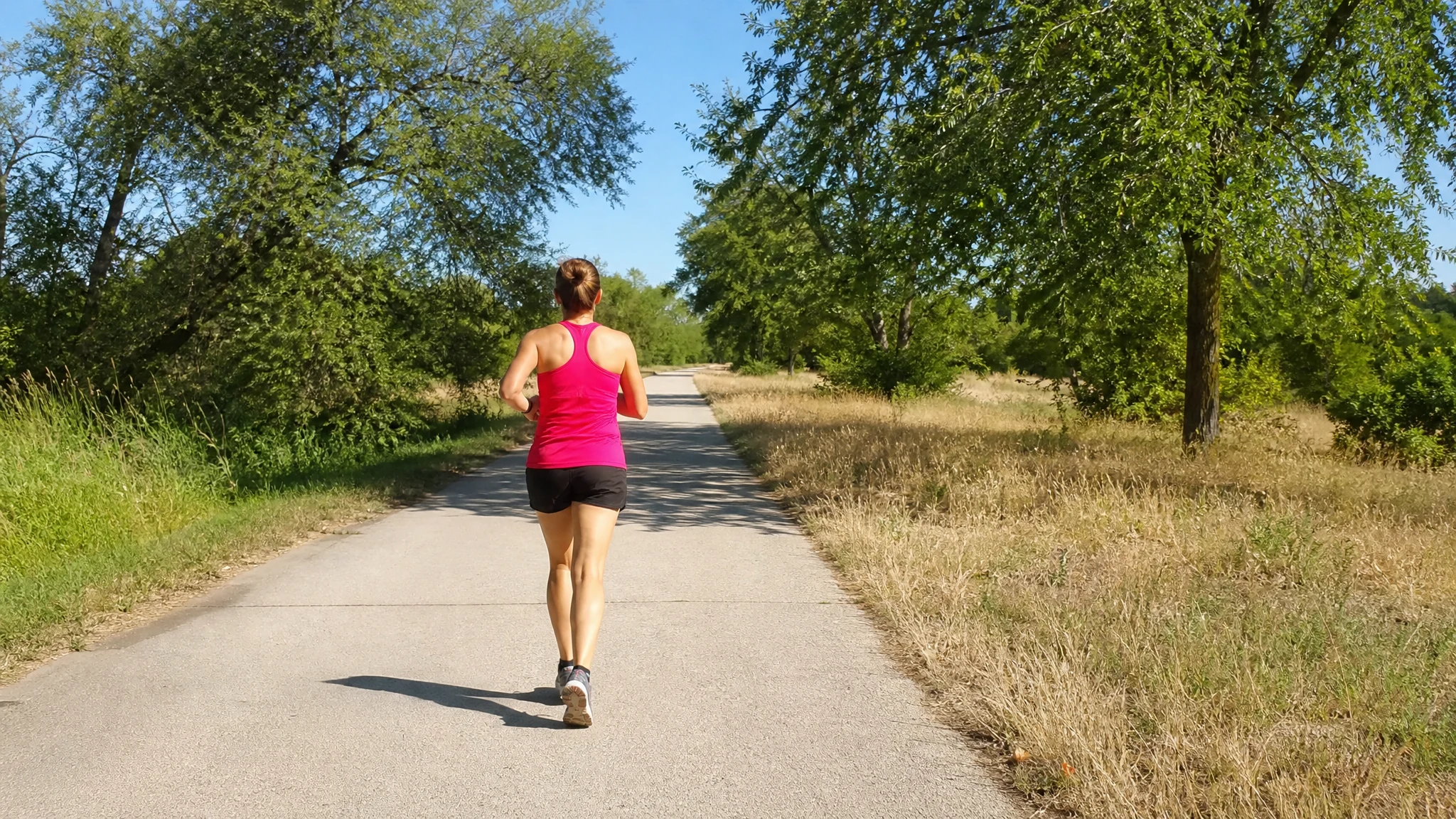
Anyone who has run, hiked or walked a theme park in July knows the spot: inner thigh, underarm, bra band, wherever skin keeps meeting skin or fabric. A little coconut oil makes a lovely glide for those places, and we are fond of it for a short, cool outing. The interesting part is what happens as the minutes and the temperature climb, because the quality we love most in a light oil, the way it settles into skin, is exactly what decides how long it lasts on a sweaty leg.

Fractionated Coconut Oil
Our own Fractionated Coconut Oil, in sizes from 0.5 oz to bulk.
From $9.99
Shop Now →Friction is the whole story
Cleveland Clinic's chafing page puts it simply: friction is always the root cause, and moisture and hot, humid weather make it worse. Its prevention list is refreshingly practical. Apply an anti-chafing product before you start, choose moisture-wicking fabric over cotton, check seams and tags, use padding or athletic tape where you rub, and see a provider if it does not improve within a few days.
On the lubricant itself, a Health Essentials piece by Cory Fisher, DO names petroleum jelly as the dependable dab and lists gels, creams, balms and powders as other options. Neither page mentions coconut oil, so what follows is our own reasoning from how these products behave: whatever you use has to stay where you put it for as long as you are moving.
Matching the product to the minutes
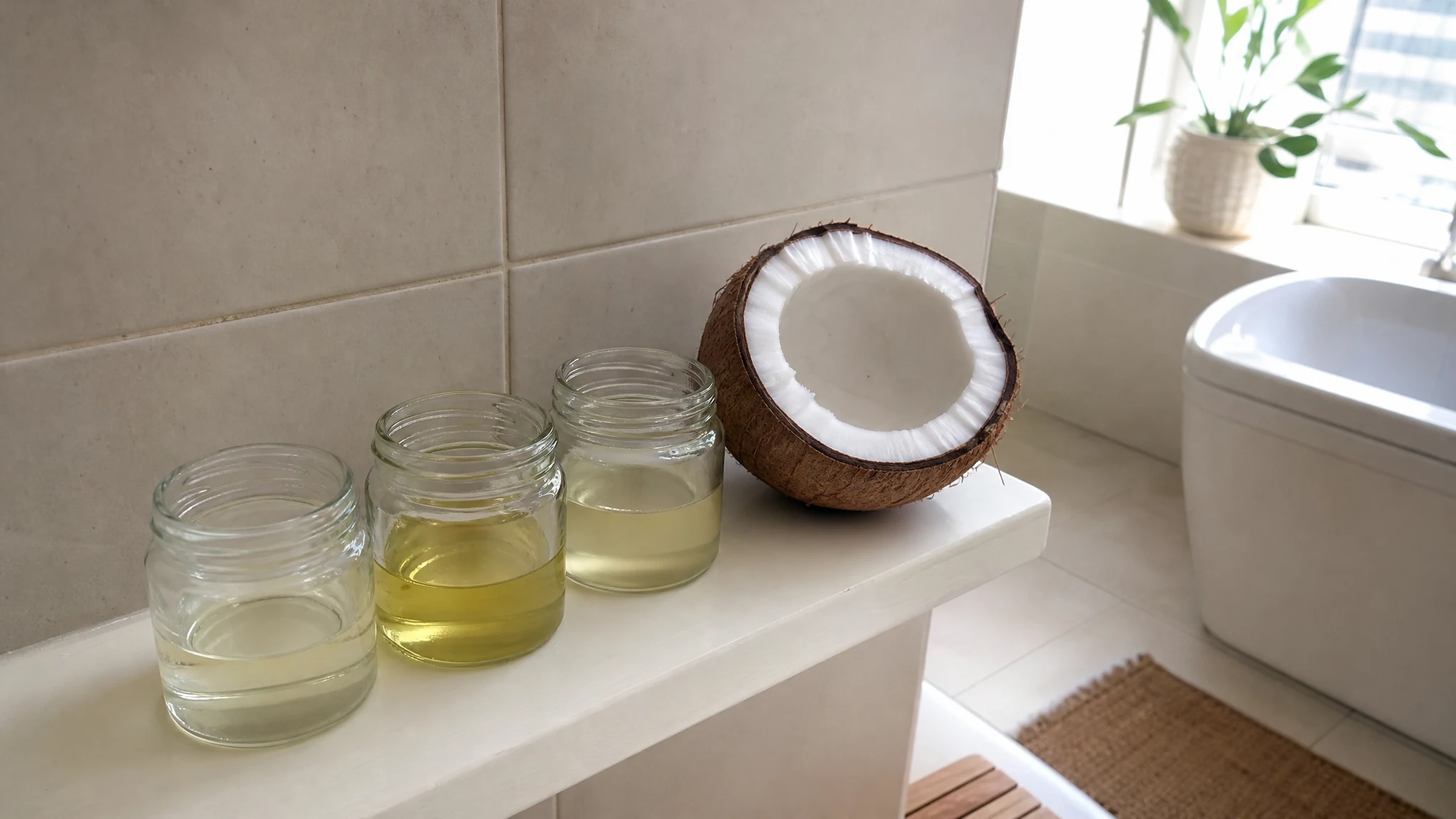
For an easy hour in cool weather, a light oil is a pleasant choice. Our fractionated coconut oil spreads easily, feels feather-light, stays liquid in a cold gym bag and we describe it as virtually odorless. A few drops warmed between your palms are plenty.
For a long, hot or very sweaty day, you want something that sits on top of the skin rather than soaking in. A liquid oil that absorbs quickly (a real strength in massage or as a body oil) gives you a thin film that thins further as you sweat. That is why the clinical sources lean on petroleum jelly for those days, and why a wax-thickened balm is the oil-based route. Our virgin unrefined coconut oil sits in between: we note that it firms up below about 76 degrees Fahrenheit and melts in warm hands, so it behaves like a soft balm at room temperature, with a clear coconut aroma, and turns liquid in a hot pocket.
Oil can mark fabric, so dab a little on a hidden corner of a favorite shirt first, and if skin is already red, raw or broken, give it a rest. The NHS guidance on cuts and grazes advises cleaning and covering broken skin and getting advice for pus, spreading redness or swelling, worsening pain or fever.
Thickening your own balm
To make oil hold its ground, the traditional move is beeswax. Rhoda Peacher in Hobby Farms gives a rule of thumb of one part beeswax to three to five parts oil, with a firmer salve for summer. For a hot day we would start at the firm end, one part wax to three parts oil:
| Total batch | Beeswax | Oil |
|---|---|---|
| 30 g | 7.5 g | 22.5 g |
| 60 g | 15 g | 45 g |
Melt the two together, then use Peacher's cool-sample trick: spoon a little onto a plate, let it set, and press it with a fingertip before you pour the batch. Too soft, melt it again with a touch more wax. Virgin unrefined oil brings some firmness of its own, so it wants slightly less wax than the fractionated. Our beeswax balm article walks through the ratio logic. We sell the oils rather than beeswax, so the wax comes from a craft or farm supplier.
Where it goes
Inner thighs, underarms, the line of a sports bra and nipples are the classic rub points. Keep oil away from your eyes, and mind your forehead and headband line, because sweat carries oil in that direction. Do a patch test a few days before race day rather than the morning of: we suggest a small spot and a 24-hour wait, and anyone with a coconut or tree nut allergy should check with a professional first. Sensitive and intimate areas are outside what we advise, and our oils are not sold as personal lubricants. A rash that lingers or a sore that will not close is one for a doctor or dermatologist.
Think about the clothes too. A seam that rubs will beat any oil, so run your fingers along the inside of your shorts before you head out. Swapping a rough tag or a cotton shirt for something smoother often does more than anything you put on your skin.
Finding what works on your route
Every body has its own rub points, so a little experiment pays off. Pick one spot, run the same route at the same pace, and note the minute you first feel friction with the oil versus your usual product. A 20 to 30 minute run will teach you more than any page can, and a repeat in warmer weather shows how heat changes both sweat and balm. Stop the moment skin turns raw.
Plenty of people simply prefer to skip petroleum products, which is a perfectly good reason to reach for an oil. Our coconut oil versus mineral oil comparison goes through how the two differ, coconut oil for workouts covers where else an oil fits around training, and our summer skin care post has lightweight hot-weather ideas.
For short outings, or as the liquid half of a homemade balm, our fractionated oil is a neat, neutral place to begin.
Fractionated Coconut Oil
Fractionated Coconut Oil from our own shop, in sizes from 0.5 oz to bulk.
From $9.99
Shop Now →Sources & Further Reading
- Cleveland Clinic, 2025. Chafing: causes, treatment and prevention. my.clevelandclinic.org/health/diseases/23517-chafing
- Fisher C, Cleveland Clinic Health Essentials, 2025. Skin protection: tips to prevent chafing. health.clevelandclinic.org/prevent-chafing
- NHS, reviewed 2026. Cuts and grazes. nhs.uk/conditions/cuts-and-grazes
- Peacher R, Hobby Farms, 2019. Salve recipe with beeswax ratios. hobbyfarms.com/?p=63105