Coconut Oil for Summer Skin: When a Few Drops Help
Summer is the season of skin that has been through a lot: chlorine, salt, sweat, shaving, and air conditioning that dries you out in July. A liquid oil can be a lovely small pleasure in the middle of all that, as long as it turns up at the right moment. Here is a tour of a summer day and the spots where a few drops of coconut oil fit best.
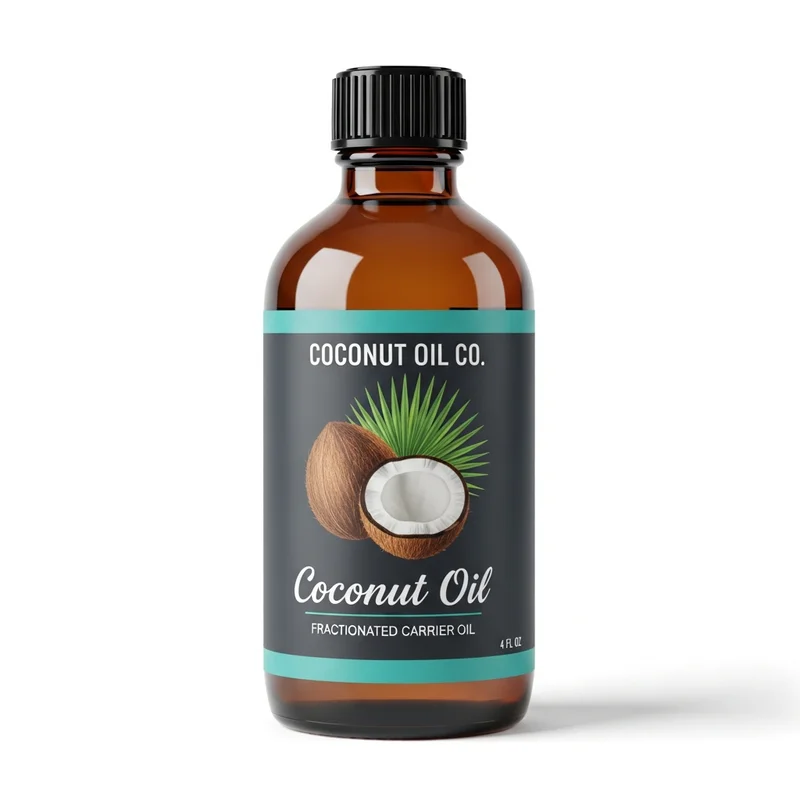
Fractionated Coconut Oil
Our own Fractionated Coconut Oil, in sizes from 0.5 oz to bulk.
From $9.99
Shop Now →Right after the shower
This is where a little oil earns its place. The American Academy of Dermatology suggests keeping baths and showers to five to ten minutes in warm water, patting dry, and moisturizing while skin is still damp (AAD dry skin tips). Damp skin lets a small amount of oil spread thin instead of sitting in a puddle, and an oil film over that moisture slows its evaporation. That last part is our reasoning from how oils behave, rather than a result measured with fractionated coconut oil, but it is a good reason to keep the habit.
The art is restraint. A teaspoon is far more than a summer arm needs, and a pea-sized pool in one palm per limb goes a long way. If you like a light touch, our dry elbows and knees routine shows how little you can get away with.
Shaving days
The AAD advises shaving at the end of the shower, when water has softened skin and hair, then patting dry and applying a fragrance-free moisturizer right away. After a shave, two or three drops of plain oil per lower leg are plenty, and a scented blend can wait a day. The AAD also points out that products labeled "unscented" can contain chemicals that mask other odors, so "fragrance-free" is the label to look for. If shaving is your main interest, our whipped shaving balm piece looks at it closely.
Cold air indoors
Air conditioning can leave hands feeling tight even in July. The AAD recommends moisturizing several times a day, including after every hand wash. A liquid oil travels to keyboards, phones and paper, so a quick-absorbing hand cream is the better desk companion, and we leave that one to others. If you want oil on your hands anyway, two drops rubbed in until your hands feel dry to the touch will do.
Pool and beach: sunscreen's job
Coconut oil is not a sunscreen, and we make no SPF claim for either of our oils. A 2021 study in Photochemical & Photobiological Sciences tested 14 virgin vegetable oils in the lab and on volunteers. The five most heavily promoted oils, coconut among them, came in well below the values earlier reports had claimed, and the other eight offered no or negligible protection. The AAD's sunscreen guidance is to choose SPF 30 or higher, broad-spectrum and water resistant, use about an ounce (roughly a shot glass) for most adults, put it on about 15 minutes before going outside, and reapply every two hours and after swimming or sweating.
So the happy arrangement is simple: sunscreen goes on for the sun, and oil waits until you are indoors. Our deeper piece on coconut oil and SPF has the full story.
If you get too much sun
A sunburn is a burn, not a cosmetic matter, so we will not offer a routine for one. The AAD's sunburn page suggests frequent cool baths or showers, a moisturizer with aloe vera or soy applied to damp skin, and leaving blisters alone. Blisters, fever, or a burn over a large area call for a board-certified dermatologist. Our sunburn article goes through what dermatologists suggest first.
Evening is oil time
Once the sunscreen, sweat and chlorine are rinsed away, oil becomes a treat for the rough spots: shins, heels, elbows, cuticles. Greasiness matters less at night, and nothing else is about to go on top. Warm a few drops between your palms and press rather than rub. Oil can mark pale fabrics, so a towel under your legs helps if bed is next.
Keeping the bottle happy in a hot house
We recommend storing both oils cool and dark. We list about two years unopened for the fractionated oil, and typically 18 to 24 months for the virgin when kept tightly closed. A bottle beside a steamy shower or baking in a beach bag is the opposite of cool and dark. Keep a small bottle in a drawer, and pour what you need with clean, dry hands so water and sweat stay out of the main supply.
Which oil for a hot day
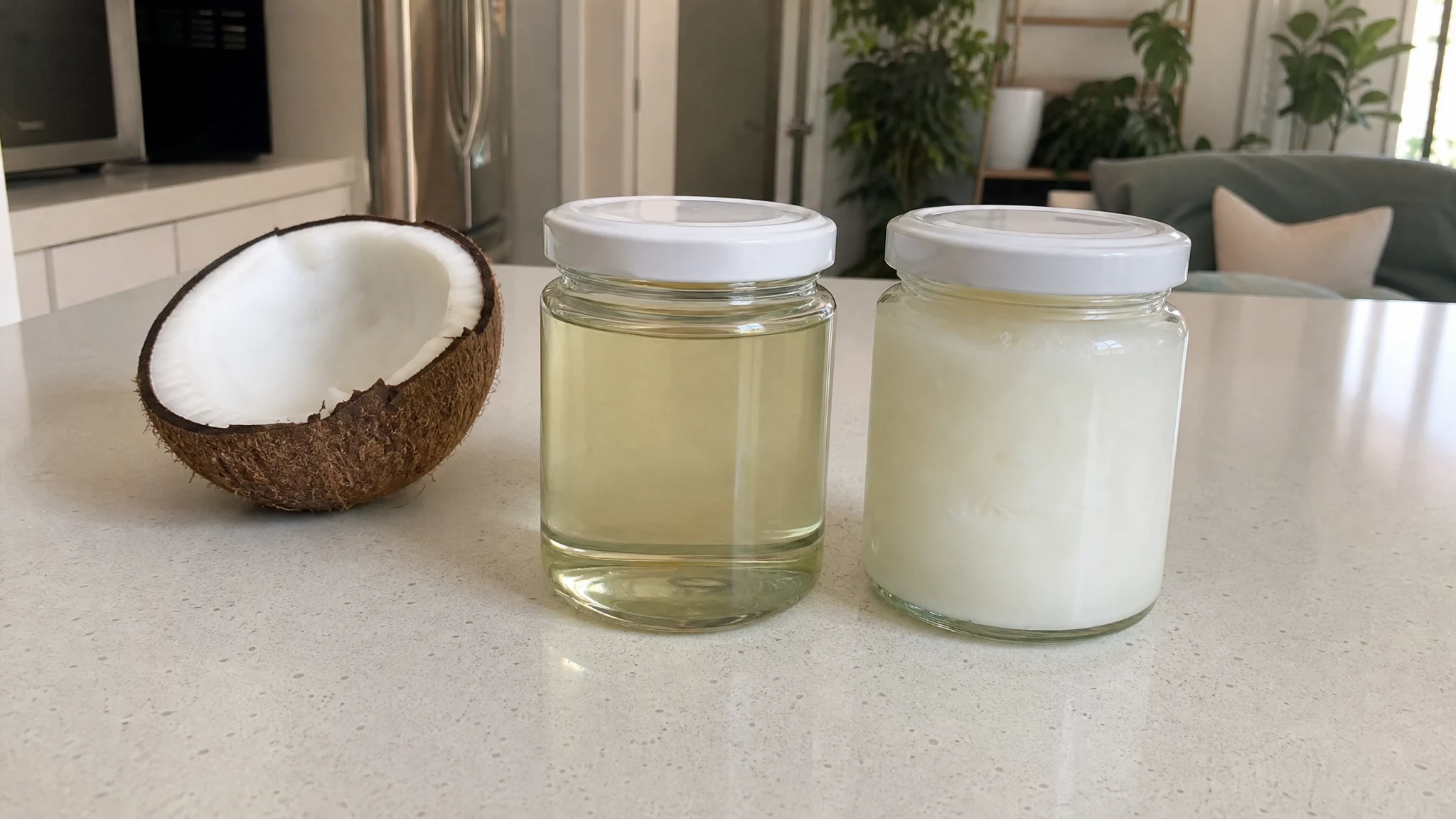
Our fractionated coconut oil stays liquid in a hot bathroom or a warm car. We describe it as fast-absorbing, non-greasy and virtually odorless, which is nice if you would rather not smell like a sunscreen counter. Our virgin unrefined oil has a rich, creamy coconut aroma and melts in warm hands. It firms up below about seventy-six degrees Fahrenheit, so on a hot day expect it to be liquid, and pour it carefully. Neither has been shown to be the better moisturizer, so choose on feel and scent. Our skin type guide can help if you are still deciding, and our buying checklist is a handy companion.
As with any new product, we suggest a patch test on a small area first, and if you have a coconut or tree nut allergy, check with a professional before use. New breakouts, itching, a rash with small bumps, or dry patches that come back every summer are all good reasons to see a dermatologist, since the AAD notes persistent dry skin can point to conditions such as atopic dermatitis or psoriasis.
The short version of a summer day: a little oil on damp skin after the shower, a few drops on rough spots at night, and sunscreen for everything in between. When the weather turns, our winter skin routine picks up where this one leaves off.
Fractionated Coconut Oil
Fractionated Coconut Oil from our own shop, in sizes from 0.5 oz to bulk.
From $9.99
Shop Now →Sources & Further Reading
- American Academy of Dermatology. Dermatologists' top tips for relieving dry skin. aad.org
- American Academy of Dermatology. How to apply sunscreen. aad.org
- American Academy of Dermatology. How to treat sunburn. aad.org
- Ácsová A et al., 2021. The real UVB photoprotective efficacy of vegetable oils: in vitro and in vivo studies. Photochem Photobiol Sci 20(1):139-151. doi.org/10.1007/s43630-020-00009-3