Coconut Oil Foot Balm: A Beeswax Recipe by Weight
There is a small, private pleasure in a tin of heel balm by the bed: a thin layer, a pair of cotton socks, and softer-feeling heels by morning. Coconut oil and beeswax are a lovely pair for the job, and the whole recipe comes down to one ratio you can work out on a kitchen scale. Before the recipe, it is worth a minute on telling plain dry heels apart from something a pharmacist should see.
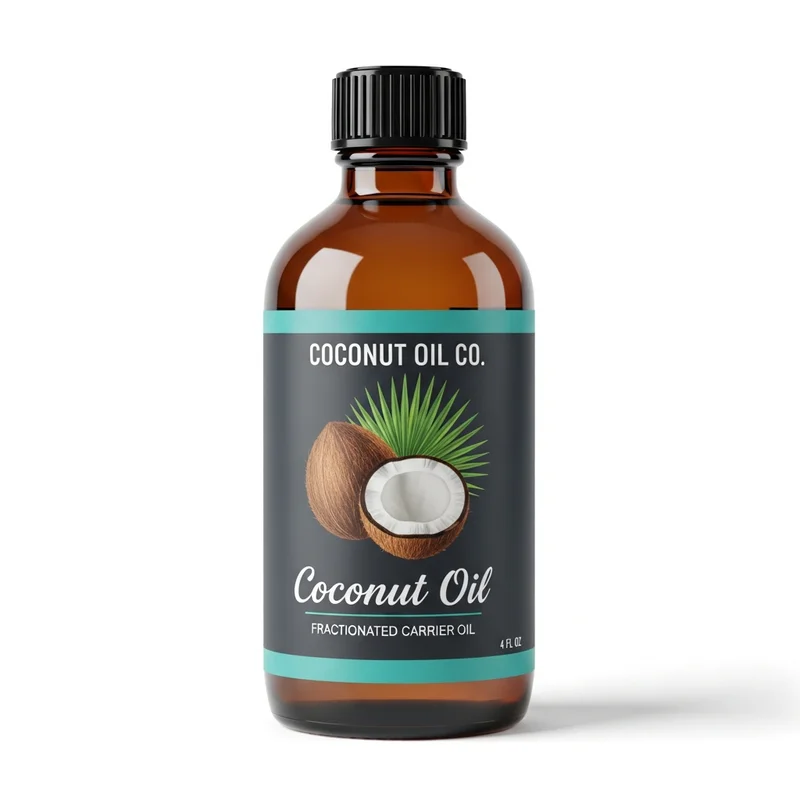
Fractionated Coconut Oil
Our own Fractionated Coconut Oil, in sizes from 0.5 oz to bulk.
From $9.99
Shop Now →Dry heels or something else?
The NHS describes athlete's foot as itchy white patches between the toes, with skin that can be sore, flaky and red and may crack or bleed; it can also affect the soles and sides of the feet, sometimes with blisters. The page says it is unlikely to clear up on its own, that a pharmacist can suggest antifungal creams, sprays or powders, and that you should see a GP if pharmacy treatments do not work, if the pain is bad, if the foot or leg is hot and red, if it spreads, or if you have diabetes or a weakened immune system (NHS, reviewed April 2024). Its everyday habits suit any feet: dry them well, wear clean socks and rotate shoes so no pair is worn more than 2 to 3 days in a row.
As plain common sense and not a diagnosis, thick, dry, non-itchy skin and cracks at the heel edge point toward a moisturizing job. Itching, white or wet-looking skin, or anything between the toes points toward the pharmacist. If you cannot tell, ask a pharmacist or podiatrist first and save the balm for afterward.
People with diabetes should check with their care team before making foot products at all. The CDC's page on diabetes and your feet says not to put lotion between the toes, to dry feet completely, not to soak them, and to tell a doctor about dry, cracked skin on the feet (CDC, May 2024).
Keeping it plain on purpose
Many foot recipes add tea tree oil with an antifungal idea in mind. The research behind that idea used far stronger doses than a pinch in a balm: a double-blind trial of 158 people with a fungal infection between the toes used 25% and 50% tea tree oil solutions twice daily for four weeks, and 3.8% of the people using tea tree developed moderate to severe dermatitis (Satchell et al., 2002). That is a treatment study on diagnosed infections, a different job from softening a heel. Our balm has one goal, moisturizing dry heels, so we keep it simple and unscented, and anything that looks like an infection goes to a pharmacist.
The balm, written by weight
With no water in the recipe, this is a balm and not a cream, so the ratio is all about firmness. A common rule of thumb for salves is one part beeswax to three to five parts oil: more wax gives a firmer balm, and you can remelt and adjust (Hobby Farms, 2019). For a 60 gram batch, about 2 ounces:
| Wax to oil | Beeswax | Coconut oil | Feel |
|---|---|---|---|
| 1 : 3 | 15 g | 45 g | firmest, holds up in a warm bag |
| 1 : 4 | 12 g | 48 g | middle |
| 1 : 5 | 10 g | 50 g | softest |
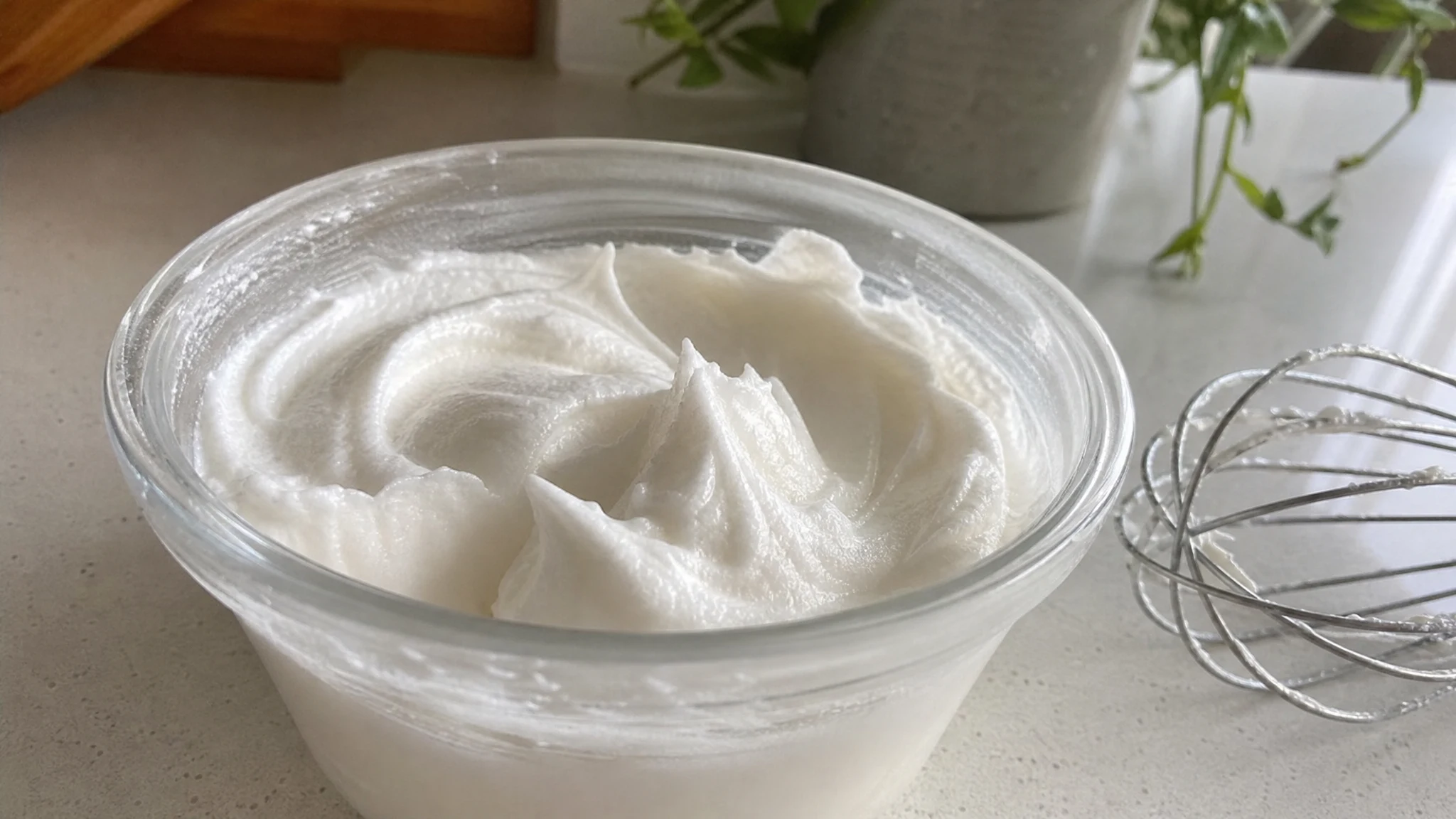
Your choice of oil shapes the result. Our virgin unrefined listing is firm below about 76 degrees Fahrenheit, so it makes a firmer balm with a creamy coconut scent. Our fractionated coconut oil stays liquid at any temperature, so the same ratio gives a softer, glossier balm with next to no scent, since we describe it as virtually odorless. Beeswax and tins come from elsewhere because we do not sell them.
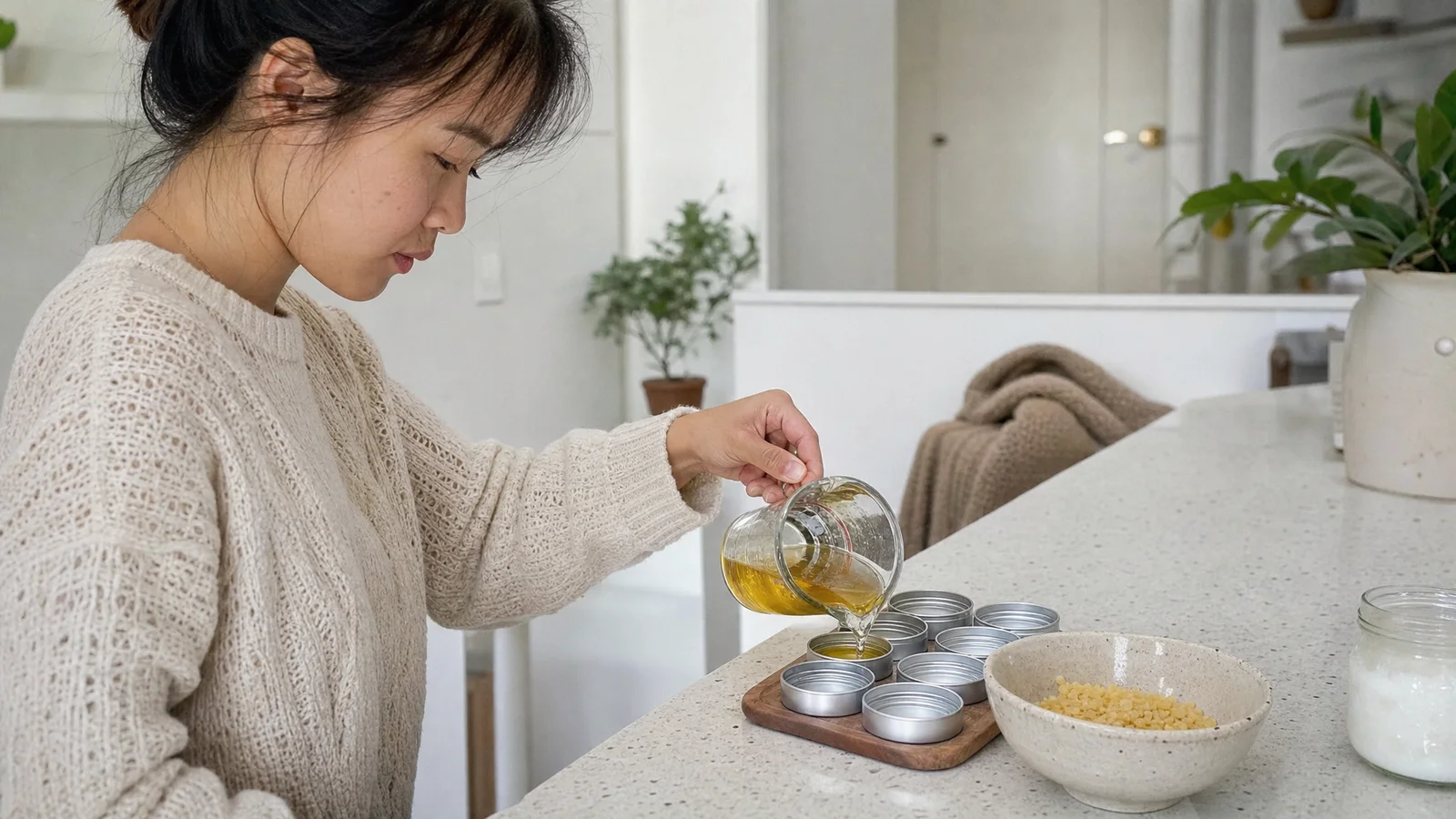
Melt the wax with the oil in a heat-safe bowl over simmering water, stir until clear, take it off the heat, pour into a clean tin and let it set undisturbed. Cool a small spoonful on a plate to preview the texture: too firm, remelt with a little more oil; too soft, add a little wax.
Putting it on
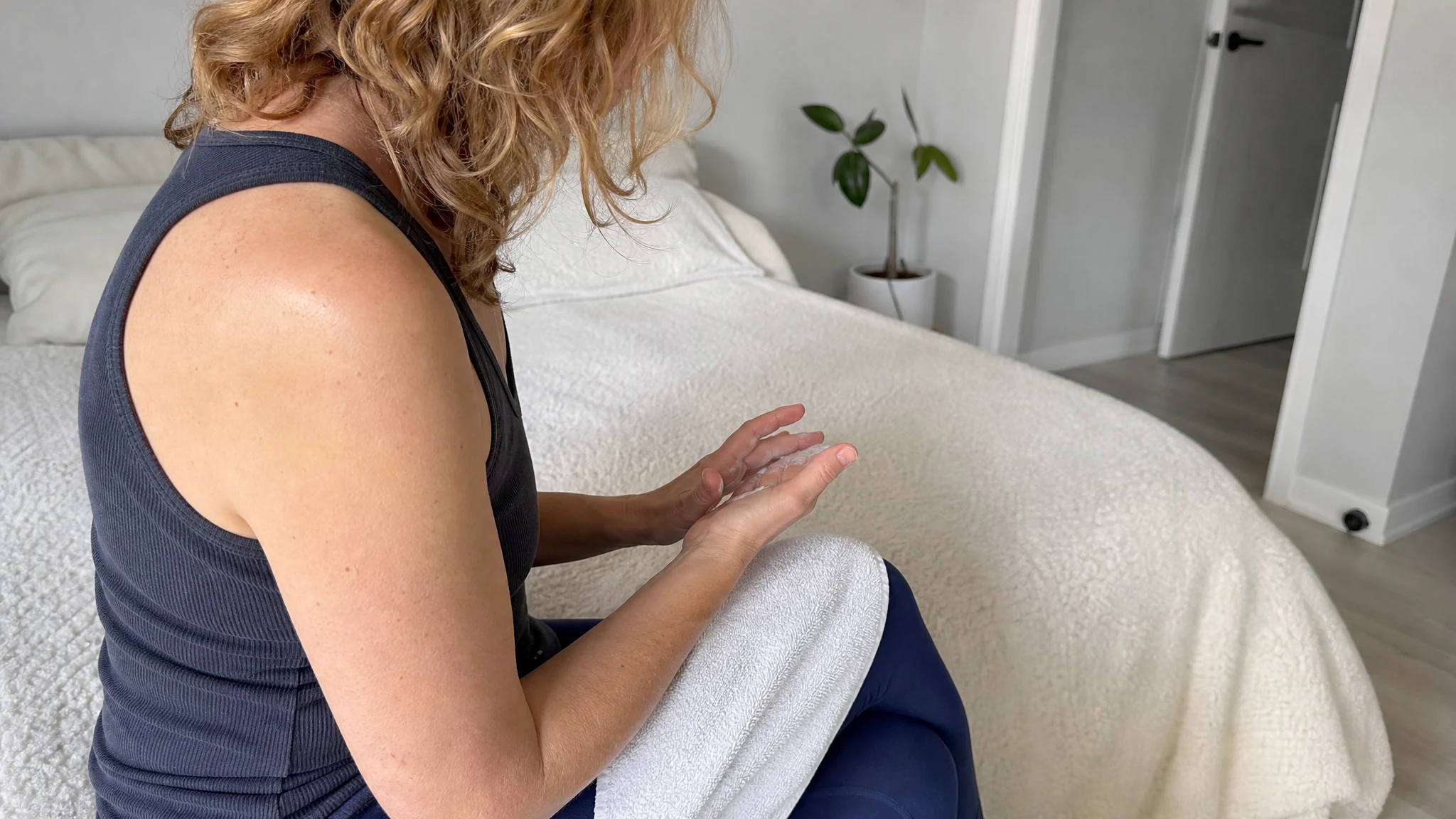
The American Academy of Dermatology's dry skin tips say ointments and creams add more moisture than lotions, and recommend five to ten minute showers in warm water and moisturizing while skin is damp (AAD, updated January 2026). Applying that to feet is our own inference: pat dry, spread a thin layer over heels and soles, and pull on clean cotton socks before you stand, since oil is slippery on tile. Keep it off the skin between the toes. If you notice bleeding, deep splits, redness, warmth or pus, stop and see a clinician.
For other rough spots, dry elbows and knees follows the same idea, the beeswax salve article goes deeper on salves, and the lotion bar guide uses similar ratios in solid form.
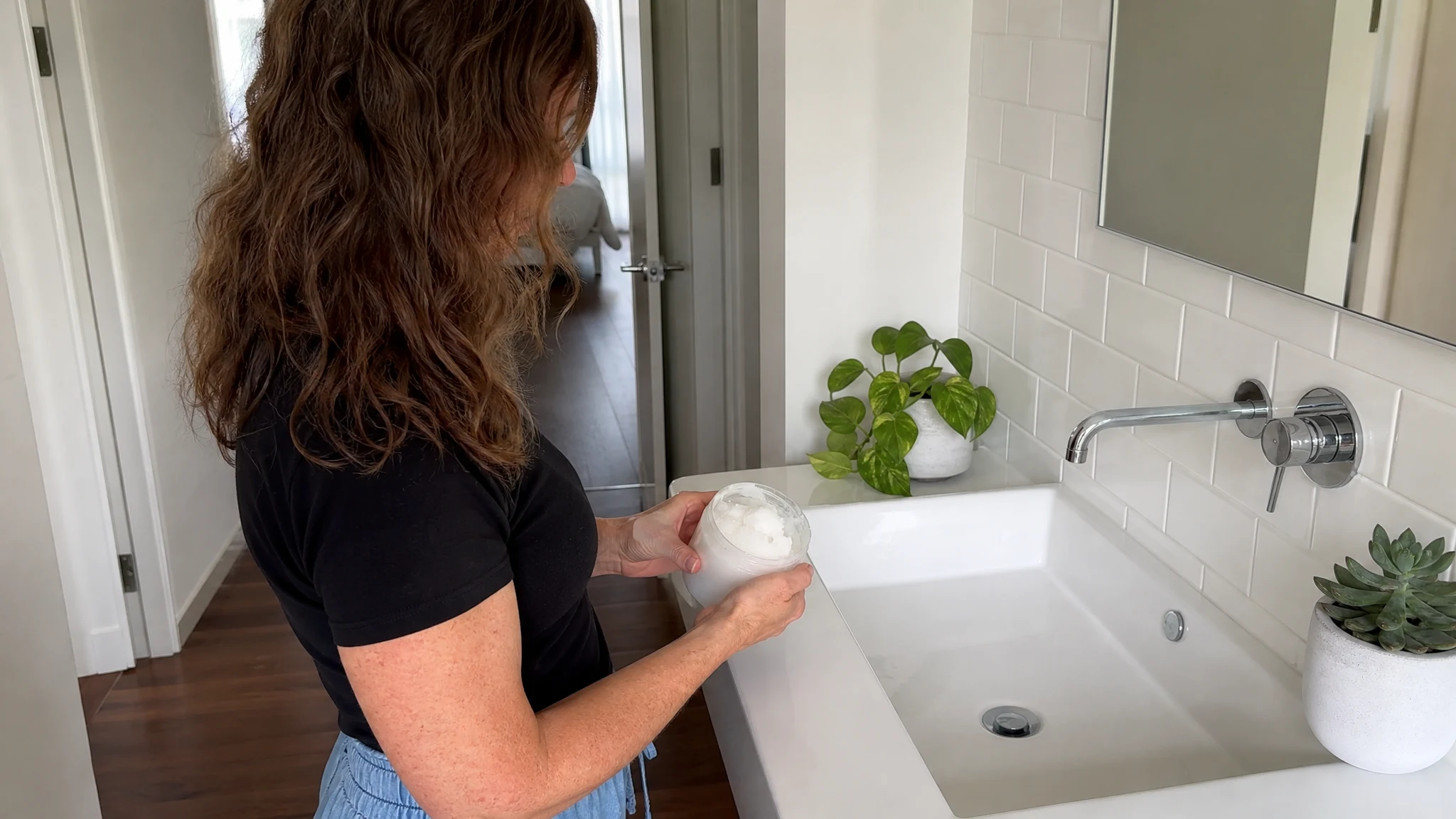
A tin by the bed works because it is easy. Warm a pea-sized dab between your fingers, press it into the heel and sides of the foot, and pull on socks you do not mind getting a little oily. Keep an old pair just for this and the habit costs nothing.
Giving balm as a gift
The FDA's homemade cosmetics fact sheet says you are legally responsible for making sure your cosmetics are safe and properly labeled (FDA, current as of November 2025). The FDA also decides cosmetic versus drug by intended use, so describe a heel balm as a moisturizer for dry skin and nothing more (FDA). Both our oils are for external cosmetic use, with a patch test first.
So make a small tin, keep it by the bed and enjoy the socks. If your feet itch or the skin looks white and wet, the pharmacist comes before the balm.
Fractionated Coconut Oil
Fractionated Coconut Oil from our own shop, in sizes from 0.5 oz to bulk.
From $9.99
Shop Now →Sources & Further Reading
- NHS, reviewed 29 April 2024. Athlete's foot. nhs.uk/conditions/athletes-foot
- CDC, May 2024. Diabetes and your feet. cdc.gov/diabetes
- Satchell AC et al., 2002. Treatment of interdigital tinea pedis with 25% and 50% tea tree oil solution: a randomized, placebo-controlled, blinded study. Australas J Dermatol 43(3):175-178. pubmed/12121393
- Peacher R, Hobby Farms, 24 June 2019. Use beeswax to make salves and balms. hobbyfarms.com
- American Academy of Dermatology, updated 2 January 2026. Dermatologists' tips to relieve dry skin. aad.org
- US FDA, current as of 18 November 2025. Small businesses and homemade cosmetics fact sheet. fda.gov/cosmetics
- US FDA. Is it a cosmetic, a drug, or both? fda.gov/cosmetics