DIY Coconut Oil Deodorant Stick: Scent, Not Sweat
A homemade coconut oil deodorant stick is a lovely small project: a soft, lightly scented bar that glides on and smells of whatever you choose to put in it. The honest way to describe it is as a scent-and-softness product. It works on the fragrance side of underarm life, and wetness is a separate job that belongs to antiperspirants, so keeping those two roles apart makes for a happier stick.
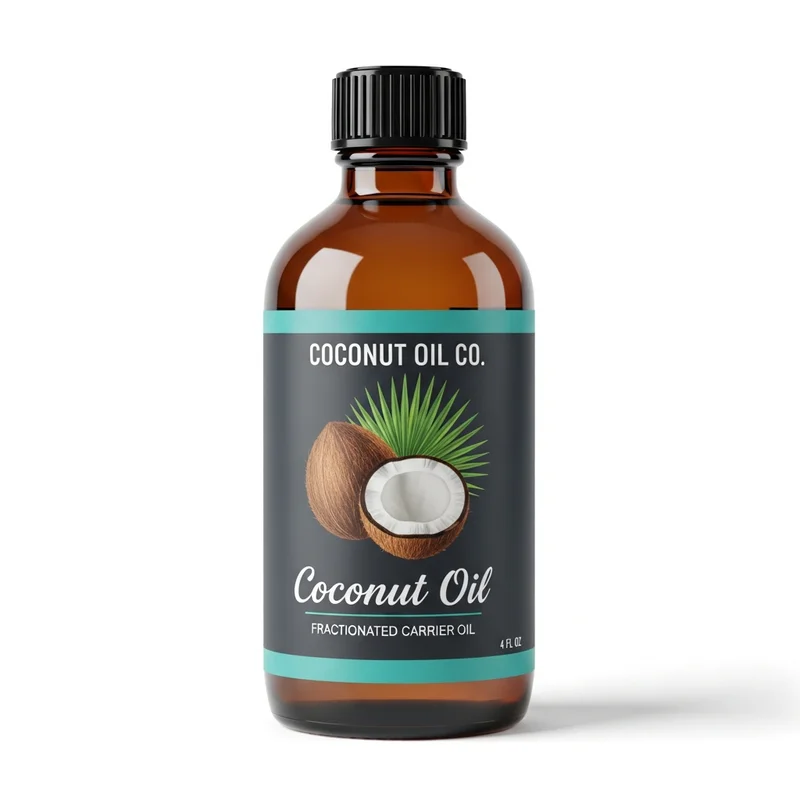
Fractionated Coconut Oil
Our own Fractionated Coconut Oil, in sizes from 0.5 oz to bulk.
From $9.99
Shop Now →Where underarm odor comes from
Fresh sweat has very little smell. Odor appears when skin bacteria convert odorless compounds in underarm secretions into volatile ones. A 2015 study in FEMS Microbiology Letters followed one such compound, a thioalcohol, and found that bacterial species differ a great deal in how much they make: Staphylococcus hominis, S. haemolyticus and S. lugdunensis were efficient producers, while S. epidermidis and Corynebacterium tuberculostearicum made little. The authors conclude that which bacteria dominate the armpit influences how much odor results.
That neatly explains something every deodorant fan has noticed: one stick can be a favorite for one person and do nothing for another. Different underarms host different microbes, so a stick that delights you is a lovely find, and a recipe promising to work for everyone deserves a raised eyebrow.
Cosmetic or drug: what you are making
US law draws the line by claim. The FDA lists deodorants as cosmetics and says that a deodorant that is also an antiperspirant is both a cosmetic and a drug. Federal regulation defines an antiperspirant in 21 CFR 350.3 as a drug product applied topically that reduces the production of perspiration at that site. A stick of oil and wax is a cosmetic that scents and softens the underarm. If wetness is what bothers you, a pharmacy antiperspirant is the right tool, and heavy or new sweating is worth mentioning to a doctor.
What coconut oil brings to the stick
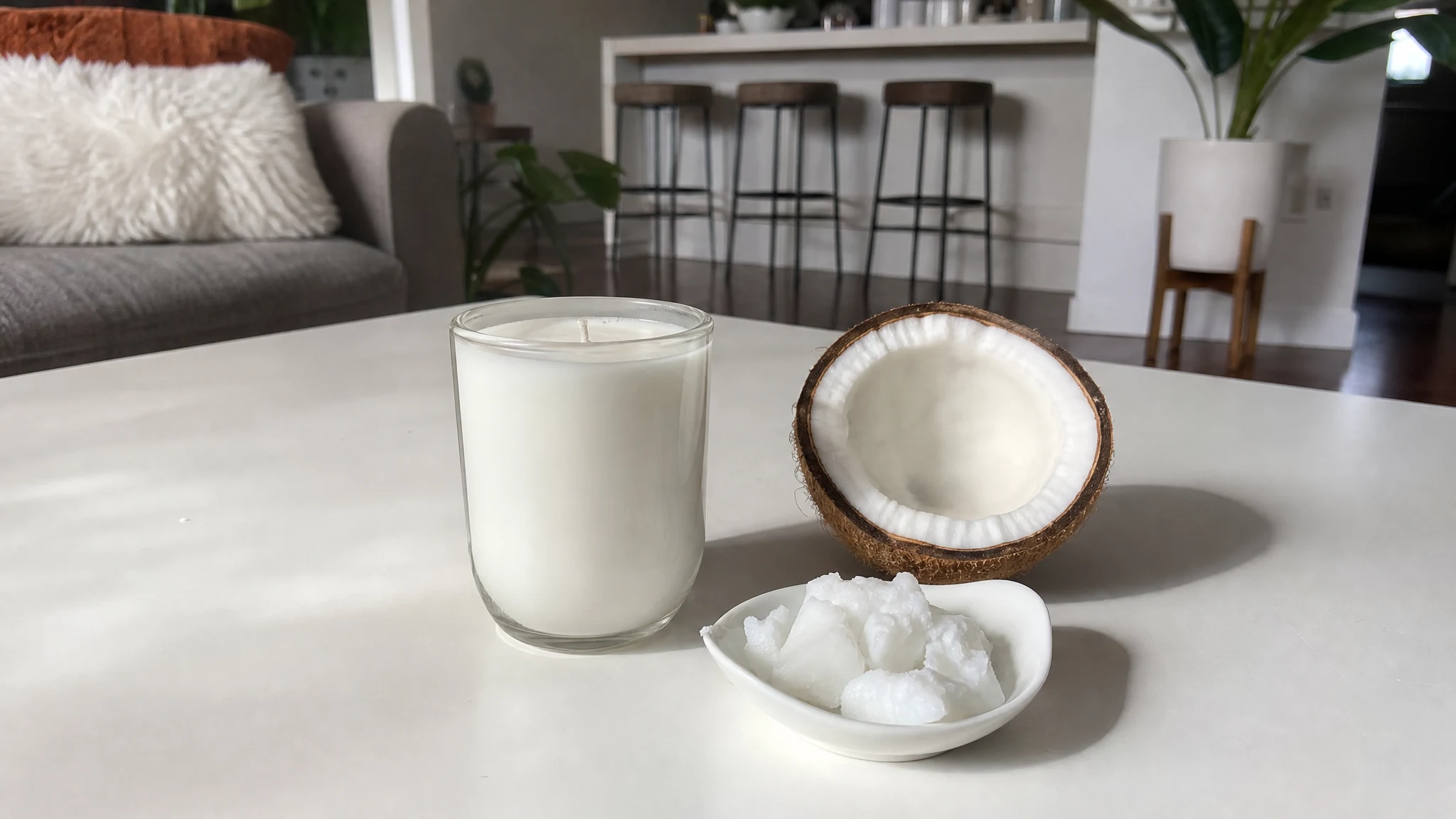
Coconut oil is a skin-softening carrier that spreads easily and holds scent, and that is the role we recommend it for here. You may read that its lauric acid makes a stick act on odor-causing bacteria. A PubMed search on 5 November 2026 did not turn up a trial of coconut oil as an underarm deodorant, so we leave that claim out and let the stick be a good base for scent.
That choice matters for our main product, too. Fractionated coconut oil has most of the lauric acid removed; Healthline's 2019 explainer describes the result as mostly caprylic and capric acid. The certificate of analysis we publish for one fractionated batch lists density, refractive index and optical rotation, so we do not give composition figures for our own oil.
A stick worked out from a published ratio
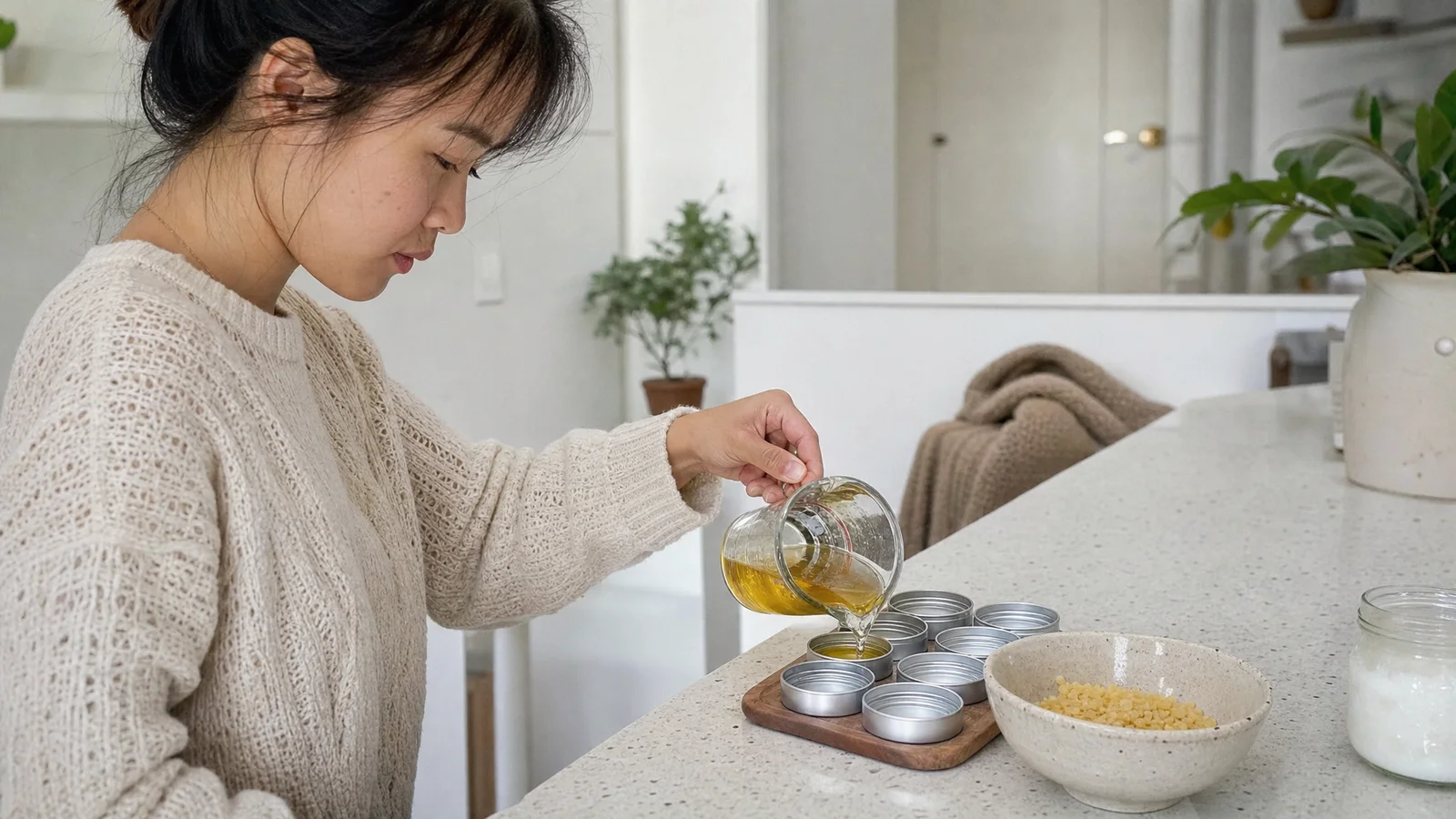
Here is the arithmetic. Hobby Farms (Peacher, 2019) gives one part beeswax to three to five parts oil for balms and sticks. One to four by weight is 20% wax, so a 60 g stick is 12 g of beeswax and 48 g of oil. Virgin unrefined coconut oil is solid below about 76 degrees Fahrenheit, so it suits a firm stick, and our virgin unrefined oil is sold for external cosmetic use. Swapping in some liquid fractionated oil gives a softer stick, so reasoning from the melting behavior, you would move the wax toward the one-to-three end of the range. We do not sell beeswax, so a craft supplier is the place for that.
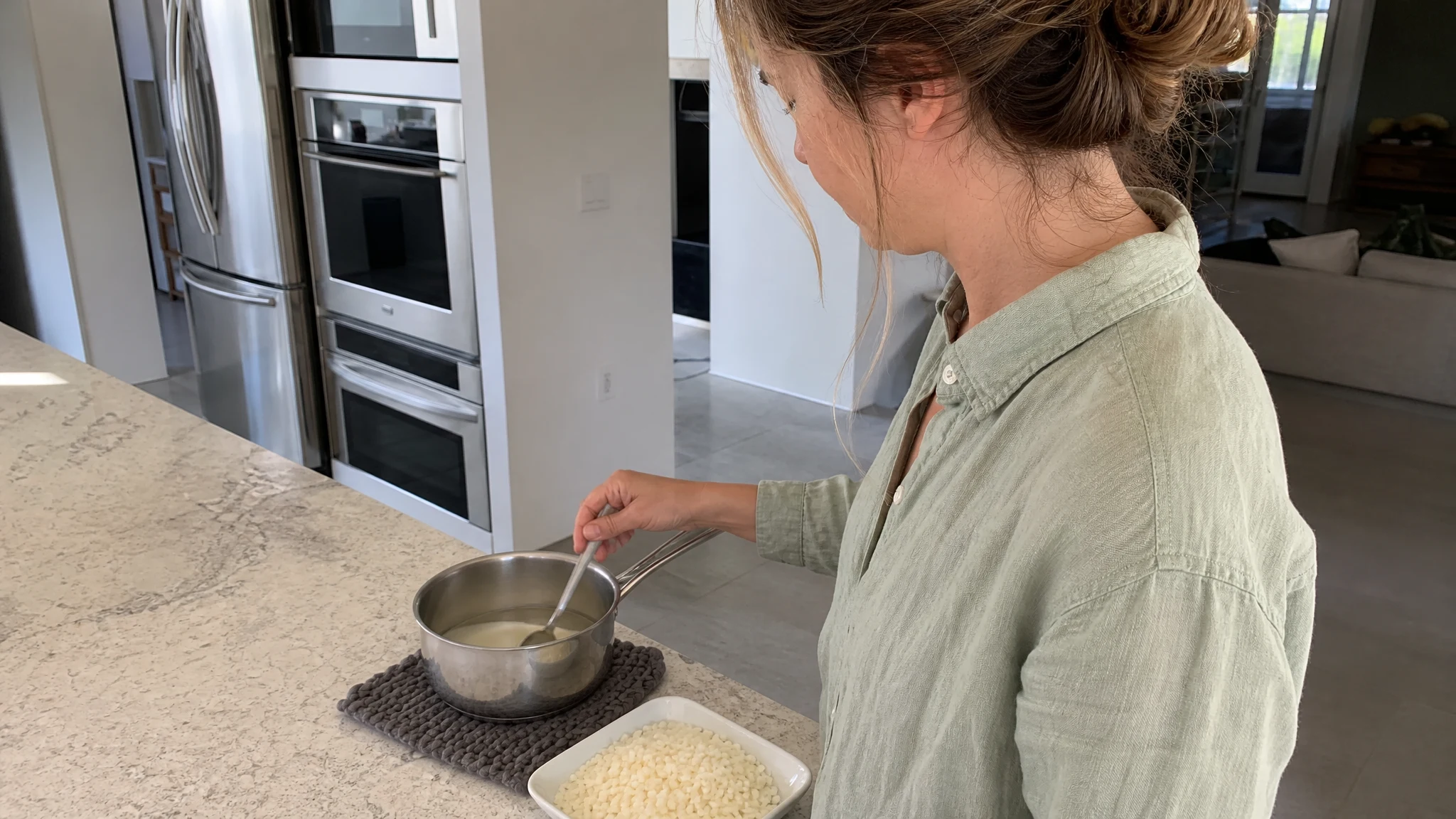
To make it, melt the wax into the oil, let it cool slightly and pour it into a deodorant tube. Set a spoonful on a plate first to judge the firmness, and adjust the wax before you fill the tube.
We give no amounts for baking soda, arrowroot or clay, because we found no source to base them on. For scent, the Tisserand Institute's dilution guidelines list 0.5 to 1.2% for facial products and deodorants. In a 60 g stick that tops out at about 0.7 g of essential oil, and fewer drops is a perfectly good plan. Our dilution guide shows the conversion.
Gentle starts for sensitive skin
Underarm skin is reactive, and a gentle start pays off. A 2024 review in Cutis calls fragrance a ubiquitous ingredient in deodorants and antiperspirants and lists it, with metals and dyes, among common causes of axillary contact dermatitis. Natural does not mean exempt either: a patch-test study of 62,354 patients in North America and Europe found positive reactions to several essential oils, ylang ylang and tea tree among them. Those patients had been sent for patch testing, so the rates do not describe the general public, and they are simply a good reason to begin small.
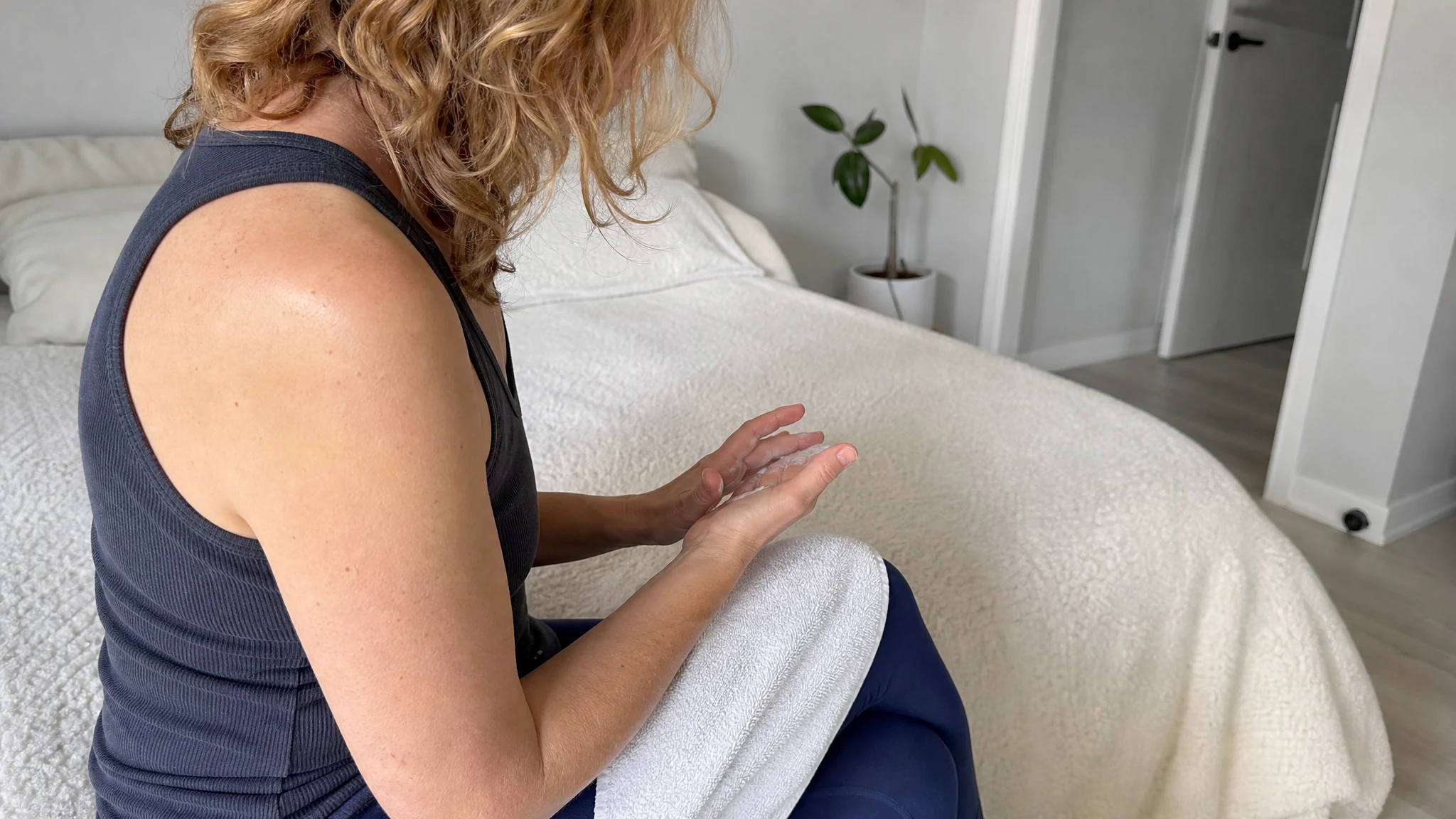
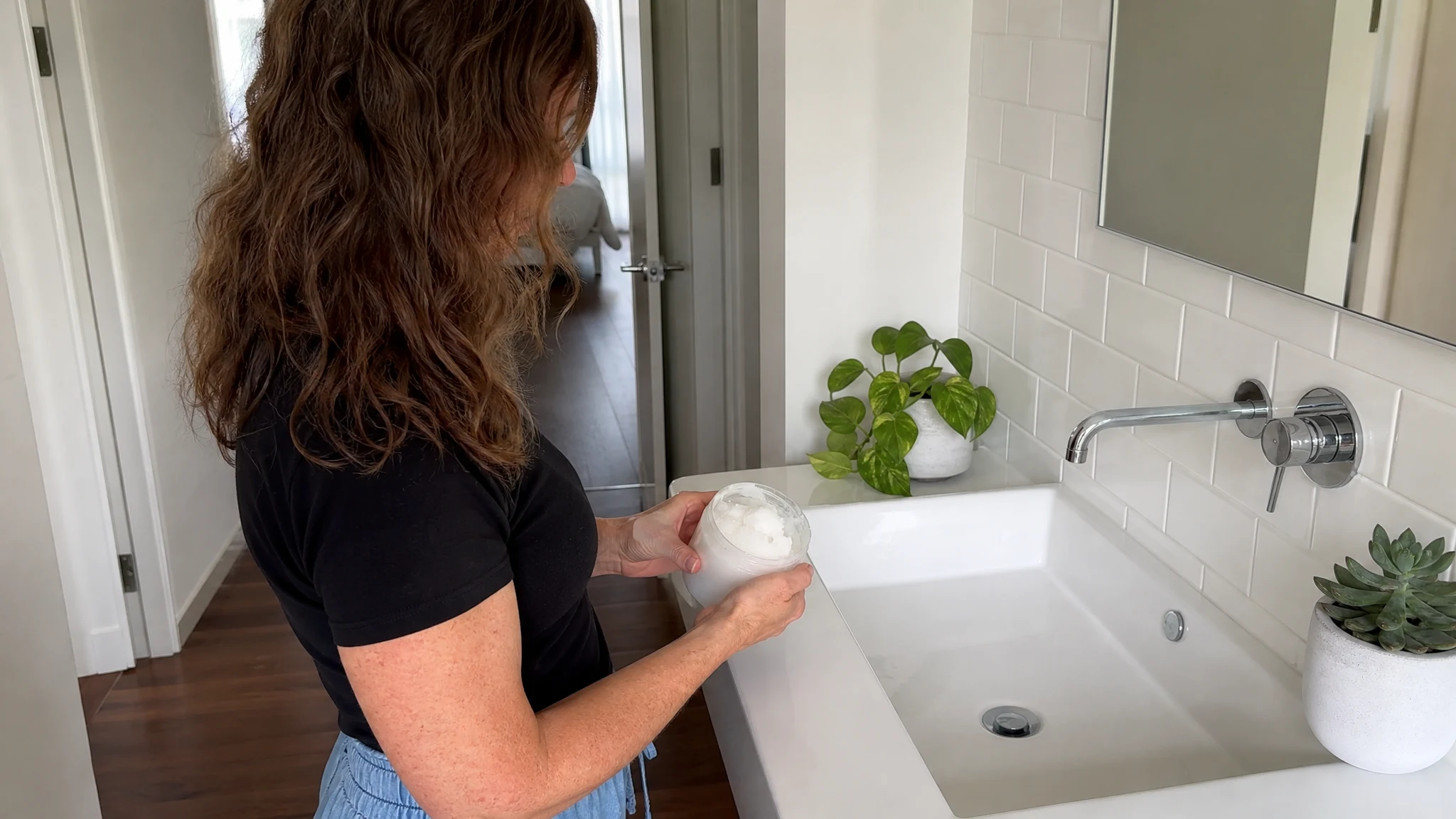
In practice, patch test a small area first, such as the inner forearm, and wait 24 hours as we advise for our fractionated oil. Leave scent out the first time, skip freshly shaved or irritated skin (that part is common-sense reasoning, not a sourced rule), and stop if the skin turns red or itchy.
Scent is where this project is most fun. Open your bottle of oil before you start and decide whether you want the soft coconut aroma to lead or stay in the background, then add fragrance with a light hand. A stick that smells of one thing, quietly, usually feels nicer under a shirt than one with five scents competing.
Who should look elsewhere
If you sweat heavily, if your odor changed suddenly or if the underarm is already rashy, see a doctor or dermatologist rather than a recipe. Anyone with a coconut allergy should check with a professional before use; the FDA no longer treats coconut as a major food allergen, but that is a food-labeling decision. Oil can also mark clothing, which is a laundry note rather than a safety one.
For another project using the same wax ratio, try our coconut oil lotion bars. If you are choosing between our oils for it, virgin versus refined sets out the differences, and our DIY beauty guide has more on matching oil to recipe.
Fractionated Coconut Oil
Fractionated Coconut Oil from our own shop, in sizes from 0.5 oz to bulk.
From $9.99
Shop Now →Sources & Further Reading
- Bawdon D, Cox DS, Ashford D, James AG, Thomas GH, 2015. Identification of axillary Staphylococcus sp. involved in the production of the malodorous thioalcohol 3-methyl-3-sulfanylhexan-1-ol. FEMS Microbiol Lett. pubmed.ncbi.nlm.nih.gov/26163522
- US FDA. Is it a cosmetic, a drug, or both (or is it soap)? fda.gov/cosmetic-drug-or-both
- 21 CFR 350.3, Definitions (antiperspirant). law.cornell.edu/cfr/text/21/350.3
- Healthline, reviewed 17 Oct 2019. What is fractionated coconut oil? (secondary source). healthline.com/fractionated-coconut-oil
- Peacher R, Hobby Farms, 2019. Making balms and salves. hobbyfarms.com/?p=63105
- Tisserand Institute, undated. Dilution guidelines. tisserandinstitute.org/safety/dilution
- Musicante MJ, Cohen DE, Milam EC, 2024. Axillary contact dermatitis: an update on potential allergens and management. Cutis. pubmed.ncbi.nlm.nih.gov/38478935
- Warshaw EM et al., 2017. Positive patch-test reactions to essential oils in consecutive patients from North America and Central Europe. Dermatitis. pubmed.ncbi.nlm.nih.gov/28614106