Coconut Oil for Dog Teeth? Why Brushing Comes First
A dog's breath changes, and the pantry is right there. Coconut oil seems gentle and natural, so it is a short step from "maybe a little on the teeth" to a search for how to do it. The veterinary sources point somewhere more useful and, happily, more doable. Plaque is a film of bacteria that comes off with mechanical action, which is why the profession keeps coming back to the toothbrush.
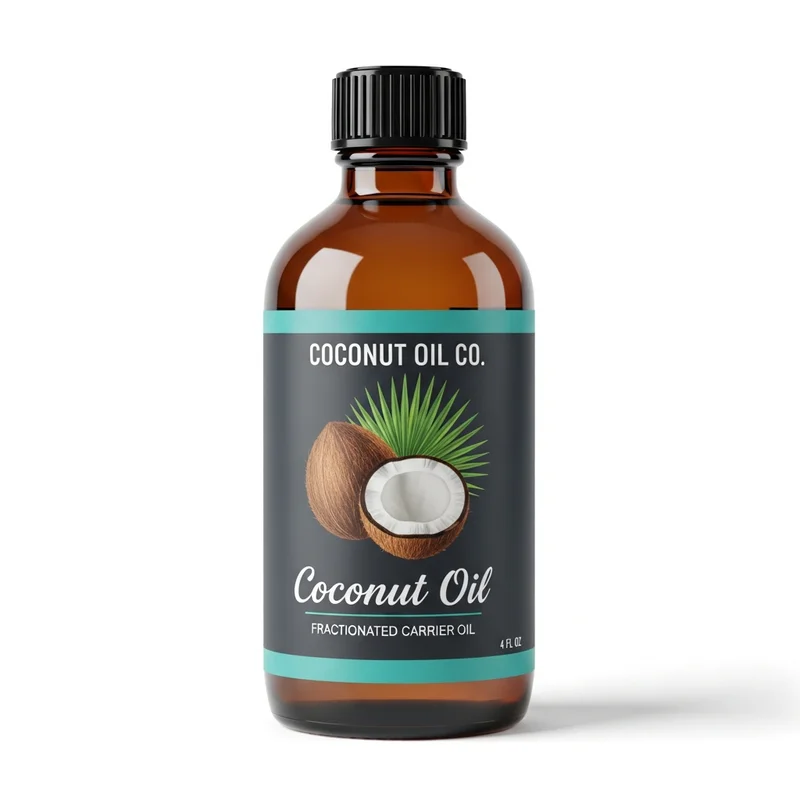
Fractionated Coconut Oil
Our own Fractionated Coconut Oil, in sizes from 0.5 oz to bulk.
From $9.99
Shop Now →Let the breath tell you something
The 2019 AAHA dental care guidelines note that dogs and cats often hide dental pain, and they list bad breath among the signs that can point to untreated dental pain, alongside teeth chattering, weight loss, changes in eating habits, lethargy and changes in behavior (Bellows et al., J Am Anim Hosp Assoc). Reasoning from that list, a coating that only freshens the smell could put off the exam that explains it. If the breath is new or sudden, or comes with any of those signs, a veterinary visit is the first step.

The same guidelines recommend a full dental cleaning, with polishing and radiographs, by 1 year of age for cats and small to medium dogs and by 2 years for larger dogs. They also say owners of a puppy that will weigh under 20 to 25 pounds as an adult should expect a more involved level of dental care.
Why the toothbrush wins
AAHA describes gingivitis, the earliest stage of periodontal disease, as inflammation confined to the gums and commonly set off by bacterial plaque, and says it is reversible and preventable. The route is plaque control: removing the bacteria and keeping them from rebuilding. It follows that a smear of oil over a film that is already stuck to the tooth does little, while a bristle or a textured chew physically disturbs it. Hardened tartar comes off only with professional scaling.
Here is what has a solid evidence trail:
- Brushing. AAHA says it has to be daily to be of benefit, that it removes plaque but not tartar, and that even daily brushing does not replace anesthetized exams and radiographs. The Veterinary Oral Health Council puts it simply: the gold standard is brushing.
- VOHC-accepted products. The VOHC does not test products itself. A council of veterinary dentists and dental scientists reviews data from manufacturers and awards a Seal of Acceptance for plaque, tartar or both. AAHA notes that many products make plaque or tartar claims, and that only the VOHC-accepted ones have met preset standards.
- Chews, sensibly chosen. The VOHC advises matching the chew size to the dog and giving chews only when you can watch, to cut the risk of obstruction, and the AAHA task force sees no strong rationale for hard treats such as antlers or bones.
Read the label on toothpaste
Human toothpaste and homemade mixes can contain xylitol, and dogs react to it very differently from people. The MSD Veterinary Manual lists toothpastes and other oral hygiene products among the sources, and reports that doses above roughly 100 mg per kg have been associated with low blood sugar in dogs, with some dogs eating much more developing severe liver injury. Signs of low blood sugar can appear within 30 minutes. If a dog eats something that might contain xylitol, call a veterinarian or an animal poison control line right away. The easy habit is to check the label on any human product before it goes near a dog, and to keep pet toothpaste for the job.

A simple path
- Breath, appetite, chewing or gums changed? Book a veterinary exam first.
- Healthy mouth? A soft dog toothbrush and a toothpaste made for dogs, introduced gradually, matches the daily routine AAHA describes.
- Dog will not accept a brush? Ask your vet about VOHC-accepted chews or diets, sized to the dog and given under supervision.
- Anything else? Ask the vet or a board-certified veterinary dentist before adding something to the mouth.
If coconut oil is on your mind
Some owners dab a little oil on a brush as a flavor to win over a reluctant dog. We would not call it a cleaning method, since the sources above build the routine on brushing and VOHC products, but a few points are worth raising with your vet first.
- Calories. According to USDA FoodData Central, coconut oil has 892 kcal per 100 g and a tablespoon weighs 13.6 g, so a teaspoon of about 4.5 g is roughly 40 kcal, which counts for a small dog.
- Diet and history. A dog on a prescription diet, or with a history of digestive or pancreatic trouble, should get the vet's approval before any added fat.
- Sore gums. AAHA says brushing teeth with already inflamed gums causes pain and aversion, so red, swollen or bleeding gums call for an exam first.
Where our oils fit
We sell fractionated coconut oil and a virgin unrefined listing, neat and for external cosmetic use. We do not sell pet products and make no claim about either oil for a dog's mouth, teeth, skin or diet, so your veterinarian is the right person to ask about your dog. Our dog guide and our article on dog treats look at other ways owners use coconut oil. If your own teeth are what you are wondering about, the oil pulling article sets out the human evidence, and where fractionated oil fits shows what our oils are made for.
In short: brush daily with a pet toothpaste, ask your vet about VOHC products, and treat new bad breath as a reason for an exam. Your veterinarian can tell you whether coconut oil belongs anywhere in the plan.
Fractionated Coconut Oil
Fractionated Coconut Oil from our own shop, in sizes from 0.5 oz to bulk.
From $9.99
Shop Now →Sources & Further Reading
- Bellows J et al., 2019. AAHA Dental Care Guidelines for Dogs and Cats. J Am Anim Hosp Assoc 55. aaha.org/dental_guidelines.pdf
- Veterinary Oral Health Council, undated. About the VOHC. vohc.org
- Hayes C, Brutlag A, MSD Veterinary Manual, updated June 2025. Xylitol toxicosis in dogs. msdvetmanual.com/xylitol-toxicosis-in-dogs
- US Department of Agriculture. FoodData Central, Oil, coconut (FDC ID 171412, SR Legacy). fdc.nal.usda.gov/171412