DIY Cuticle Oil Pen: One Ingredient, Five Minutes
A cuticle pen is one of the nicest small projects in the oil world: an empty brush pen, a single ingredient and about five minutes. There is no melting and no stirring, which is exactly why the choice of oil matters so much. A pen only works if the oil keeps flowing down a narrow barrel to the bristles, and that is where fractionated coconut oil shines.
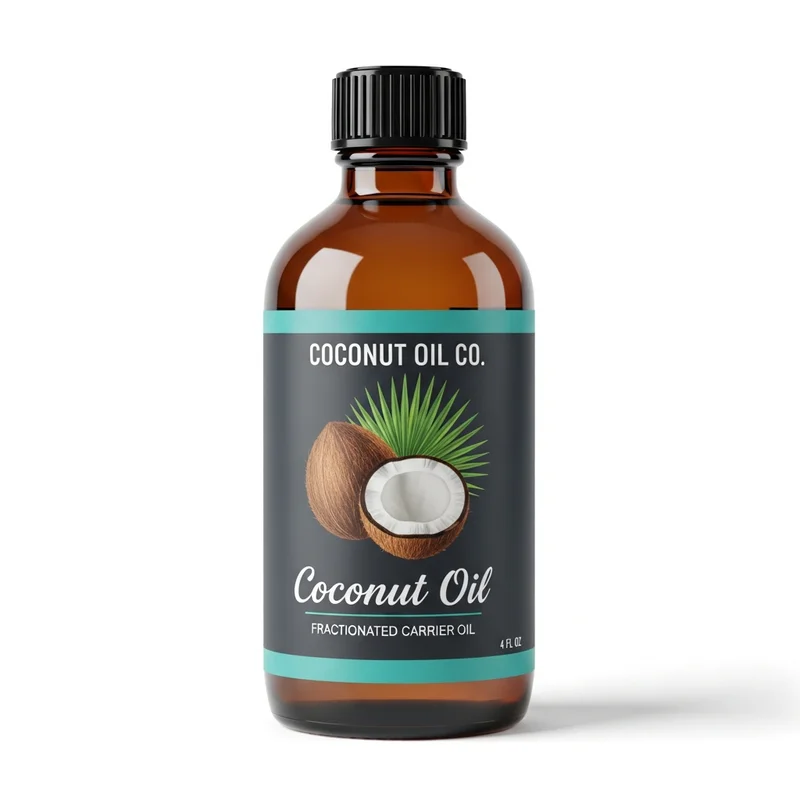
Fractionated Coconut Oil
Our own Fractionated Coconut Oil, in sizes from 0.5 oz to bulk.
From $9.99
Shop Now →Why a liquid oil makes the best pen
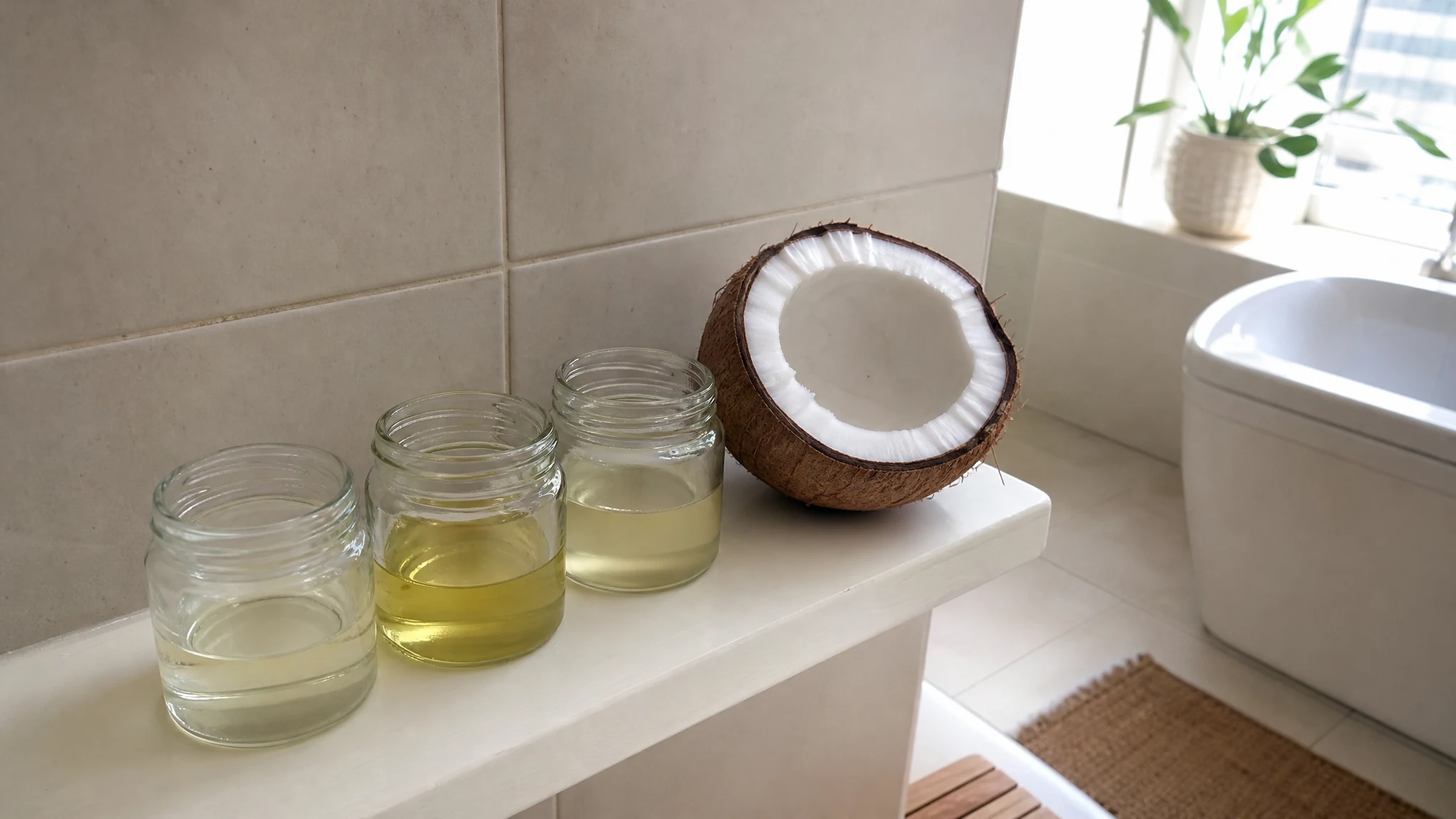
Our fractionated coconut oil stays liquid at any temperature, which makes it a natural fit for something that rides around in a bag or sits on a cool windowsill. We describe it as fast-absorbing and non-greasy, a lovely quality for an oil you will dab along your nail edges and then use your hands. Our virgin unrefined oil is firm in a cool room (we put the change at about 76 degrees Fahrenheit), so in a chilly barrel it can set and the brush stops delivering. It can work in a warm room, but the fractionated oil is the one that behaves like a pen oil.
How much oil a pen holds
Pens differ, so check the capacity printed on yours. As an example, a pen that holds 3 ml takes about 2.8 g of oil at the 0.948 relative density measured for the batch on our published Certificate of Analysis (one fractionated batch, so another batch may differ slightly). A US fluid ounce is 29.57 ml, so a one-ounce bottle fills about ten pens that size. That is a generous supply, which is why a half-ounce or one-ounce bottle is plenty for a pen project. The pens, syringes and caps are yours to source, since we sell the oil only.
If you would like to try the idea first, a drop on a clean fingertip, rubbed along the nail edge after you wash and dry your hands, does the same moisturizing job. The pen simply adds neatness and portability.
Filling it, step by step
- Start with a clean, completely dry pen. Water is the one thing that should stay out of the barrel. The FDA advises against adding water to cosmetic products because it can dilute preservatives and let microbes grow (FDA, microbiological safety, current as of 10/15/2024). Wash the pen with soap, rinse, and let it air dry for a day. Our oil is sold neat with no water in it, and a dry pen keeps it that way.
- Fill with a clean needleless syringe or a dropper, rather than dipping the brush in the bottle. Leave a little headspace so oil does not push out when you twist the cap.
- Wipe the outside and write the date on a label. It is your only record of when the oil went in.
- Store it upright in a cool, dark drawer, the way we recommend for the bottle. The same FDA page notes that warm, damp storage speeds microbial growth, so a hot car or a steamy bathroom shelf is not a good home for it.
We say fractionated oil keeps about 2 years unopened, and that figure belongs to the sealed bottle. A pen with a brush that touches skin is a different story. Reasoning from the FDA guidance, we would treat a pen as a few-month item: refill it from the bottle rather than topping it up, and replace the oil if the smell changes or you see cloudiness or specks.
Using it with nail care in mind
The American Academy of Dermatology advises leaving cuticles alone, because they protect the nail root, and says nails need moisture to stay flexible, since dry nails split more easily. It recommends moisturizing right after washing your hands (AAD, nail care). Putting those together, the pen's best job is to moisturize the skin and nail edge after your hands are washed and dried, rather than to soften the cuticle so it can be pushed back.
- Dry your hands well first; the AAD notes that nails kept wet can develop an infection.
- Brush a thin line along the base and sides of each nail and rub it in with your thumb. Wipe your fingertips afterward, because oil makes a phone slippery.
- For a hangnail, the AAD says to clip it with clean clippers after washing, not to tear it.
- Keep the pen away from your eyes.
Patch test on the inside of your forearm and wait 24 hours, as our fractionated page asks. If you have a coconut or tree nut allergy, check with a professional before use.
Why we stop at one ingredient
Plenty of pen recipes add vitamin E, essential oils or a second carrier. We like the one-ingredient version because it is easy to clean, easy to refill and easy to know exactly what is on your skin. If you want scent, add it in a product where the amounts are written down; our lip balm recipe by weight shows how those measurements look.
A pen moisturizes. It is a cosmetic touch for nail edges, not a treatment for a damaged nail. A 2022 review of common nail disorders points out that nail changes can be a clue to an underlying infection or condition and are not only cosmetic (Ann Med, 2022). So a dark streak, crumbling, a lifting nail, or redness, swelling or pus around the nail fold is a reason to see a clinician first.
For more hand-friendly ideas, our winter skin routine and summer skin care post cover other places a light oil fits, and the beeswax salve guide is the one to try if you would like more hold than a liquid gives. A clean pen, a little oil and freshly washed hands: that is the whole recipe.
Fractionated Coconut Oil
Fractionated Coconut Oil from our own shop, in sizes from 0.5 oz to bulk.
From $9.99
Shop Now →Sources & Further Reading
- American Academy of Dermatology. Nail care secrets: basics. aad.org/nail-care
- US Food and Drug Administration, 2024. Microbiological safety and cosmetics. fda.gov/microbiological-safety
- Optimal diagnosis and management of common nail disorders, 2022. Ann Med. pmc.ncbi.nlm.nih.gov/PMC8896184