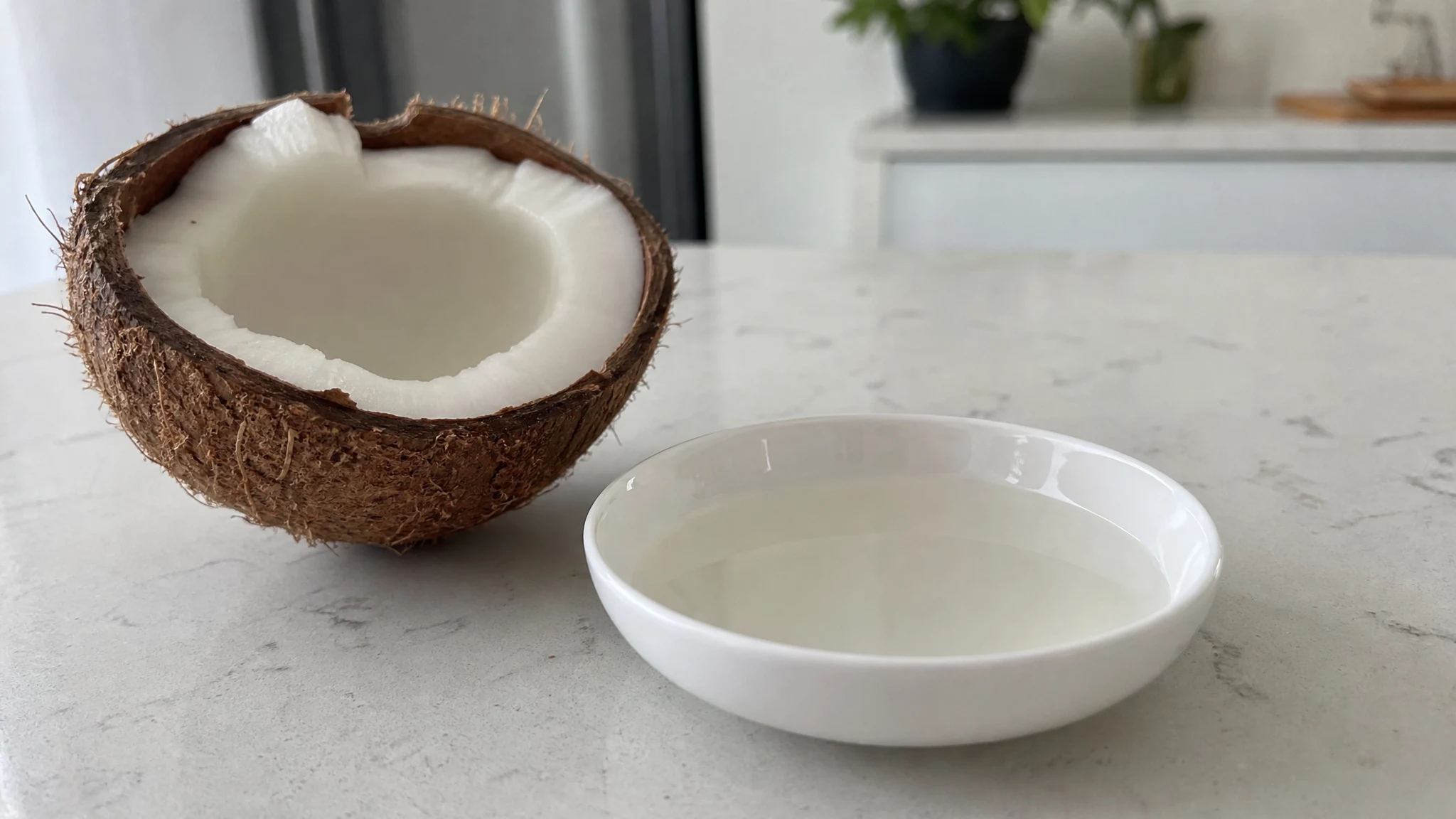
Cold-Pressed Coconut Oil: What the Label Means
How virgin coconut oil is made by wet and dry methods, what that does to freshness, and the questions to ask about a cold-pressed label.
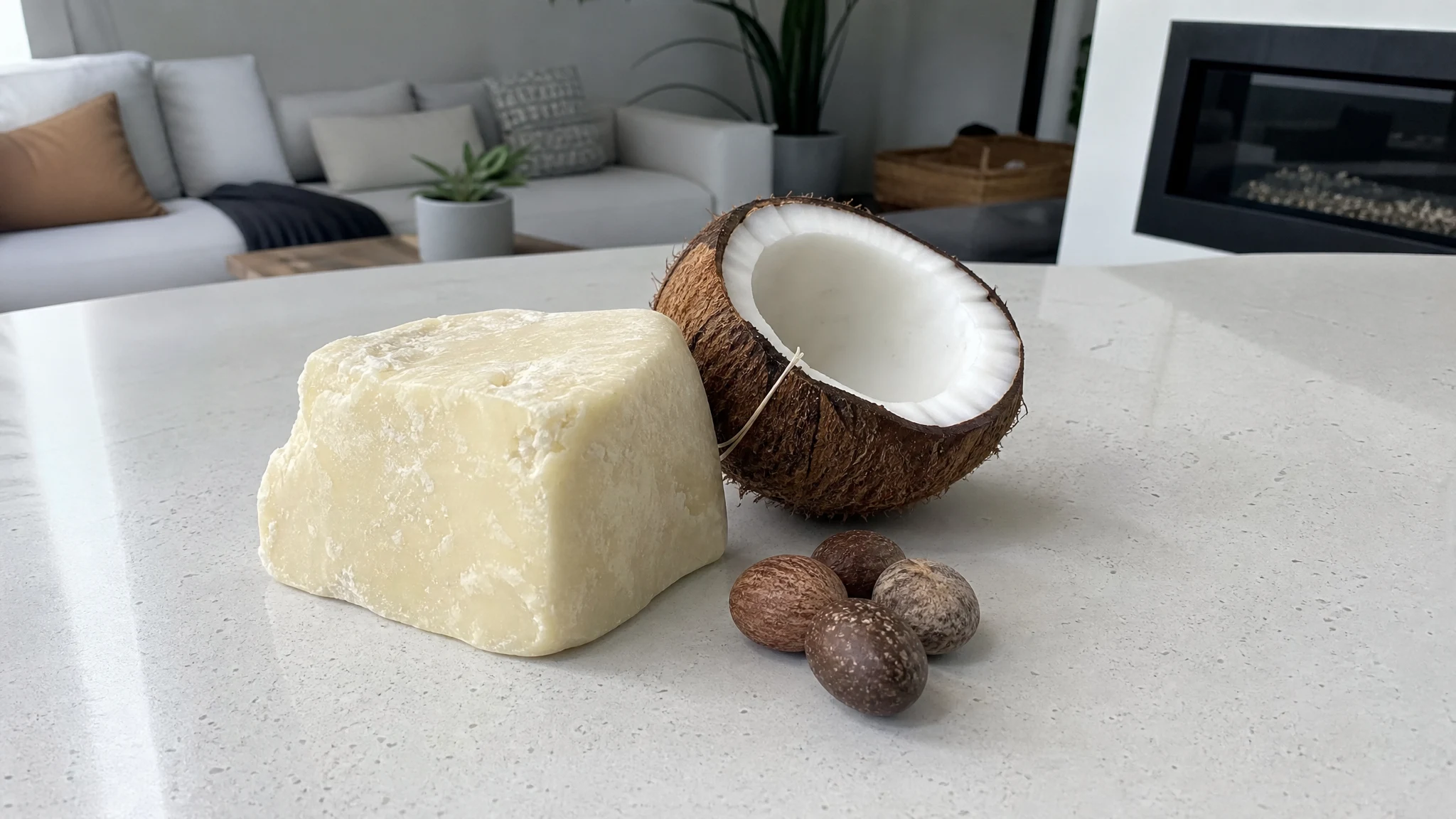
Shea Butter vs Coconut Oil: Which Should You Use?
One scoops, one pours. We compare shea butter with coconut oil by texture, scent, blending and job, so you can pick the right base for your project.
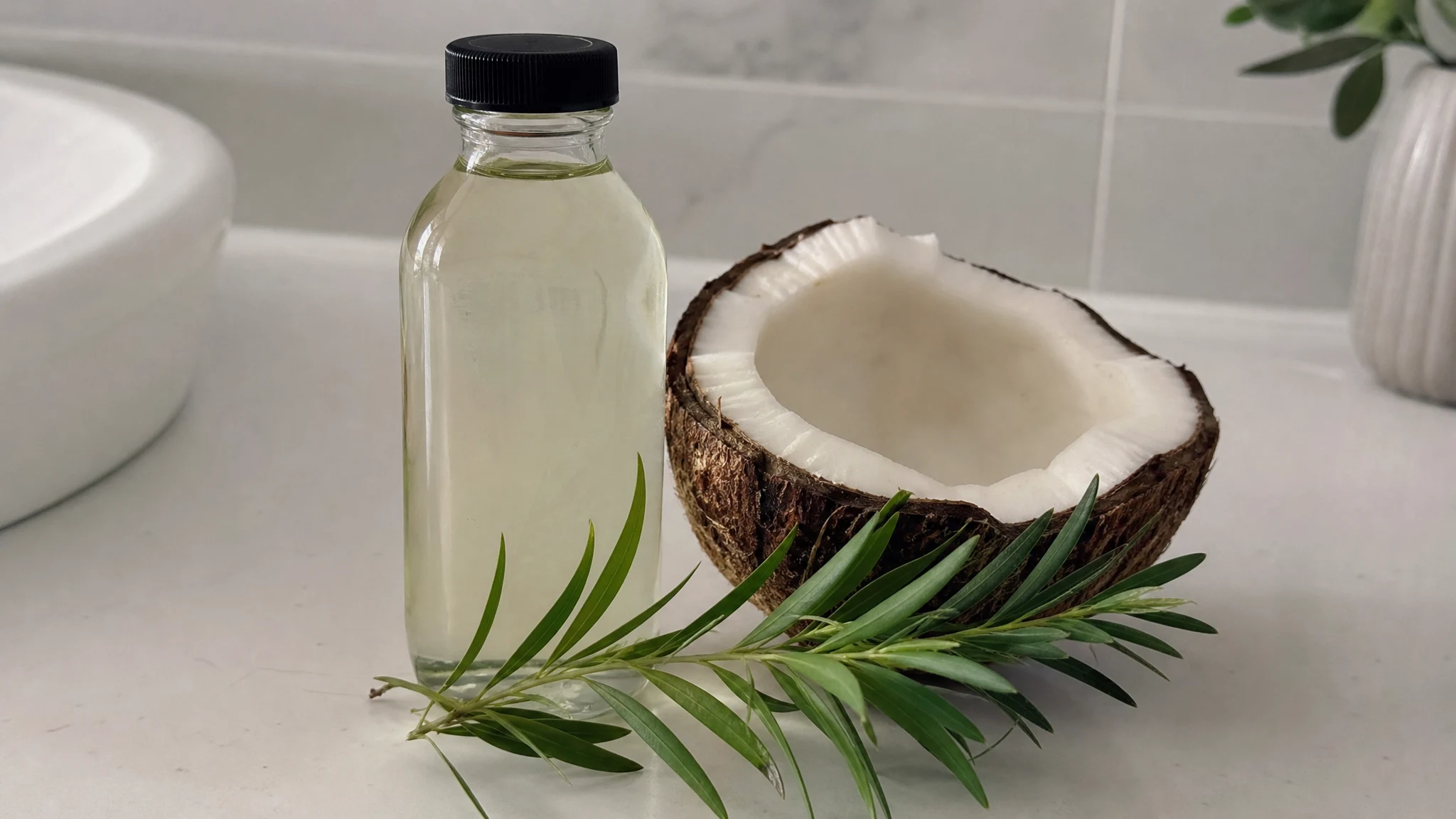
Tea Tree Oil or Coconut Oil: What Each One Does
Tea tree is the ingredient studied; coconut oil is the carrier that blends it. See what the trials used and how to choose a base.

How Is Coconut Oil Made? Copra, Wet Press, Fractionation
Dried or fresh, pressed or fermented, fractionated or not. Follow coconut oil from nut to bottle and learn which route suits the job you have.
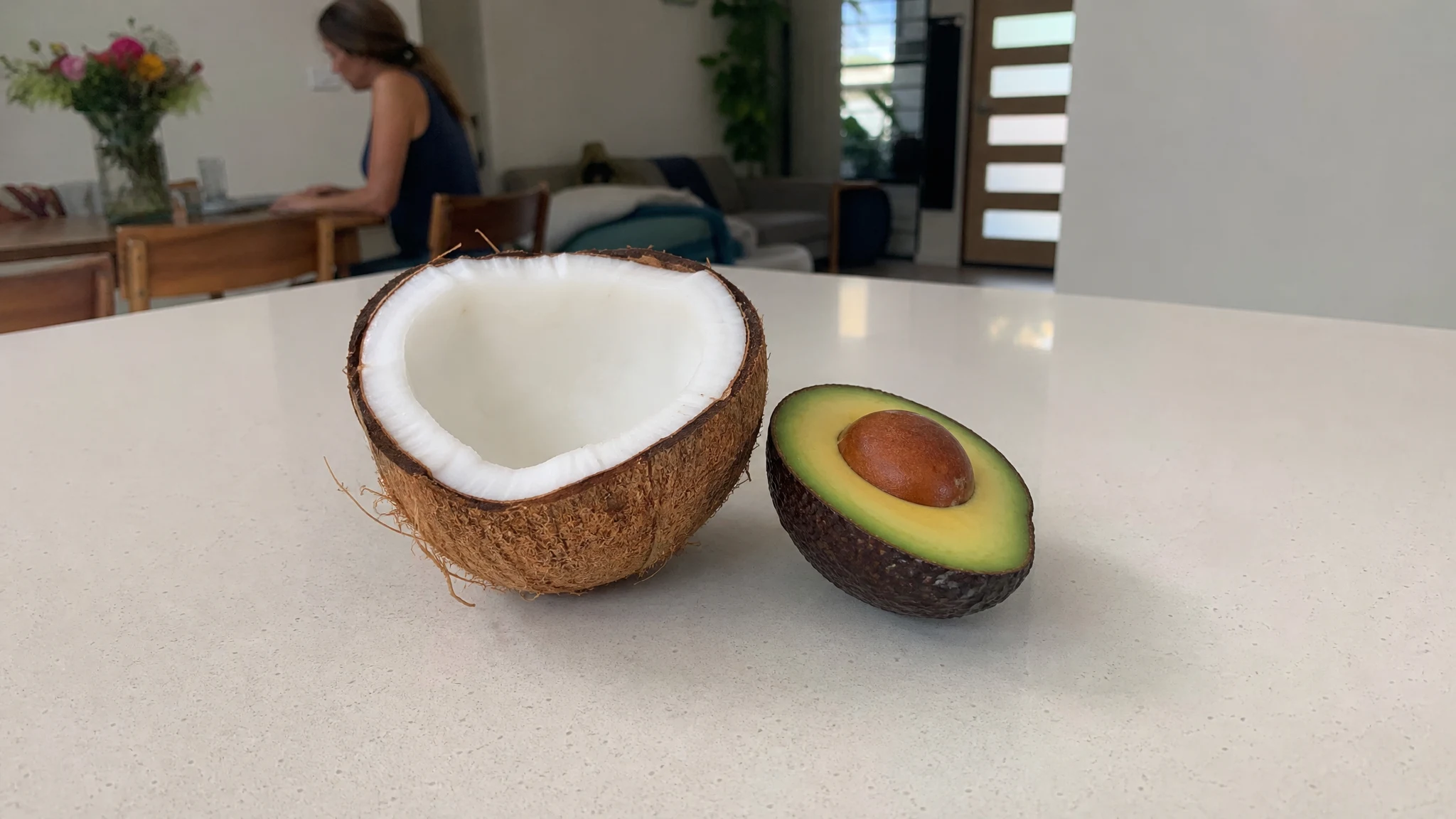
Coconut Oil vs Avocado Oil: Solid or Pourable?
One oil sets firm and the other pours, and that decides most kitchen and skin-care jobs. Here is how coconut and avocado oil compare, job by job.
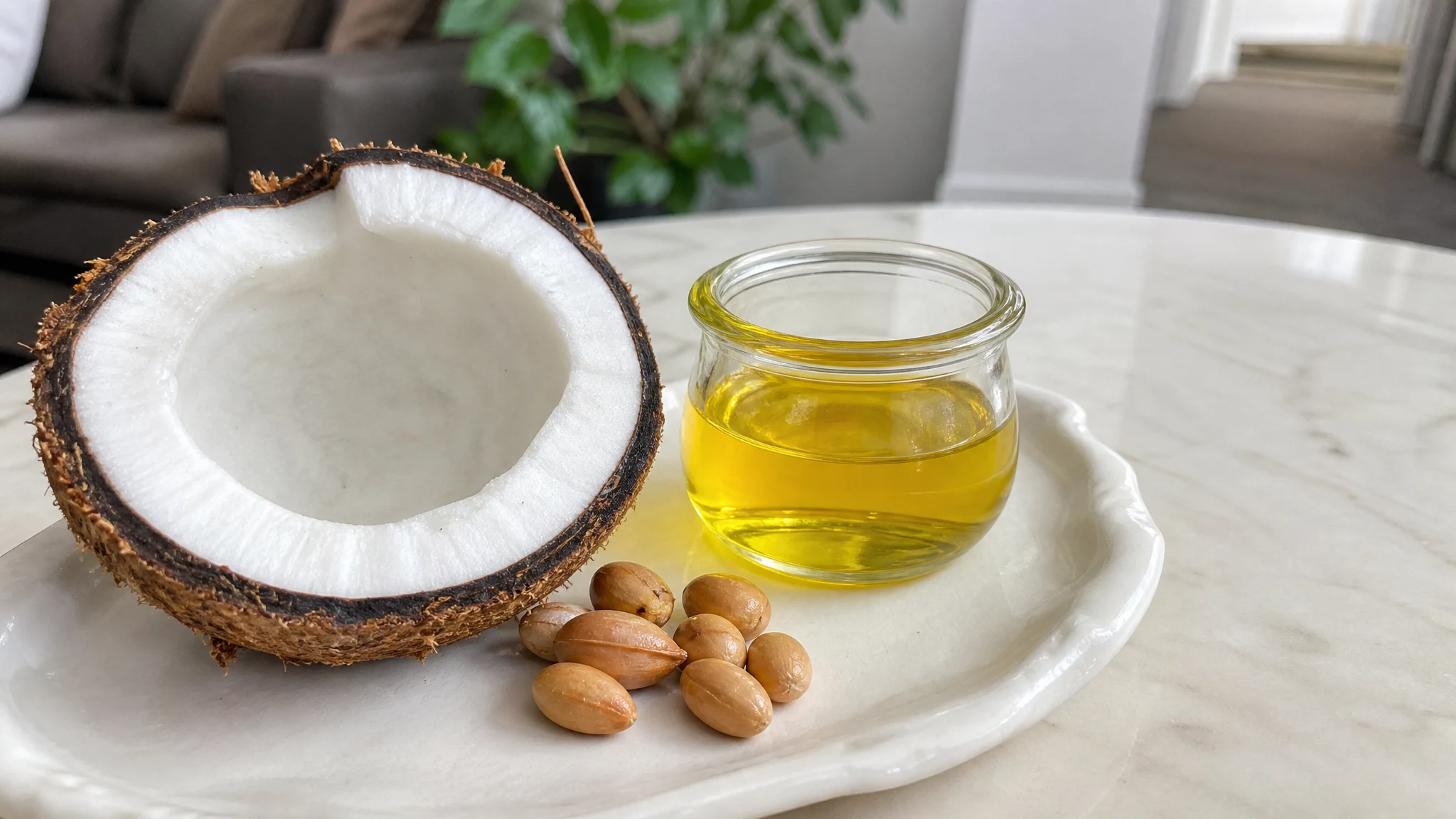
Jojoba vs Coconut Oil: Liquid Wax or Fat?
Jojoba is a liquid wax and coconut oil is a true fat, and that one difference shapes scent, feel, blending and which bottle suits your project.
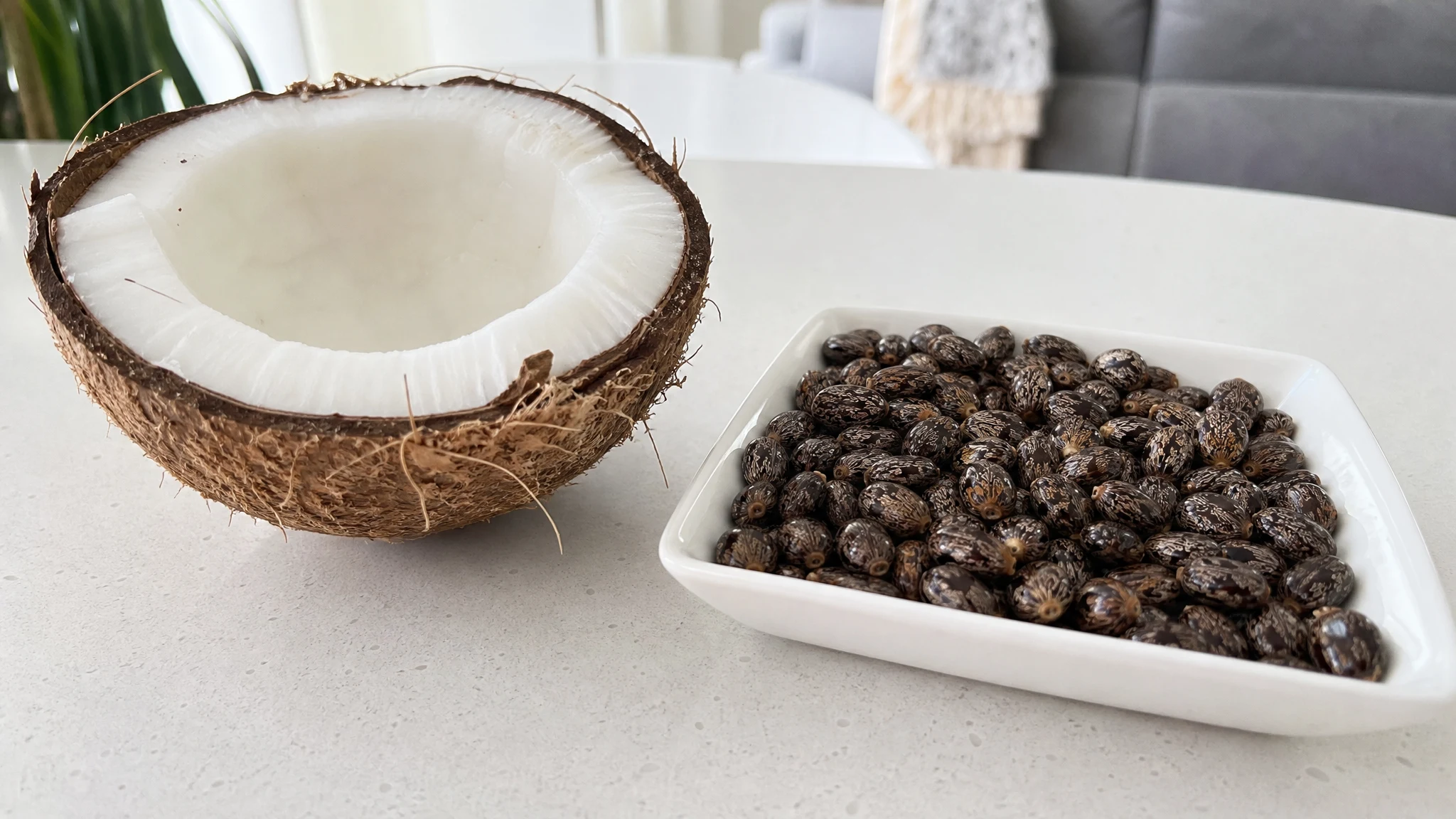
Coconut Oil vs Castor Oil for Hair: Gloss or Light?
Castor offers a glossy, weighty finish and coconut a lighter feel with the better-studied result on the strand. Here is how to choose for your hair.
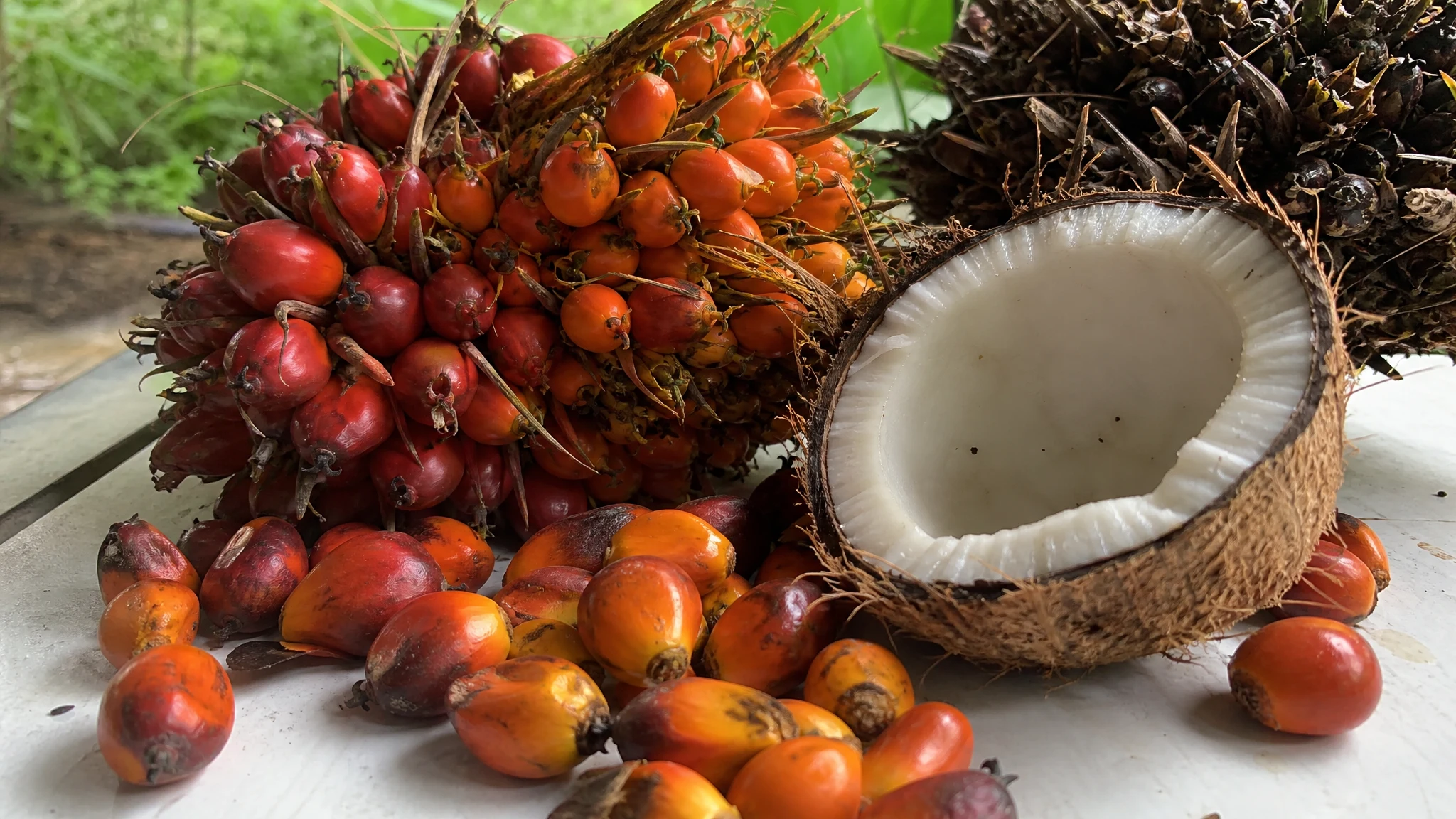
Coconut vs Palm Oil: Is Coconut Really Kinder?
Coconut or palm: land use, the palm kernel oil twist, and the botanical name that tells you what is really in the bottle.
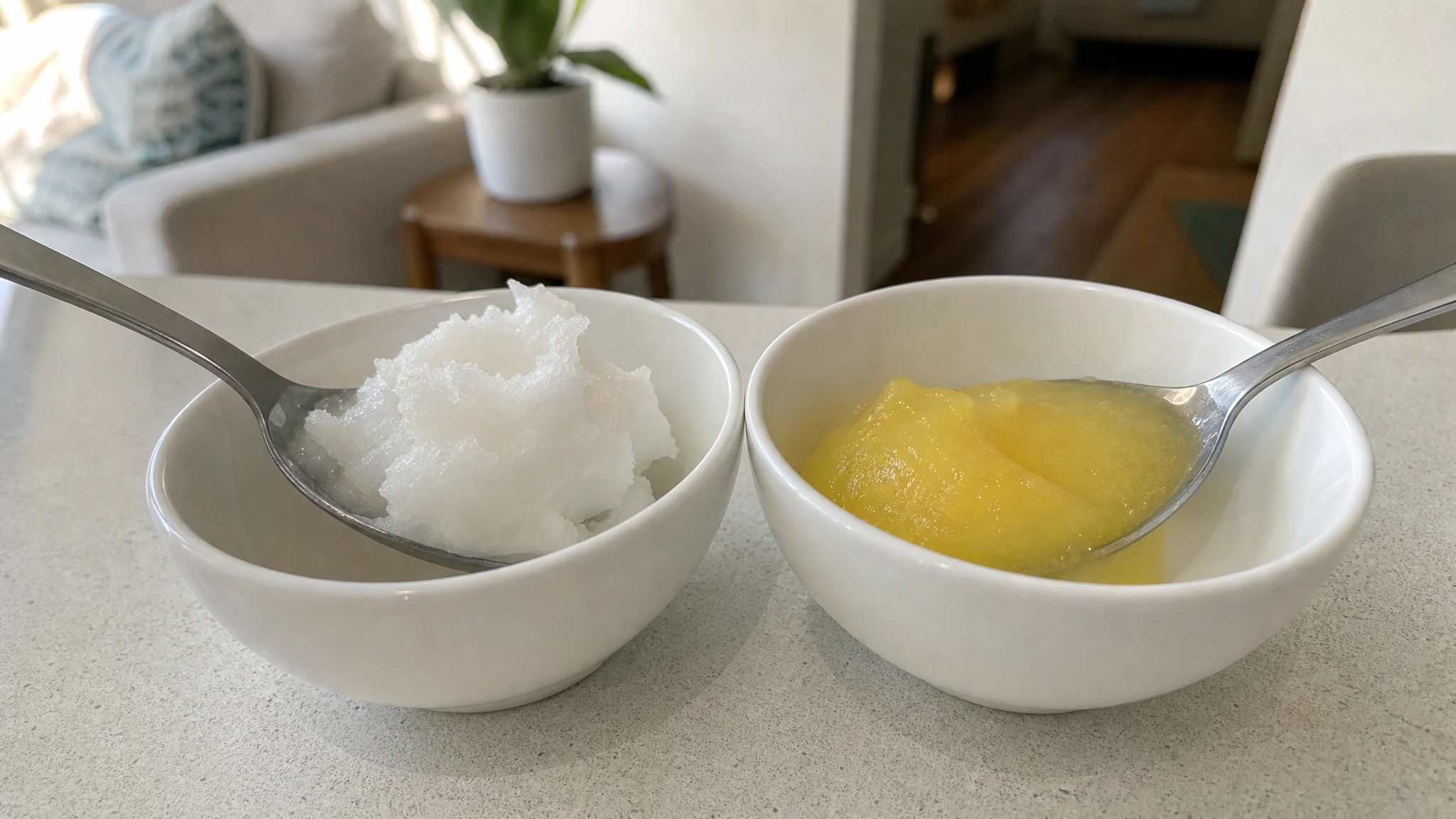
Coconut Oil vs Ghee: Dairy, Flavor and Heat
Ghee and coconut oil hold almost the same fat by weight but taste and suit tables differently. Here is how to choose for dairy, flavor and pan heat.
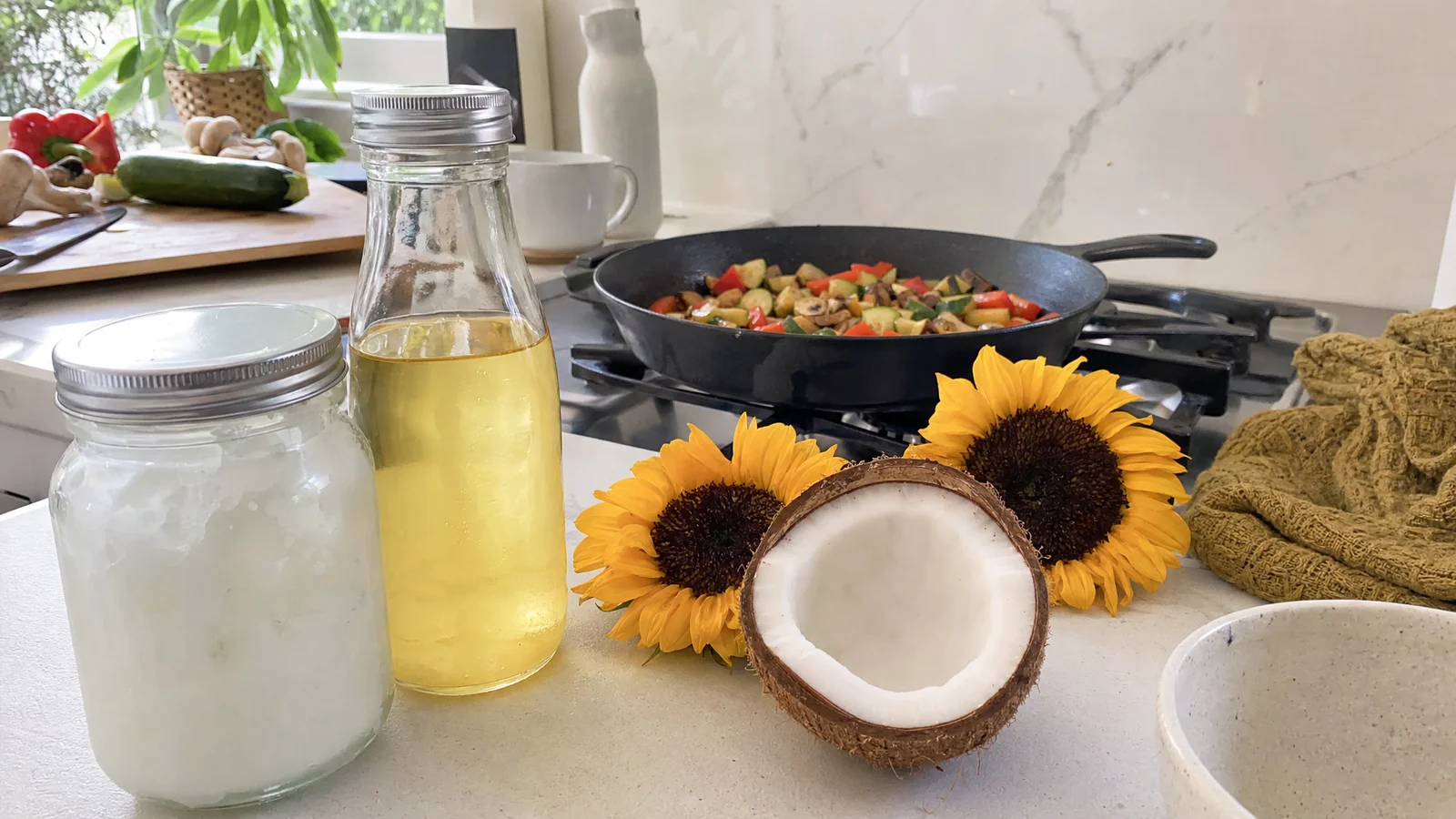
Sunflower or Coconut Oil? Know Your Bottle First
Not all sunflower oil is alike: linoleic and high-oleic types differ a lot. We compare each with coconut oil in the pan, in baking and in personal care.
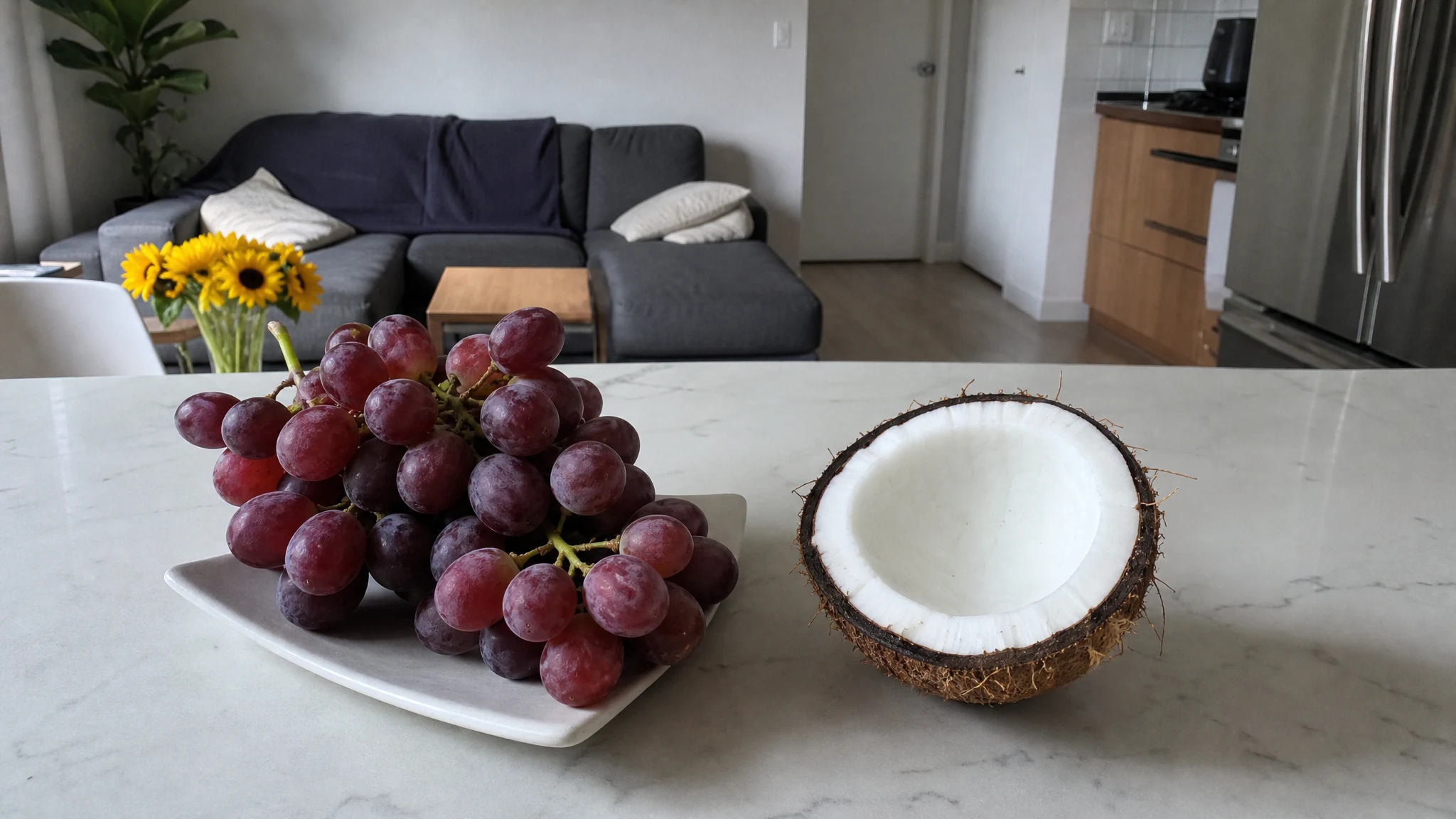
Coconut Oil vs Grapeseed Oil: Two Kinds of Light
Both oils are called light, but one is mostly linoleic acid and the other mostly saturated. Here is how they differ on shelf life, skin and hair.
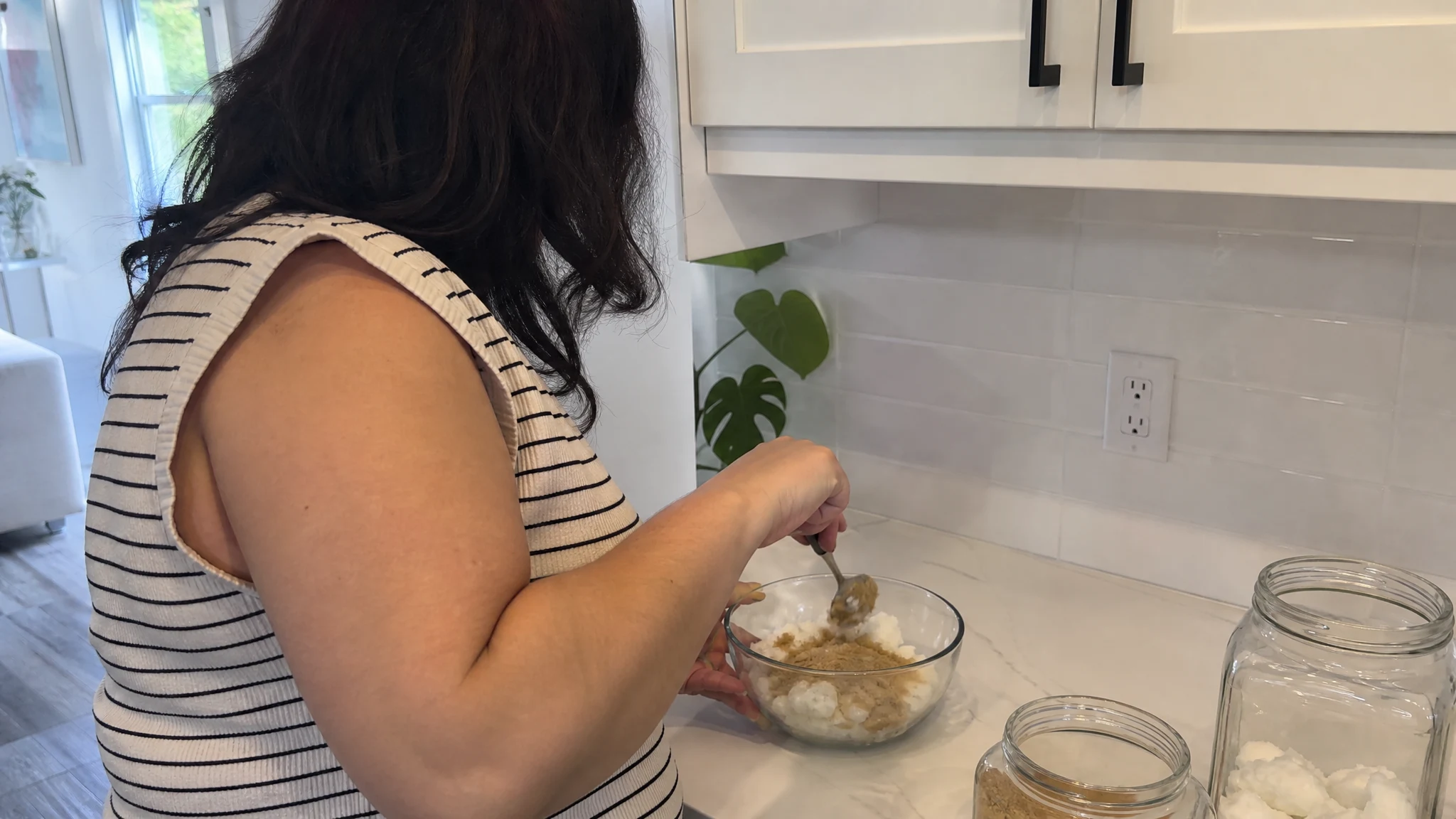
Coconut Oil Sugar Scrub: Getting the Texture Right
One part oil to two parts sugar is the starting point. See how fractionated and virgin coconut oil change the texture, and five ways to scent the jar.