Ylang Ylang and Sweet Orange Body Oil: The Drop Math
Ylang ylang is the heavy, creamy floral that smells like a warm evening with a sea breeze. Sweet orange is the sunny, juicy counterpoint that keeps all that sweetness from turning syrupy. Stir the two into coconut oil and you have the Islander Blend, a light tropical body oil that smells far more expensive than three ingredients suggest. The one thing worth settling before you pour is how much of each to use, because ylang ylang is a generous oil and a little goes a long way.

Fractionated Coconut Oil
Our own Fractionated Coconut Oil, in sizes from 0.5 oz to bulk.
From $9.99
Shop Now →Jar or bottle? Pick your coconut oil first
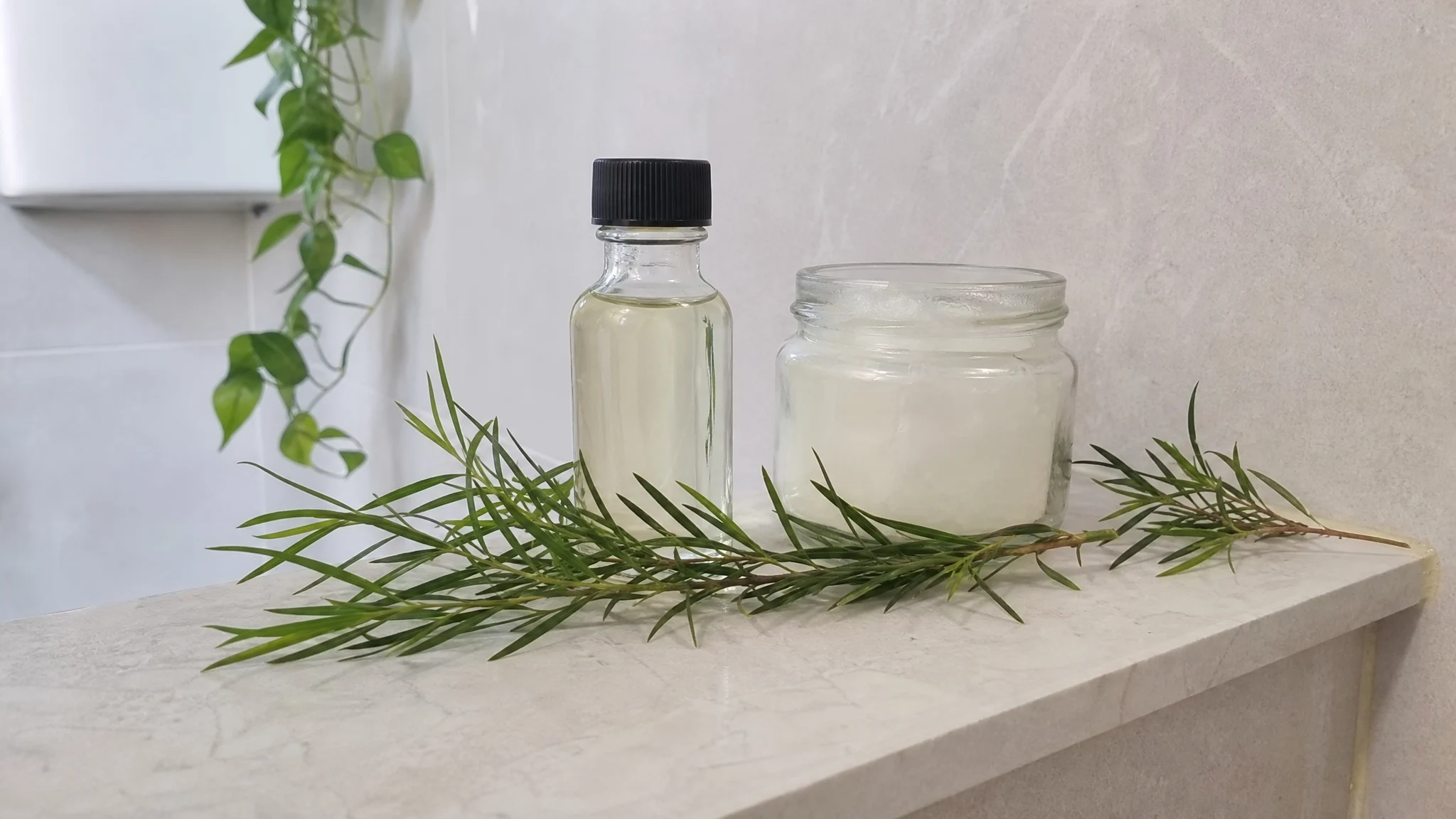
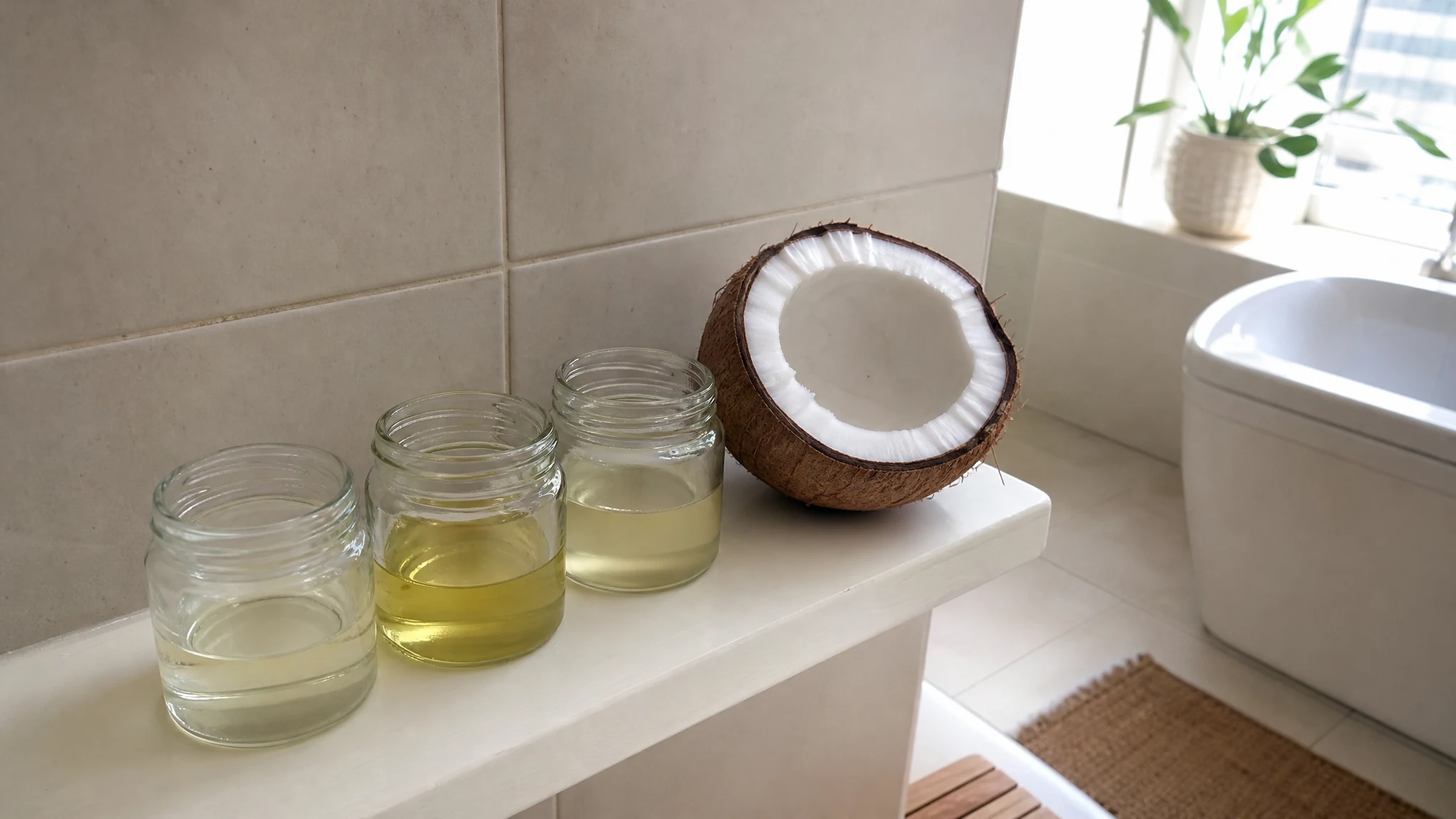
Coconut oil comes in forms that behave very differently, so the container you have in mind decides where to start. For a pump bottle, a roller or a small dropper bottle, you want an oil that pours at any room temperature. That is what our fractionated coconut oil is for: it stays liquid, absorbs quickly, and we describe it as virtually odorless, so the two essential oils are the only perfume in the bottle. It is also the one we list for roll-on blends.
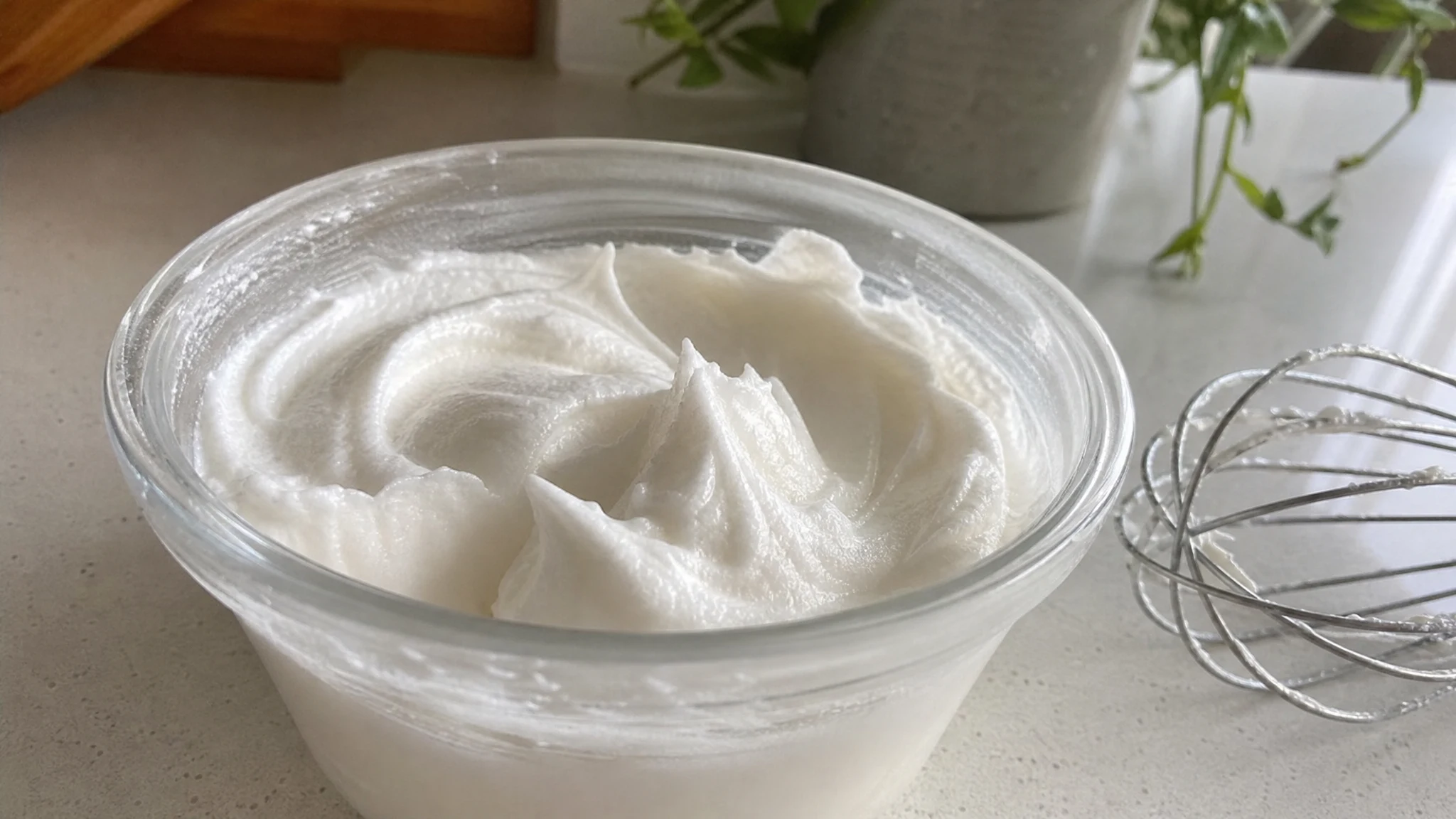
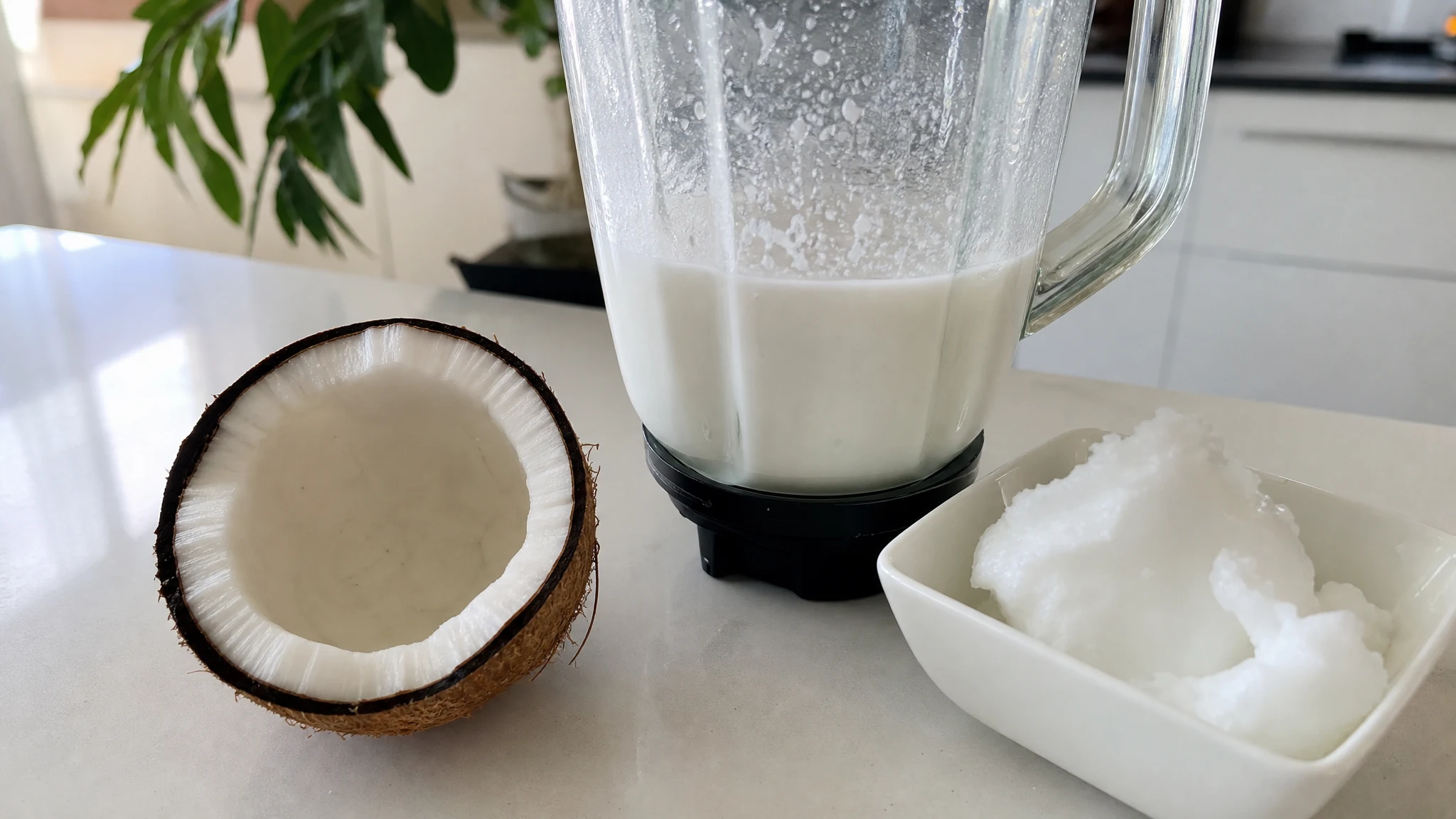
If you picture a soft, scoopable body butter in a jar, our virgin unrefined coconut oil is the better fit. It firms up in a cool room, melts as soon as it meets warm hands (it softens at about 76°F), and brings its own unmistakable coconut aroma. We list sweet orange and ylang ylang among the oils that pair well with it, and the result smells like a beach holiday more than a perfume, with a texture that shifts with the weather. Neither choice is better. It comes down to a clean canvas or a coconut-forward one, and this comparison of virgin and refined lays out the differences. We sell the carrier oils, so pick up the ylang ylang and sweet orange from the essential oil supplier you prefer.
Let ylang ylang set the ceiling
Ylang ylang has the strongest personality in the bottle, and it is also the one with the most documented skin reactivity, so it is the oil that sets the limit. Everything else is built around it. In an analysis of 62,354 patients who were patch tested for essential oils, ylang ylang produced positive reactions in 1.1 percent of patients in North America and 2.4 percent in Central Europe (Warshaw et al., Dermatitis, 2017). Those patients had been referred to dermatology clinics, so the numbers do not describe the general public, but they explain why ylang ylang turns up on patch-test panels at all. The aromatherapy educator Robert Tisserand, who describes it as one of the more skin-reactive essential oils, says he goes along with the IFRA guideline of 0.8 percent (Tisserand, 2011).
Take 0.8 percent as the ylang ylang budget. An ounce is about 30 ml, and at the usual planning figure of around 20 drops per milliliter that is roughly 600 drops, so 0.8 percent is about 5 drops. Four drops keeps you comfortably under, and because ylang ylang is so aromatic, 4 drops in an ounce is plenty to be unmistakable.
The recipe, in drops
Orange is the easy-going half of the pair, so it gets the larger share. A ratio of one part ylang ylang to two parts sweet orange keeps the floral note as the heart of the scent while orange lifts the top. For a 30 ml bottle:
- Everyday body oil, about 1 percent total: 2 drops ylang ylang and 4 drops sweet orange. This is the lovely place to begin.
- A more fragrant oil, about 2 percent total: 4 drops ylang ylang and 8 drops sweet orange. Ylang ylang comes to about 0.7 percent, still inside the 0.8 guideline.
The Tisserand Institute lists 1 to 3 percent as the working range for body oils and lotions, 0.5 to 1.2 percent for facial products and 0.2 to 1 percent for sensitive or compromised skin (Tisserand Institute dilution guidelines). With a 1:2 ratio, stepping up to 3 percent would mean 6 drops of ylang ylang, which is above the ceiling, so 2 percent is the practical top for this blend, intended for adult body skin and not the face. If you want the scent louder, add one more drop of ylang ylang at most, or simply smooth on a little more of the 1 percent oil. The arithmetic is ours, worked out from the published ranges, and our dilution guide shows how to convert drops to percent for other bottle sizes.
Use a small dark glass bottle. Add the essential oils to the coconut oil, cap it, and roll it gently between your palms to mix. Label it with the date and the percentage. Before the first full use, dab a little on your inner forearm and wait a full day. We ask for a 24-hour patch test with our fractionated oil, and a scented blend deserves the same.
Why sweet orange likes a cool cupboard
Sweet orange oil is mostly limonene, the bright molecule that makes citrus smell like citrus. Limonene reacts with oxygen over time, and its oxidation products are recognized contact allergens: a study that patch tested 2,900 consecutive dermatitis patients with oxidized limonene describes it as a common fragrance allergen (Bråred Christensson et al., Contact Dermatitis, 2014). The practical answer is pleasantly simple: blend with fresh orange oil. The Tisserand Institute notes that essential oils generally keep for at least one to two years before oxidation sets in, that refrigeration roughly doubles that, and that air in the bottle speeds it up (Tisserand Institute). So buy the smaller bottle, close it promptly, keep it somewhere cool and dark, and use the orange first.
If the blend will be worn on skin that is going to be in the sun, ask your supplier for the IFRA certificate for the exact orange oil you bought. It is a quick check, and it answers the question for that specific oil.
Who this blend suits, and who should skip it
The Islander Blend is a fragrant body oil for adults, and it suits anyone who enjoys scented products and whose skin has been comfortable with them. A few groups are better served by an unscented coconut oil instead:
- Anyone with a known fragrance allergy or a history of reacting to essential oils. This blend puts two well-documented fragrance allergens in one bottle.
- Children and households with pets. Poison Control notes that children have thin skin and immature livers that might make them more susceptible to essential oils (poison.org), and the ASPCA says cats are especially sensitive to essential oils (ASPCA, 2020). Keep the bottle out of reach, and call Poison Help at 1-800-222-1222 if anyone swallows some.
- Anyone who is pregnant or managing a medical condition. Check with your doctor, midwife or pharmacist before using essential oils.
- Anyone with a coconut allergy. Ask a professional before using either coconut oil.
This is a fragrance and a body oil for external cosmetic use, and made as above it is a lovely small thing to give. Our handmade gift ideas have a few more in that spirit, and our plain-English guide to fractionated coconut oil explains why it suits blends like this.
Fractionated Coconut Oil
Fractionated Coconut Oil from our own shop, in sizes from 0.5 oz to bulk.
From $9.99
Shop Now →Sources & Further Reading
- Warshaw EM et al., 2017. Positive patch-test reactions to essential oils in consecutive patients from North America and Central Europe. Dermatitis. pubmed.ncbi.nlm.nih.gov/28614106
- Tisserand R, 2011. Question and answer: ylang-ylang safety. roberttisserand.com
- Bråred Christensson J et al., 2014. Positive patch test reactions to oxidized limonene: exposure and relevance. Contact Dermatitis. pubmed.ncbi.nlm.nih.gov/25099087
- Tisserand Institute. Dilution guidelines. tisserandinstitute.org/safety/dilution
- Tisserand Institute. Oxidized essential oils. tisserandinstitute.org/learn-more/oxidized
- Poison Control (poison.org). Essential oils. poison.org/articles/essential-oils
- ASPCA, 2020. Pet poisons: be mindful of these household products and cleaning agents. aspca.org/news