Homemade Coconut Oil Gifts That Skip the Water
The best handmade coconut oil gifts share one quiet trait: nothing in the jar but oil, wax or sugar, and maybe a drop of scent. That is the secret to a present that still looks and smells lovely months later. Sort your gift ideas by what goes in the jar, and a long list shrinks into four or five dependable recipes wearing different labels.
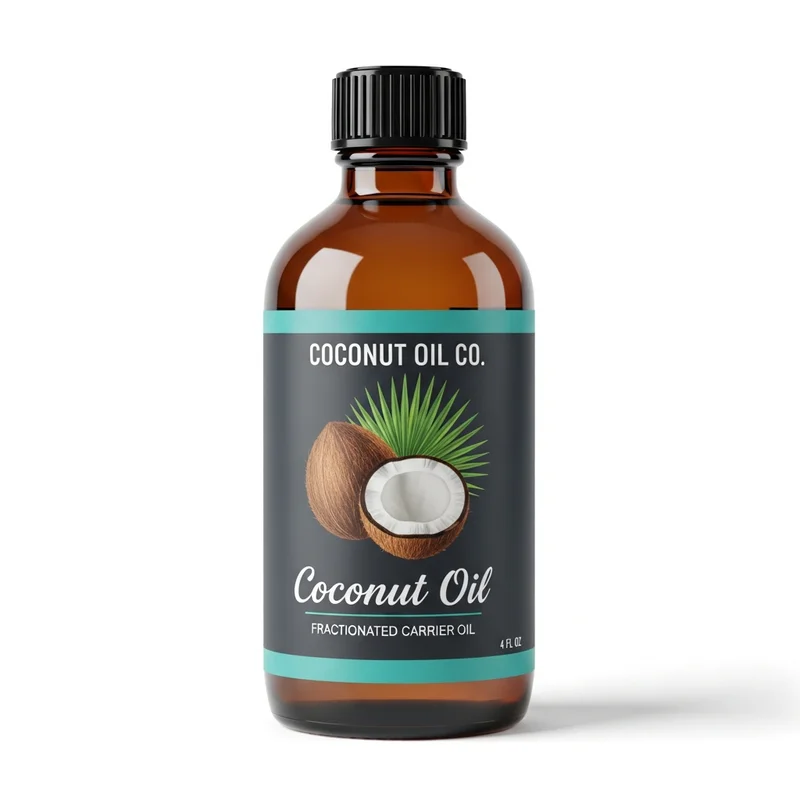
Fractionated Coconut Oil
Our own Fractionated Coconut Oil, in sizes from 0.5 oz to bulk.
From $9.99
Shop Now →Why water-free makes the happiest gifts
Anything with a water phase, such as lotions, whipped creams made with water, masks and sprays, needs a proper preservation system. The FDA's page on microbiological safety and cosmetics lists contaminated water among the sources of contamination, names ineffective preservation as a risk, and tells consumers not to add water to cosmetic products because it weakens the preservatives. It is written about commercial products, but the logic carries into a kitchen.
So our recommendation for gifting is to stay water-free. Lotion bars, solid balms, massage oils, sugar scrubs and simple oil blends all qualify, and they are the most fun to make. A toner, lotion or bath soak with water in it is a project for someone formulating and preserving properly, and a rather different afternoon from the one before a birthday.
Match the oil to the shape of the gift
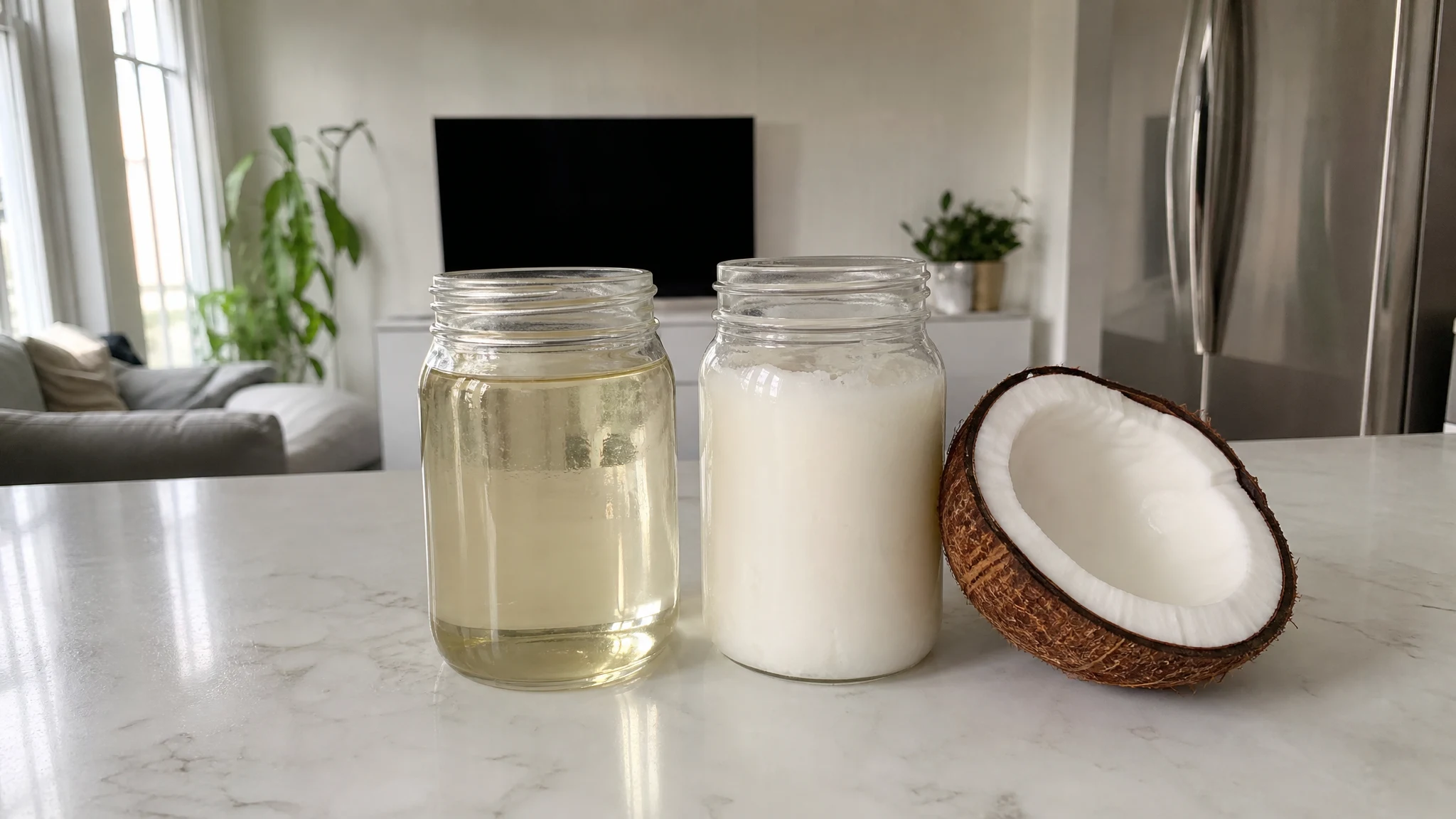
We sell two coconut oils, both for external cosmetic use only. Our fractionated oil stays liquid at any temperature, and we describe it as fast-absorbing and virtually odorless. Our virgin unrefined oil is firm in a cool room, melts in warm hands (it softens at about 76 degrees Fahrenheit) and smells unmistakably of coconut. That split decides which gifts each one suits.
- Massage oils, roll-on blends and beard oil want a liquid, which is where our fractionated oil shines. The massage article goes further.
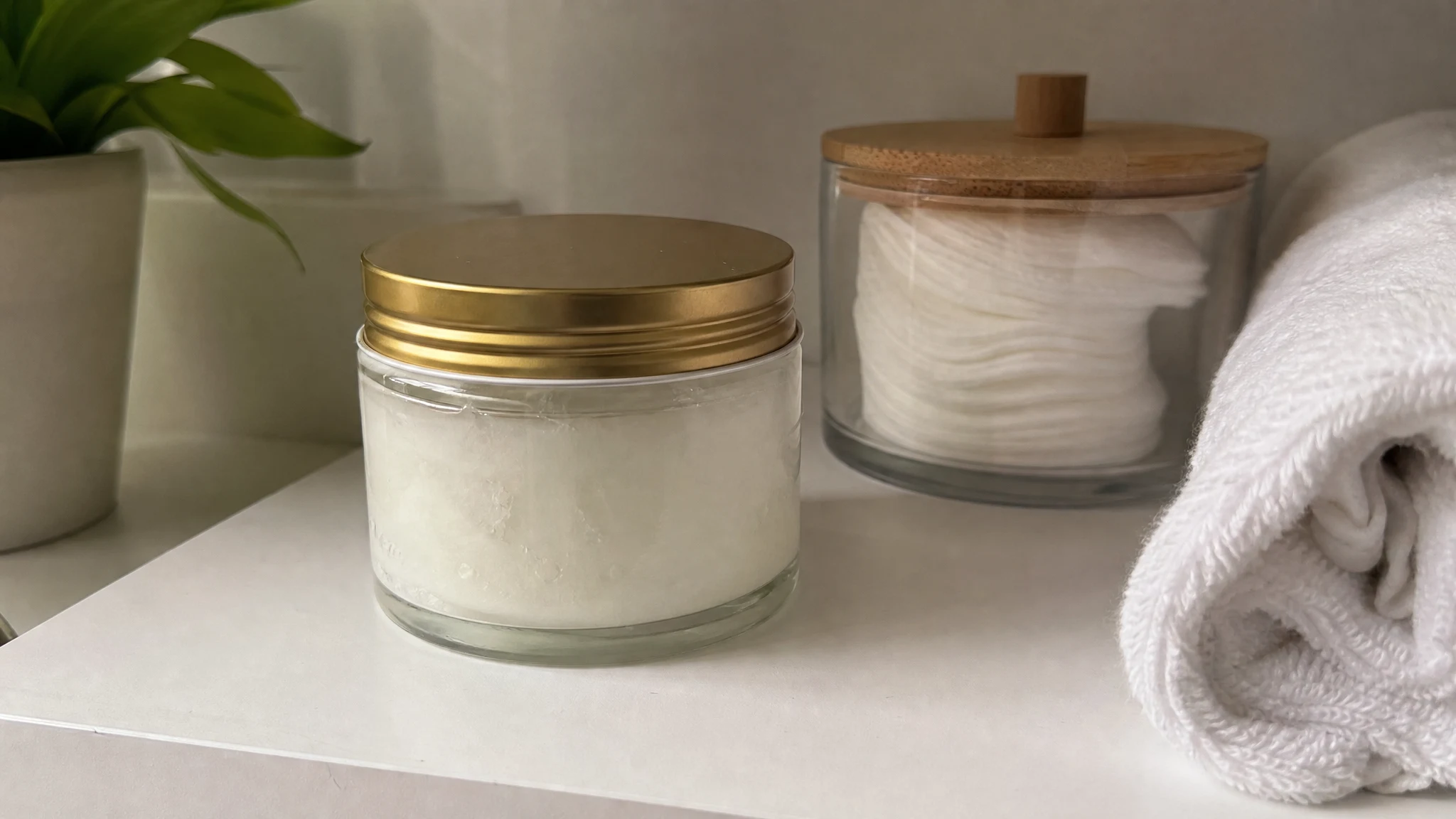
- Balms, lotion bars and scrubs want body. Because our virgin unrefined oil is already semi-solid in a cool room, a bar needs less wax than it would with a liquid oil.
- Anything where the coconut aroma is the point is a job for virgin. If you want the smell of coconut, that is the one to choose.
The one wax ratio worth memorizing
A widely shared rule of thumb, set out in a 2019 Hobby Farms piece by Rhoda Peacher, is one part beeswax to three to five parts oil, with a lip balm example of 1 ounce of beeswax to 4 ounces of oil. She also advises cooling a small sample to check firmness before filling containers. By weight, 1:4 is 20% wax, so a 60 g batch is 12 g of wax melted into 48 g of oil. Her recipe uses olive oil, so coconut oil may set a little differently, and adding butters shifts the ratio, which is exactly what the sample spoon is for. You will need to buy the beeswax elsewhere, since we sell the oils only.
When you want a full recipe, our lip balm recipe, sugar scrub, lotion bars and whipped body butter each cover one gift properly.
Scenting a gift: do the arithmetic
The Tisserand Institute's dilution guidelines give 0.2 to 1% for sensitive or impaired skin, 0.5 to 1.2% for facial products and deodorants, 1 to 3% for body oils and lotions, and 3 to 10% for rollerballs, and advise starting low. An ounce is 29.57 ml, which at roughly 20 drops per ml is about 590 drops, so 1% works out to about 6 drops per ounce of carrier. Weigh the oil if you make more than a bottle. The dilution article has the rest.
For gifts, the low end is the friendly default. When you cannot ask the recipient, an unscented jar is the kindest present for babies, pregnant people and homes with pets, and anyone with a health condition should check with a pharmacist or doctor before adding essential oils.
Label it like a product
Put the ingredients, the date you made it and "external use only" on every jar. The FDA's cosmetics labeling summary says cosmetics sold at retail must list ingredients in descending order of predominance, with those at one percent or less in any order. A gift is not a retail sale, but that format is the clearest way to tell someone with a coconut or fragrance sensitivity what is inside. We ask anyone with a tree nut or coconut allergy to check with a professional before using our oils, and to patch test a small area first.
On allergy wording, in January 2025 the FDA stopped treating coconut as a major food allergen, and its allergen labeling FAQ says so directly. That is a food-labeling rule and says nothing about how a particular person's skin will react, so the ingredient list still earns its place.
Keep the tag simple
The FDA explains that whether a product is a cosmetic or a drug depends on its intended use, shown by labels and promotional claims. So describe how the gift feels and smells, and keep words about conditions off the tag. The same page notes that moisturizers marketed with sun-protection claims fall into the cosmetic-drug category, so a homemade SPF balm is not on our list. If you ever plan to sell what you make, check the FDA's cosmetics pages first, since rules apply to sales that do not apply to gifts.
Gifts that call for a different jar
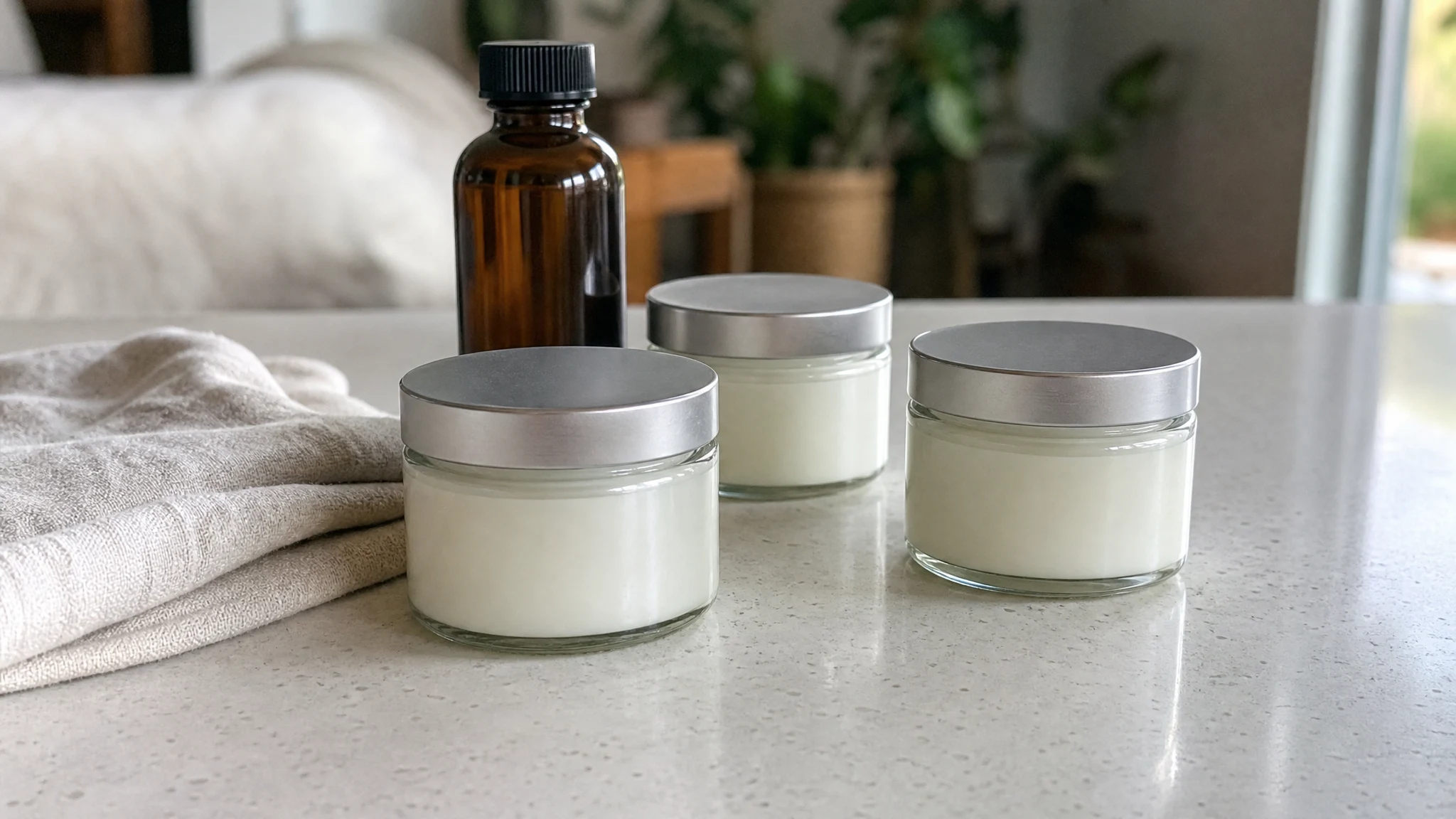
Because our oils are for external cosmetic use, edible gifts call for a food-grade oil. Presents for babies or pets are a question for a pediatrician or veterinarian, and the same goes for oral-care kits and personal lubricants. The dependable shortlist is a balm or lotion bar, a massage or roll-on oil, a sugar scrub and a beard oil, all water-free and all labeled. Our oils start at 0.5 oz, which is just right for a gift batch, with larger sizes if you are making several.
Fractionated Coconut Oil
Fractionated Coconut Oil from our own shop, in sizes from 0.5 oz to bulk.
From $9.99
Shop Now →Sources & Further Reading
- FDA, 2024. Microbiological Safety and Cosmetics. fda.gov/microbiological-safety-and-cosmetics
- Peacher R, Hobby Farms, 2019. Beeswax lip balm recipe and wax-to-oil ratio. hobbyfarms.com
- Tisserand Institute. Dilution guidelines. tisserandinstitute.org/safety/dilution
- FDA, 2025. Summary of Cosmetics Labeling Requirements. fda.gov/cosmetics-labeling-requirements
- FDA, 2026. Food allergen labeling guidance for industry: frequently asked questions. fda.gov/food-allergen-faq
- FDA, 2024. Is it a cosmetic, a drug, or both? fda.gov/cosmetic-drug-or-both