Turmeric Coconut Oil Face Mask: Patch Test First
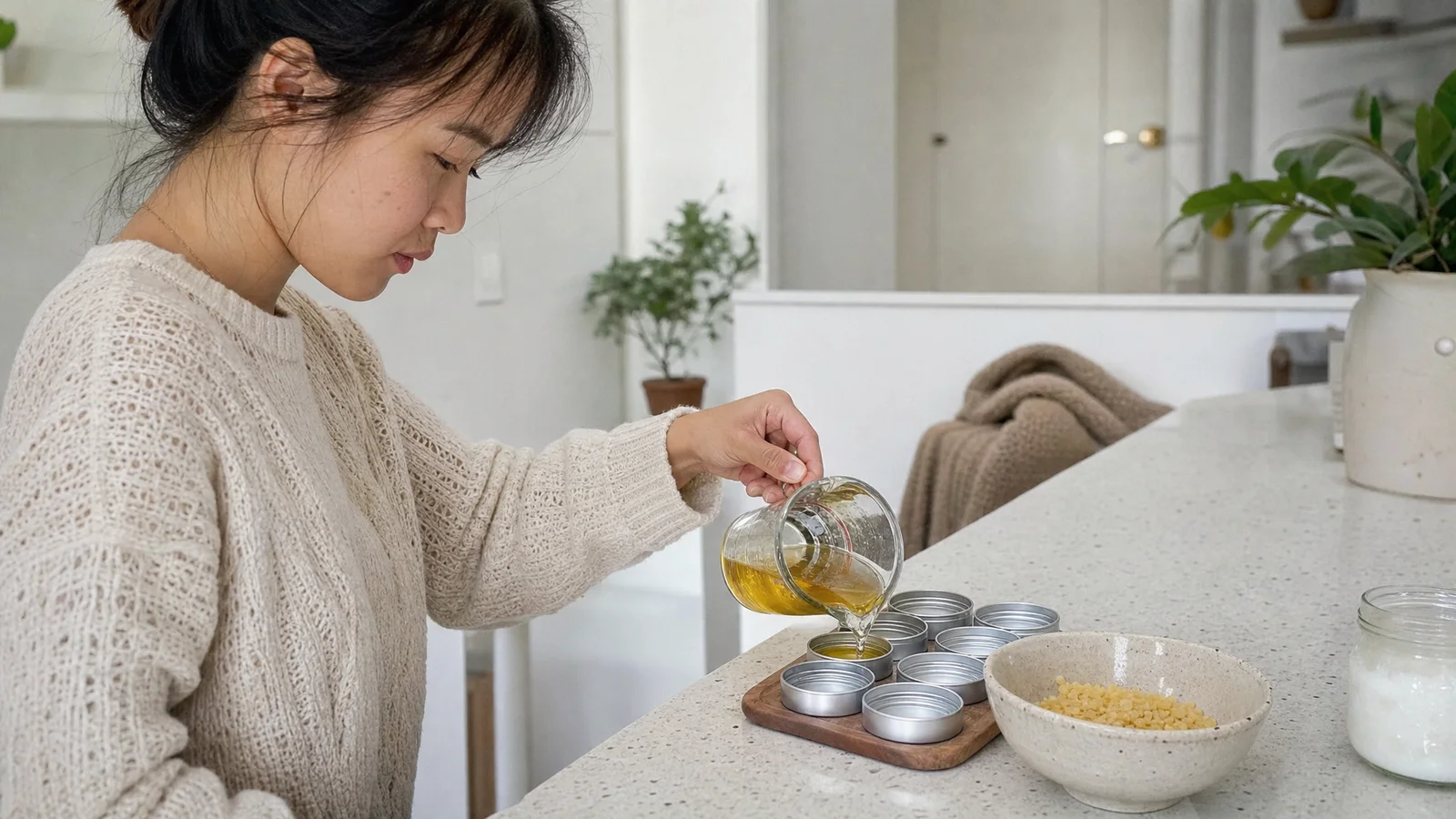
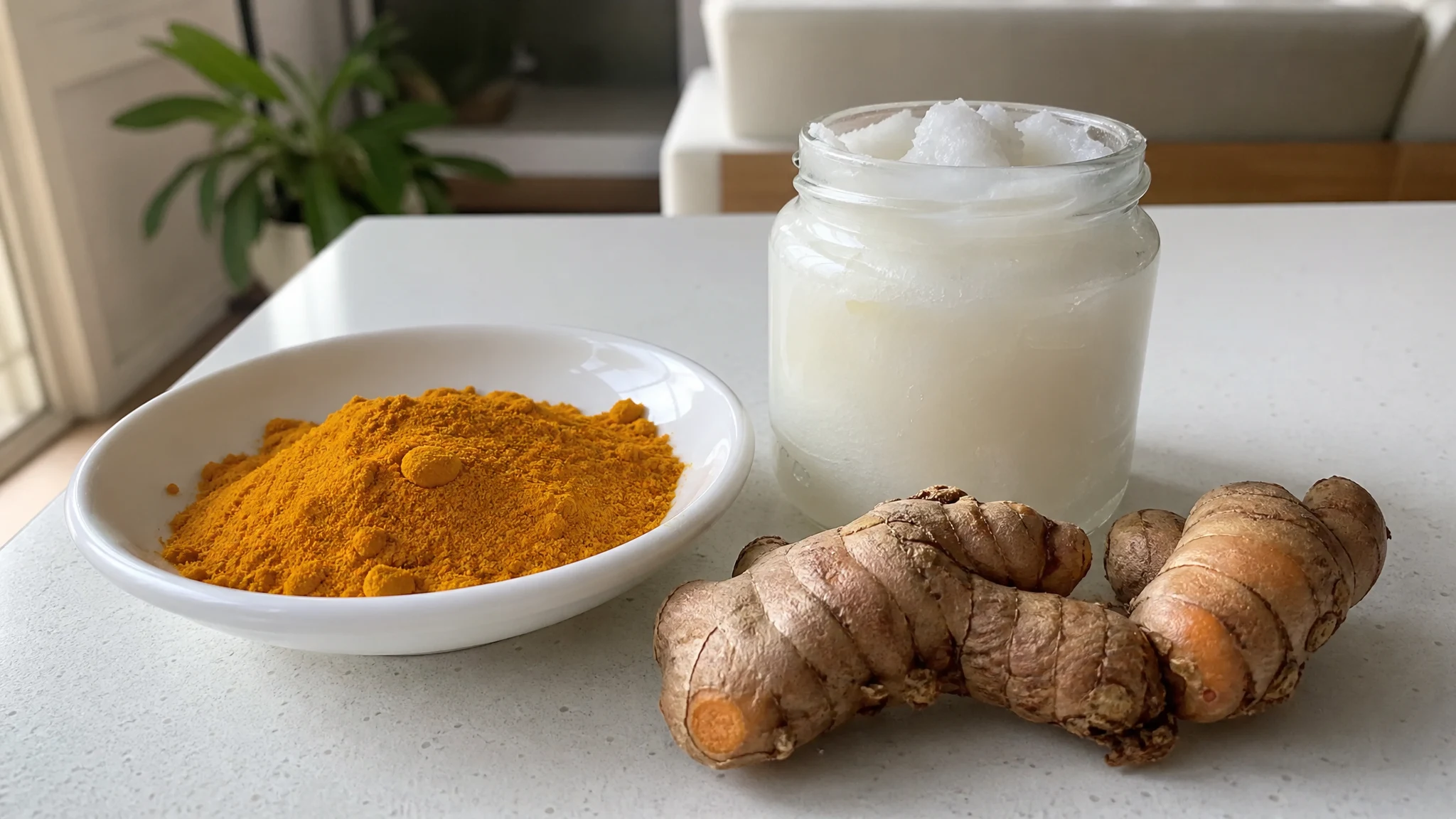
Stir a little turmeric into coconut oil and you get a marigold-gold paste that looks like exactly what a spa night should be. It is easy to see why the golden mask has such a following. It is also a recipe where a few small choices, the oil, the pinch of powder and a patch test, decide whether the evening is lovely or just yellow.

Fractionated Coconut Oil
Our own Fractionated Coconut Oil, in sizes from 0.5 oz to bulk.
From $9.99
Shop Now →What the research does and does not cover
The most useful single source is a systematic review of turmeric and curcumin in skin health by Vaughn, Branum and Sivamani (Phytotherapy Research, 2016). The authors searched the literature, found 234 articles and kept 18 clinical studies: nine on turmeric taken by mouth, eight on turmeric applied to skin and one on both. Their summary is that the evidence is early and the studies are limited.
That is a friendly place to start. Turmeric is a well-studied plant and researchers are curious about it on skin. But those studies used particular preparations, and kitchen spice stirred into oil is a different material, so no result can fairly be quoted for this paste. We see the golden mask as a ritual to enjoy, not a treatment, and our oils are sold for external cosmetic use with no medical claims.
A patch test worth the wait
Turmeric is a potent plant, and a few people react to it. A review in the Indian Dermatology Online Journal, "Turmeric: The Yellow Allergen" by Palaniappan and Karthikeyan, gathers patch-test series on turmeric contact allergy. The numbers swing widely with who was tested, from 44 of 50 turmeric users in one series to 11 of 300 in another. Those are clinic populations, mostly people who already had skin trouble, so they say nothing about your personal odds, but they show the reaction is real. The review also describes pigmented contact dermatitis, where skin darkens where turmeric touched it.
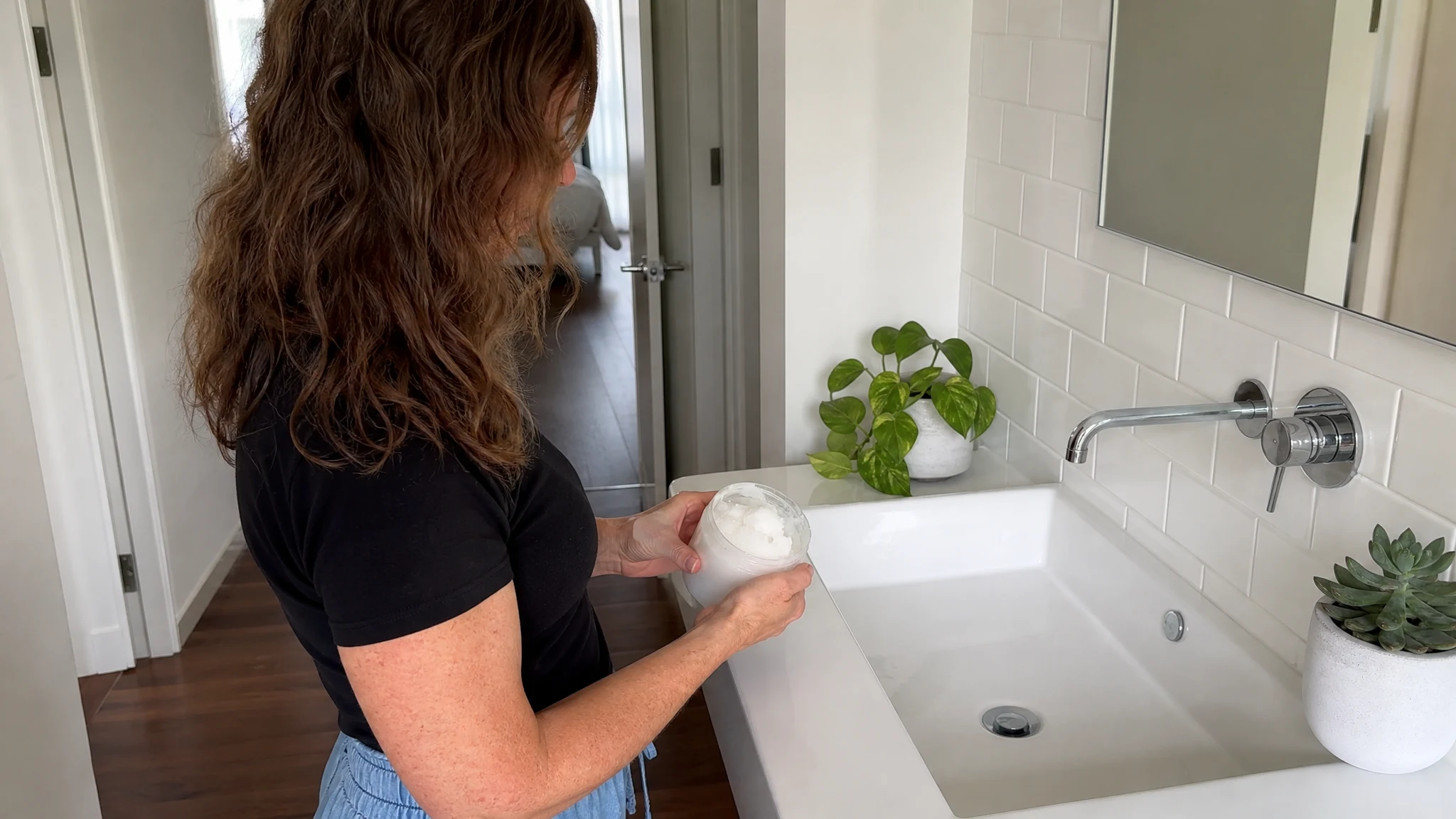
That last point is the reason we suggest a proper patch test. Apply a little of the finished mixture, not just the oil, to the inner forearm or behind the ear, and wait a full day before it goes near your face. Patch testing works on this logic: contact allergy can take hours to show, so a few minutes tells you less than a day does. Our fractionated oil page advises the same 24-hour wait, and a spice in the mix is one more reason to follow it.
If you react easily to spices, fragrance or skincare, have a rash or active eczema on your face, or have a dark patch you would like looked at, a dermatologist is the right first stop. Keep the mask away from your eyes, and if anything itches, burns or swells, wash it off. Hives, facial swelling or trouble breathing call for urgent medical help.
Why the oil you choose changes the paste
This is the fun part, and it is simple physics. Turmeric powder does not dissolve in oil the way an essential oil does. It floats in the liquid as tiny particles, so the oil's texture decides what you get.
Our fractionated coconut oil stays liquid at any temperature, which is its charm in a massage bottle. Stir powder into it and the particles drift to the bottom while the mixture drips, so you would shake it before each use and treat it as a thin golden oil.
Our virgin unrefined coconut oil is firm in a cool room and melts on warm fingers. That firmness holds the powder in place, which is how you get a spreadable paste, and the coconut scent suits a spa night rather well. For a mask-style paste, virgin is the practical base. Reach for fractionated when you want a light oil to blend into other routines.
We have not found a published turmeric-to-oil ratio, so we will not invent one. Begin with a small pinch of powder and add more only if you want a deeper color. Turmeric is a strong natural dye, so expect yellow fingertips, and keep it away from towels and pillowcases you love.
Keep it small, fresh and dry
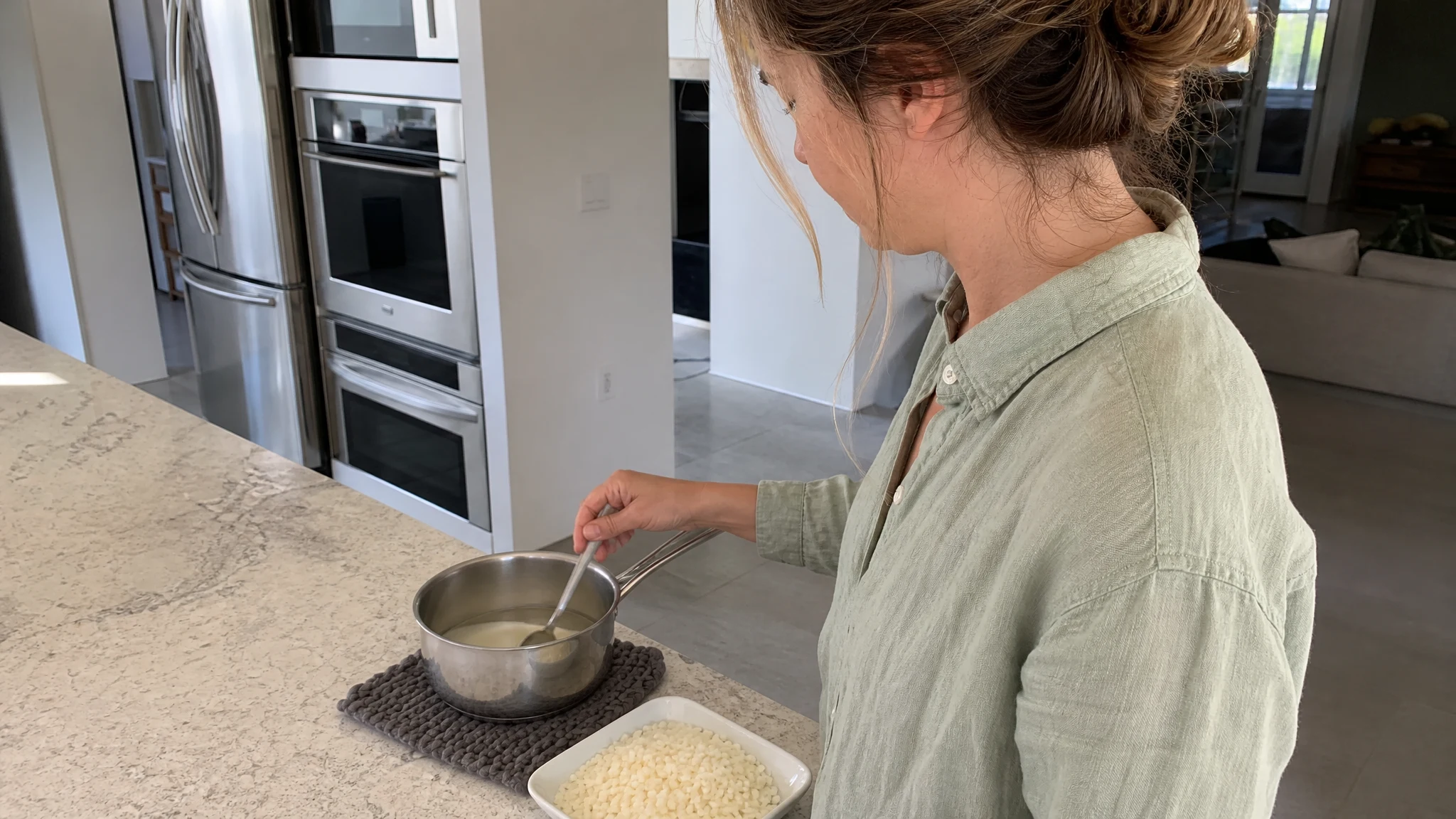
A turmeric and oil paste has no water and no preservative, so the sensible habit is to make only what you will use in one sitting. Mix a small amount in a clean, dry bowl with a clean, dry spoon, and keep damp fingers out of the jar. That follows the FDA's microbiological safety guidance, which names contaminated water and raw materials as routes to unsafe cosmetics and notes that microbes can grow faster in warm or damp storage. The one-sitting rule is our reasoning from it, not a shelf-life figure. Anything left over is not worth saving for next week.
It also helps to think about where the color will land. Turmeric stains cloth readily, and oil carries it deeper into fibers. A dark towel around your shoulders, an old headband and a spot over the sink rather than the bedroom make the ritual far more relaxing. If a little oil does reach the laundry, our guide to getting coconut oil out of clothes, sheets and sofas has the steps.
If you simply want the oil on your face
Leave out the spice and things get wonderfully simple. Our guide to choosing a coconut oil for your skin compares the two oils, coconut oil on your face covers who it suits, and the pores question explains the ratings behind the worry. Weighing other oils? The jojoba comparison is a good next read, and our skin overview sorts the claims from the trials.
A golden mask is a charming ritual and coconut oil is a lovely carrier for it. Patch test the finished mix, pick the oil that gives you the texture you want, and go gently with the powder.
Fractionated Coconut Oil
Fractionated Coconut Oil from our own shop, in sizes from 0.5 oz to bulk.
From $9.99
Shop Now →Sources & Further Reading
- Vaughn AR, Branum A, Sivamani RK, 2016. Effects of turmeric (Curcuma longa) on skin health: a systematic review of the clinical evidence. Phytotherapy Research. pubmed.ncbi.nlm.nih.gov/27213821
- Palaniappan V, Karthikeyan K, 2023. Turmeric: The Yellow Allergen. Indian Dermatology Online Journal 14(4):459-464. pmc.ncbi.nlm.nih.gov/PMC10373802
- U.S. FDA, 2024. Microbiological Safety and Cosmetics. fda.gov